

Quick Answer: The most unique travel experiences are the ones that could only happen in one place: sleeping in a hotel rebuilt from river ice every winter in Sweden, watching millions of monarch butterflies fill a Mexican forest from November to March, descending into a dormant volcano in Iceland, learning block printing from artisans in Rajasthan, or eating dinner in a farmer’s home in Iceland. This guide organises 30 of them by kind — impossible stays, underground worlds, wildlife spectacles, great journeys, crafts, local food, dark skies, festivals, ancient trails, water journeys and views from above — with the best season, how hard each one is to book and who it suits, so you can plan a trip around an experience instead of a destination.
Most lists of unique travel experiences fail in the same way: they hand you a flat ranking of famous sights and leave you to work out whether any of them fit your month, your fitness or your budget. A famous place can be wonderful and still be the wrong trip. Venice in August, the Inca Trail without a permit, or the Uyuni salt flats in the wrong season are all trips that look great on a list and feel wrong on the ground. This guide is organised differently. Instead of ranking destinations, it groups experiences by what you actually do — sleep somewhere impossible, learn a craft, eat with locals, ride a great journey — because that is how you choose one that fits you. Where a place repeats from our other guides, it appears here through a different lens: the experience itself, not the destination. If you want the dreamy, bucket-list version of this idea, our dream travel destinations guide covers the places people fantasise about, and our best travel destinations guide ranks 40 places by trip style, budget and best months. This article is the practical one: the experiences worth building a trip around, and how to book them without getting caught out.
What Makes a Travel Experience Truly Unique
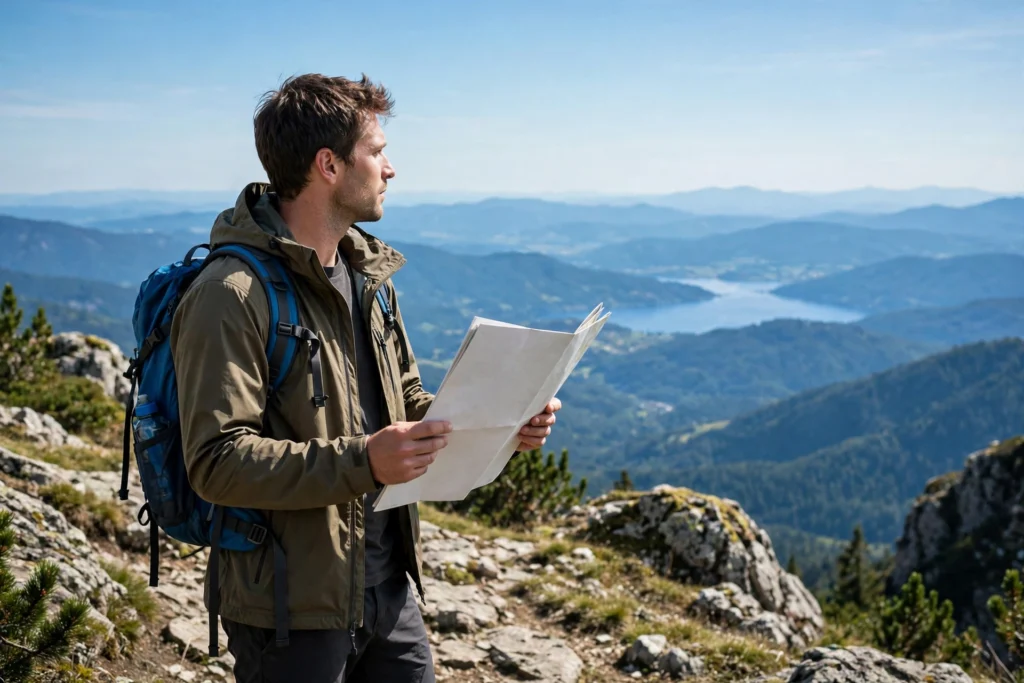
The word “unique” gets thrown around so freely in travel writing that it has almost lost its meaning. A hotel with a nice view is not unique. A cooking class in a tourist district is not unique. A real unique travel experience passes four tests, and it is worth applying them before you spend money or holiday days on anything that claims the label.
The only-here test. Could this experience happen anywhere else, or does it depend on this exact place? Sleeping in an ice hotel depends on a frozen river in Swedish Lapland. Watching monarch butterflies cluster in oyamel fir forests depends on a handful of mountain sanctuaries in central Mexico. A generic food tour fails this test; a tortilla-making class in Oaxaca, in a city where archaeologists have found evidence of tortilla-making going back centuries, passes it.
The people test. Does the experience connect you with the people who live there, or does it keep you behind glass? Meeting monks in Thimphu, learning block printing from artisans in Jaipur, eating dinner in an Icelandic farmhouse and walking with Maasai guides in Kenya all pass, because the local people are the experience, not the backdrop. A bus tour that photographs a village from the window fails.
The season test. Does the experience depend on a real window in the year? Monarch butterflies are in Mexico from November to March and nowhere else in those months. The Uyuni mirror effect needs the rainy season. The northern lights need dark skies, which need autumn and winter. An experience with a genuine season is usually a genuine experience; one that is “available all year” deserves a second look.
The effort test. The best unique travel experiences ask something of you: a pre-dawn start, a long walk, a night in the cold, a willingness to be a beginner at a craft. That effort is part of why they stay with you. If an experience promises something extraordinary with no effort, no booking window and no local connection, it is probably a photo opportunity with a ticket price, not a memory.
The 30 unique travel experiences at a glance
The table below is the whole guide on one page. Every experience in this article appears here with its kind, where it happens, the best season and how hard it is to book. Cost bands are qualitative — Lower, Mid or Higher — as a planning guide, not a price: the same experience can cost very different amounts depending on how you travel, and prices move with the season, so check current rates before booking.
| # | Experience | Kind | Where | Best season | How hard to book |
|---|---|---|---|---|---|
| 1 | Sleep in an ice hotel | Impossible stay | Jukkasjärvi, Sweden | Dec–mid-Apr | Easy–Moderate |
| 2 | Sleep in a cliff capsule | Impossible stay | Sacred Valley, Peru | Apr–Oct | Moderate |
| 3 | Sleep in a floating tent camp | Impossible stay | Khao Sok, Thailand | Dec–Apr | Moderate |
| 4 | Sleep in a Sahara desert camp | Impossible stay | Erg Chebbi, Morocco | Oct–Apr | Easy |
| 5 | Descend into a volcano | Underground | Thrihnukagigur, Iceland | 5 May–30 Oct | Moderate |
| 6 | Boat through glowworm caves | Underground | Waitomo, New Zealand | Year-round | Easy |
| 7 | Visit a church of bones | Underground | Sedlec, Czechia | Year-round | Easy |
| 8 | Monarch butterfly migration | Wildlife | Michoacán, Mexico | Nov–Mar | Easy |
| 9 | Hot-air balloon over the Serengeti | Wildlife | Serengeti, Tanzania | Year-round | Hard |
| 10 | Snorkel with sea lions | Wildlife | Galápagos, Ecuador | Year-round | Moderate |
| 11 | Dog sled under the northern lights | Wildlife | Swedish Lapland | Dec–Mar | Moderate |
| 12 | Ride a sleeper train through Italy | Great journey | Italy | Apr–Oct | Hard |
| 13 | Cross Canada by rail | Great journey | Canadian Rockies | May–Oct | Hard |
| 14 | Sail the Nile on a dahabeya | Great journey | Luxor–Aswan, Egypt | Oct–Apr | Moderate |
| 15 | Horse trek in Kyrgyzstan | Great journey | Tien Shan, Kyrgyzstan | Jun–Sep | Hard |
| 16 | Trek to Everest Base Camp | Great journey | Nepal | Mar–May, Sep–Nov | Moderate |
| 17 | Block printing with artisans | Craft | Rajasthan, India | Oct–Mar | Easy |
| 18 | Samurai sword practice | Craft | Kyoto, Japan | Mar–May, Oct–Nov | Easy |
| 19 | Venetian mask-making | Craft | Venice, Italy | Jan–Feb | Easy |
| 20 | Tortilla-making in Oaxaca | Craft | Oaxaca, Mexico | Oct–Apr | Easy |
| 21 | Sushi-making at Tsukiji | Craft | Tokyo, Japan | Year-round | Easy |
| 22 | Dinner in an Icelandic farmhouse | Local food | Iceland | Jun–Sep | Moderate |
| 23 | Forage and cook in Sweden | Local food | Swedish countryside | May–Sep | Moderate |
| 24 | Stargaze in a dark-sky sanctuary | Dark skies | Atacama, Chile | Mar–Oct | Easy |
| 25 | Venice Carnival | Festival | Venice, Italy | 23 Jan–9 Feb 2027 | Moderate |
| 26 | Rio Carnival | Festival | Rio de Janeiro, Brazil | Feb 2027 | Moderate |
| 27 | Day of the Dead | Festival | Oaxaca / Mexico City | 31 Oct–2 Nov | Moderate |
| 28 | Walk the Inca Trail | Ancient trail | Peru | Apr–Oct | Hard |
| 29 | Walk the Camino de Santiago | Ancient trail | Spain | Apr–Oct | Easy |
| 30 | Balloon over the Uyuni mirror | From above | Salar de Uyuni, Bolivia | Jan–Feb | Hard |
That is 30 experiences across six continents — more than the six in National Geographic’s immersive list and the 15 in its journeys list — because a useful answer to “what are the unique travel experiences?” is not one list but the right list for your kind of trip. The rest of this guide works through each kind in turn, with the practical detail the table cannot hold: what it actually feels like, when to go, what to book first and what catches people out.
Three rules that save every experience trip
Rule one: book the scarce thing first. Inca Trail permits, sleeper train cabins, Serengeti balloon flights and ice hotel suites all sell out months ahead. Book the scarce experience before you book flights or hotels, and build the rest of the trip around it — not the other way round.
Rule two: the season is the experience. A wildlife migration, a mirror-effect salt flat, a carnival or an aurora is not a place you can visit any time. Check the season before you check the flight price. Section 13 has a month-by-month guide to what is at its best in each month of the year.
Rule three: the best experiences are the ones with a local host. A community-run tour, a family homestay, a workshop run by the artisan and a meal in a local home will beat a big-group version of the same thing every time. Ask who runs it, who benefits and how big the group is before you book.
Sleep Somewhere Impossible: Ice Hotels, Cliff Capsules and Desert Camps
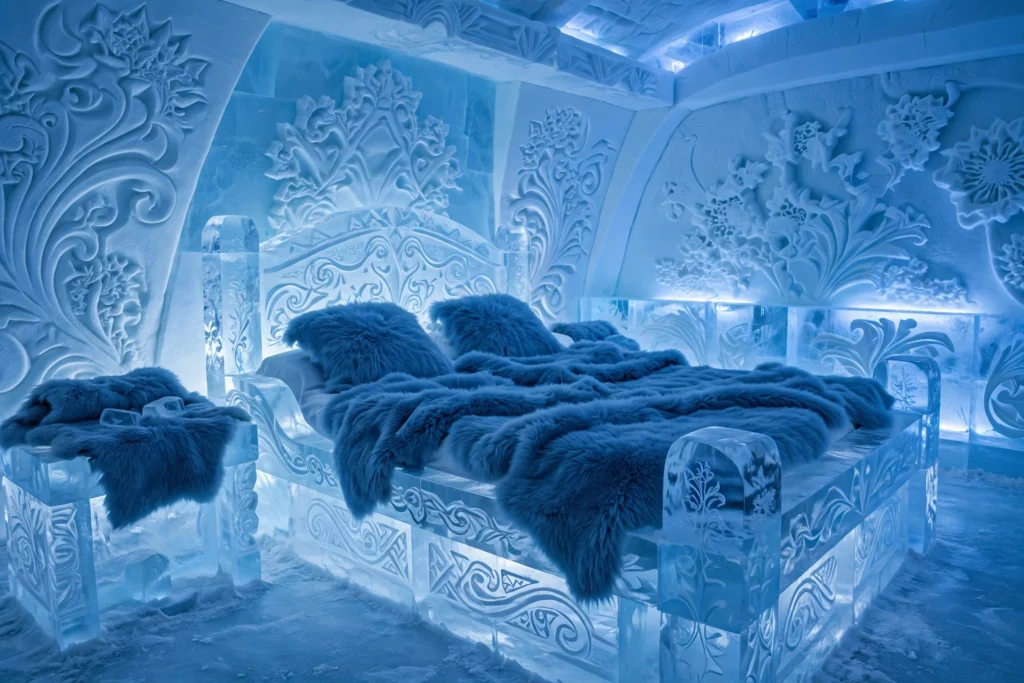
Some nights are the trip. A bed in a room made of ice, a transparent capsule bolted to a cliff face, a tent floating on a jungle lake or a camp bed under desert stars — these stays are not about comfort, they are about waking up somewhere that should not be possible. They are also the experiences that reward the earliest booking, because the number of beds is tiny and the season is short.
Sleep in a hotel made of river ice in Sweden
The Icehotel in Jukkasjärvi, about 200 kilometres north of the Arctic Circle, is rebuilt every winter from ice cut from the Torne River, and every spring it melts back into the same river. The seasonal winter building usually opens in mid-December and stands until mid-April; alongside it, the permanent ICEHOTEL 365 wing keeps ice rooms available through the summer too, so the experience is possible year-round, but the full winter building — the carved suites, the ice bar, the frozen art — is a December-to-April thing. The cold rooms sit around minus 5 to minus 8 degrees Celsius, and you sleep in a thermal sleeping bag on an ice bed covered with reindeer skins. It is cold, it is quiet in a way no normal hotel is quiet, and it is over by morning — which is exactly the point. The northern lights season begins in September, so a February or March stay gives you the best combination: the building complete, the days lengthening, and a real chance of aurora. Book the ice room first and the flights second; the suites are limited and the best weeks go early. The hotel’s own seasons page at icehotel.com sets out the winter, spring, summer and autumn windows, and it is the place to check before you plan dates.
Sleep in a transparent capsule on a cliff in Peru
The Skylodge Adventure Suites hang transparent capsules on a cliff face high above the Sacred Valley in Peru. You climb up to your capsule — or zip-line in, depending on the route — and sleep with the whole valley spread out below you through a clear wall. It is not a hotel with a view; the view is the room. The experience suits travellers who are comfortable with heights and with a climb, and it is a different lens on Peru from the destination guides: the Sacred Valley here is not a stop on the way to Machu Picchu, it is the thing you wake up inside. The dry season, roughly April to October, is the best window, with clearer skies and drier rock. Book well ahead: there are only a handful of capsules, and they are the scarce thing in this trip.
Sleep in a floating tent camp in a Thai jungle lake
In Khao Sok National Park in southern Thailand, floating tent camps sit on Cheow Lan Lake, surrounded by limestone cliffs rising straight out of the water. You sleep in a tent on a raft, wake to mist on the lake, kayak between the cliffs in the morning and swim from your own platform. It is the opposite of a beach resort: no roads, no cars, just water, jungle and the sound of gibbons in the early morning. The dry season, roughly December to April, gives the calmest water and the clearest mornings. This is the stay to pick if you want a jungle experience without a long trek — the lake does the travelling for you.
Sleep in a desert camp under the stars in Morocco
The Sahara camp at Erg Chebbi in Morocco is the most accessible impossible stay on this list: a camel ride out from the dunes’ edge at sunset, dinner cooked over a fire, and a night in a tent with the stars overhead and nothing else for miles. It works because the desert at night is genuinely dark and genuinely silent, two things that are hard to find anywhere else. The best months are October to April, when the days are warm and the nights are cool rather than freezing or scorching. Our full Morocco travel guide covers the desert routes, the Atlas Mountains and the practical side of getting to the dunes, which is the part most first-timers underestimate — the camp is a long drive from Marrakech or Fes, so plan the journey as part of the experience, not as an afterthought.
Underrated impossible stay: a night in a lighthouse keeper’s cottage or a converted fire tower. They are scattered across coastlines and forests in the USA, the UK, Australia and Scandinavia, they sleep very few people, and they give you the same feeling — a small building in a big landscape — for a fraction of the effort of a cliff capsule. Search the local tourism board rather than a booking site; the best ones barely advertise.
Go Inside the Earth: Volcanoes, Glowworm Caves and Bone Churches
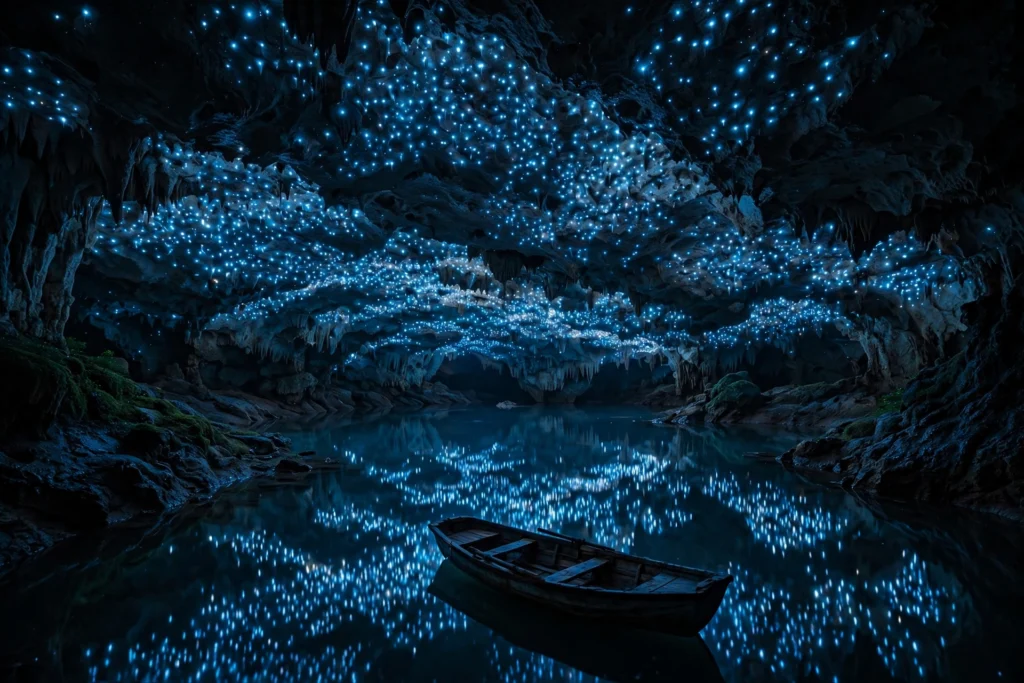
There is a particular kind of wonder that only comes from going underground. The world above is familiar; the world below is not. These four experiences all take you inside something — a volcano, a cave, a chapel — and every one of them is impossible to understand from a photograph. You have to be there, in the dark, looking up.
Descend into a dormant volcano in Iceland
Thrihnukagigur, about half an hour from Reykjavik, is the only lava chamber on the planet that visitors can actually descend into. A cable lift lowers you into the volcano’s magma chamber, a space large enough to hold a cathedral, lit in oranges and reds by the mineral-stained rock. The volcano has been dormant for around 4,000 years, and the descent is run as a guided tour — the only way in. The operator’s season runs from 5 May to 30 October each year, with no winter schedule, and the minimum age is 8, so plan it as a summer experience. This is Iceland through a completely different lens from the waterfalls and black-sand beaches of the usual guides: not the landscape, but what is underneath it. Our Iceland travel itinerary covers the ring road and the practical side of an Iceland trip, and the volcano descent fits neatly into a Reykjavik-based day. Book the descent before anything else in that day — it is the scarce slot, and it cannot be moved to another day in winter because there is no winter season.
Boat through a cave lit by glowworms in New Zealand
The Waitomo Glowworm Caves on New Zealand’s North Island are one of the quietest experiences in travel. You glide by boat through a dark cave while thousands of glowworms light the ceiling above you like a star field, reflected in the water below. Photography is not allowed on the boat, which turns out to be a gift: you actually look, instead of filming. The caves run through the year, and the experience is short — under an hour on the water — which makes it easy to fit into a North Island trip and easy to underestimate. Go for the earliest or latest boat of the day if you can; the caves are at their best when the groups are smallest and the silence is complete.
Visit a church decorated with human bones in Czechia
The Sedlec Ossuary, in the town of Kutná Hora about an hour from Prague, is a small chapel whose decorations — chandeliers, coats of arms, garlands — are made from the bones of tens of thousands of people. It sounds macabre, and it is, but it is also strangely peaceful: a medieval meditation on mortality, built by monks, not a horror attraction. Visit with respect, keep your voice down, and go early in the morning before the day-trip crowds arrive from Prague. It pairs naturally with a day in Kutná Hora itself, a UNESCO-listed silver-mining town that most visitors skip entirely.
Walk through an ice cave under a glacier
Iceland’s ice caves, formed each winter inside glaciers like Vatnajökull, are the most seasonal experience on this list: they exist for a few months, change every year, and melt away by spring. You walk through tunnels of blue ice that no one will ever see again in quite the same shape. The season is roughly November to March, and you can only enter with a guide — glacier ice is dangerous without one. This is the experience to pick if you want the underground world at its most temporary: the cave you walk through this winter will not exist next winter.
Watch Wildlife Do Something Extraordinary
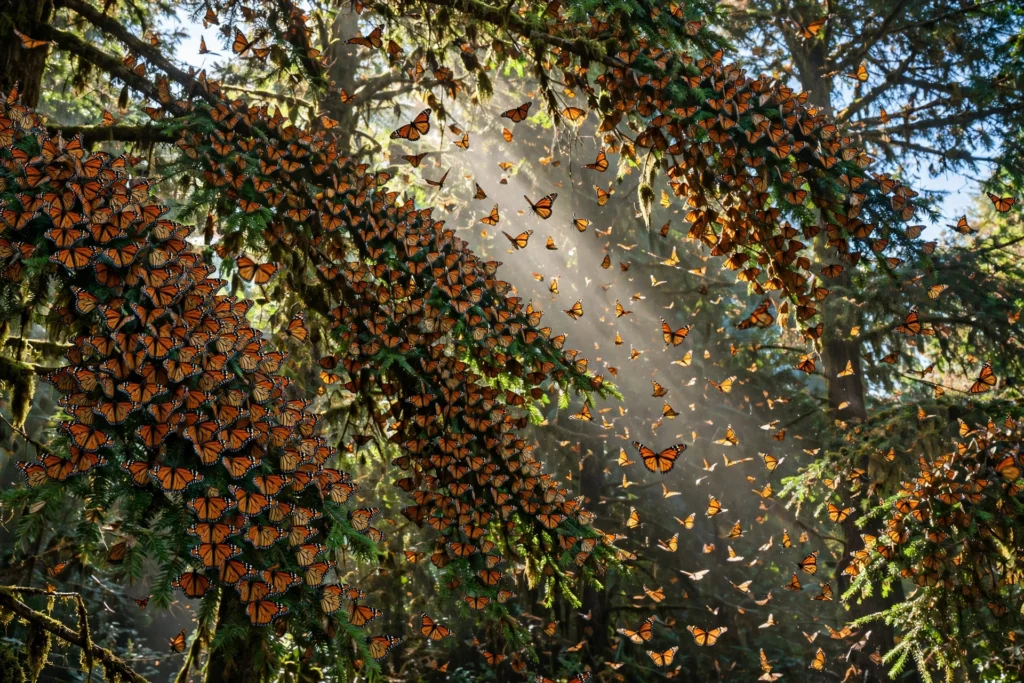
Wildlife is not unique because it is rare; it is unique because of what it is doing. A lion asleep under a tree is a photograph. A million butterflies taking flight at once, a herd crossing a river, or a sea lion inviting you to play underwater — those are moments, and moments need timing. Every experience in this section has a season, and getting the season right matters more than getting the camera right.
Stand inside a cloud of monarch butterflies in Mexico
Every autumn, millions of monarch butterflies fly thousands of kilometres from Canada and the United States to a handful of mountain sanctuaries in Michoacán and the State of Mexico, where they cluster on oyamel fir trees in such numbers that the branches bend under their weight. UNESCO lists the Monarch Butterfly Biosphere Reserve as a World Heritage site — 56,259 hectares of forested mountains about 100 kilometres northwest of Mexico City — and describes the overwintering concentration as the most dramatic manifestation of insect migration on Earth, with up to a billion butterflies returning in a good year. The season runs from November to March, with January and February the peak months for density and for the mass flights that happen on warm afternoons. El Rosario is the largest and most-visited sanctuary; Sierra Chincua is quieter. The sanctuaries run on strict rules — quiet voices, short visits, no touching — because the butterflies are resting, not performing. Go midweek if you can, and go in the afternoon, when the sun warms the clusters and the air fills with wings. Read the UNESCO listing at whc.unesco.org before you go; it explains the scale of the migration better than any tour brochure. Our guide to the best places to travel in Mexico covers the wider country, including Oaxaca and the Yucatán, if you want to build a longer trip around the butterflies.
Float over the Serengeti in a hot-air balloon
A balloon flight over the Serengeti at dawn is the wildlife experience that changes how you see the whole ecosystem: from the air, the herds, the rivers and the shape of the land make sense in a way they never do from a vehicle. The flight happens at sunrise, lasts about an hour, and ends with breakfast in the bush. It is also one of the hardest experiences on this list to book, because there are few balloons, few pilots and a lot of demand — book it before you book anything else in Tanzania, and build your safari dates around the flight, not the other way round. The Great Migration moves through the Serengeti and the Masai Mara all year, with the famous river crossings roughly from July to October, but the balloon flies through the year and the dawn light is extraordinary in any month. Our Tanzania travel guide covers the Serengeti, Ngorongoro and Zanzibar in detail, including the best months for each region.
Snorkel with sea lions in the Galápagos
The Galápagos Islands are the one place on Earth where the wildlife has never learned to fear people, and the sea lions are the proof: they will come to you, circle you, and invite you to play. Snorkelling with them is less like watching wildlife and more like being allowed into it. The islands are a year-round destination, with warmer water and calmer seas roughly from December to May, and cooler, richer water from June to November. This is the wildlife experience to pick if you want closeness rather than spectacle — no other place lets you get this near, this safely. Our Ecuador travel guide covers the Galápagos alongside Quito, the highlands and the Amazon, which is the practical way to plan it: the islands are reached from mainland Ecuador, and the mainland deserves days of its own.
Dog sled under the northern lights
Dog sledding is already a memorable way to travel; doing it under the aurora turns it into something else entirely. The dogs run in silence across the snow, the sky fills with green light, and the only sound is the runners on the snow. Swedish Lapland is the classic setting — the same region as the ice hotel, which makes the two easy to combine — and the season runs roughly from December to March, when the nights are long and dark enough. The aurora is never guaranteed on any single night, so give yourself at least three or four nights in the north and treat the lights as a bonus on top of the sledding, not the whole reason for going. That way the trip is a success even if the sky stays quiet.
Ride the World’s Great Journeys: Trains, Rivers and Horse Trails
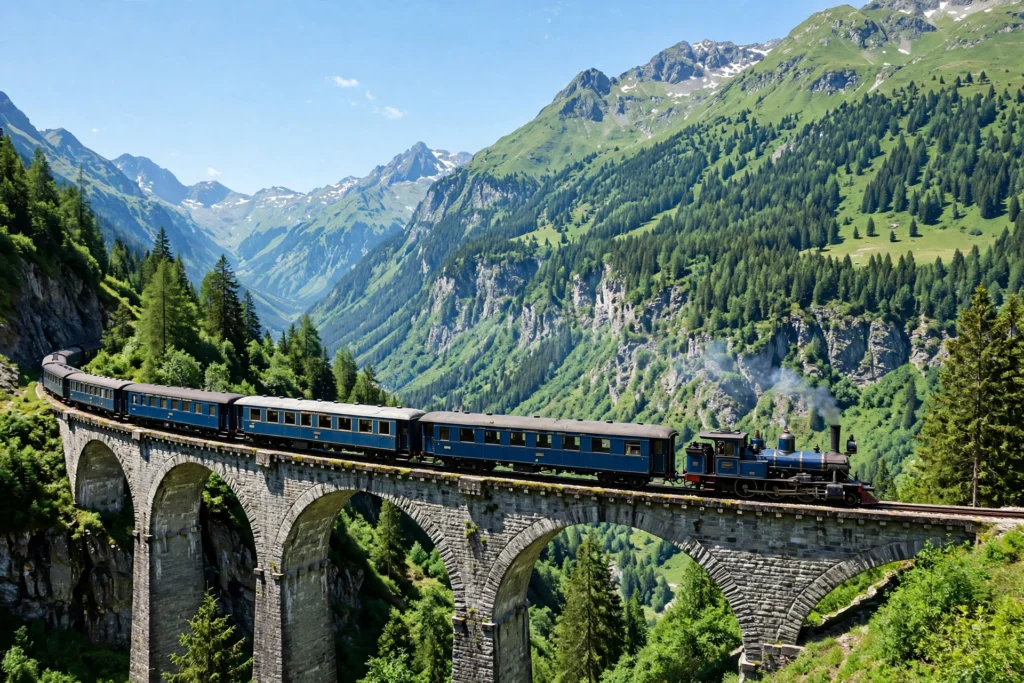
Some journeys are as memorable as the destinations themselves. The difference between a transfer and a great journey is simple: on a transfer you want it over; on a great journey you want it to last. These five are the ones worth planning a whole trip around, and they all share one rule — the journey is the point, so slow down and let it take the time it takes.
Ride a sleeper train through Italy
The new Orient Express La Dolce Vita runs sleeper journeys through Italy in the spirit of the original: slow travel, dining cars, and scenery that changes from mountains to coast while you sleep. It is the opposite of a high-speed transfer — the train is the destination, and the towns it stops in are the bonus. Sleeper cabins are limited and the popular routes sell out months ahead, so book the cabin first and the flights second. The best months are April to October, when the days are long and the countryside is at its greenest. This is the journey to pick if you want Italy without the airports: you arrive rested, you have seen the country, and you have not spent a day of the trip in a queue.
Cross the Canadian Rockies by rail
The Rocky Mountaineer runs daylight-only journeys through the Canadian Rockies between Vancouver and Banff or Jasper, which means you see everything — the mountains, the rivers, the spiral tunnels — instead of sleeping through it. The train travels by day and you sleep in hotels at night, so it is a journey, not a test of endurance. The season runs roughly from May to October, with September the sweet spot: fewer crowds, autumn colour starting, and the same mountains. Book early; the glass-domed coaches are the scarce seats, and the popular departures go first. If you want the rail journey without the premium price, the regular cross-Canada trains cover the same mountains more slowly and more cheaply — a different experience, but the same landscape.
Sail the Nile on a dahabeya
A dahabeya is a traditional wooden sailing boat with a handful of cabins, and sailing the Nile on one is the slowest, quietest way to travel between Luxor and Aswan. There is no engine hum, no big dining room, no crowd: just the river, the temples on the banks, and the wind. You stop at temples the big cruise boats pass, moor on sandbanks for the night, and eat on deck. The best season is October to April, when the days are warm rather than punishingly hot. This is the Nile as it was travelled for centuries, and it is a completely different experience from a large cruise — smaller, slower, and far closer to the river.
Horse trek in the mountains of Kyrgyzstan
In the Tien Shan mountains of Kyrgyzstan, you can ride for days through valleys of wildflowers and walnut forest, sleeping in yurts and eating with shepherd families. There are no roads, no crowds and very little English — just horses, mountains and the people who live in them. The season is short, roughly June to September, when the high passes are clear of snow. This is the hardest journey on this list to arrange well, because it depends on local guides and local knowledge, and it rewards travellers who are comfortable being a beginner: you do not need to be an expert rider, but you do need to be willing to ride for hours a day and to sleep simply. The reward is a landscape and a way of life that mass tourism has not reached.
Trek to Everest Base Camp
The trek to Everest Base Camp in Nepal is the most famous walk on Earth for a reason: two weeks of walking through Sherpa villages, monasteries and high valleys to the foot of the highest mountain in the world. It is not a technical climb — it is a walk, at altitude — and the challenge is the height, not the terrain. The best seasons are March to May and September to November, when the skies are clearest and the trails are driest. The trek needs fitness and acclimatisation, not mountaineering skill, and the teahouses along the way mean you sleep in a bed every night. Book the flights to Lukla and the teahouses well ahead for the peak months, and give yourself rest days for acclimatisation — the mountain will still be there tomorrow, and the walk is the experience, not the arrival.
Learn a Craft from the People Who Still Practise It
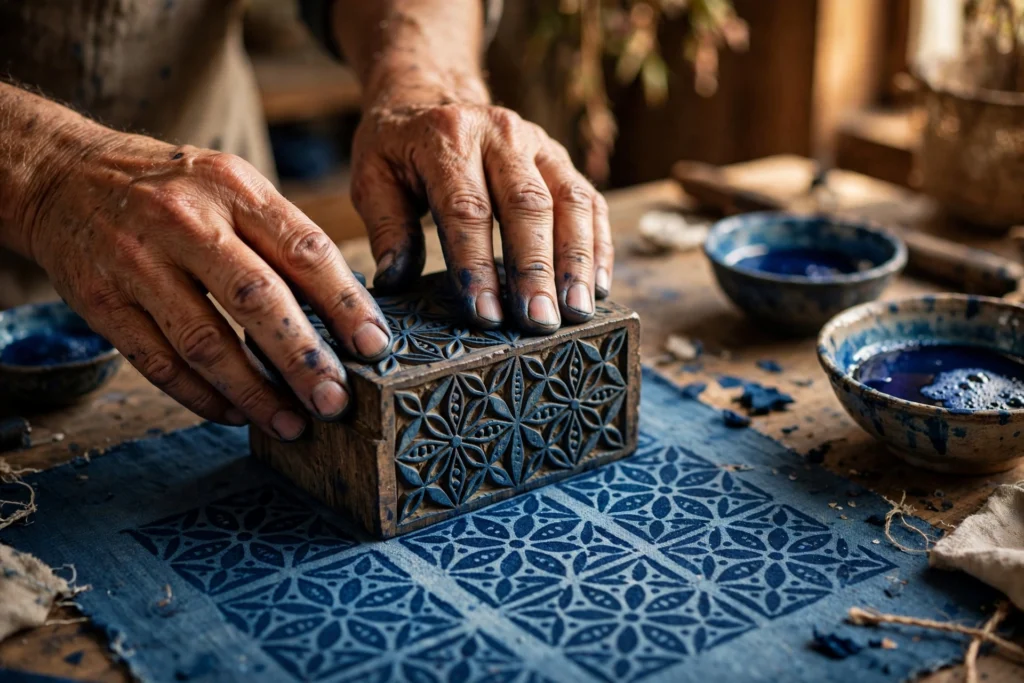
A souvenir tells you nothing. A craft you learned from the person who practises it tells you everything: how long it takes, how much skill it needs, and why it matters to the place it comes from. These five workshops all share one thing — the teacher is a practitioner, not a performer, and you leave with something you made and a story you will actually remember.
Block printing with artisans in Rajasthan
In Jaipur and the surrounding villages of Rajasthan, block printing is a living craft: carved wooden blocks, natural dyes, and patterns passed down through generations of artisan families. A workshop lets you print your own fabric with the same blocks and the same indigo dye the artisans use, and the difference between watching and doing is the whole point — you feel how much pressure the block needs, how the pattern repeats, and how easy it is to get wrong. The best months are October to March, when the desert heat eases. Choose a workshop run by the artisans themselves, not a shop that prints a souvenir while you watch; the question to ask is who teaches, and whether the person teaching is the person who does the work every day.
Samurai sword practice in Kyoto
In Kyoto, you can learn kembu — the traditional art of samurai sword practice — from a master: the etiquette, the stance, the draw, and the discipline behind it. It is not a stage show; it is a martial art with a thousand years of history, and an hour with a real teacher gives you a sense of a culture that no temple visit can. Kyoto was Japan’s capital for more than a thousand years, and the sword tradition is part of that history, not a tourist invention. The best months are March to May and October to November, when the city is at its most beautiful and the weather is kindest. Our guide to how much to travel to Japan covers the practical costs of a Japan trip, including Kyoto, so you can budget the workshop into a real itinerary rather than treating it as an extra.
Venetian mask-making in Venice
Venice Carnival is famous for its masks, and the masks are made by hand in small workshops across the city, using techniques that have barely changed in centuries. A mask-making workshop lets you paint and decorate your own, with a master artisan showing you how the layers of papier-mâché are built and gilded. It is the best way to experience Carnival without the crowds of the main days: the workshop is quiet, personal, and you take the mask home. The best time is January and February, around Carnival itself — the 2027 edition runs from 23 January to 9 February — but the workshops run through the year, and a quiet month like November gives you the artisan’s full attention. Our Venice travel guide covers the city beyond Carnival, including the access fee, the districts and where to stay.
Tortilla-making in Oaxaca
Oaxaca is Mexico’s great food city, and tortilla-making is its oldest craft: archaeologists have found evidence of tortilla-making in the region going back centuries, and the technique is still taught by hand, on a clay comal, in family kitchens. A class here is not a demonstration; you grind the corn, shape the tortilla, and eat what you make, usually as part of a longer meal with the family. The best months are October to April, avoiding the heaviest summer rains. This is the craft to pick if you want to understand a place through its food — and Oaxaca rewards it, with markets, mezcal, mole and a food culture that is a reason to travel on its own.
Sushi-making at Tsukiji in Tokyo
At Tokyo’s Tsukiji outer market, you can learn to fillet fish and make sushi with a professional sushi master, after walking the market stalls where the fish was bought that morning. It is a short class — a couple of hours — but it changes how you eat sushi for the rest of your life: you learn why the rice matters as much as the fish, why the knife angle matters, and why the best sushi is made in seconds. The market runs through the year, and the class works in any season, which makes it the easiest craft on this list to fit into a trip. Go early in the morning, when the market is at its busiest and the fish is freshest.
Eat with Locals, Not at Restaurants
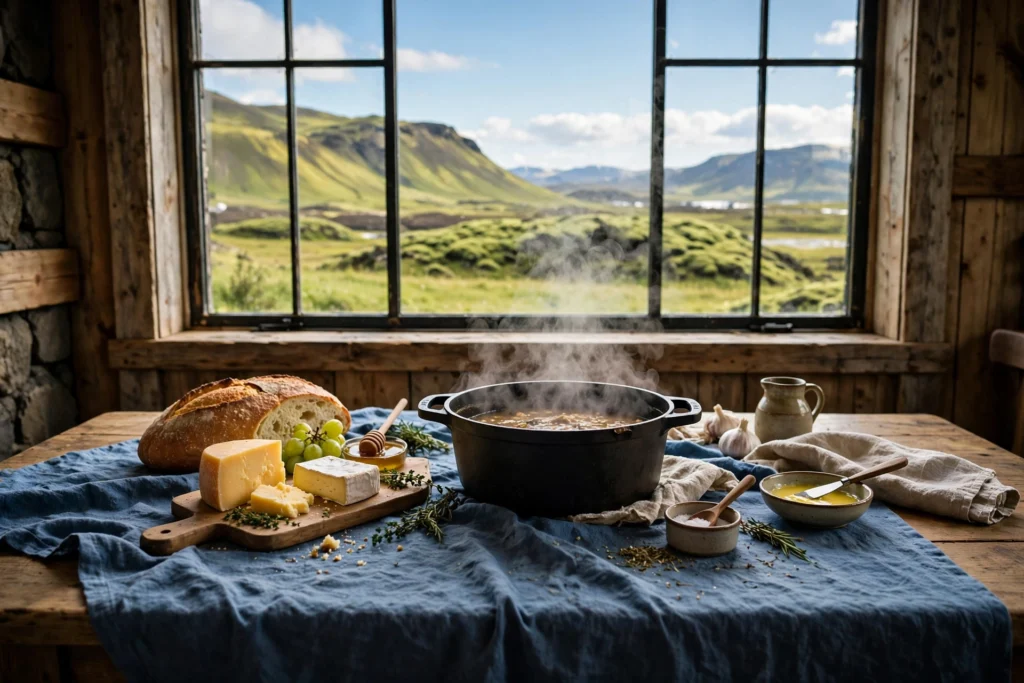
The best meal of a trip is rarely in a restaurant. Restaurants cook for everyone; a local home cooks for you, with the ingredients of the season, the recipes of the family, and the stories that come with them. These experiences are not about fine dining — they are about being a guest, and the difference is everything.
Dinner in an Icelandic farmhouse
In Iceland, you can eat dinner in a farmhouse with the family who lives there: lamb from their own flock, fish caught that morning, bread baked in the ground by geothermal heat, and skyr for dessert. It is the opposite of a Reykjavik restaurant — slower, simpler, and far more honest about what Icelandic food actually is. The best months are June to September, when the farms are busiest and the days are longest. This is Iceland through a completely different lens from the waterfalls and the volcano descent: not the landscape, but the people who live in it. Book through the farm or a community-run listing, not a big-group dinner show, and ask what is on the menu that week — the answer will tell you whether it is a real meal or a performance.
Forage and cook your own dinner in Sweden
Sweden’s Edible Country programme turns the whole countryside into a restaurant: you book a table at one of the outdoor locations, forage the ingredients with a guide, and cook a nine-course menu yourself over an open fire. The chefs design the menu, but you do the cooking — which is the point. It is a full day, not a dinner, and it works best from May to September, when the forests are full of mushrooms, berries and herbs. This is the food experience to pick if you like doing rather than watching: you will remember the meal because you made it, in a place you would never have found on your own.
A meal in a local home, anywhere
The simplest version of this idea is also the best: a meal in a local home, arranged through a homestay, a community tourism group or a local guide. It works everywhere — a rice terrace village in the Philippines, a family kitchen in Oaxaca, a farmhouse in Tuscany — and the pattern is always the same: you arrive as a stranger, you eat together, and you leave knowing the place in a way no restaurant can teach. The rules are simple: bring a small gift, eat what is offered, ask questions, and pay the host fairly through the community listing rather than haggling. If a “home dinner” is sold by a big agency with a fixed menu and a fixed price, it is a restaurant with extra steps; the real ones are booked through local tourism organisations and community operators, and they change with the season because the food does.
Underrated local food experience: a market breakfast with a local guide. In almost every city, the morning market is where the food culture actually lives — the stallholders, the regulars, the dishes that never appear on a restaurant menu. A guide who shops there every day can show you in an hour what a guidebook cannot show you in a week, and it costs less than a hotel breakfast. Ask your hotel or the local tourism office who runs the market walks; the best ones are small, early, and hungry.
Sleep Under the Darkest Skies on Earth
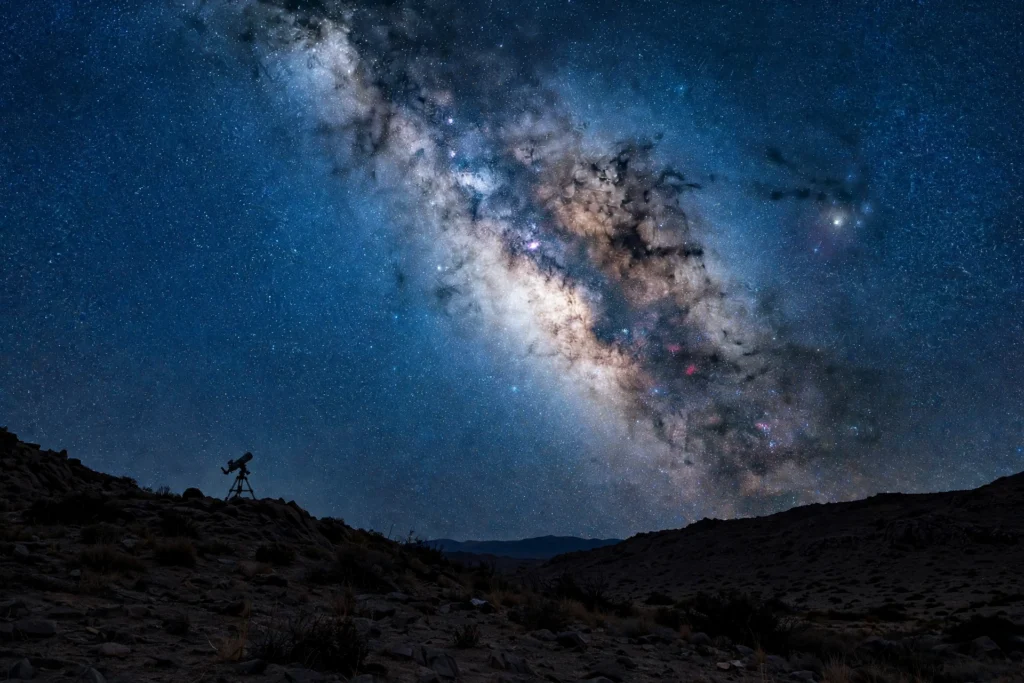
Most people have never seen a truly dark sky. City lights wash out the stars for most of the world’s population, and the Milky Way — visible to every generation before ours — is now a rumour for most travellers. A dark-sky experience is not about astronomy; it is about remembering what the night actually looks like. And it needs almost nothing: a dark place, a clear night, and the patience to let your eyes adjust.
Stargaze in the Atacama Desert
The Atacama Desert in northern Chile is one of the driest places on Earth, and that dryness makes it one of the clearest: the air holds almost no moisture, the skies are cloudless most nights, and the Milky Way is so bright it casts a shadow. The Elqui Valley, a few hours south, is home to the world’s first International Dark Sky Sanctuary, designated in 2015. The best months are roughly March to October, when the nights are long and the skies are at their clearest. DarkSky International, the nonprofit that certifies dark-sky places around the world, lists nearly 280 of them — parks, reserves, sanctuaries, communities and urban night-sky places — and its site at darksky.org is the place to find one near your route. The Atacama is the one to pick if you want the darkest sky you will ever see, but the principle works anywhere: find a certified dark-sky place, go on a moonless night, and give your eyes half an hour.
Watch the northern lights from the far north
The aurora is the most famous night-sky experience, and the most misunderstood. It is not a show that runs on a schedule; it is a natural phenomenon that needs dark skies, solar activity and clear weather, all at once. That is why the best advice is to go for at least three or four nights, in the aurora season — roughly September to March in the far north — and to treat the lights as a bonus on top of a good winter trip, not the whole reason for going. Swedish Lapland, Finnish Lapland, northern Norway and Iceland are the classic settings, and all of them offer dog sledding, snowshoeing and ice hotels alongside the aurora, which is exactly the point: the trip is a success even if the sky stays quiet. Our guide to the best places to travel in January covers the northern lights alongside warm-weather escapes, which is the practical way to choose a winter month.
Sleep in a desert with no light at all
The simplest dark-sky experience is also the cheapest: a night in a desert camp, a mountain hut or a remote beach, with no artificial light for miles. The Sahara camp in Morocco, the Uyuni salt flats in Bolivia, the Australian outback and the Namib Desert in Namibia all give you the same thing — a sky so full of stars that it is hard to believe it was there all along. Bring a red torch, not a white one: white light ruins your night vision for half an hour, and everyone else’s too. And check the moon: a full moon washes out the Milky Way almost as thoroughly as a city does. The best nights are the moonless ones, a few days either side of the new moon.
Join a Festival the Whole Town Lives For
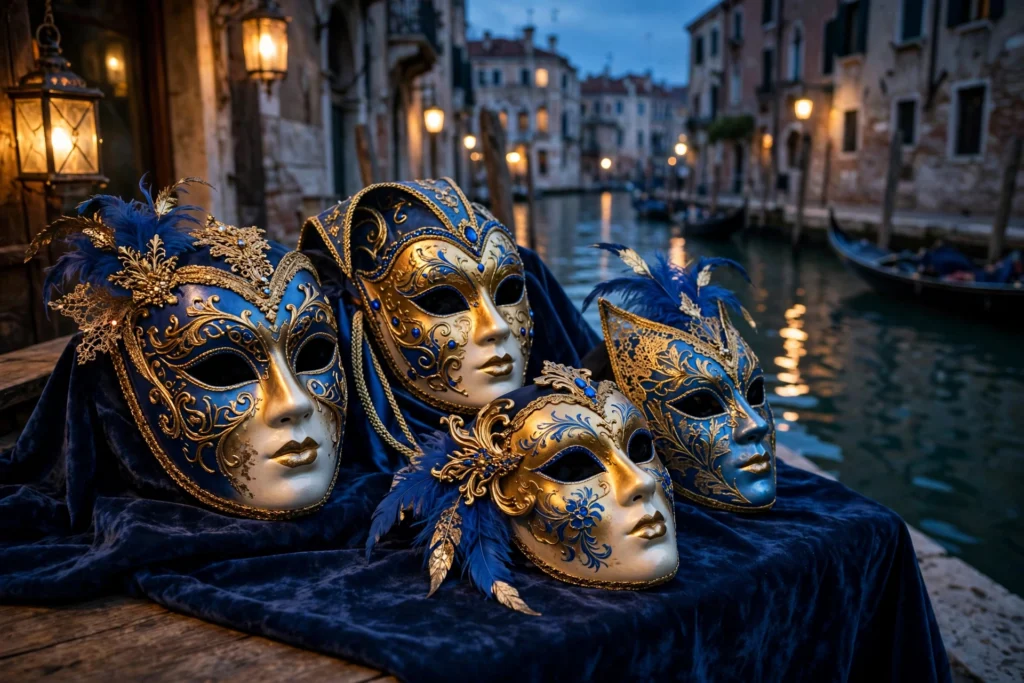
A festival is the one time a place shows you itself without holding back. The streets fill, the costumes come out, the food changes, and the whole town lives the same day together. The difference between a tourist event and a real festival is simple: at a real festival, the locals are not performing for you — you are a guest at their party. These three are the strongest, and each one needs its dates checked before you book anything.
Venice Carnival: the world’s great masquerade
The Carnival of Venice is Europe’s oldest and most spectacular public masquerade: eighteen days in which the city becomes a stage set of costumed figures, candlelit palace balls and water processions on the Grand Canal. The 2027 edition runs from 23 January to 9 February, closing on Shrove Tuesday, 9 February, with the main programme concentrated in the final ten days from 30 January. The street events are free; the balls and dinners are ticketed and expensive. The trick is to go for the opening week, when the city is quieter and the costumes are just as spectacular, or to book a mask-making workshop and experience the craft behind the spectacle. The city’s own visitor site at visit.venice.it publishes the official dates and programme, and it is the source to trust — several travel sites give the wrong start date. If you go, read our Venice travel guide first: the access fee, the districts and the practical side of a winter Venice trip matter more during Carnival than at any other time of year.
Rio Carnival: the biggest party on Earth
Rio’s Carnival is the largest festival in the world, and the Sambadrome parade is its centrepiece: samba schools competing through the night with floats, costumes and thousands of performers. The 2027 edition falls in February, with the main parades on the weekend before Lent. The parade is a ticketed, seated spectacle; the street parties — the blocos — are free, chaotic and arguably more fun. Go for a bloco in the morning and the Sambadrome at night, and you get both halves of the festival. Our Rio de Janeiro travel guide covers the city beyond Carnival, including safety, neighbourhoods and the practical side of a Rio trip, which matters: Carnival week is the busiest week of the year, and hotels and flights need booking months ahead.
Day of the Dead in Oaxaca and Mexico City
Day of the Dead, from 31 October to 2 November, is Mexico’s most moving festival: families build altars for their dead, cemeteries fill with marigolds and candles, and the streets fill with parades and music. Oaxaca is the classic setting, with its comparsas — neighbourhood parades — and its cemetery vigils, but Mexico City’s own parade has grown into a major event in its own right. It is a festival about remembrance, not a party, and the etiquette matters: ask before photographing a family’s altar, keep your voice down in the cemeteries, and remember that you are a guest at something sacred. Go with a local guide for the cemetery visits; they will explain what you are seeing, and they will keep you from stepping where you should not.
Underrated festival: Holi, the festival of colours, in India each spring, usually in March. It is joyful, chaotic and completely participatory — you will be covered in colour within minutes, and so will everyone else. The big-city celebrations are famous, but the small-town ones are better: fewer cameras, more welcome, and a real sense of a community celebrating together. Wear clothes you do not mind ruining, protect your camera, and check the exact date for your year before booking — Holi moves with the lunar calendar.
Walk in Someone Else’s Footsteps: Pilgrimages and Ancient Trails
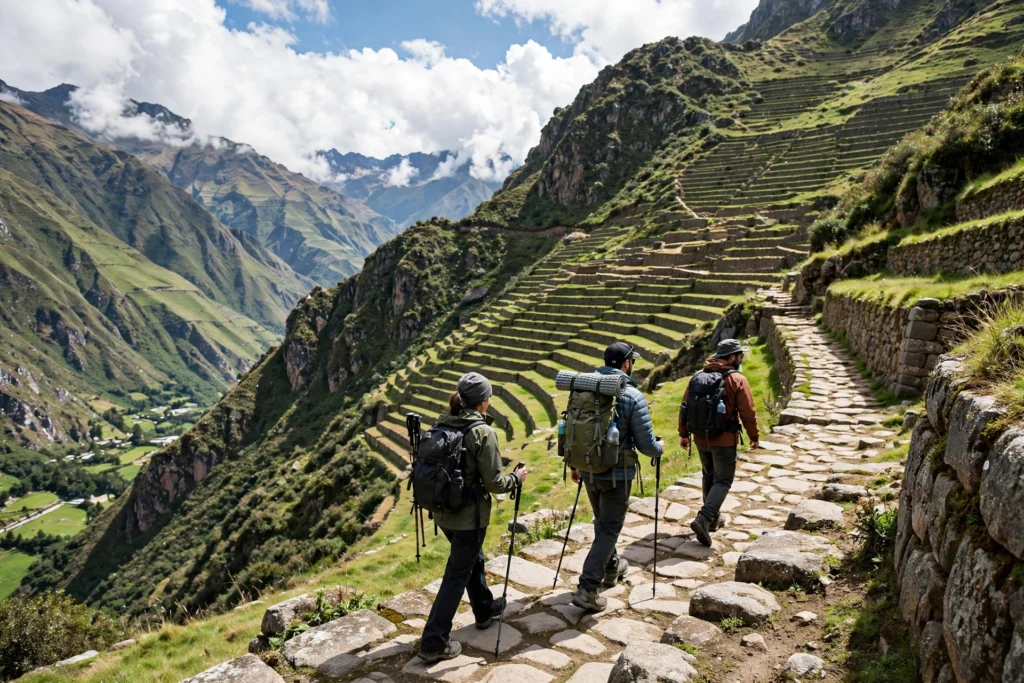
There is a reason people have walked the same routes for a thousand years. A pilgrimage trail is not a hike with a destination; it is a journey with a meaning, and every step has been walked by millions of people before you. These three are the strongest, and they share one quality: the walk changes you more than the arrival does.
Walk the Inca Trail to Machu Picchu
The Inca Trail is the classic ancient walk: four days through cloud forest and high passes, past Inca ruins, to arrive at Machu Picchu through the Sun Gate at dawn. It is not the only way to reach Machu Picchu — the train is easier — but it is the only way to arrive on foot, as the Incas did, and that arrival is the experience. The trail is strictly limited: permits are capped each day, they sell out months ahead, and the trail closes every February for maintenance. Book the permit before you book anything else — flights, hotels and the rest of the trip all follow from it. The best months are April to October, the dry season, when the trail is firm and the skies are clear. This is Peru through a completely different lens from the cliff capsules of the Sacred Valley: not the view, but the walk. If the permits are gone, the Salkantay trek is the honest alternative — longer, higher, wilder, and without the permit limit.
Walk the Camino de Santiago
The Camino de Santiago is the most walked pilgrimage in the world, and the most forgiving: the French Way runs roughly 780 kilometres from Saint-Jean-Pied-de-Port in France to Santiago de Compostela in Spain, through villages, vineyards and medieval towns, with hostels and cafes the whole way. You do not need to walk it all — most people walk a week or two, often the final stretch from Sarria — and the experience is the rhythm of it: walk, eat, sleep, repeat, with strangers who become friends by the second day. The best months are April to October, with May and September the sweet spot: good weather, fewer crowds than the summer peak. It is the cheapest great journey on this list — the hostels cost very little, the food is simple, and the only real cost is time. And it is the one to pick if you want a journey that is about the walking itself, not the destination at the end.
Walk the Kumano Kodo in Japan
The Kumano Kodo is Japan’s great pilgrimage: a network of trails through the forested mountains of the Kii Peninsula, linking three grand shrines, and one of only two pilgrimage routes in the world listed by UNESCO alongside the Camino — completing both earns you dual pilgrim status, a small certificate and a very good story. The trails are quieter than the Camino, the forests are older, and the onsen hot springs at the end of each day are the reward. The best months are March to May and October to November. It is the trail to pick if you want the pilgrimage experience without the crowds: fewer walkers, deeper forest, and a Japan that most visitors never see.
Underrated ancient walk: the Lycian Way in Turkey, a 500-kilometre trail along the Mediterranean coast past Lycian tombs, Roman ruins and turquoise bays. It is waymarked, it has village guesthouses the whole way, and it is almost empty compared with the Camino or the Inca Trail. Walk it in April or October, when the heat eases and the sea is still warm enough to swim in.
Travel by Water in a Way You Never Forget
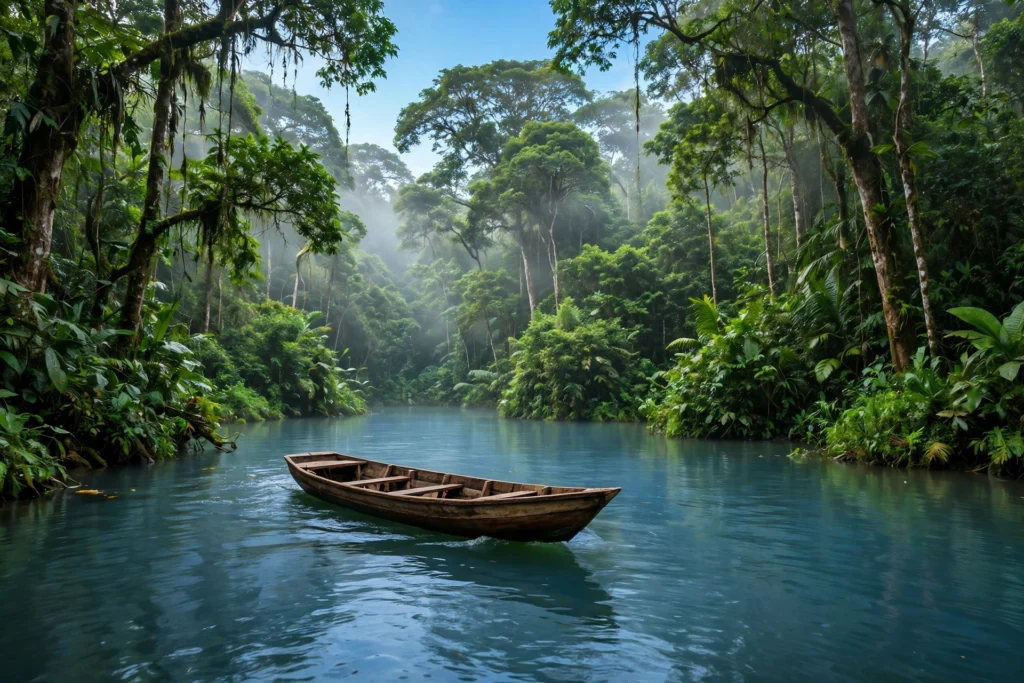
Water changes a journey. On land you pass through a landscape; on water you are inside it, moving at its speed, seeing it from the angle it was made to be seen from. These three water journeys are the ones worth building a trip around — and they all reward travellers who are happy to slow down.
Cruise the Amazon on a small riverboat
The Peruvian Amazon is best explored by boat, and a small purpose-built riverboat is the way to do it: a handful of cabins, a naturalist guide, and days spent on the river and its tributaries, spotting pink river dolphins, monkeys, sloths and hundreds of bird species. The boat moves slowly, the jungle comes to you, and the excursions — dawn birdwatching, night walks, visits to riverside communities — are the experience. The best months are roughly May to October, the drier season, when the trails are walkable and the wildlife is easier to spot; the wetter months, roughly November to April, bring higher water and better canoeing through the flooded forest. This is the Amazon as a journey, not a lodge: you wake up somewhere new every morning, and the river does the travelling.
Spend a night on Ha Long Bay
Ha Long Bay in Vietnam is a seascape of limestone islands rising out of green water, and the way to see it is to sleep on it: an overnight boat trip that sails between the islands, anchors in a quiet bay, and lets you kayak through caves and swim from the deck. The day boats see the same islands, but they leave at sunset — and sunset and sunrise are when the bay is at its best, empty and still. The best months are October to April, avoiding the summer typhoon season. Book a small boat, not a big cruise ship: the bay is crowded enough already, and a small boat can reach the quiet corners the big ones cannot.
Kayak a Norwegian fjord
Norway’s fjords are made to be seen from the water, and a kayak is the closest you can get: silent, low to the water, with cliffs rising a thousand metres on either side. The Geirangerfjord and the Nærøyfjord — both UNESCO-listed — are the classic settings, and a guided day paddle is enough for most people: a few hours on the water, a beach lunch, and a completely different understanding of the landscape. The best months are June to September, when the water is calmest and the days are longest. This is the water journey to pick if you want activity rather than relaxation: you earn the view with your arms, and it feels different because of it.
See the World from Above — and from a Different Angle
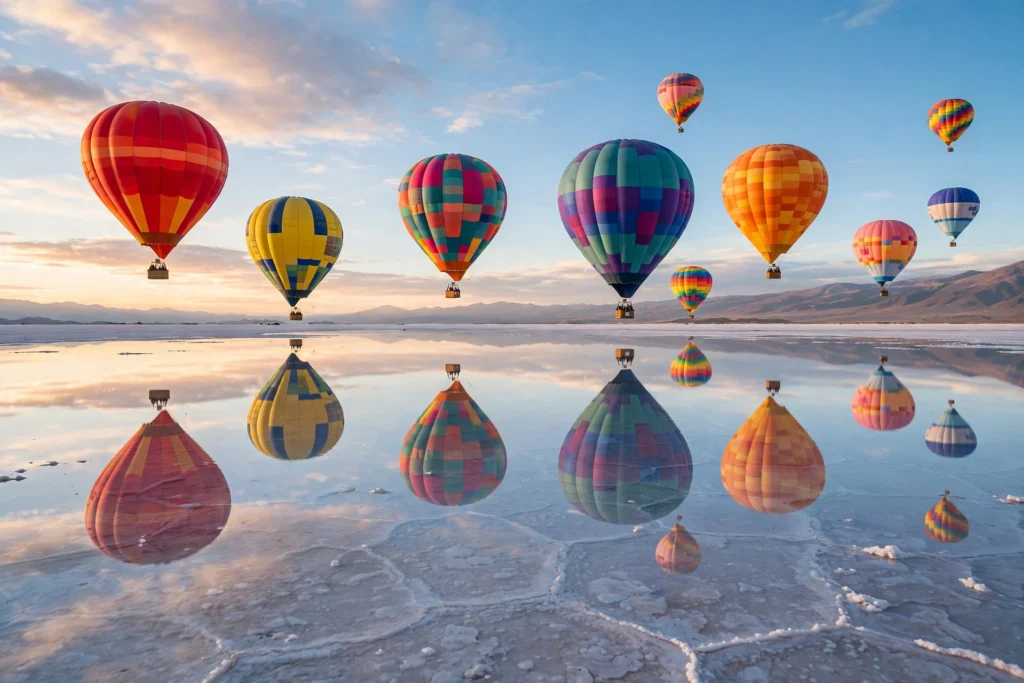
Height changes everything. A landscape you have seen a hundred times in photographs looks completely different from above, because you finally understand its shape. These three experiences are all about the view — but each one gives you a view you cannot get any other way.
Balloon over Cappadocia at sunrise
Cappadocia in Turkey is a landscape of fairy chimneys, cave dwellings and valleys that looks strange from the ground and impossible from the air. At sunrise, dozens of balloons rise together over the valleys, and the light turns the rock gold. The flights are weather-dependent — wind cancels them, and cancellations are common — so give yourself at least two or three mornings in Cappadocia and treat the flight as the priority: book it for your first morning, so a cancellation still leaves you another chance. The best months are April to October, with September the sweet spot. This is the balloon flight to pick if you want spectacle: the Serengeti flight is about wildlife, but Cappadocia is about the landscape itself.
Walk on the sky at the Uyuni salt flats
The Salar de Uyuni in Bolivia is the world’s largest salt flat — roughly 10,582 square kilometres, almost perfectly level — and in the rainy season it becomes the world’s largest mirror. From roughly December to April, a thin sheet of water covers the crust, and when the wind drops the surface reflects the sky so completely that the horizon disappears. January and February are the most reliable months for the mirror; the dry season, roughly May to November, gives you the other Uyuni — a hard white plain cracked into hexagonal patterns, with full access to the whole circuit. The mirror is never guaranteed on any specific date: it depends on recent rainfall and on wind, and too much water can close access to parts of the flat. That uncertainty is part of the experience — and the reason to give yourself three or more days, so a windy day does not cost you the one photograph you came for. The altitude, about 3,656 metres, is the practical thing most people underestimate: take it slowly on the first day, drink water, and let your body adjust.
Balloon over the temples of Bagan at sunrise
Bagan in Myanmar is a plain of more than 2,000 ancient temples, and the way to understand its scale is from above: a sunrise balloon flight over the temples, with the mist in the valleys and the pagodas rising out of it. The flights run in the dry season, roughly October to March, when the skies are clearest. It is a quieter, less crowded version of the Cappadocia experience — fewer balloons, older temples, and a landscape that has barely changed in a thousand years. Our Myanmar travel guide covers Bagan alongside Yangon, Mandalay and Inle Lake, and it is worth reading before you plan: the practical side of a Myanmar trip, including where you can and cannot go, matters more than the balloon booking.
How to Find Unique Travel Experiences (and Spot the Fake Ones)
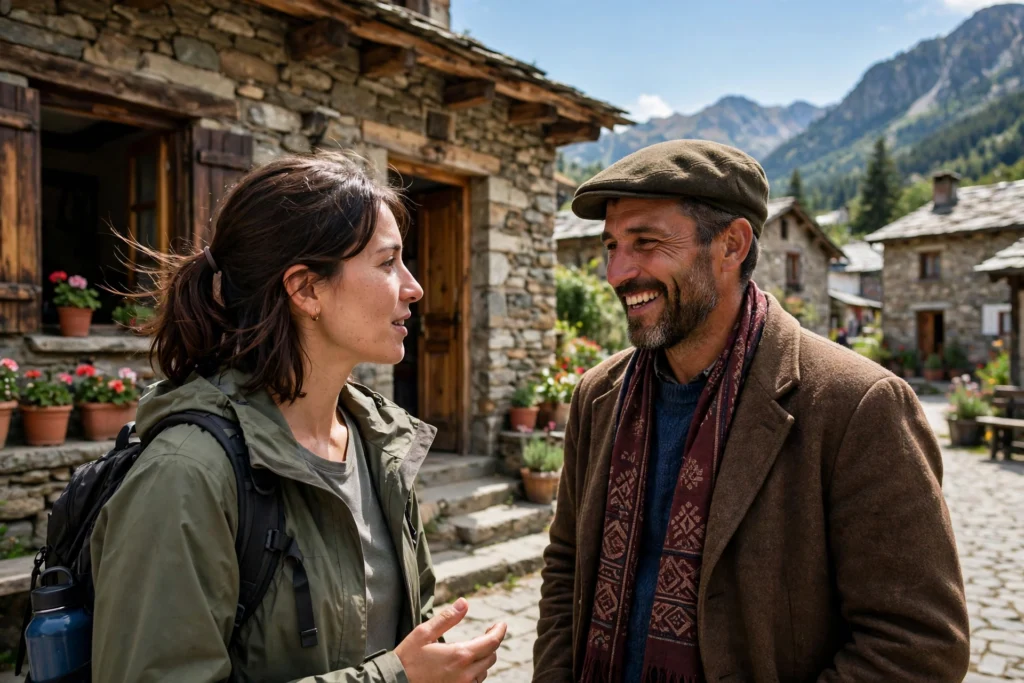
The hardest part of this kind of travel is not the booking — it is the finding. The best experiences are often the least advertised, and the most advertised ones are often the least real. Here is how to tell the difference, and where to look.
Start with the local tourism organisation, not a booking site
The local tourism board, the national park office and the community tourism group know what is real in their area, and they have no reason to sell you a fake version. A booking site’s job is to sell you something; a tourism board’s job is to tell you what exists. Check the official site first, then the community listings, then the small local operators — and only then the big platforms. The official sites linked in this article — UNESCO, the Icehotel’s own seasons page, the National Park Service and DarkSky International — are the model: primary sources, not resellers.
Ask four questions before you book anything
Who runs it? A community-run tour, a family homestay and a workshop taught by the artisan are real. A tour run by a distant agency with a local driver is a transfer with a story attached. How big is the group? The best experiences cap at a handful of people. A “small group” of 20 is not small. Who benefits? If the money stays in the community — the family, the artisan, the village — the experience is usually better, because the people running it care about it. What happens if the weather turns? A real operator has an answer. A fake one has a refund policy and nothing else.
Use the month-by-month guide
The table below shows what is at its best in each month. Use it to pick your dates before you pick your flights: the right month matters more than the right hotel, and the wrong month can cost you the whole experience.
| Month | At its best |
|---|---|
| January | Monarch butterflies (peak), Venice Carnival late Jan, Uyuni mirror, Bagan balloons, northern lights |
| February | Monarch butterflies (peak), Venice Carnival, Rio Carnival, Inca Trail closed — go elsewhere, Uyuni mirror |
| March | Monarch butterflies (last weeks), Holi in India, northern lights (last weeks), Everest trek season begins |
| April | Uyuni mirror (last weeks), Camino season begins, Inca Trail reopens, sleeper trains, desert camps |
| May | Thrihnukagigur volcano season begins, Everest trek, Amazon dry season begins, Uyuni dry season begins |
| June | Kyrgyzstan horse treks, fjord kayaking, Iceland farm dinners, midnight sun, Camino in full swing |
| July | Serengeti river crossings, fjord kayaking, Camino, sleeper trains, Rocky Mountaineer |
| August | Serengeti river crossings, Camino, fjord kayaking, Thrihnukagigur, Uyuni dry season |
| September | Northern lights season begins, Everest trek season, Camino (best month), Rocky Mountaineer autumn colour |
| October | Day of the Dead (31 Oct), Ha Long Bay season, Inca Trail (last weeks), dark skies in Atacama |
| November | Monarch butterflies arrive, Day of the Dead (1–2 Nov), Uyuni mirror begins building, ice caves open |
| December | Monarch butterflies, ice hotel winter building opens, dog sledding, northern lights, Ha Long Bay |
Keep a travel journal of what you find
The best experiences often come from a conversation, a tip from a host, or a poster in a village square — and they are easy to lose. Keep a simple note of every experience you hear about, with the season and the contact, and review it when you plan the next trip. Our guide to how to make a travel journal covers the practical side — what to record, how to organise it, and how to turn notes into plans — and it is the cheapest travel tool there is. A packing list helps too: our travel packing checklist covers what to bring for trips that mix cities, trails and boats, which is exactly what an experience-led trip does.
Mistakes to Avoid When Booking Unique Travel Experiences
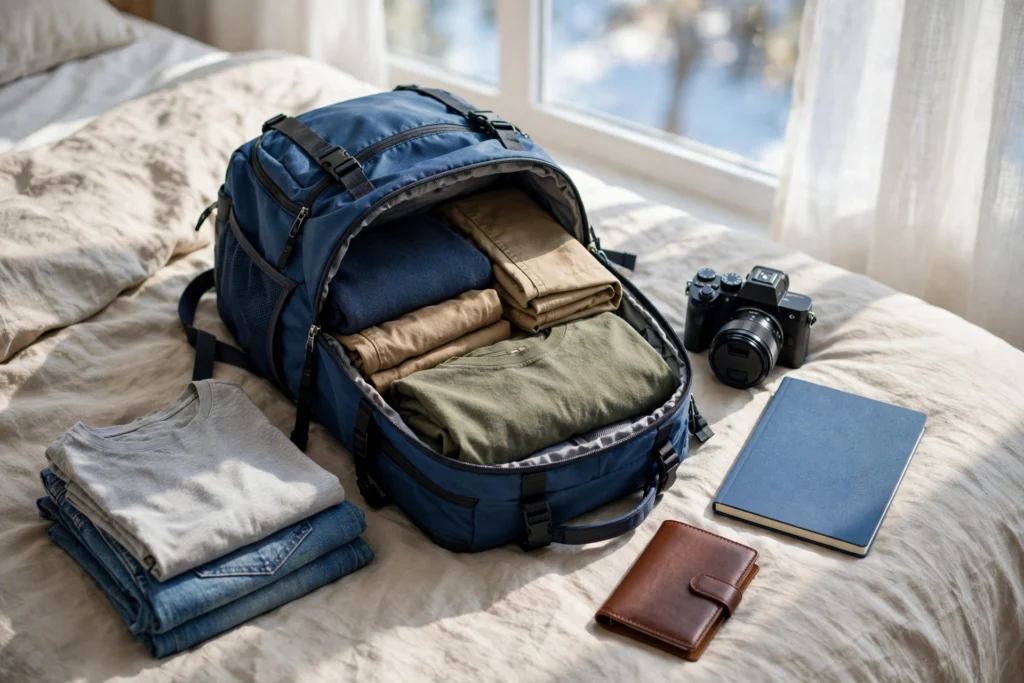
Every experience in this guide has a trap, and most of them are the same trap: booking the easy thing first and the scarce thing last, trusting an old blog post over a live source, or assuming a season lasts all year. Here are the mistakes that cost people the most, and how to avoid them.
Booking the flights before the experience
The most expensive mistake in experience travel is booking non-refundable flights and then discovering the Inca Trail permits are gone, the sleeper train is full, or the balloon flight only runs on two mornings a week. Book the scarce experience first — the permit, the cabin, the flight, the suite — and build everything else around it. If the experience is not available on your dates, change the dates, not the experience: a trip built around a substitute is a trip you will not remember.
Trusting an old blog post over a live source
Travel changes fast, and old posts are the most dangerous source in travel writing. The Boiling River in Yellowstone is the cautionary tale: it was once a famous place to soak in a hot spring, and many blogs still describe it that way — but the National Park Service states plainly that swimming is not possible there because of the impacts of the 2022 floods, and soaking in hot springs is prohibited park-wide. Check the official source before you plan around any experience, especially one involving water, wildlife or access: the National Park Service swimming page for Yellowstone, the operator’s own site for a tour, the UNESCO listing for a protected site. If the official source and a blog disagree, the official source wins. Our Yellowstone travel guide covers the park as it is now, including the geysers, the wildlife and the practical side of a visit.
Assuming the season lasts all year
The monarch butterflies leave Mexico in March. The ice hotel melts in April. The volcano tour stops at the end of October. The Uyuni mirror needs rain. None of these are year-round, and none of them will wait for you. Check the season in the month-by-month table above, and then check it again on the official source for your year — dates move, seasons shift, and a festival that was in February last year may be in March this year.
Booking the biggest group to save money
A wildlife experience with 30 people is a different experience from the same one with six. The butterflies will not come close, the glowworm cave will not be silent, and the artisan will not have time for you. Pay for the small group. It is the single best money you will spend on this kind of trip, and it is usually the difference between a memory and a photograph of a crowd.
Forgetting the paperwork
Permits, park entry, visas and travel insurance are the boring part of experience travel, and they are the part that ruins trips when they are forgotten. The Inca Trail needs a permit booked months ahead. Some countries need a visa or an entry authorisation. Travel insurance matters more on a trip with boats, horses and high altitude than on a city break. Check the entry rules on the US State Department’s travel advisories page before you go, and read our guide to how to prepare a travel budget and our travel itinerary template when you plan — they cover the money and the paperwork side that this article does not.
Packing for a holiday when you booked an expedition
An experience trip is not a beach holiday. The Inca Trail needs proper boots, the ice hotel needs thermal layers, the Amazon needs insect protection, and the salt flats need sun protection at 3,656 metres. Pack for the hardest day of the trip, not the easiest, and check the packing list in our travel packing checklist before you zip the bag.
How far ahead to book, and what it costs
The table below is a planning guide, not a price list. Cost bands are qualitative — Lower, Mid or Higher — because the same experience can cost very different amounts depending on how you travel. Lead times are the thing to take seriously: the hard-to-book experiences need months, and the easy ones can often be booked on arrival.
| Experience group | Book how far ahead | Cost band | Who it suits |
|---|---|---|---|
| Ice hotel, cliff capsule, floating camp | 3–6 months | Higher | Couples, adventure seekers, photographers |
| Volcano descent, glowworm caves, bone church | 2–4 weeks | Mid | Curious travellers, families with older children |
| Monarch butterflies, Galápagos, dog sled | 1–3 months | Mid–Higher | Wildlife lovers, photographers, families |
| Serengeti balloon, sleeper trains | 6–9 months | Higher | Special occasions, photographers, rail fans |
| Nile dahabeya, Amazon boat, Ha Long Bay | 2–4 months | Mid–Higher | Slow travellers, couples, nature lovers |
| Crafts: block printing, kembu, masks, tortillas, sushi | Days–2 weeks | Lower–Mid | Hands-on travellers, food lovers, families |
| Farmhouse dinners, foraging, home meals | 2–6 weeks | Mid | Food lovers, culture seekers |
| Dark skies, northern lights | 1–3 months | Lower–Mid | Night owls, photographers, stargazers |
| Festivals: Venice, Rio, Day of the Dead | 3–6 months | Mid–Higher | Culture lovers, photographers, party seekers |
| Ancient trails: Inca, Camino, Kumano Kodo | 3–6 months (Inca permits) | Lower–Mid | Walkers, pilgrims, patient travellers |
| From above: Cappadocia, Uyuni, Bagan | 2–4 months | Mid–Higher | Photographers, special occasions |
Frequently Asked Questions About Unique Travel Experiences
What are the most unique travel experiences in the world?
The strongest candidates are the ones that could only happen in one place: sleeping in Sweden’s ice hotel, watching monarch butterflies in Mexico from November to March, descending into Iceland’s Thrihnukagigur volcano, sleeping in a cliff capsule above Peru’s Sacred Valley, and boating through New Zealand’s Waitomo Glowworm Caves. This guide covers 30 of them, organised by kind rather than by destination.
What is the best unique travel experience for a first-timer?
The monarch butterfly migration in Mexico is the best first unique experience: it needs no special fitness, no permit booked months ahead, and no extreme weather gear — just the right month (January or February at peak) and a midweek visit. The glowworm caves in New Zealand and a Venetian mask-making workshop are equally gentle starting points.
How far in advance should I book a unique travel experience?
It depends on scarcity. Inca Trail permits, sleeper train cabins, Serengeti balloon flights and ice hotel suites need three to nine months. Crafts, farmhouse dinners and glowworm caves can often be booked days to weeks ahead. The rule is to book the scarce experience first and the flights second.
What is the cheapest unique travel experience?
The Camino de Santiago is the cheapest great journey on this list — village hostels, simple food and no ticket beyond your boots. Dark-sky stargazing costs almost nothing beyond getting to a dark place on a moonless night. A market breakfast with a local guide is the cheapest food experience, and often the best.
When is the best time to see the monarch butterflies in Mexico?
From November to March, with January and February the peak months for colony density and mass flights on warm afternoons. The sanctuaries are in Michoacán and the State of Mexico, about 100 kilometres northwest of Mexico City, and the reserve is a UNESCO World Heritage site.
When is the best time to visit the Uyuni salt flats?
It depends what you want. The mirror effect needs the rainy season, roughly December to April, with January and February the most reliable months. The dry season, roughly May to November, gives you the hard white hexagonal crust and full access to the whole circuit. Neither is guaranteed on any specific date — the mirror depends on recent rain and on wind.
Is the Icehotel open all year?
The seasonal winter building stands from about mid-December to mid-April, then melts back into the Torne River. The permanent ICEHOTEL 365 wing keeps ice rooms available through the summer, so you can sleep on ice year-round — but the full winter building, with its carved suites and ice bar, is a December-to-April experience.
Do I need a permit for the Inca Trail?
Yes. Permits are capped each day, they sell out months ahead, and the trail closes every February for maintenance. Book the permit before flights and hotels. If the permits are gone for your dates, the Salkantay trek is the honest alternative — longer, higher and without the permit limit.
What is the best unique travel experience for families?
The glowworm caves in New Zealand, a farmhouse dinner in Iceland, tortilla-making in Oaxaca and a Venetian mask-making workshop all work well with children. The volcano descent in Iceland takes children from age 8. Avoid the long high-altitude treks and the cliff capsules with younger children.
Are unique travel experiences safe?
Most are, when booked through a reputable local operator and with the season respected — but they carry more risk than a city break, because they involve boats, horses, altitude, cold and remote places. Check the official source for current conditions, read the US State Department’s travel advisories for your destination, and take travel insurance that covers the activities you are actually doing.
How do I find unique travel experiences that are not tourist traps?
Start with the local tourism organisation and community-run operators, not a booking site. Ask who runs it, how big the group is, who benefits and what happens if the weather turns. The best experiences are usually the least advertised, and a “small group” of 20 people is not small.
Can I do a unique travel experience on a budget?
Yes. The Camino, dark-sky stargazing, a market breakfast with a local guide and a home-cooked meal through a community listing are all low-cost. The expensive part of most of these experiences is getting there — so pick one that fits a trip you are already taking, rather than flying across the world for a single afternoon.
Conclusion: Pick the Experience, Then Pick the Trip
The best trips are not built around a destination. They are built around a moment: the morning the butterflies rise off the trees, the night the sky fills with green light, the hour you descend into a volcano, the dinner you cooked yourself over a fire in a Swedish forest. Pick one experience from this guide — one that passes the only-here test, that has a real season, and that asks something of you — and build the trip around it. Book the scarce thing first, check the season on an official source, travel with a local host, and give yourself enough days for the weather to cooperate. The destination will take care of itself. The experience is the trip.
People also read:
- Dream Travel Destinations
- Best Travel Destinations
- Fun Places to Travel in the US
- Travel Bucket List
- Best Places to Travel in January
- Luxury Travel Destinations
- Christmas Travel
- Morocco Travel
- Tanzania Travel Guide
- Ecuador Travel Guide
- Yellowstone Travel Guide
- How to Make a Travel Journal

M. Adil is the founder and editor of SoloTravelPro. He writes practical, research-based travel guides that help travellers plan with confidence — from first-time city breaks to national parks and island escapes. Every guide is built on official sources, current prices and honest, usable advice, so readers can plan smarter and travel better.

Other Articles
One Comment
Comments are closed.

[…] things to do before you die. If you want inspiration for once-in-a-lifetime ideas, our guide to unique travel experiences already does that job. What this guide does instead is teach you the method: how to define what a […]