Travel Experience: How to Plan a Trip Around Experiences, Not Just Sights (2026–27)
A great travel experience is not a list of places you stood in front of. It is a trip planned around the things you actually do, the people you meet, the food you taste, the skills you try and the quiet moments in between — and this guide shows you how to plan a trip that way, step by step, from choosing your experiences first to budgeting for them, fitting them into a realistic itinerary and remembering them long after you are home.
Most trips are planned backwards. Travellers pick a destination, then fill the days with famous sights, then wonder why the holiday felt rushed and forgettable even though the photos look good. A travel experience planned the other way round starts with a different question: what do you want to feel, learn, taste or do? When the experiences come first, the destination, the dates, the hotel and the budget all fall into place around them — and the trip has a shape you can remember, not just a list you can tick off.
This is a planning guide, not a bucket list. It will not hand you thirty things to do before you die. If you want inspiration for once-in-a-lifetime ideas, our guide to unique travel experiences already does that job. What this guide does instead is teach you the method: how to define what a travel experience really is, how to choose the kinds that fit you, how to build an itinerary around them, how to pay for them without overspending, how to find the local people who make them real, and how to travel in a way that leaves the place better than you found it. The method works for a long weekend or a month-long journey, for a beach break or a mountain trek, and for every budget — because experiences are not bought by the size of the wallet, but by the quality of the planning.
What a Travel Experience Really Is (and What It Is Not)
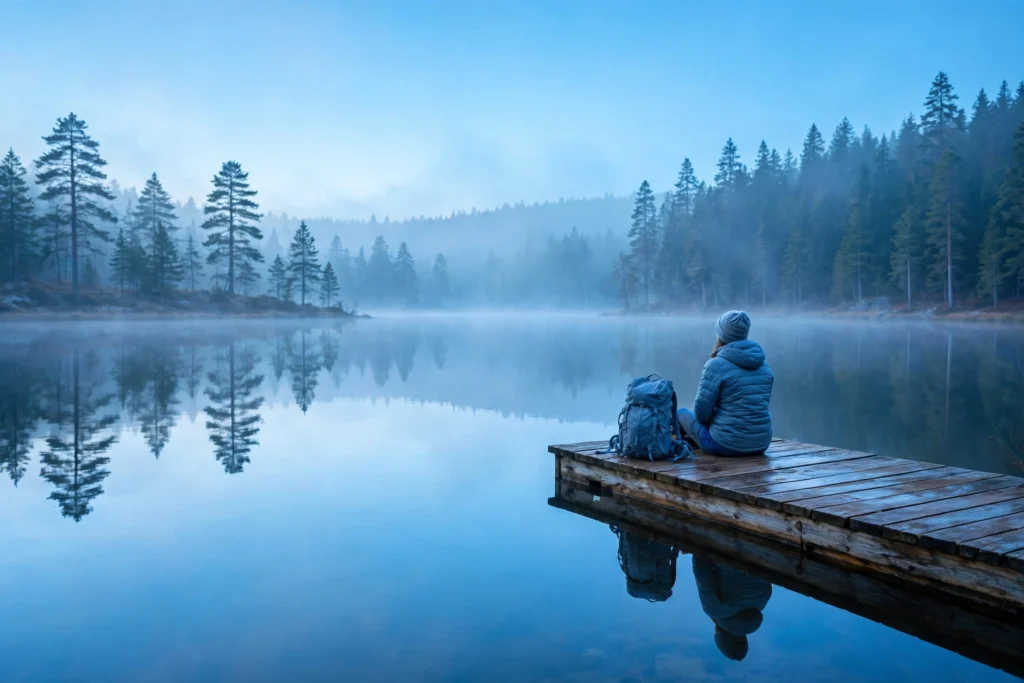
A travel experience is something you take part in, not something you look at. Standing outside a famous cathedral and taking a photograph is sightseeing. Sitting inside it while a choir rehearses, listening to the music rise under the stone arches and feeling the cold of the pew under your hands, is a travel experience. The difference is participation. One fills a camera roll; the other fills a memory.
That distinction matters because the two kinds of travel are planned in completely different ways. Sightseeing is planned by geography: what is near what, what opens when, how long the queue is. A travel experience is planned by involvement: what will you do with your hands, who will you talk to, what will you learn, what will surprise you? A cooking class, a dawn walk with a local guide, a night in a family-run guesthouse, an afternoon learning a craft from the person who has practised it for forty years — these are experiences because you are inside them, not outside them looking in.
The three ingredients every real experience shares
Every memorable travel experience, whatever its shape, seems to share three ingredients. The first is presence: you are actually there, paying attention, phone down, senses open. The second is connection: with a person, a place, a tradition or a landscape — something beyond yourself. The third is a small element of the unknown: you do not know exactly how it will turn out, and that uncertainty is part of the pleasure. A guided walk that follows a script word for word can still be pleasant, but it rarely becomes a story you tell for years. The walk where the guide takes you down a side street because the bakery there has just taken its bread out of the oven — that is the one you remember.
What a travel experience is not
It is worth clearing away a few misunderstandings, because they lead travellers to spend money on the wrong things. A travel experience is not the same as a luxury purchase. A five-star hotel room is comfortable, but comfort is not the same as meaning; some of the most vivid travel memories come from the simplest settings — a shared meal, a night train, a morning market. It is not the same as an extreme activity either. You do not need to jump out of an aeroplane or climb a mountain to have a real experience; learning to make bread in a village kitchen can be just as deep, and for many people it is deeper, because it connects you to daily life rather than to adrenaline.
It is also not the same as a photograph. A place can be beautiful and still leave you untouched if you only passed through it. Many travellers return from famous viewpoints with perfect pictures and almost no memory of being there, because they spent the whole visit framing the shot. The camera is a wonderful tool for remembering, and this guide has a whole section on using it well — but a travel experience is measured by what you felt and learned, not by what you captured.
Why the definition changes how you plan
Once you accept this definition, planning changes completely. Instead of asking “what should I see?”, you ask “what do I want to do, learn, taste and feel?” Instead of filling every hour, you leave room for the unplanned, because the best experiences often arrive uninvited. Instead of choosing a hotel by its star rating, you choose it by what it puts you next to — a market, a harbour, a trailhead, a neighbourhood where people actually live. The rest of this guide works through each of those decisions in order, so that by the end you have a trip built around experiences from the first morning to the last evening.
Why Experience-First Travel Works Better Than Sightseeing
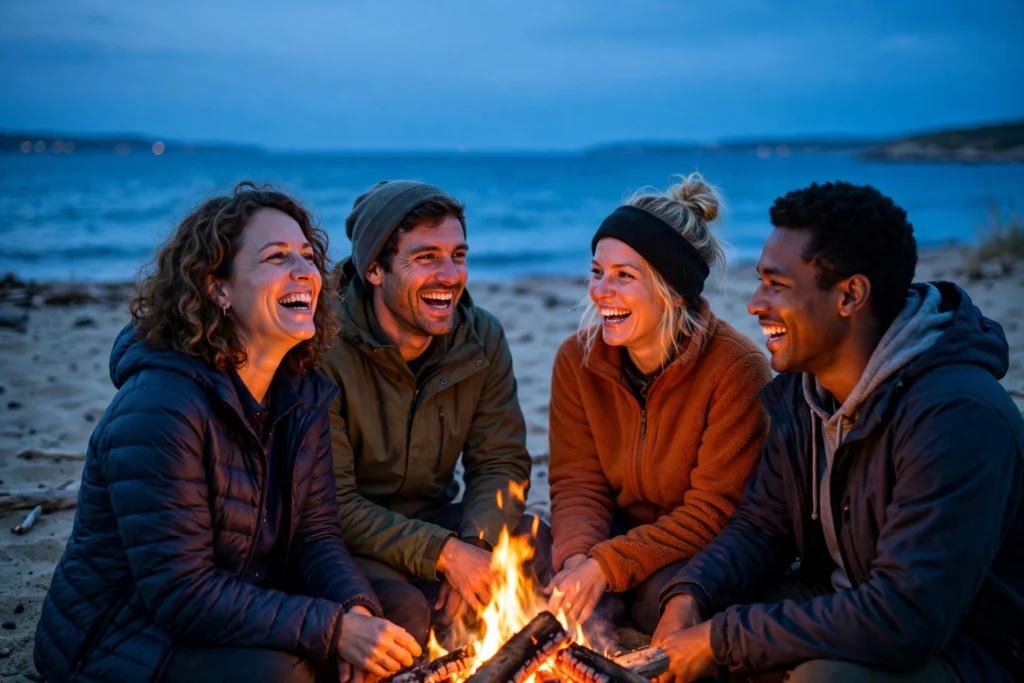
There is a simple reason experience-first travel leaves people more satisfied than sightseeing: it is supported by research, not just by travel writing. In a study published in the Journal of Personality and Social Psychology in 2003, psychologists Leaf Van Boven and Thomas Gilovich of Cornell University found that people reported greater happiness from experiential purchases — things done with the primary intention of acquiring a life experience — than from material purchases. A later study by Kumar, Killingsworth and Gilovich in 2020 found the same pattern in moment-to-moment happiness: spending on doing beat spending on having, in prospect and in retrospect — the study is recorded in the American Psychological Association’s database as “Spending on doing promotes more moment-to-moment happiness than spending on having”. The researchers put it down to three things: experiences strengthen social relationships, they become a bigger part of who we are, and they invite fewer comparisons with what other people have. That is exactly what a good trip feels like — and it is a useful test for every spending decision on your next holiday. If a purchase builds a memory, a skill or a relationship, it is probably worth more than something that only fills a suitcase.
Sightseeing burns out; experiences build up
A sightseeing trip has a built-in problem: it is tiring in a way that does not feel rewarding. Each famous place demands the same effort — travel there, queue, look, photograph, leave — and by the third or fourth day the sights blur together. Travellers often come home exhausted and oddly empty, with a hundred photos they cannot tell apart. Experience-first travel works differently because each day has a different texture. One day you are learning, the next you are tasting, the next you are walking, the next you are resting. The variety keeps your attention fresh, and because you are doing things rather than collecting them, the days stay distinct in your memory. A week built around four or five real experiences is easier to remember than a week built around forty sights.
Experiences are harder to compare — and that is a gift
One of the quiet miseries of modern travel is comparison. Social feeds make it easy to feel that someone else’s trip was better, bigger or more impressive than yours. Research on experiential purchases suggests experiences suffer less from this, because they are evaluated on their own terms: your morning in a fishing village is not competing with anyone else’s morning, because it was yours. A sightseeing trip, by contrast, is easy to rank — who saw more, who went further, who got the better photograph. Planning around experiences takes you out of that race. Your trip does not need to be the most impressive trip anyone has taken. It needs to be the one that meant something to you.
The comparison table: two ways to spend the same week
| Sightseeing-first trip | Experience-first trip | |
|---|---|---|
| Daily plan | A list of famous places, timed to opening hours | One anchor experience per day, with open time around it |
| Pace | Fast, with travel between sights eating the day | Slower, with time to linger, talk and rest |
| Best memories | Photographs of landmarks | Moments: a meal, a conversation, a skill learned |
| Spending | Entry fees, transport between sights, souvenirs | Classes, guides, local food, small workshops |
| Energy by day 4 | Tired, sights blurring together | Still curious, because each day feels different |
| Stories on return | “We saw the cathedral and the museum” | “We learned to make bread with a baker who…” |
| What you bring home | Photos and souvenirs | Skills, recipes, contacts, a journal full of detail |
Experiences make a trip personal
Two travellers can visit the same city and have completely different trips. One follows the famous route and sees what everyone sees. The other takes a morning market walk, joins a cooking class, spends an afternoon with a local craftsperson and an evening at a neighbourhood festival. They were in the same place, but they did not have the same travel experience. That is the point: an experience-first trip reflects the person taking it. It is shaped by your interests, your energy, your curiosity and the people you meet along the way. That is why no two experience-first trips look alike, and why they are so much more satisfying to remember — and to tell other people about.
The hidden benefit: slower spending, better value
Experience-first travel is often cheaper than it looks, because it replaces expensive, low-value spending with focused, high-value spending. A sightseeing trip leaks money on transport between scattered sights, on entry fees for places you rush through, and on souvenirs bought out of habit. An experience-first trip spends money where it matters: a good guide for half a day, a cooking class, a meal in a family-run restaurant, a night in a guesthouse where the host teaches you something about the place. You spend less on moving around and more on the moments themselves. The budgeting section later in this guide shows exactly how to split the money so that experiences get the share they deserve.
The 7 Types of Travel Experiences Worth Planning Around
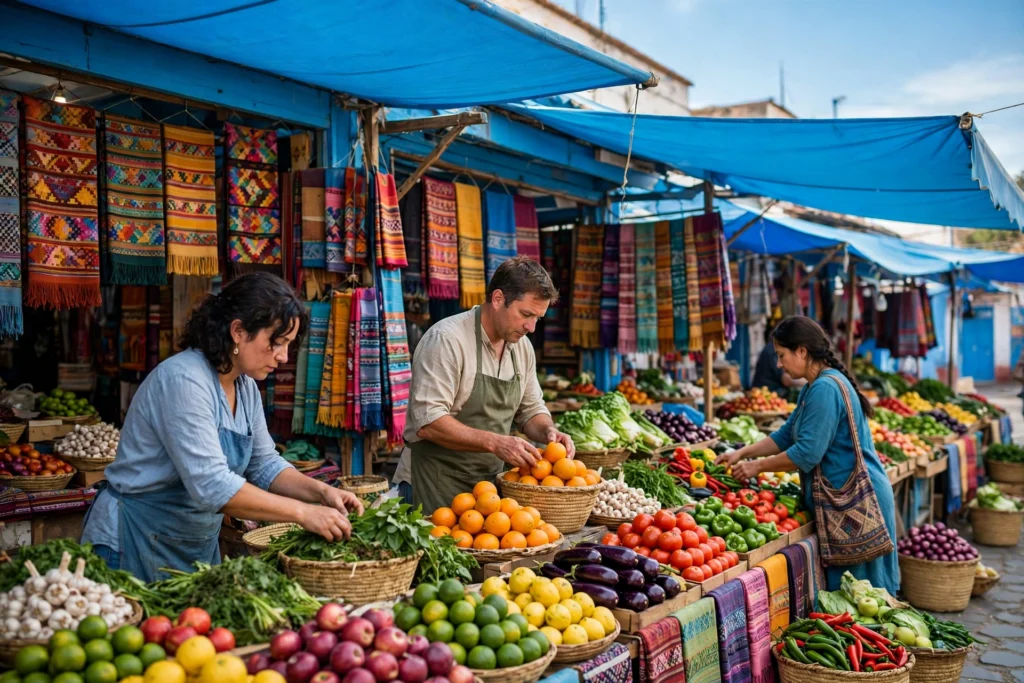
Every travel experience fits, loosely, into one of seven types. Knowing the types helps you build a balanced trip: most travellers naturally lean towards two or three of them, and the best trips mix a strong favourite with one or two supporting types so that no two days feel the same. Use the table below as a menu, not a test — there is no type you must include, and no type that is better than the others.
Cultural immersion
Cultural immersion means stepping inside the daily life of a place: its language, festivals, crafts, music and routines. It can be as simple as joining a morning market walk, attending a local festival, or spending an afternoon in a workshop watching a craftsperson at work. The key is participation rather than observation. A festival watched from behind a barrier is sightseeing; a festival where you are invited to join the dancing, share the food and talk to the people celebrating is a travel experience. Cultural immersion rewards travellers who are patient and respectful: learn a few words of the local language, ask questions, accept invitations, and accept that you will sometimes misunderstand things. That is part of the experience.
Food and drink
Food is the fastest route into a culture, because it engages every sense at once. A food travel experience can be a cooking class, a street-food walk with a local guide, a morning in a market learning to choose produce, a tasting at a family vineyard, or simply a long lunch in a restaurant where the menu changes with the season. The difference between eating well and having a food experience is the story behind the plate: who grew it, who cooked it, why it is made that way. Travellers who plan one or two real food experiences per trip — a class, a market morning, a guided tasting — usually remember the food long after they have forgotten the restaurants.
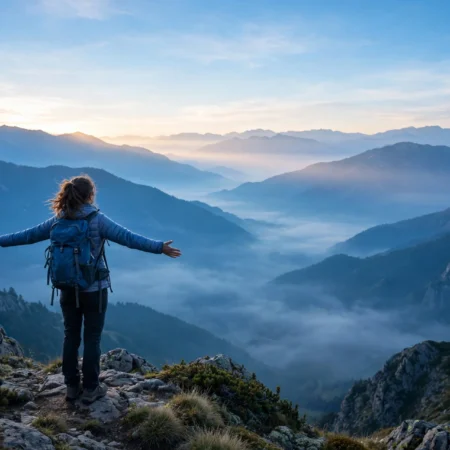
Adventure and the outdoors
Adventure experiences use the body: hiking, kayaking, cycling, snorkelling, climbing, horse riding, or simply walking a long trail through wild country. They are the most physical of the seven types, and they produce a particular kind of memory — the tired legs, the cold water, the view earned by effort. Adventure needs more planning than the other types: fitness, weather, safety, equipment and a realistic sense of your own limits all matter. A good adventure experience is one that stretches you without frightening you, and it is almost always better with a qualified local guide who knows the terrain and the conditions.
Nature and wildlife
Nature experiences are about paying attention to the living world: watching wildlife in its own habitat, walking through a forest with a naturalist, stargazing far from city lights, or spending a morning in a botanical garden learning the names of plants. These experiences reward slowness and quiet — the opposite of rushing between viewpoints. They also carry the heaviest responsibility: wildlife should be observed from a distance, never fed or chased, and never touched. A wildlife encounter arranged through a reputable local operator, in a place where animals are free and undisturbed, is worth far more than any captive display. The responsible-travel section of this guide explains how to tell the difference.
History and heritage
History experiences bring the past to life: walking a ruined city with an archaeologist, exploring a living museum, tracing a historic trade route, or spending a day in a place listed for its cultural value. UNESCO’s World Heritage List now holds 1,273 properties — 991 cultural, 240 natural and 42 mixed — across 173 countries, and it is a useful starting point for finding places where history is protected and explained rather than merely displayed. But heritage is not only about famous sites. A small village church, a restored mill, a family home turned into a museum — these quieter places often teach more, because they show how ordinary people lived. The best history experiences pair a place with a storyteller: a guide, a local historian, or a resident who remembers how things used to be.
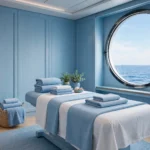
Wellness and rest
Wellness experiences are built around recovery: thermal baths, a yoga retreat, a slow week in a coastal village, a spa day after a long hike, or simply a trip designed around sleep, good food and unhurried mornings. They are often undervalued by travellers who feel they must be doing something every minute — but rest is an experience too, and a trip that includes it is usually remembered more fondly than one that does not. Wellness works best when it is woven into the trip rather than bolted on: a rest day between two active days, a quiet morning before a busy afternoon, a stay in a place that is peaceful by design.
Creative and hands-on
Creative experiences involve making something: pottery, weaving, painting, photography, music, woodwork, bread, cheese — any craft that leaves you with something you made yourself. These are among the most satisfying travel experiences because they produce a physical reminder of the trip and a skill you take home. A two-hour workshop can change how you see a place: after you have tried to throw a pot on a wheel, you understand the craftsperson’s patience in a way no museum label can teach. Creative experiences also suit travellers of every age and fitness level, and they are a good choice for mixed groups, because everyone works at their own pace.
| Type | What it looks like | Who it suits | Planning note |
|---|---|---|---|
| Cultural immersion | Market walk, festival, craft workshop, language exchange | Curious, patient travellers | Book small-group or private; learn a few local phrases first |
| Food and drink | Cooking class, street-food walk, tasting, market morning | Everyone — the easiest type to start with | Book early in the trip so you can use what you learn |
| Adventure and outdoors | Hiking, kayaking, cycling, climbing, snorkelling | Active travellers | Check fitness, weather and guide qualifications first |
| Nature and wildlife | Wildlife watching, forest walk, stargazing, garden visit | Patient, quiet observers | Choose operators that keep animals wild and free |
| History and heritage | Guided ruins, living museums, heritage towns | Readers, history lovers | Pair the place with a storyteller, not just a ticket |
| Wellness and rest | Thermal baths, retreat, slow coastal week, spa day | Tired travellers, couples, anyone recharging | Build rest days into the itinerary, not around it |
| Creative and hands-on | Pottery, weaving, painting, photography, bread-making | Makers, families, mixed groups | Two hours is enough; you take home a skill and a keepsake |
How to Choose the Experiences That Fit You
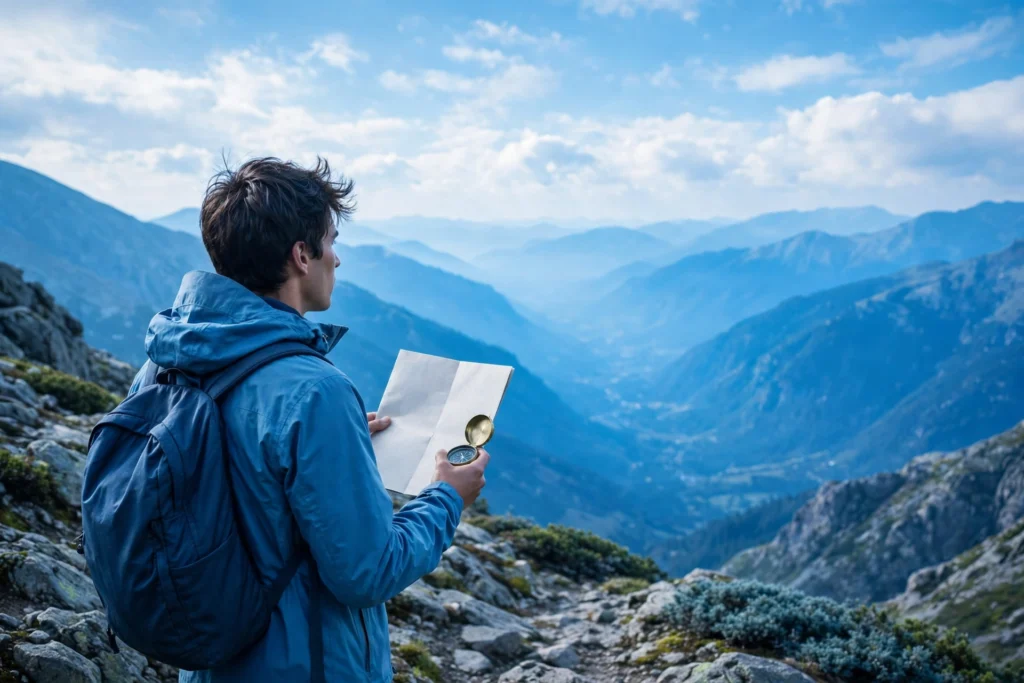
The most common mistake in experience-first travel is copying someone else’s list. A travel experience that thrilled your friend may bore you, and an experience that changed your friend’s life may leave you cold — because the fit is personal. Choosing well starts with an honest look at yourself, not at a list of “must-dos”. Spend an hour with these questions before you book anything, and the trip almost plans itself.
Start with energy, not interests
Interests are a useful guide, but energy is a better one. Some travellers wake up hungry for activity and grow restless after an hour of sitting still; others need a slow morning and come alive in the late afternoon. Some people love crowds and noise; others find a busy festival draining after twenty minutes. Ask yourself: when was the last time you felt truly absorbed in something, and what were you doing? Was it physical, creative, social, quiet? That feeling is your compass. A travel experience that matches your energy will feel effortless; one that fights it will feel like work, however famous it is.
The five-question filter
Run every candidate experience through five questions before it earns a place in your trip. First, will I be doing something, or only watching it? Doing beats watching almost every time. Second, will I meet a local person who knows this well, or will I be on my own with an audio guide? A human guide beats a recording. Third, will I learn something I can take home — a skill, a recipe, a phrase, a way of seeing? Fourth, does it fit the season and the place, or am I forcing it? A harvest experience belongs in harvest season. Fifth, would I still want to do it if nobody ever saw a photograph of it? If the answer is yes, it is a real experience; if the answer is no, it may be a performance for other people, and you can probably skip it.
Match experiences to your travel companions
A travel experience that fits one person can fail a group. Families with children need experiences with room to move, short durations and something hands-on — a farm visit, a craft workshop, a boat trip — rather than long lectures or delicate settings. Older travellers may prefer experiences with seating, shade and a relaxed pace. Friends travelling together should each pick one anchor experience, so everyone has a day that feels like theirs. And if you are travelling with someone whose tastes differ from yours, plan one experience a day together and leave the rest open, so each person can follow their own curiosity without dragging the other along. The best group trips are not the ones where everyone does everything together; they are the ones where everyone comes back to dinner with a different story.
How many experiences does a trip need?
Fewer than you think. A good rule is one anchor experience per day, and no more than two on any day. An anchor experience is the main thing the day is built around — a class, a guided walk, a boat trip, a market morning. Everything else in the day is supporting material: a walk, a meal, a rest, a wander. A seven-day trip built around five or six anchor experiences, with a rest day in the middle, will feel richer than a seven-day trip crammed with fourteen. The reason is simple: experiences need space around them. The conversation after the cooking class, the slow walk home from the workshop, the hour in a cafe writing down what you learned — these are part of the experience too, and a packed schedule squeezes them out.
Keep a shortlist, not a bucket list
Instead of a bucket list of fifty things, keep a shortlist of ten experiences you genuinely want, ranked by how much they matter to you. Then plan the trip around the top three. The rest stay on the list for next time — and having a next time is part of the pleasure. Travellers who try to do everything in one trip usually enjoy it less than travellers who do a few things properly and leave the rest for a return visit. If you need help turning a vague wish into a plan, our guide to how to find travel inspiration is a good place to start, and our travel bucket list can help you sort the dreams worth keeping from the ones worth letting go.
Picking a Destination Around Experiences, Not the Other Way Round
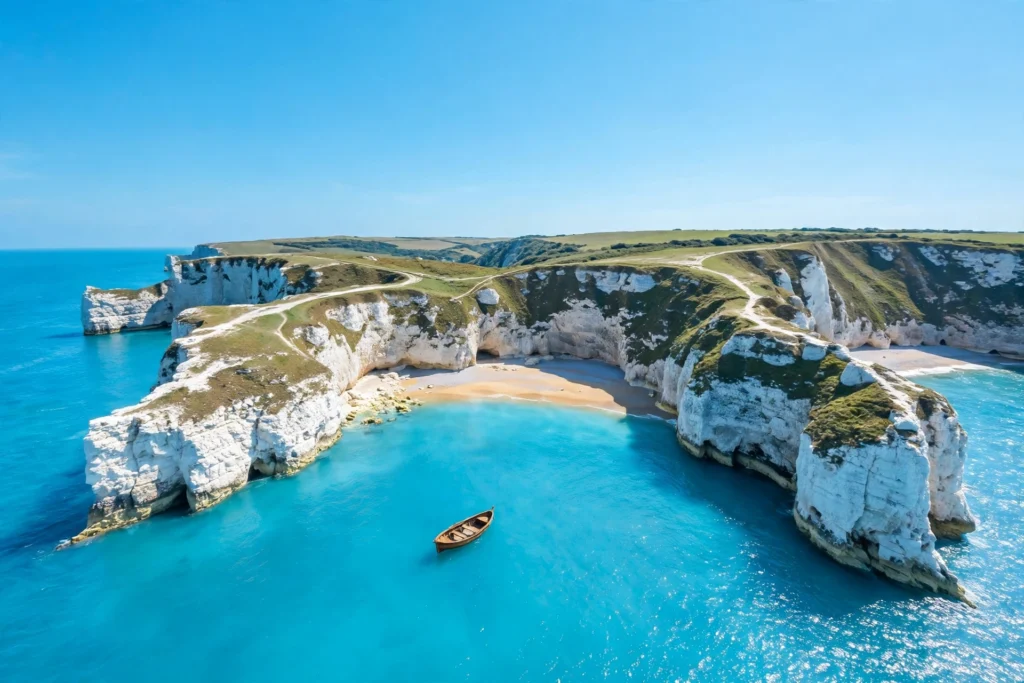
Most people choose a destination first and then look for things to do there. Experience-first travel reverses the order: choose the experiences, then find the place where they are at their best. The difference sounds small, but it changes everything about the trip — including where you go, when you go, and how much you enjoy it.
Let the experience choose the place
Start with your shortlist from the previous section. For each experience, ask where in the world it is most alive. A cooking class exists everywhere, but learning to cook with a family in their own kitchen, using ingredients from their own market, is a different experience in a place where food is central to daily life. A wildlife experience is best where the animals are genuinely wild and the habitat is protected. A craft workshop is best where the craft is still practised every day, not performed for visitors. Once you know what you want to do, the destination often suggests itself — and it is sometimes a place you had never considered. Travellers who plan this way often end up somewhere surprising, and that surprise is part of the reward.
Season matters more than destination
The same place in different seasons can offer completely different travel experiences. A coastal town in summer is about swimming and festivals; the same town in autumn is about harvests, quiet walks and long lunches. A mountain valley in spring is about wildflowers and melting snow; in winter it is about snow, silence and firesides. Before you fix your dates, check what your chosen experiences need: harvests happen once a year, festivals have fixed dates, wildlife moves with the seasons, and some mountain passes are only open for a few months. A good experience at the wrong time of year is a poor experience. If your dates are fixed, choose experiences that suit those dates; if your experiences are fixed, choose dates that suit them. Our guide to the best places to travel in January shows how much the calendar changes what a place can offer.
How long do you actually need?
Experience-first trips need enough days for the experiences to breathe. A weekend can hold two anchor experiences comfortably; a week can hold five or six; a fortnight can hold a deeper rhythm, with rest days and repeated visits to a favourite place. The mistake is to add destinations instead of adding days. Two towns in five days, each with its own experiences, will always beat four towns in five days, because every move costs a day: packing, checking out, travelling, checking in, finding your feet. As a rule, stay at least two nights everywhere you sleep, and three nights where your best experiences are. If you want ideas for where those nights could be spent, our dream travel destinations and best travel destinations guides are good starting points — but let your experience shortlist have the final say.
The destination test: three questions
Before you commit to a place, ask three questions. First, does it offer at least two experiences from your shortlist at their best? One is not enough to justify the journey. Second, can you get there and move around without the travel itself eating the trip? A destination that needs three connections and a long drive may still be worth it, but only if the experiences are exceptional. Third, is it safe and practical for you right now? Check the official travel advice for the country before you book — the US State Department publishes a travel advisory for every destination, graded from Level 1 (exercise normal precautions) to Level 4 (do not travel), and it is the first place to look when you are weighing a new destination. If the advisory gives you pause, choose another place where the same experiences exist; the world is large, and most experiences have more than one home.
When the destination chooses you
Sometimes the order reverses for a good reason: a wedding, a family visit, a work trip, a cheap flight. That is fine — experience-first planning still works. Arrive with a shortlist of experiences that fit the place you are already going to, and build the days around them. A business trip with one free day can still hold a morning market walk and a cooking class. A family visit can still include a guided walk you would never have found on your own. The method does not demand a blank map; it only asks that, wherever you are going, the experiences come before the sights.
How to Build an Experience-First Itinerary
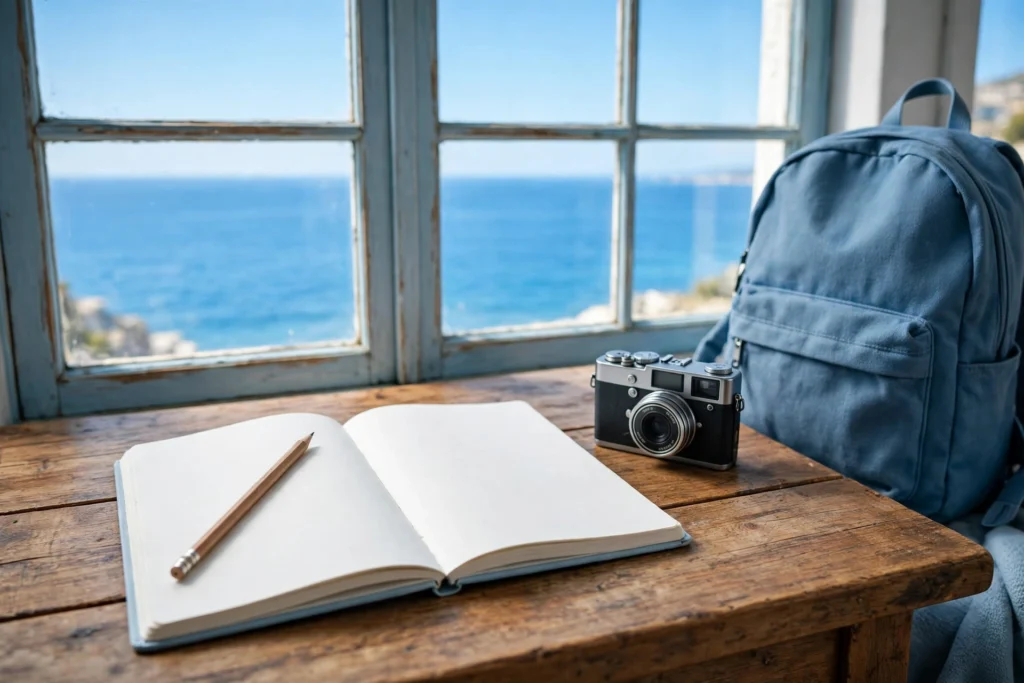
An experience-first itinerary looks different from a normal one. A normal itinerary is a list of places with times attached. An experience-first itinerary is a rhythm: anchor experiences, open time, rest, and room for the unexpected. Building it is a skill, and like any skill it gets easier with practice. Here is the method, step by step.
Step 1: Anchor one experience per day
Take your shortlist and place one anchor experience on each full day of the trip. Put the most important experience on the day when you will be freshest — usually the second or third day, once you have settled in but before tiredness sets in. Put the most physical experience on a day with good weather in the forecast, if you can. Put the experience that needs the most advance booking first, and build the rest of the trip around its date. Leave one day in the middle with no anchor at all: a rest day, a wandering day, a day for whatever you discover once you are there. That empty day is not wasted time. It is the day the trip often becomes memorable.
Step 2: Build the day around the anchor
An anchor experience usually takes two to four hours. The rest of the day is yours to shape. A good day has three parts: the anchor, a slow meal, and something gentle — a walk, a swim, an hour in a cafe with your journal. A bad day has five things crammed together, each rushed, none enjoyed. When you plan the day, ask what the anchor needs around it. A dawn wildlife walk needs an early night before it and a restful afternoon after it. A cooking class needs a hungry morning and an evening free to enjoy what you made. A long hike needs a light day before it and a comfortable bed after it. Plan the support, not just the event.
Step 3: How much time experiences really take
Travellers regularly underestimate how long experiences take, because they count only the activity itself and forget the travel, the waiting and the recovery. Use the table below as a planning guide — the times include getting there, settling in and coming back, not just the activity.
| Experience | Typical time, door to door | Best time of day | Book ahead? |
|---|---|---|---|
| Morning market walk with a local guide | 2–3 hours | Early morning, when markets open | A day or two ahead |
| Hands-on cooking class | 3–4 hours | Late morning or late afternoon | A week ahead in peak season |
| Guided nature or wildlife walk | 3–5 hours | Dawn or late afternoon | A week ahead; dawn starts need early booking |
| Craft workshop (pottery, weaving, painting) | 2–3 hours | Mid-morning or afternoon | A few days ahead |
| Full-day hike or kayaking trip | 6–8 hours | Start early, finish by late afternoon | A week or more ahead |
| Food tasting or vineyard visit | 2–3 hours | Late morning or early evening | A few days ahead |
| Festival or cultural performance | 2–4 hours | Evening, or as scheduled | Often weeks ahead; festival dates are fixed |
| Thermal baths or wellness session | 2–3 hours | Morning or late afternoon | A day ahead, or walk in where allowed |
Step 4: A sample 7-day experience-first itinerary
Here is what the method looks like in practice, for a week in a coastal town with a market, a craft tradition, hills behind it and a harbour. The destinations change; the rhythm stays the same. Notice the rest day, the single anchor per day, and the open evenings.
| Day | Anchor experience | Pace | Notes |
|---|---|---|---|
| Day 1 — Arrive | Evening walk and a slow dinner near your stay | Gentle | No anchor; settle in, learn the streets, sleep well |
| Day 2 — Taste | Morning market walk with a local guide | Easy | Buy ingredients; eat lunch from the market stalls |
| Day 3 — Make | Hands-on cooking class in the late morning | Easy | Afternoon free; evening to enjoy what you cooked |
| Day 4 — Rest | No anchor — wander, read, swim, do nothing | Slow | The empty day; let the place surprise you |
| Day 5 — Explore | Guided hike in the hills behind the town | Active | Early start; comfortable dinner and an early night |
| Day 6 — Create | Morning craft workshop with a local maker | Easy | Afternoon to finish your piece and pack it safely |
| Day 7 — Remember | Sunrise harbour walk, then a long farewell lunch | Gentle | Leave time to write down the week before you go |
Step 5: Leave gaps on purpose
The hardest part of experience-first planning is leaving gaps. A gap is not a failure of planning; it is the space where the unplanned experience lives. The cafe owner who invites you to a family celebration. The fisherman who offers you a place on his morning boat. The street you wander down because it looked interesting, and the tiny workshop you find at its end. None of these can be booked, and none of them happen if every hour is already spoken for. Leave at least two unplanned hours in every day, and one whole unplanned day in every week. If nothing fills them, you have had a rest — and rest, as the wellness section explains, is an experience too.
Step 6: Write it down, then hold it lightly
A written itinerary is worth having: it keeps bookings straight, reminds you of addresses and times, and stops you forgetting the things you were looking forward to. Our travel itinerary template gives you a ready-made structure for laying the week out day by day. But once the trip begins, hold the plan lightly. If an experience runs long because it is wonderful, let it run long. If the weather turns, swap the days around. If a local person suggests something better than your plan, take their suggestion. The itinerary is a servant, not a master — its job is to make the experiences happen, not to replace them.
Slow Travel: The Skill That Makes Experiences Happen
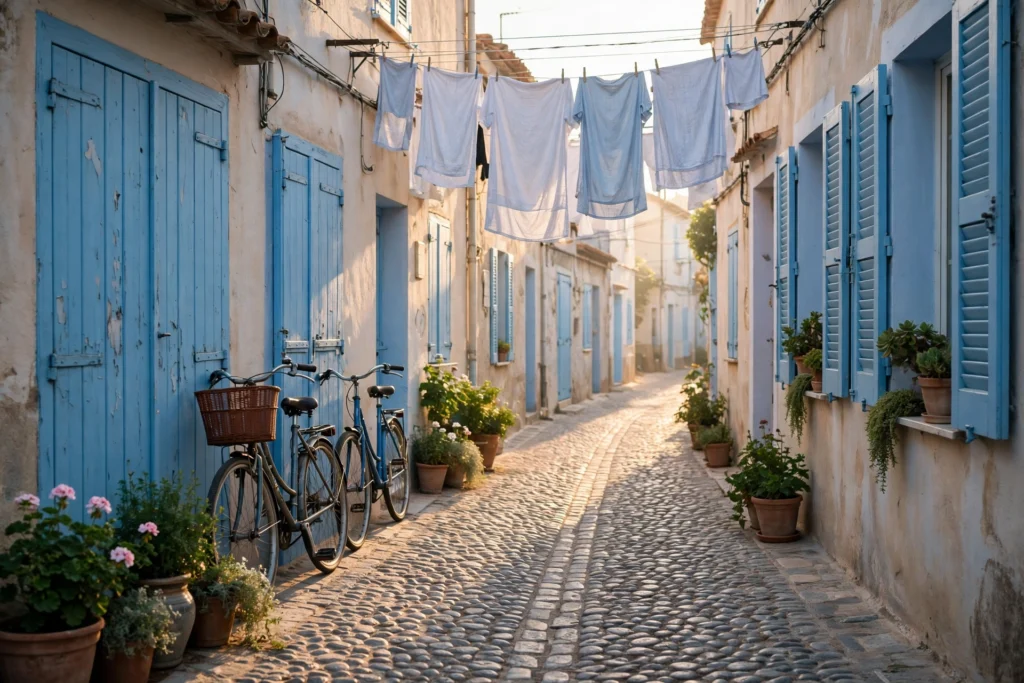
Slow travel is not a type of trip. It is a skill — the ability to stay in one place long enough for it to open up to you. It is also the single most important skill in experience-first travel, because almost every real travel experience needs time that a rushed trip cannot give it. A guide will not tell you the good stories on the first walk. A market vendor will not show you the best produce to a stranger in a hurry. A neighbourhood will not reveal its rhythms to someone who is only passing through. Time is the price of depth, and slow travel is how you pay it.
What slow travel actually means
Slow travel does not mean doing nothing. It means doing fewer things, more deeply, in fewer places. It means staying three nights instead of one, walking instead of taking a taxi, eating in the same small restaurant twice, and returning to the same cafe in the morning so the owner starts to recognise you. It means choosing a train over a flight when the journey itself is worth having, and choosing a neighbourhood over a hotel district when you want to see how people live. The test is simple: at the end of the day, can you describe something about the place that you could not have learned from a guidebook? If you can, you travelled slowly enough.
The first 24 hours are the slowest
The first day in a new place is always the slowest, because everything is unfamiliar. That is not a problem; it is an opportunity. Use the first day to learn the basics: where the market is, which streets are lively in the evening, where the locals eat, how the buses work, what time things open and close. Walk without a destination. Sit in a square and watch. Buy bread from a bakery and eat it on a bench. These small acts are not wasted time — they are orientation, and they make every later experience better, because you arrive at it already knowing the place a little. Travellers who rush the first day spend the rest of the trip catching up.
Slow travel and the people you meet
People are the heart of most travel experiences, and people need time. A guide who has spent a morning with you will show you things they would never show a group that arrived ten minutes ago. A host who has shared two breakfasts with you will tell you stories they would not tell a stranger. A craftsperson who sees you return for a second look will invite you behind the counter. None of this happens on a schedule that allows forty-five minutes per sight. If you want the human side of a place — and that is where the best experiences live — you have to give people a reason to trust you with it, and the reason is usually that you stayed long enough to be more than a passing face.
Slow travel is not always possible — and that is fine
Not every trip can be slow. Sometimes you have three days, not three weeks, and the only honest choice is to go slowly within those three days: one base, one anchor experience a day, no packing and unpacking, evenings free. Even a short trip benefits from the slow-travel mindset: choose depth over breadth, stay in one place, and let the experiences come to you instead of chasing them across a map. A long weekend spent properly in one town will give you more real travel experiences than a week spent racing through four of them. The principle scales to any length of trip; only the number of experiences changes.
Practical slow-travel habits
A few habits make slow travel easy. Stay in one place for at least two nights, and three where your best experiences are. Walk as much as you can — walking is the slowest form of transport, and therefore the one that shows you the most. Eat at the same place twice if you liked it; regulars get better recommendations than strangers. Learn the local greetings and use them; a few words of the language open doors that money cannot. Keep one morning a week completely free, with no plan at all, and see what the place offers you. And resist the urge to add “just one more” sight to a day that is already full — the day is full because it already holds something good.
How to Budget for Experiences Without Overspending

Experience-first travel can cost less than sightseeing, but only if you budget for it on purpose. The danger is not the experiences themselves — it is the spending around them. A trip that pays for a cooking class and then wastes money on taxis, overpriced meals near famous sights and souvenirs nobody wanted is not an experience-first trip; it is a sightseeing trip with a class attached. The method below keeps the money where it matters.
Decide the experience share first
Before you price anything else, decide what share of your total trip budget will go to experiences: classes, guides, tastings, workshops, entry to the places that matter. A useful starting point is one quarter to one third of the on-the-ground budget, not counting flights. On a modest trip that share buys a few well-chosen experiences; on a comfortable trip it buys more, or better ones. The exact figure matters less than the act of deciding it first, before hotels and transport have taken everything. If you plan the budget the usual way — flights, hotel, food, and whatever is left for activities — the experiences always lose. Put them first in the budget, and they survive.
Budget by trip style, not by destination
Costs vary so much by place that a single figure for “a trip” is meaningless. What works is a split: what share of each day’s money goes where. The table below shows three trip styles, using planning shares rather than fixed prices, because prices change with place and season. Use it to test your own budget: if your experiences share is below one fifth, you are probably planning a sightseeing trip by accident.
| Daily spending share | Budget trip | Mid-range trip | Comfortable trip |
|---|---|---|---|
| Stay | 30% | 35% | 40% |
| Food and drink | 25% | 25% | 20% |
| Experiences (classes, guides, tastings) | 25% | 25% | 25% |
| Local transport | 10% | 5% | 5% |
| Buffer (tips, small extras, surprises) | 10% | 10% | 10% |
All figures are planning shares, not prices. Work out your own daily total first, then apply the shares. If the experiences share buys less than one good experience a day in your destination, either raise the daily total or choose cheaper experiences — a market walk, a free festival, a self-guided nature trail — rather than cutting the experiences out altogether.
Where experience-first travel saves money
Three savings are built into the method. First, you move less: fewer bases, fewer long journeys, fewer taxis between scattered sights. Second, you eat better for less: a market lunch and a family-run restaurant usually cost less than a meal near a famous sight, and they are better. Third, you buy fewer souvenirs, because the things you bring home are skills, recipes and photographs, not objects. Those savings are real, and they are usually enough to pay for the experiences themselves. Many travellers find that an experience-first week costs about the same as a sightseeing week in the same place — but feels worth far more.
Paying for experiences: practical rules
A few practical rules keep experience spending under control. Book the expensive experiences first, while the budget is still full, and let the cheaper ones fill the gaps. Ask what is included before you pay: a cooking class that includes the market visit and the meal is better value than a cheaper class that includes neither. Prefer small groups: a class of six teaches more than a class of thirty, and it is usually worth a little more. Keep a daily buffer of about a tenth of your budget for the unplanned — the boat trip someone offers you, the festival you stumble into, the second helping of something wonderful. And keep a simple record of what you spend, day by day, so you can see whether the experiences share is holding. Our guide to how to prepare a travel budget walks through the full method for building a trip budget from scratch, and it pairs naturally with this section.
Free and low-cost experiences are real experiences
Not every travel experience costs money, and some of the best cost nothing at all. A dawn walk, a public festival, a morning in a free museum, a conversation with a market vendor, a swim at sunrise, a sunset watched from a hill — these are experiences in the fullest sense, and they belong in your itinerary alongside the paid ones. A trip that mixes paid and free experiences is usually the richest kind, because it proves that the value was never in the price. When you plan, list the free experiences first: they set the rhythm of the trip, and the paid ones can be placed around them. A traveller who can enjoy a free morning in a public square is a traveller who will enjoy the paid class all the more.
Where to Stay So the Experience Starts at the Door
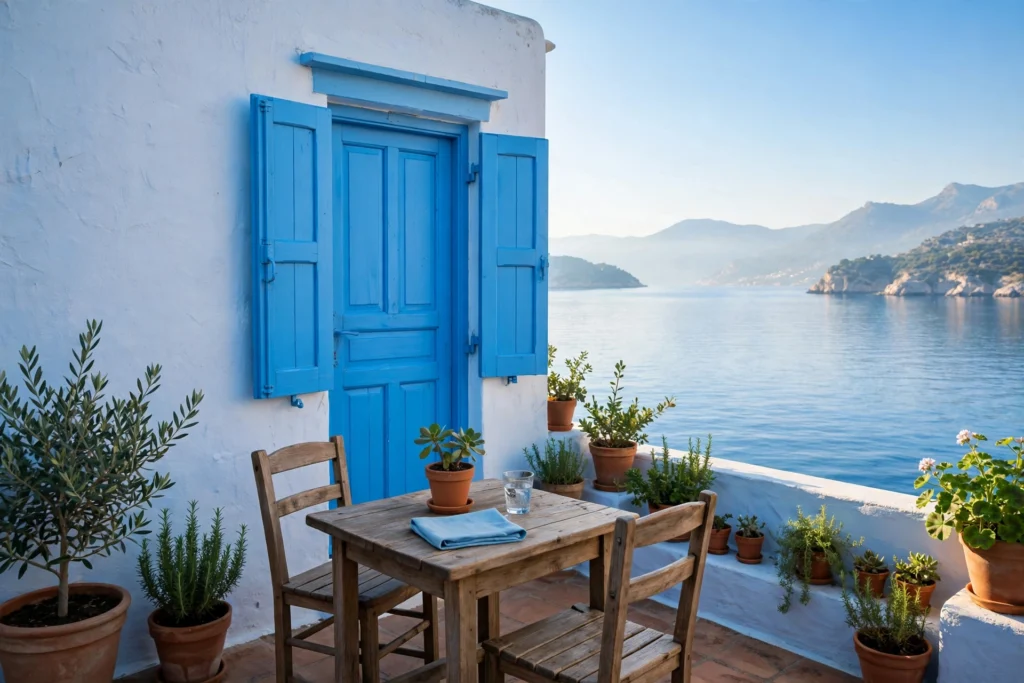
Where you sleep decides what your travel experience feels like before you have even left the building. A hotel in a tourist district puts you next to other tourists; a guesthouse in a living neighbourhood puts you next to daily life. A room with a kitchen lets you cook what you bought at the market; a room without one sends you to restaurants for every meal. The choice of stay is not a background decision. It is part of the experience itself.
Location beats luxury
For experience-first travel, the most important quality of a place to stay is its location — not its star rating. The best location is a short walk from a market, a harbour, a trailhead or a lively square, in a neighbourhood where people live and work. From there, experiences start the moment you step outside: the bakery on the corner, the cafe where locals drink their morning coffee, the small square where children play in the evening. A luxurious room in a remote resort can be comfortable, but it isolates you from the place you came to experience, and every outing becomes a journey. Choose the smaller, simpler place in the better location over the grander place in the worse one.
The case for small and family-run
Small, family-run guesthouses, farm stays and homestays have a particular advantage for experience-first travellers: the host. A host who lives in the place can tell you which market stall is best, which festival is worth attending, which walk is beautiful at dawn, and which restaurant the locals actually use. A host can arrange a cooking lesson, introduce you to a craftsperson, or invite you to a family meal. No concierge desk in a large hotel can match that, because the knowledge is personal rather than professional. When you choose a small stay, choose it for the host as much as for the room: read what past guests say about the welcome, ask the host a question before you book, and see how they answer. A warm, specific reply is a good sign.
Staying in one place, or moving slowly
Experience-first trips work best with as few moves as possible. One base for a week, with day trips out and back, beats three bases in the same week — because every move costs half a day and breaks the rhythm you have built. If the trip covers a larger area, move in a slow line rather than jumping around: two or three nights in each place, travelling by day so the journey itself becomes part of the experience. A train ride through mountains, a slow boat along a coast, a drive with stops at villages along the way — these are travel experiences too, and they are lost when you fly over them. If you want inspiration for stays that are experiences in themselves, our guide to luxury travel destinations shows how the right place to stay can shape the whole trip, at every budget.
What to check before you book
Before you book a stay, check four practical things. First, the walk: can you reach a market, a good place to eat and a pleasant walk within ten minutes on foot? Second, the host: is there a real person you can ask for local advice, and do past guests mention them warmly? Third, the kitchen: is there somewhere to cook or at least to make breakfast, so you can use what you buy at the market? Fourth, the quiet: is the room quiet enough to sleep well, with a window that opens to real air? A stay that passes these four tests will serve your experiences better than a grander room that fails them. And always read the cancellation terms before you pay — experience-first plans change, and a flexible booking is worth more than a small discount on a rigid one.
A note on homestays and farm stays
Homestays and farm stays deserve a special mention, because they are the most immersive kind of accommodation there is. You eat with the family, you learn their routines, you help with the work if you wish, and you see the place from the inside rather than the outside. They suit travellers who are comfortable with shared spaces, simple facilities and a slower pace — and they are a poor choice for anyone who wants privacy and room service. If you try one, go with an open mind and good manners: ask before photographing people, offer to help, learn the house rules, and remember that you are a guest in someone’s home, not a customer in a hotel. Done well, a homestay is not just a place to sleep; it is one of the best travel experiences a trip can hold.
Finding Local Guides, Hosts and Hands-On Activities
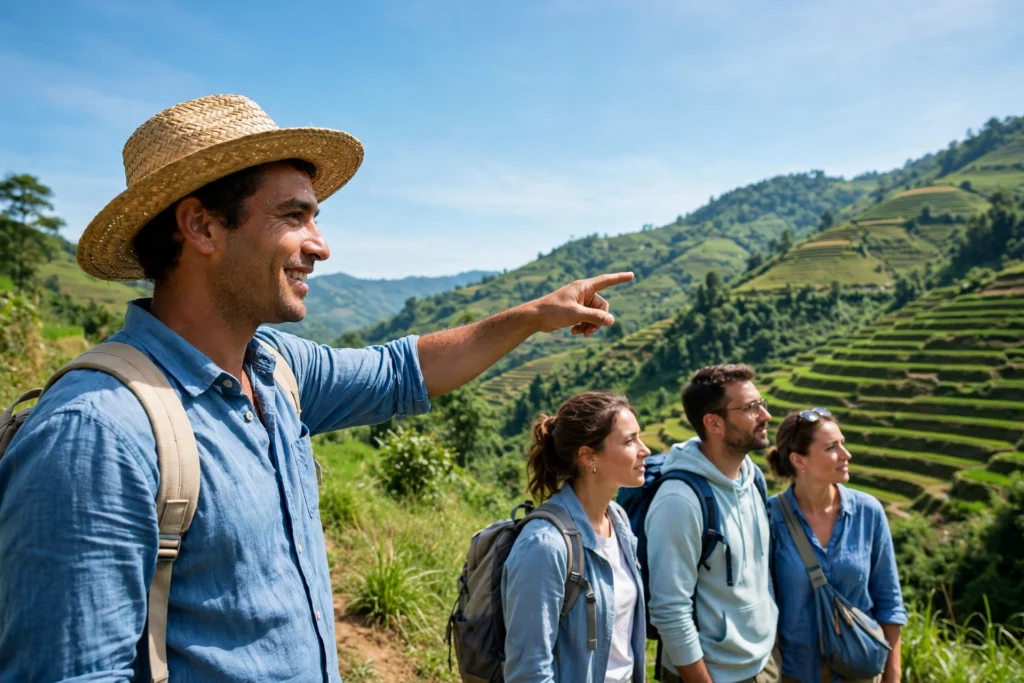
Local people are the difference between a trip and a travel experience. A guide who grew up in the place, a host who cooks the food of their childhood, a craftsperson who learned from their parent — these are the people who turn a location into a story. Finding them takes a little effort, but it is the highest-value effort in the whole trip.
Why a local guide changes everything
A good local guide does three things a guidebook cannot. They show you the place as it is lived, not as it is displayed: the back streets, the working harbour, the neighbourhood bakery. They translate the culture, not just the language: why people do things the way they do, what matters to them, what the history means to the people who live with it. And they adapt to you: a good guide reads your interest and follows it, spending longer where you are curious and moving on where you are not. A guided walk with a local is often the best money on the whole trip, and it is usually the experience travellers mention first when they come home. Choose a guide who lives in the place, works in small groups, and talks about the present as well as the past.
Green flags and red flags
Not every guide or activity is worth your time and money. The table below is a quick way to judge one before you book. If you see several red flags, walk away — there is always a better option, and a bad experience costs more than money: it costs a day you will not get back.
| Green flags | Red flags |
|---|---|
| Small groups (under 10 people), or private | Large crowds herded through a script |
| The guide lives locally and speaks from experience | The guide reads from a script and cannot answer questions |
| Clear pricing with no hidden extras | Pressure to buy, tip heavily, or pay cash-only surprises |
| Hands-on time: you do, make, taste or try something | You only watch and listen for the whole time |
| Honest about what you will and will not see | Promises that sound too good to be true |
| Respects local people, wildlife and customs | Treats locals as scenery, or disturbs wildlife for photos |
| Good reviews that mention the guide by name | Reviews that mention rushing, crowds or feeling cheated |
| Flexible: adapts the plan to weather and your interests | Rigid schedule, no room for questions or detours |
Where to find the good ones
The best guides are often found through the simplest routes. Ask your host: a guesthouse owner knows who the good guides are, because their guests come back and tell them. Ask at a local market, a small museum, or a community centre. Look for guides recommended by past travellers in their own words, with specific details rather than generic praise. And once you have found one good local contact, ask them who else to meet — a good guide knows the good cook, the good craftsperson and the good boat captain, because they all live in the same small world. That chain of introductions is how the best travel experiences are found, and it cannot be bought from a catalogue.
Hands-on activities: how to choose
Hands-on activities — cooking, craft, farming, fishing, building, painting — are the most reliable kind of travel experience, because they guarantee participation. When choosing one, look for three things. First, a real teacher: someone who practises the skill in daily life, not someone who learned it for tourists. Second, enough time: two hours is the minimum for most crafts, three or four for cooking. Third, something to take home: a pot, a loaf, a recipe, a photograph of the work in progress. If an activity offers none of these, it is probably a demonstration, not an experience — and a demonstration belongs in a museum, not in your itinerary.
Volunteering and work exchanges
Some travellers want to go deeper still, by volunteering or joining a work exchange: helping on a farm, assisting at a hostel, joining a conservation project. These can be wonderful travel experiences, producing real connections and a genuine sense of contribution. They can also go wrong, if the project exists mainly to take money from volunteers, or if untrained visitors are asked to do work that should go to local people. Choose carefully: look for projects run by local organisations, with clear roles, reasonable hours, and a real need for your help. Short, honest help — a few days on a farm, a morning at a community kitchen — is usually better than a long placement arranged through a distant intermediary. And remember that the best contribution is often the simplest: spend your money locally, treat people with respect, and leave the place a little better than you found it.
Food as a Travel Experience: Eating Like a Local, Not a Tourist
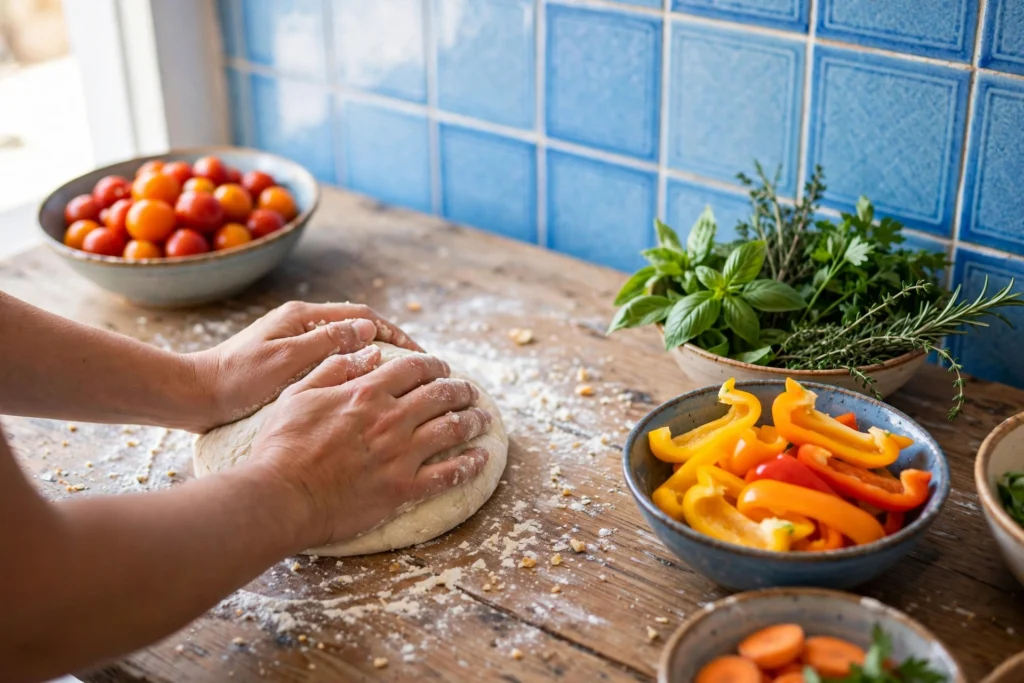
Food is the most accessible of all travel experiences. You have to eat every day, so every meal is a chance to experience the place you are in. The difference between eating and having a food experience is attention: knowing what you are eating, who made it, and why it tastes the way it does. This section is about turning meals from fuel into memories.
Eat where the locals eat
The simplest rule in food travel is also the best: eat where the locals eat. The signs are easy to read. A queue of local people at lunchtime. A menu that changes with the season and is written in the local language first. A dining room full of families, not tour groups. Prices that make sense for the neighbourhood, not for a tourist district. A restaurant that is busy at the hours locals eat, and quiet when they do not. If you find such a place, go in. Order what the people at the next table are having. Ask the server what is good today. You will eat better, spend less, and learn more about the place than any review could teach you.
The market morning
A morning in a local market is one of the best travel experiences there is, and it costs almost nothing. Go early, when the produce is fresh and the vendors are setting up. Walk slowly. Watch what people buy, and how they choose it. Taste what is offered. Ask questions — vendors who love their produce usually love talking about it. Buy something small and eat it there: fruit, bread, cheese, whatever is in season. A market morning teaches you the flavours of a place before you have eaten a single restaurant meal, and it makes every later meal better, because you now know what is fresh, what is local, and what is in season. It is also the perfect preparation for a cooking class later in the trip.
One cooking class changes the whole trip
If you do only one paid food experience, make it a cooking class — and make it a hands-on one, in a home kitchen or a small workshop, with a teacher who cooks this food every day. A good class starts in the market, moves to the kitchen, and ends at a table where you eat what you made. You leave with recipes, techniques and a new understanding of flavours you had only tasted before. More importantly, you leave with a story: the afternoon you learned to make bread with a baker, or the morning you learned to roll pasta with a grandmother who had done it for sixty years. That story will outlast any restaurant meal, and the recipes will let you bring the trip home in the most literal way.
Street food, done well
Street food is often the most honest food in a place: cooked fresh, eaten standing up, priced for the people who live there. It is also the food that worries cautious travellers most. A few rules keep it safe and delicious. Eat where the food is cooked in front of you, and where the turnover is fast — a busy stall is a fresh stall. Eat what is cooked to order, not what has been sitting out. Drink bottled water where the tap water is not safe, and carry hand sanitiser. Start small: one stall, one dish, and see how you feel. Most travellers who follow these rules eat street food for the whole trip without a problem, and it becomes one of their favourite memories. If you want a deeper dive into food as a way of understanding a place, our Hanoi travel guide shows how a city’s street food, markets and cafe culture can carry an entire trip.
Dietary needs and food experiences
Travellers with dietary needs — allergies, intolerances, vegetarian or other requirements — can still have rich food experiences, but they need to plan a little more. Learn the local words for what you cannot eat, and carry them written down in the local language. Tell your cooking teacher and your guide in advance, not on arrival. Choose market walks and cooking classes, where you can see the ingredients, over set menus where you cannot. And remember that many food cultures are naturally generous to particular diets — vegetable dishes, rice-based meals, grilled fish — if you know what to ask for. A good guide or host will help you find them. Never let a dietary need stop you from trying the food of a place; it only means you plan the tasting with a little more care.
How to Travel Responsibly So Experiences Stay Good for Everyone
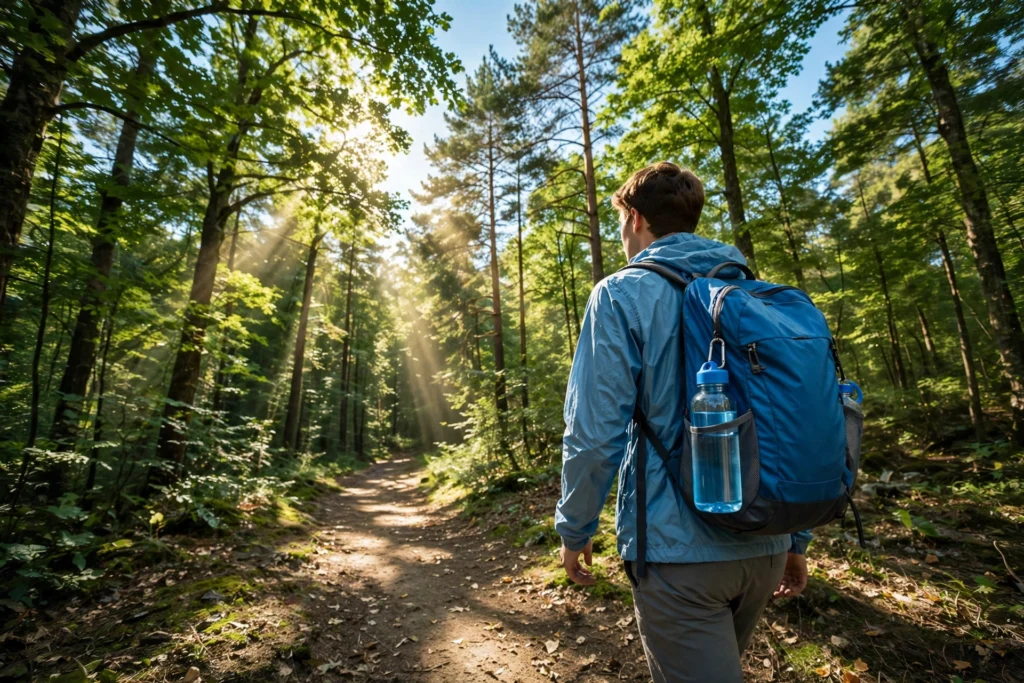
A travel experience is only a good one if it is good for the people and the place that made it possible. The most memorable trips are the ones where the traveller gave something back — money spent locally, respect shown, wildlife left undisturbed, a place left as it was found. Responsible travel is not a separate chore added to the trip. It is the way the experiences stay real, instead of being worn away by too many visitors doing the same thing in the same careless way.
The money question: who benefits?
Every pound, dollar or euro you spend on a trip ends up somewhere. When you stay in a family-run guesthouse, eat in a local restaurant, hire a local guide and buy from a market vendor, the money stays in the community that hosted you. When you book through a distant intermediary, stay in a foreign-owned resort and eat in an international chain, most of it leaves. The difference is not about spending more — it is about spending in the right places. A good rule is to make at least half of your on-the-ground spending local: local stays, local food, local guides, local transport, local shops. Your trip will be better for it, because local people are the ones who make the experiences worth having.
Wildlife and nature: look, do not touch
Wildlife experiences are among the most powerful a traveller can have — and the easiest to get wrong. The rules are simple, and they are worth following exactly. Observe animals from a distance, in their own habitat, without feeding, chasing or touching them. Never pay for a photograph with a captive wild animal, and never ride, hold or swim with animals that have been trained for tourists. Choose operators who keep groups small, keep their distance, and employ local guides who understand the animals. A wild animal seen properly, even briefly, is worth more than a hundred photographs of a captive one. The same care applies to nature: stay on marked trails, do not pick plants or take souvenirs from the wild, and carry your rubbish out with you.
Leave No Trace, everywhere
The Leave No Trace Seven Principles were written for the outdoors, but their spirit fits every kind of travel: plan ahead and prepare; travel and camp on durable surfaces; dispose of waste properly; leave what you find; minimise campfire impacts; respect wildlife; and be considerate of other visitors. The US National Park Service publishes the full list, and it is worth reading before any trip that takes you into wild country. In a town or a village, the same ideas apply in simpler form: do not litter, do not damage, do not take what is not yours, and be considerate of the people who live there. A traveller who leaves a place exactly as they found it has done the minimum. A traveller who leaves it a little better — by spending locally, by being kind, by picking up litter on a trail — has done something worth remembering.
Culture and respect
Cultural respect is the quiet skill behind every good travel experience. It starts with learning before you go: how people greet each other, what clothing is appropriate at a religious site, when photographs are welcome and when they are not, what topics are sensitive. It continues with behaviour: ask before photographing people, especially children; dress modestly where modesty is expected; remove your shoes where that is the custom; accept hospitality graciously, even if the food is unfamiliar. And it includes honesty about yourself: you are a guest, and the place does not exist for your entertainment. Travellers who show this respect are rewarded with warmer welcomes, deeper conversations and invitations that no amount of money can buy. Travellers who do not are remembered for the wrong reasons.
Overtourism: choosing the quieter path
Some places are loved too much. When thousands of visitors arrive at the same viewpoint at the same hour, the experience collapses for everyone — including the people who live there. Experience-first travellers have a natural answer: go early or late, visit in the shoulder season, choose the lesser-known village over the famous one, and walk the quiet street instead of the crowded square. The quieter path is almost always the better experience, and it spreads the benefit of tourism more fairly. If a place you wanted to visit is suffering from too many visitors, consider going somewhere similar and less crowded instead — our guides to places like Kauai and Mauritius show how even popular island destinations hold quiet corners for travellers who look for them. The world is large, and the best travel experience is rarely the one everyone else is having at the same time.
Staying Safe While Chasing Real Experiences
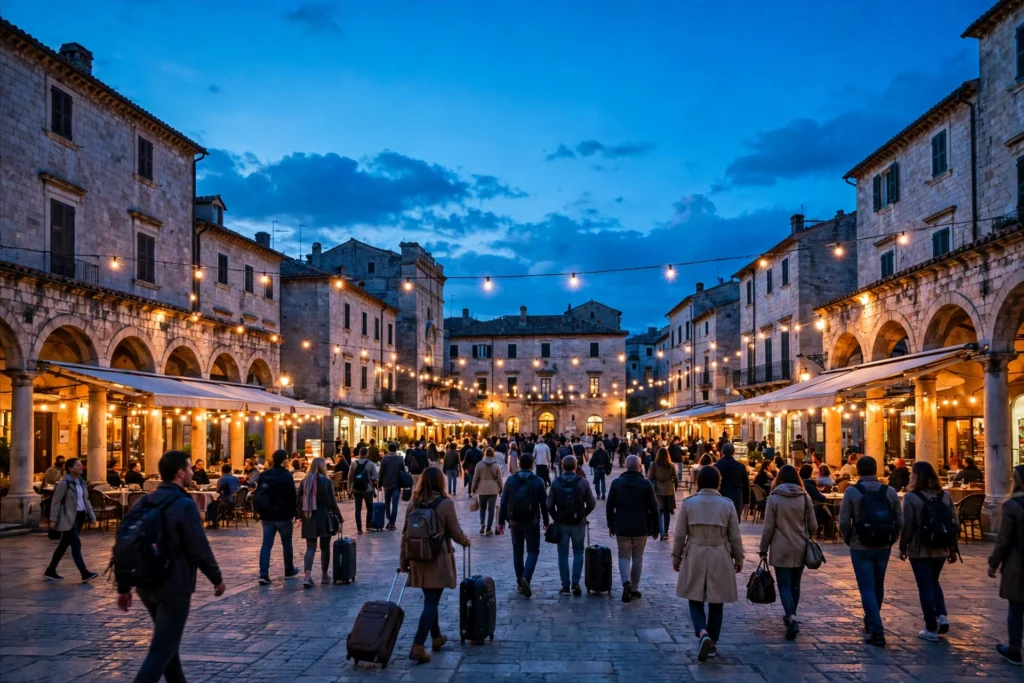
Real travel experiences involve a little risk — a mountain path, a night market, a boat trip, a new city after dark. That is part of their value. But there is a wide distance between a healthy appetite for adventure and carelessness, and staying on the right side of it is a skill like any other. Safety does not spoil a travel experience. It makes it possible.
Check the official advice first
Before you travel anywhere unfamiliar, read the official travel advice for the destination. The US State Department publishes a travel advisory for every country, graded Level 1 (exercise normal precautions), Level 2 (exercise increased caution), Level 3 (reconsider travel) and Level 4 (do not travel), and it is updated regularly as conditions change. Read the full advisory, not just the level: it explains which areas are safe, which need care, and what the risks actually are. Travellers from other countries should read their own government’s advice too. If an advisory tells you to avoid an area, avoid it — there are always other places where the same experiences exist. Our safety guides, including is it safe to travel to Vietnam right now?, show how to read an advisory and turn it into practical decisions.
Adventure safety: the non-negotiables
Adventure experiences need a few non-negotiable rules. Never do a genuinely risky activity without a qualified local guide who knows the conditions. Check the weather before you set out, and be willing to cancel if it turns — a good guide will cancel, and you should be glad they did. Tell someone where you are going and when you expect to be back, especially for hikes, boat trips and remote walks. Carry water, a charged phone, and a basic first-aid kit. Wear the right footwear and clothing for the activity, not the most photogenic outfit. And know your limits: an experience that frightens you is not a good experience, and there is no shame in choosing the easier path. The mountain will still be there next year.
Street smarts for experience hunters
Experience-first travellers spend more time in real neighbourhoods, markets and local transport than sightseeing travellers do, and that is a good thing — but it calls for street sense. Keep valuables out of sight and your bag in front of you in crowds. Avoid empty streets late at night, and prefer busy, well-lit routes. Be cautious with strangers who approach you with an offer that sounds too generous; genuine hospitality exists, but so do scams, and the difference is usually that a genuine invitation comes through a person you already know or a place you trust. Keep copies of your passport and travel insurance separate from the originals, and enrol in your government’s traveller registration service if one is available — the US Smart Traveler Enrollment Program (STEP) is free and lets the nearest embassy reach you in an emergency. And buy travel insurance before you go, with cover for the activities you actually plan to do: standard policies do not always cover hiking, diving or riding, so read the terms.
Health: the boring preparation that saves trips
Health preparation is the least exciting part of trip planning and the most valuable. Visit a travel clinic or your doctor well before departure to check vaccinations and any medicines you need. Pack a small medical kit: pain relief, plasters, rehydration salts, any prescription medicine in its original packaging, and a copy of your prescriptions. Drink safe water — bottled where the tap water is not safe — and be careful with ice and raw food in places where hygiene is uncertain. Protect yourself from the sun and from insect bites, especially in tropical areas. And build rest into the trip: tired travellers make poor decisions, and a rest day is not just pleasant, it is a safety measure. If you do fall ill, rest properly and seek local medical care early rather than pushing on; a day lost to rest is better than a week lost to illness.
How to Remember It: Journals, Photos and the Stories You Keep
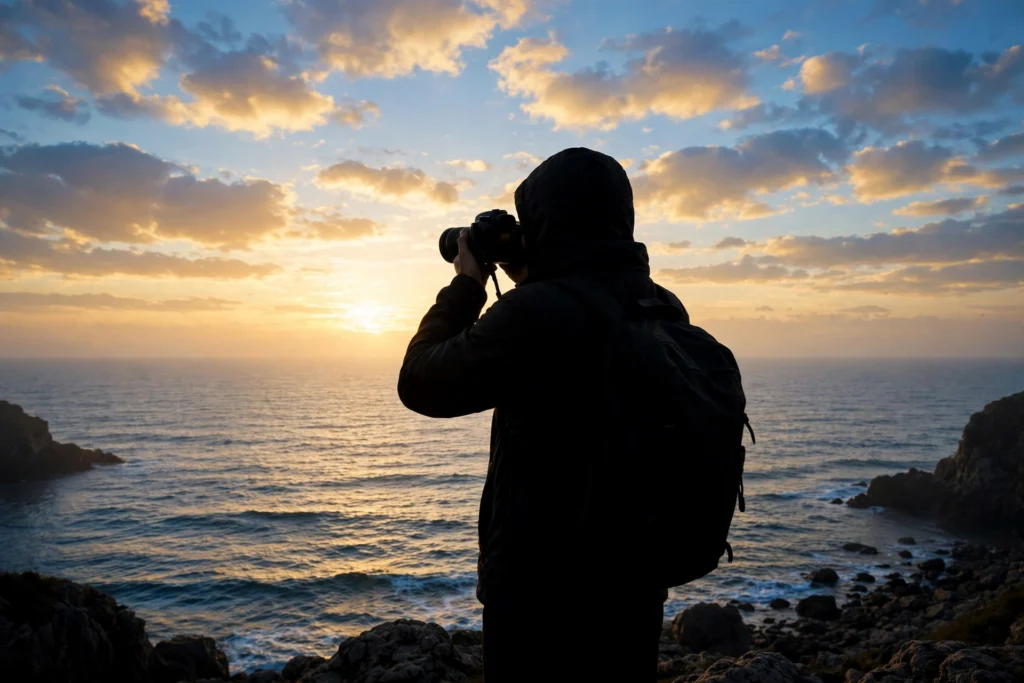
A travel experience ends when the trip ends, but its value lasts for years — if you keep it properly. Memories fade faster than travellers expect. The details that seem unforgettable in the moment — the name of the baker, the taste of the bread, the exact words of the guide — blur within weeks unless they are written down. This section is about keeping the trip, so that the experiences you worked so hard to plan keep working for you long after you are home.
The ten-minute journal
The most valuable habit in travel is also the simplest: ten minutes of writing every evening. Not a polished diary, just notes: what you did, who you met, what you ate, what surprised you, what you learned, what you want to remember. Write the names of people and places while they are fresh. Write down the recipes, the phrases, the directions, the small details that will vanish by morning. A travel journal kept this way becomes the most precious souvenir of the trip, because it holds the things no photograph can: the smells, the conversations, the feelings. Our guide to how to make a travel journal shows how to start one, even if you have never kept a journal before — and a simple notebook and pencil are all you need.
Photographs that remember for you
Photographs are wonderful memory aids, but only if they show the experience rather than just the place. A photograph of a famous building tells you where you were; a photograph of your hands learning to shape dough tells you what you did. Take photographs of the process, not just the result: the market stall before you buy, the guide pointing out a detail, the meal half-eaten because it was too good to pause for a picture. Take photographs of people only with their permission, and offer to share the picture with them. And take fewer photographs than you think you need — a hundred thoughtful pictures are worth more than a thousand rushed ones, and the time you spend not photographing is time you spend actually experiencing. Put the phone away for at least one experience a day, and let that one live in your memory alone.
Collecting the right souvenirs
The best souvenirs are the ones that carry a story. A pot you made in a workshop. A recipe written in a teacher’s handwriting. A small woven cloth bought from the person who wove it. A ticket, a leaf, a stone from a beach — small, light, free, and full of meaning. These are better than anything bought in a tourist shop, because they connect you to a person and a moment. When you buy crafts, buy them from the maker where you can, and pay a fair price without haggling hard over pennies — the maker remembers the traveller who paid fairly, and you remember the maker. Pack fragile souvenirs carefully, in the middle of your bag wrapped in clothing, and check the customs rules for anything made of wood, seed or animal products before you bring it home.
Telling the story when you get home
A travel experience grows when you tell it. Tell the stories to friends and family, write them down properly once you are home, share the photographs that show the experience rather than the pose. The research mentioned earlier in this guide offers a clue why this matters: experiences become part of who we are, and telling their stories is how they settle into your identity. A trip you never talk about fades; a trip you tell well stays with you. And telling the story honestly — including the things that went wrong, the wrong turns, the rain, the missed bus — makes it better, not worse. The mishaps are often the best stories, and they are certainly the ones people remember.
Planning the next one
The final act of remembering a travel experience is planning the next one. Before the glow fades, write down three things: the experience you would repeat, the experience you would do differently, and the experience you did not get to — the one that is still waiting for a return visit. That list is the seed of your next trip. Experience-first travel is not a single holiday; it is a way of travelling, and it gets better each time you practise it. The second trip is easier to plan than the first, because you now know what fits you, what an anchor experience feels like, and how much time real experiences need. Keep the shortlist, keep the journal, and keep going.
Frequently Asked Questions About Travel Experience
What is a travel experience?
A travel experience is something you take part in during a trip — a cooking class, a guided walk, a craft workshop, a festival, a wildlife encounter — rather than something you only look at. It involves doing, meeting people, learning or feeling something, and it leaves a memory that a photograph alone cannot carry.
What is the difference between sightseeing and a travel experience?
Sightseeing is looking at famous places, usually from the outside, on a schedule. A travel experience is participating: doing, tasting, making, learning or meeting people. A trip can include both, but a trip built only on sightseeing often feels rushed and forgettable, while a trip built around experiences feels personal and stays in the memory.
How do I plan a travel experience?
Start by choosing one or two anchor experiences per day from the seven types in this guide — cultural, food, adventure, nature, history, wellness or creative — then choose a destination and dates that suit them, book the experiences that need advance booking first, and build the rest of each day around the anchor with open time and rest. The full step-by-step method is in the itinerary section above.
How many experiences should I plan per day?
One anchor experience per day is the right amount for most trips, and never more than two. An anchor usually takes two to four hours door to door, and the rest of the day should hold a slow meal, a walk and open time. Cramming more experiences into a day squeezes out the conversations and quiet moments that make them memorable.
Is experience-first travel more expensive?
Not necessarily. It often costs about the same as a sightseeing trip, because you move less, eat in local places and buy fewer souvenirs — and the money you save pays for the experiences. A useful planning rule is to give experiences about a quarter to a third of your on-the-ground budget, and to mix paid experiences with free ones like market mornings, festivals and dawn walks.
What are the best travel experiences for beginners?
Start with food and culture: a morning market walk with a local guide and a hands-on cooking class. They need no special fitness, they suit every age, they teach you about the place immediately, and they are easy to book. Add a guided nature walk or a craft workshop once you are comfortable with the rhythm.
Do I need a guide for a good travel experience?
Not always — a dawn walk, a market morning or a festival can be wonderful on your own. But a good local guide usually makes an experience deeper, because they show you the place as it is lived, translate the culture, and adapt to your curiosity. For adventure, wildlife and remote places, a qualified guide is not optional; it is a safety requirement.
How far ahead should I book experiences?
Small, popular experiences — cooking classes, dawn wildlife walks, festival tickets — often need a week or more of advance booking in peak season, and festival dates are fixed months ahead. Market walks and craft workshops can often be booked a day or two ahead. Book the experience that matters most to you first, and build the rest of the trip around its date.
What is slow travel and why does it matter?
Slow travel means doing fewer things, more deeply, in fewer places: staying longer, walking more, and leaving open time in the day. It matters because almost every real travel experience needs time — guides, hosts and local people open up to travellers who stay long enough to be more than a passing face. Even a short trip benefits from the slow-travel mindset.
How can I travel responsibly and still have great experiences?
Spend your money locally, choose small-group guides and family-run stays, observe wildlife from a distance without feeding or touching it, follow the Leave No Trace principles, ask before photographing people, and visit popular places early, late or in the shoulder season. Responsible choices usually produce better experiences, not worse ones.
Is it safe to chase real experiences in unfamiliar places?
Yes, with preparation: read the official travel advisory for your destination before booking, use a qualified local guide for adventure activities, tell someone where you are going, keep valuables out of sight in crowds, buy travel insurance that covers your planned activities, and be willing to cancel if the weather or the conditions turn. Safety makes experiences possible; it does not spoil them.
What is the best way to remember a travel experience?
Write for ten minutes every evening in a travel journal, noting names, tastes, conversations and surprises while they are fresh. Take photographs of the process — hands making, markets waking, guides pointing — not just the famous view, and take them with people’s permission. Collect small souvenirs with a story, and tell the stories when you get home: a trip you tell well stays with you for years.
Conclusion: Plan the Experience, and the Trip Will Follow
A great travel experience is not an accident, and it is not a luxury. It is the result of a simple change in how a trip is planned: choose what you want to do before you choose where to go, give each day one real anchor, leave room for the unplanned, spend your money where it matters, and treat the people and places you visit with respect. Do that, and the trip almost plans itself — and it will be remembered long after the photographs have faded from the top of the pile.
The research agrees, and so does the experience of every traveller who has tried it: the trips that stay with you are the ones you took part in, not the ones you only looked at. The bread you learned to make, the guide who showed you the hidden street, the morning in the market, the quiet hour on a forest trail — these are the moments that become the story of the trip, and the story you tell for years. They do not require a large budget, a long holiday or an extreme adventure. They require a plan that puts experiences first.
So start with the shortlist. Pick two or three experiences that genuinely excite you. Find the place and the season where they are at their best. Book the one that matters most, and build the days around it with open time, good food, a comfortable place to stay and room for surprise. Keep a journal, take photographs that show what you did, and come home with skills and stories instead of only souvenirs. That is a travel experience — and it is a better way to travel.
People also read:
- Unique travel experiences that are worth planning a whole trip around
- Dream travel destinations to inspire your next journey
- The best travel destinations for every kind of traveller
- A travel bucket list to help you choose what matters most
- A travel itinerary template for planning your trip day by day
- How to prepare a travel budget that actually works
- A free travel packing checklist in PDF form
- How to make a travel journal worth keeping
- Luxury travel destinations where the stay shapes the trip
- Fun places to travel to when you want the trip to feel joyful
- The best places to travel in January
- Is it safe to travel to Vietnam right now?

M. Adil is the founder and editor of SoloTravelPro. He writes practical, research-based travel guides that help travellers plan with confidence — from first-time city breaks to national parks and island escapes. Every guide is built on official sources, current prices and honest, usable advice, so readers can plan smarter and travel better.