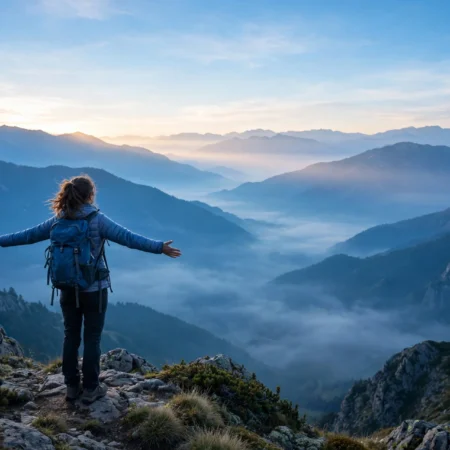
Quick Answer: The most fun places to travel to in 2026–27 are the ones that let you do something, not just look at something: jump off the bridge where bungy jumping began in Queenstown, walk behind a waterfall in Iceland, eat your way through Bangkok’s floating markets, dance through Rio at Carnival, get happily lost in Venice, surf gentle waves in Bali, snorkel the Great Barrier Reef and watch penguins waddle past Table Mountain in Cape Town. This guide organises 16 fun places to travel to by the kind of fun — adventure, quirky cities, food, festivals, water and family — with a “what makes it fun, who it suits and best season” line for every place, so you can pick by mood instead of scrolling another ranked list of famous sights.
Fun is a slippery word. A place can be beautiful and boring, or strange and unforgettable. The places in this guide earned their spot because they ask something of you: jump it, climb it, taste it, dance to it, paddle it or laugh at it. That is the difference between a sightseeing list and a fun list, and it is why the usual “best destinations” rankings miss most of these. The big destination lists are fine guides to famous places — but none of them is organised around fun itself. This one is. Every place below is outside the United States — our fun places to travel in the US guide covers the American side — every one is visitable in 2026–27, and every one is chosen because the fun is the point, not a side effect. Where a place also appears in our dream travel destinations or best travel destinations guides, it is here for a different reason: the activity, not the view.
A note on how to use this guide: start with the two tables below. The first sorts the fun by kind, so if you know you want water fun or food fun or festival fun, jump straight there. The second is the master at-a-glance table — every main place, what makes it fun, who it suits and the best season — which is the fastest way to build a shortlist. Then read the sections that made your shortlist. Costs in this guide are planning ranges, not live prices: check the live figure before you book, because fares, fees and exchange rates move.
How to Pick Fun Places to Travel To
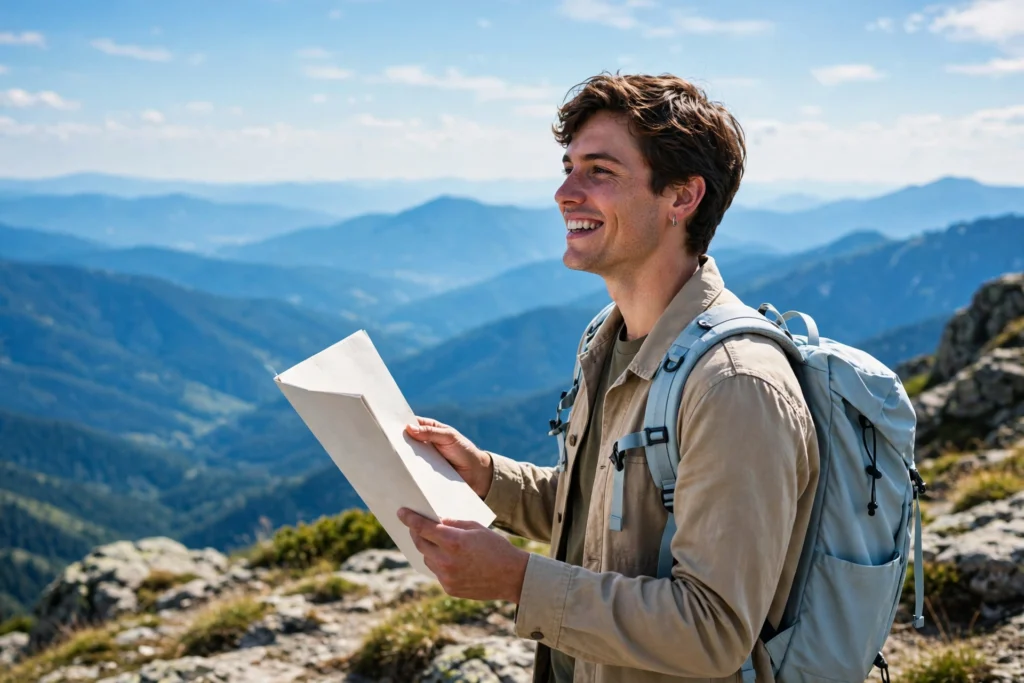
Pick the kind of fun first and the place second. That is the whole trick, and it is the reason most “best places” lists disappoint: they rank places by fame, not by what you will actually be doing there at 10 a.m. on a Tuesday. A traveller who wants adrenaline and a traveller who wants a cooking class can both love the same country and have completely different trips, so start with the feeling you are chasing.
There are six kinds of fun in this guide, and most good trips mix two or three of them. Adventure fun is the physical kind — jumping, climbing, paddling, hiking — and it suits people who come home happiest tired. Quirky fun is the playful city kind: strange museums, street art, neighbourhoods that reward wandering without a plan. Food fun is eating as the main event, from market stalls to cooking classes. Festival fun is timing your trip to a celebration, when a whole city changes character for a few days. Water fun is anything that happens on, in or beside the sea, a lake or a river. Family fun is the kind where children and grandparents enjoy the same day, which is rarer than it sounds and worth planning around.
| Kind of fun | Where to find it in this guide | Best for |
|---|---|---|
| Outdoor adventure | Queenstown, Iceland, Banff, Cape Town | Active travellers, teens, hikers, first-time adventure travellers |
| Quirky and playful cities | Tokyo, Venice, Barcelona, Ljubljana | Curious adults, couples, art lovers, anyone bored of ordinary sightseeing |
| Food fun | Bangkok, Marrakech, Barcelona, Hoi An | Food lovers, couples, groups of friends, market wanderers |
| Festivals and big events | Rio, Venice, Marrakech, Valparaíso | Anyone who loves a crowd, a parade and a city at full volume |
| Water fun | Bali, Great Barrier Reef, Banff, Cape Town | Swimmers, surfers, snorkellers, beach families |
| Family fun | Bali, Gold Coast, Cape Town, Rotorua | Families with kids aged 4–14, grandparents travelling with grandchildren |
The second question is who is travelling. A place can be the most fun on earth for a group of friends and a poor choice for a family with a four-year-old, and the honest guides say so. Every place below carries a “who it suits” line for exactly that reason — read it before you fall in love with the photographs. The third question is season, and it matters more for fun than for sightseeing: a festival happens on its dates or not at all, surf breaks work in some months and not others, and a desert is a different place in July than in November. The best-season line in each section is the short version; the master table below is the cheat sheet.
Every fun place at a glance:
| Place | What makes it fun | Who it suits | Best season |
|---|---|---|---|
| Queenstown, New Zealand | Bungy, jet boats, lake and mountain adventure | Adrenaline lovers, active couples, teens | December to March |
| Iceland | Waterfalls, glaciers, hot springs, volcanoes | Curious explorers, photographers, families with older kids | June to August; winter for aurora |
| Banff, Canada | Turquoise lakes, canoes, wildlife, hikes | Active families, hikers, first-time park visitors | June to September |
| Tokyo, Japan | Playful neighbourhoods, food halls, arcades | Curious adults, couples, teens, food lovers | March to May; November |
| Bangkok, Thailand | Floating markets, street food, island days | Food lovers, couples, groups of friends | November to February |
| Marrakech, Morocco | Souks, rooftops, desert nights | Culture lovers, couples, photographers | March to May; October to November |
| Rio de Janeiro, Brazil | Carnival, samba, beaches, viewpoints | Festival lovers, couples, groups | December to March; Carnival in February |
| Venice, Italy | Getting lost, gondolas, masks, canals | Couples, art lovers, slow travellers | April to June; September to October |
| Barcelona, Spain | Gaudí, tapas, beach in the city | Food lovers, couples, families, art lovers | May to June; September to October |
| Bali, Indonesia | Temples, rice terraces, surf for all levels | Families, couples, first-time Asia travellers | April to October |
| Gold Coast and Great Barrier Reef, Australia | Surf, snorkelling, theme parks | Families, snorkellers, beach lovers | June to October for the reef |
| Cape Town, South Africa | Penguins, Table Mountain, two oceans | Families, wildlife lovers, active travellers | November to March |
| Ljubljana, Slovenia | Riverside cafes, castle hill, kayaks | Couples, slow travellers, first-time Europe visitors | May to September |
| Hoi An, Vietnam | Lanterns, tailors, food, cycling | Food lovers, couples, families | February to April |
| Rotorua, New Zealand | Geothermal parks, Maori culture, lakes | Families, curious travellers, culture lovers | Year-round |
| Valparaíso, Chile | Street art, funiculars, hillside colour | Art lovers, photographers, couples | December to March |
Three practical rules before you go further. First, check entry requirements early: many of the places below are visa-free or visa-on-arrival for US citizens, but the rules are set by the destination country and they change, so confirm them on the US State Department travel advisories hub and the destination’s official immigration site before you book. Second, book the timed things first — festival tickets, popular viewpoints, small-group activities — because the fun in this guide is often capacity-limited and the boring parts of a trip (flights, hotels) can wait a week. Third, leave one unplanned day in every trip: the best fun in Venice, Tokyo and Marrakech is the thing you stumble into, and a schedule packed to the hour leaves no room for it.
Queenstown, New Zealand: The Adventure Capital of the World
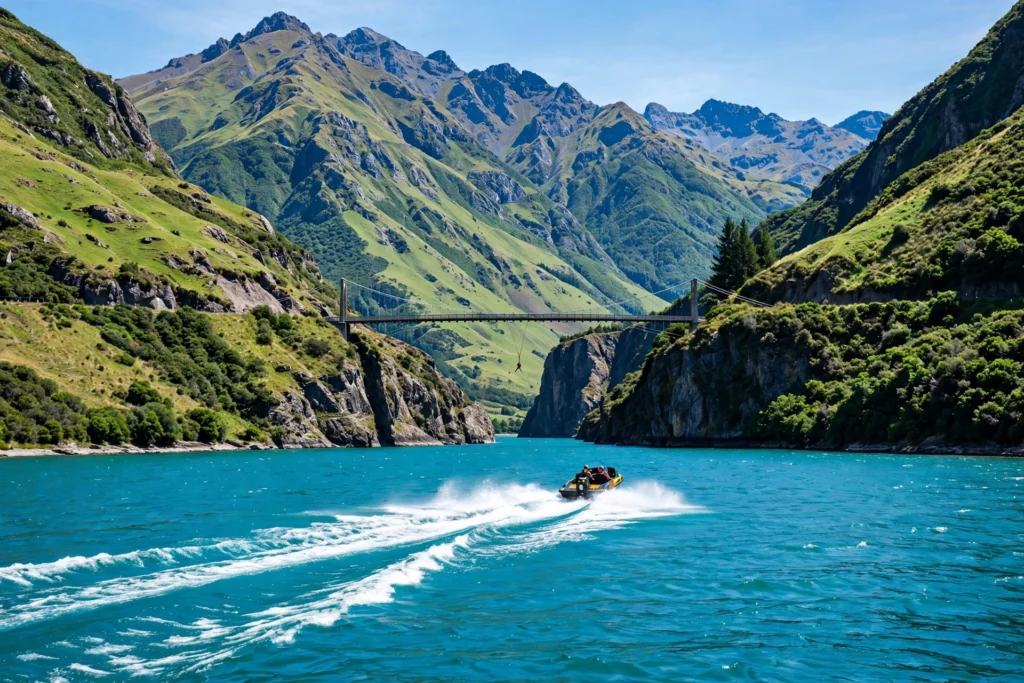
Queenstown is the one place in this guide where the fun has a birth certificate. In November 1988, AJ Hackett and Henry van Asch opened the world’s first commercial bungy jumping operation from the Kawarau Bridge, a 43-metre leap off an 1880 suspension bridge over a turquoise river — and the town has been inventing new ways to raise your heart rate ever since. The Kawarau Bridge jump is still running today, and the town around it now offers jet boating through narrow river canyons, canyon swings, skydiving, paragliding, white-water rafting, mountain biking and some of the most beautiful day hikes on the planet. What makes Queenstown different from other adventure towns is the density: you can jump off a bridge in the morning, ride a jet boat at lunch and watch the sun set over Lake Wakatipu from a lakeside restaurant in the evening, all without getting in a car for more than half an hour.
The adventure here is layered, not just extreme. The famous jumps — Kawarau Bridge at 43 metres and the Nevis Bungy at 134 metres, one of the highest in the world — get the headlines, but the town is just as much fun at lower altitudes. The Shotover River jet boat ride is a blast of speed and spray through a canyon so narrow the boat seems wider than the river, and it suits people who would never jump off anything. The Ben Lomond Track climbs from the town centre to a summit with a view over the lake and the Remarkables mountain range, and the reward-to-effort ratio is one of the best in New Zealand. In winter the town turns into a ski base, with two ski fields a short drive away, and in summer the lake itself becomes the playground — kayaking, paddleboarding and lakeside swimming with mountain views in every direction.
What makes it fun
The fun of Queenstown is the menu. Few places on earth let a cautious traveller and a thrill-seeker have equally good days on the same trip: one watches the bungy from the viewing deck (free, and genuinely entertaining) while the other jumps, and then both ride the same jet boat. The town is small enough to walk everywhere, the lake and mountains are visible from almost every street, and the adventure operators are professionals who have been doing this for decades — the safety briefings are thorough, the equipment is serious, and the staff are used to nervous first-timers.
Who it suits
Adrenaline lovers first, obviously — but also active couples, groups of friends and families with teenagers. Children under about ten will find less to do here than in Bali or the Gold Coast, though the lake, the luge and the gondola up Bob’s Peak (with its downhill luge track) keep younger kids happy for a day or two. If heights or speed genuinely frighten you, Queenstown still works as a base for hiking, wine tasting in the nearby Gibbston Valley and slow lake days — but the town’s real magic is for people who want to try at least one thing that scares them a little.
Best season to go
December to March is the southern hemisphere summer: warm days, long evenings, lake swimming and every activity running. Winter (June to August) is ski season, when the town fills with snow lovers and the mountains turn white. Shoulder seasons — October to November and April to May — are quieter and cheaper, with most activities still running and the autumn colours in April among the best in the country. The Kawarau Bridge jump runs year-round, so a bungy is possible in any month. Queenstown’s official tourism site has a full bungy jumping guide with the three jump sites compared, and New Zealand’s Department of Conservation tells the bridge’s story — built in 1880, jumping since 1988 — on its Landmarks blog.
Underrated alternative: Rotorua
If Queenstown is booked out or beyond your budget, Rotorua on the North Island is the quieter adventure town: geothermal parks where the ground steams and bubbles, a living Maori cultural village, mountain biking through redwood forest and lake kayaking. It suits families better than Queenstown — the activities are gentler, the pace is slower — and it works year-round. See the underrated section at the end of this guide for the full picture.
Iceland: Volcanoes, Glaciers and a Landscape That Plays Back
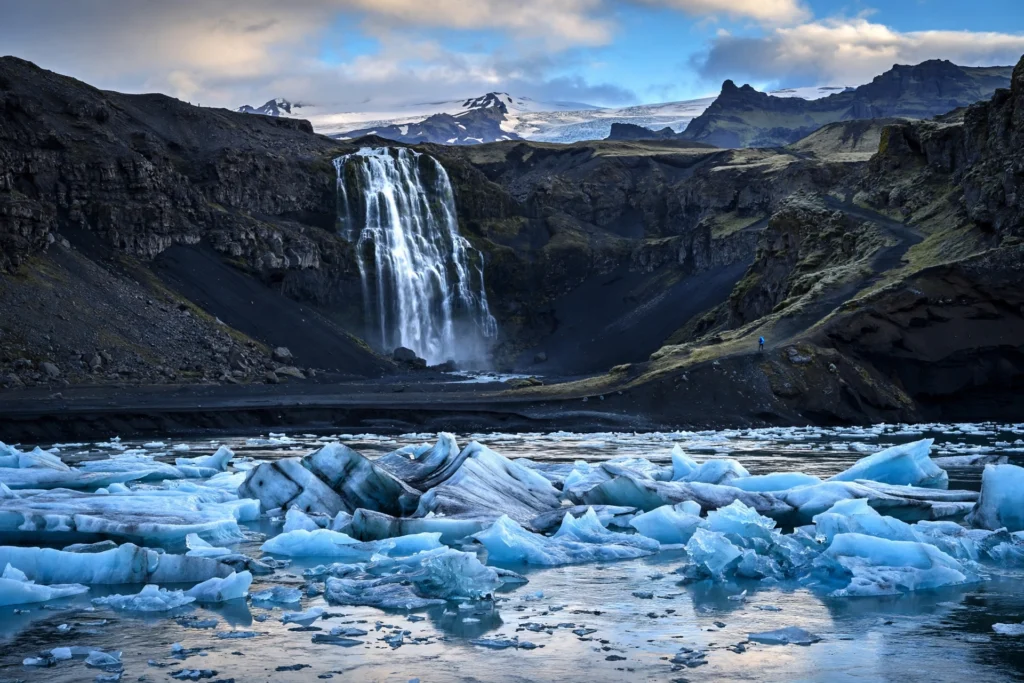
Iceland is fun in a way no other country quite manages: the landscape itself is the activity. You walk behind a waterfall, stand on a black sand beach while waves roll in from the Atlantic, float between icebergs in a glacier lagoon, climb a glacier with crampons and an ice axe, and end the day in a hot spring while snow falls on your shoulders. Our Iceland travel itinerary covers the driving routes and the planning; this section is about why the place is so much fun to be in. The short version is that Iceland compresses an impossible amount of drama into a small island — volcanoes, glaciers, waterfalls, geysers, lava fields and beaches — and almost all of it is free to look at and easy to reach from the road.
The south coast is the best first taste. Seljalandsfoss is the waterfall you can walk behind, a short path leading around the back of the falling water (bring a waterproof jacket — you will get wet, and that is the point). A few minutes down the road, Skógafoss drops 60 metres in a single curtain, and a staircase climbs beside it to the top for a view over the black coastline. Further east, Reynisfjara’s black sand beach has basalt columns that look carved and sea stacks rising out of the surf, and the warning signs about sneaker waves are real — admire the sea from a distance. Then comes the glacier lagoon at Jökulsárlón, where blue icebergs drift in a lake before floating out to sea, and the black sand “diamond beach” across the road, where chunks of ice glitter on the sand like scattered glass.
The fun is not only on the south coast. The Golden Circle — Þingvellir National Park, the Geysir geothermal area and Gullfoss waterfall — is the classic day trip from Reykjavík, and it works because each stop is a different kind of spectacle: a rift valley you can walk between two tectonic plates, a geyser that erupts every few minutes, and a waterfall that drops in two stages into a deep canyon. In winter the same island changes character completely: the northern lights dance over snowfields, ice caves open inside the glaciers, and the hot springs steam harder in the cold air. Summer brings the midnight sun, puffins on the cliffs and highland roads that only open for a few weeks a year.
What makes it fun
Iceland’s fun is hands-on and slightly wild. You do not look at a glacier from a viewpoint; you put on crampons and walk on it. You do not photograph a waterfall from the car park; you walk behind it. The hot springs — from famous lagoons to small local pools in every town — turn the end of every day into a soak, and the Icelandic habit of ending the day in warm water is the most relaxing travel ritual in this whole guide. Even the driving is fun: the Ring Road circles the island past a new landscape every hour, and the rule is to stop often, because the next waterfall is always better than the last one.
Who it suits
Curious explorers, photographers, families with older kids and anyone who likes nature with a sense of drama. Young children can enjoy the waterfalls and hot springs, but the long drives and cold wind suit kids aged eight and up better. It is not a budget destination — food, fuel and accommodation cost more than most of Europe — but the scenery itself is free, and a self-drive trip with a camper or a modest guesthouse keeps the cost manageable. If you want the full driving plan, our Iceland travel guide has the routes, seasons and practical detail.
Best season to go
June to August for the midnight sun, warmest weather, puffins and full access to the highlands. September to March for the northern lights, ice caves and snow-covered landscapes — but expect short days, strong wind and some roads closed. April, May and October are the shoulder months: fewer crowds, lower prices and a mix of both seasons’ moods. Check volcanic activity and road conditions on the day you travel, because Iceland’s landscape is genuinely alive and conditions change fast.
Banff and the Canadian Rockies, Canada: Lakes, Trails and Wildlife
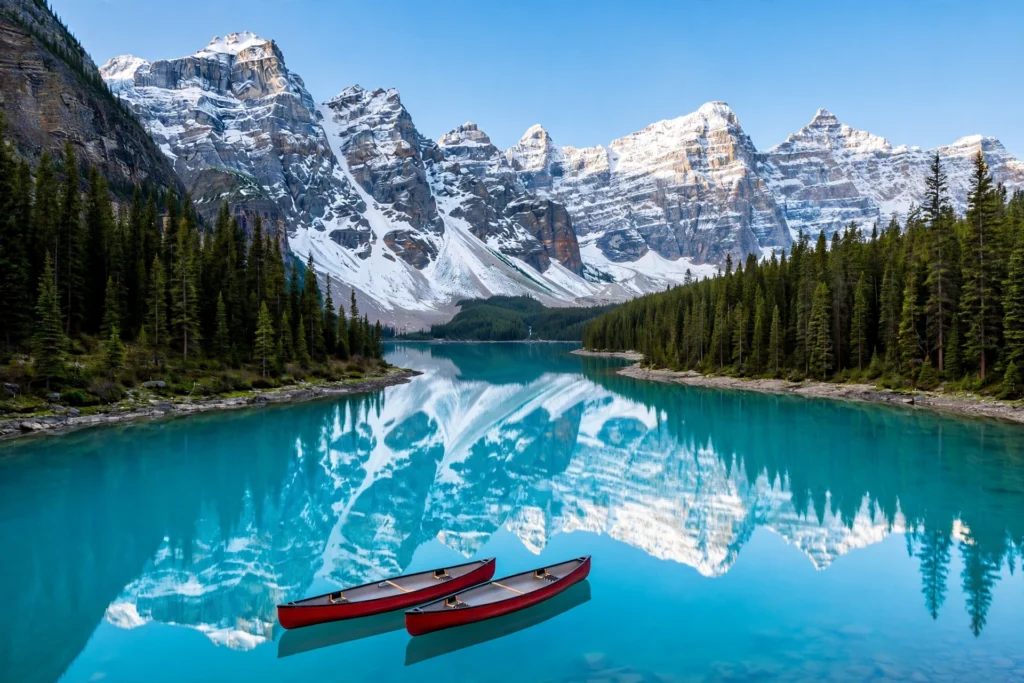
Banff is the most photogenic fun in this guide, and the fun is almost entirely outdoors. The lakes are the headline: Moraine Lake and Lake Louise glow an unreal turquoise blue in summer, coloured by fine rock flour ground by the glaciers above, and the classic activity is to rent a red canoe and paddle out onto the still water with the peaks reflected around you. The town of Banff itself is small, walkable and full of mountain energy — hot springs, a gondola up Sulphur Mountain, and elk wandering through the streets at dawn as casually as pigeons in a city square.
The hiking is the real heart of it. The Plain of Six Glaciers trail from Lake Louise climbs past a teahouse to a viewpoint over six glaciers at once, and the reward at the end is a cup of tea with a view that justifies every step. The Johnston Canyon walk follows a series of catwalks bolted to a canyon wall past waterfalls and deep blue pools, and in winter the same canyon freezes into a wonderland of icefalls that you can walk through with crampons. Wildlife is everywhere if you look: elk in the meadows, bighorn sheep on the roadside rocks, pikas whistling from the boulder fields, and — from a respectful distance, and only from a respectful distance — the occasional bear. The Icefields Parkway, the drive north from Banff to Jasper, is often called one of the most beautiful roads in the world, and it earns the title: glaciers, waterfalls and turquoise lakes the whole way, with viewpoints every few minutes.
What makes it fun
Banff’s fun is the contrast between effort and reward. A short, easy walk delivers a lake view that looks edited; a harder hike delivers a glacier view that looks impossible. The canoeing is gentle enough for beginners, the gondola is there for anyone who would rather ride than climb, and the hot springs at the end of the day are the perfect finish. It is also one of the most family-friendly adventure destinations in this guide: the trails are well marked, the distances are flexible, and children love the canoes, the gondola and the wildlife spotting.
Who it suits
Active families, hikers, first-time national park visitors and photographers. It suits people who like their adventure with a safety net — marked trails, ranger stations, a town with good food ten minutes from the trailhead. Serious mountaineers will find bigger challenges elsewhere, but for everyone else Banff is the sweet spot: spectacular without being scary, wild without being remote.
Best season to go
June to September for hiking, canoeing and the turquoise lakes at their brightest — July and August are the busiest months, so June and September are the sweet spots for fewer crowds. Late September brings golden larch trees, one of the most beautiful weeks of the year. Winter (December to March) turns Banff into a ski town, with frozen lakes you can skate on and the canyon ice walks. The lakes freeze over in winter, so if the turquoise water is the point of your trip, come in summer.
Tokyo, Japan: The World’s Most Playful Big City
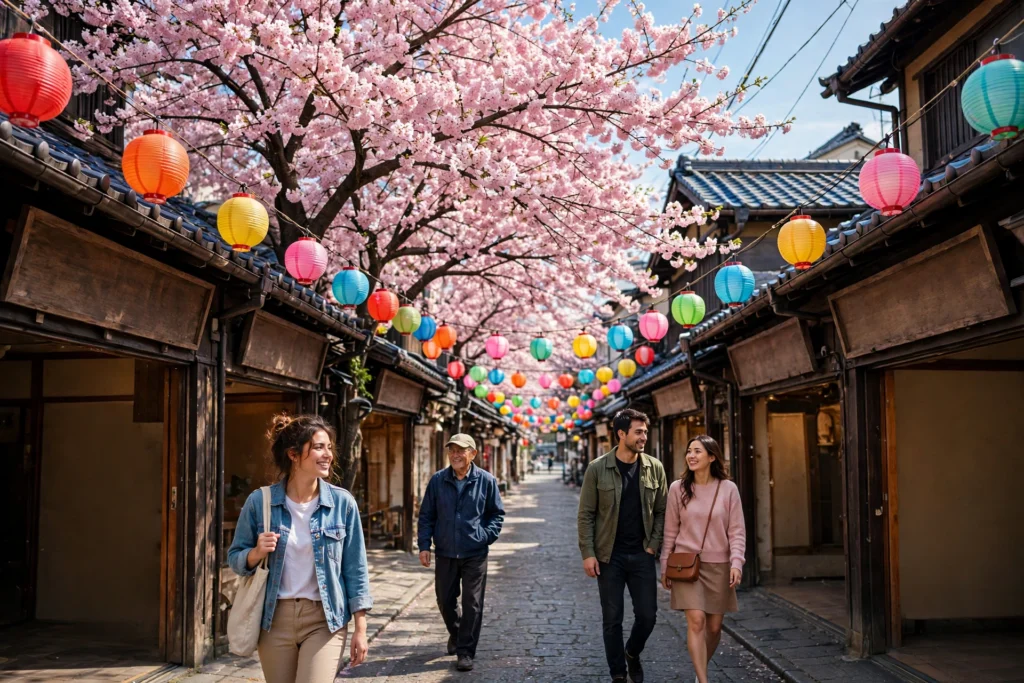
Tokyo is the most playful big city on earth, and the playfulness is in the details. A vending machine that sells hot soup. A department store food hall the size of a village. A cat cafe, an owl cafe and a robot restaurant, all within a few streets of each other. A crossing where a thousand people step into the street at once, in perfect unhurried order, while giant screens flash above them. Tokyo rewards the traveller who wanders without a plan, because every neighbourhood is a different city: Harajuku’s teenagers in impossible outfits, Akihabara’s arcades stacked floor on floor with claw machines and retro games, Shimokitazawa’s vintage shops and tiny bars, Yanaka’s old wooden houses and cats, and Asakusa’s temple street where you can eat your way from one end to the other.
The food is a whole section of fun on its own. Start the day at a standing sushi bar where the chef hands you one piece at a time, eat lunch from a department store basement food hall (the Japanese call it depachika, and it is the best supermarket experience in the world), and end it in a smoky izakaya alley in Shinjuku’s Omoide Yokocho, where six-seat bars serve grilled skewers and cold beer to strangers who become friends by the second drink. The city’s arcades deserve a whole evening: rhythm games, photo booths, claw machines and racing simulators, all loud and lit and wonderfully unserious. And then there is the simple pleasure of riding the trains — clean, silent, on time to the second — and watching the city slide past the window.
What makes it fun
Tokyo’s fun is that it never stops inventing. The city treats play as a serious business: the arcades are engineered, the food halls are curated, the themed cafes are committed to the bit. It is also one of the safest big cities in the world to wander in at night, which means the fun does not have a curfew. The cherry blossom season in late March and early April turns the whole city pink and fills the parks with picnics — hanami, the flower-viewing party, is the most joyful public celebration in Japan, and everyone is invited.
Who it suits
Curious adults, couples, teenagers and food lovers. Tokyo suits people who like cities that reward attention: the best things here are often small, hidden and unmarked. Families with older kids love the arcades, the themed cafes and the sheer spectacle; families with very young children will find the crowds and the stairs tiring, though the city’s parks and the excellent children’s museums help. First-time visitors to Japan should give Tokyo at least four days — the city is enormous, and rushing it is the one real mistake.
Best season to go
March to May for cherry blossom and mild weather, and November for autumn leaves and clear skies. Summer (June to August) is hot and humid, with festivals and fireworks to compensate. Winter is cold but crisp and clear, with fewer crowds and the best views of Mount Fuji from the city’s western edge. If you want the full Japan planning picture — costs, seasons and routes — our how much to travel to Japan guide has the detail.
Bangkok, Thailand: Street Food, Night Markets and Island Days
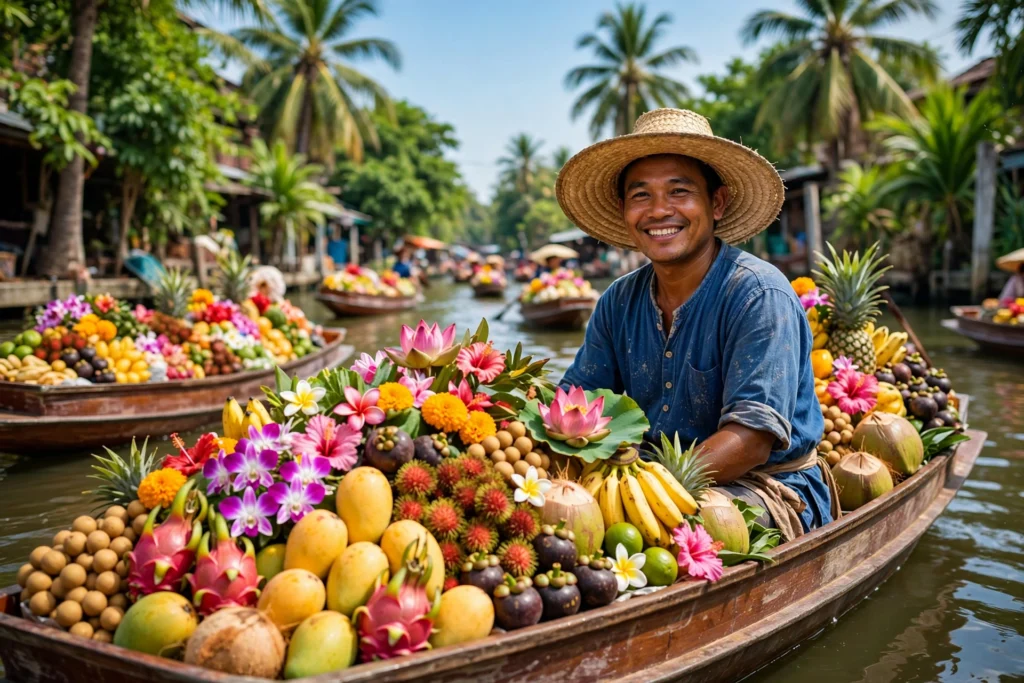
Bangkok is the food capital of this guide, and the fun starts the moment you step off the plane and smell grilled satay from a street cart. This is a city where some of the best meals in the world cost less than a coffee back home, served from carts, boats and shophouse kitchens that have been perfecting one dish for decades. The floating markets — Damnoen Saduak and the quieter Amphawa — are the most playful way to eat: vendors paddle boats piled with fruit, flowers and steaming bowls of noodles right up to your boat, and you eat on the water. Back in the city, the night markets are the evening’s entertainment: Chatuchak on weekends is a maze of thousands of stalls, and the riverside Asiatique market mixes shopping, street food and a giant Ferris wheel.
But Bangkok is more than food. The temples are genuinely fun to explore: Wat Arun, the Temple of Dawn, is a tower covered in broken porcelain that catches the light at sunset, and the climb to the top is steep enough to feel like an achievement. The Grand Palace is a glittering city-within-a-city that rewards a slow morning. The Chao Phraya river is the city’s best transport and its best view — hop on a river boat at sunset and watch the temples and hotels slide past in golden light. And when the city gets too hot or too loud, the islands are close: an hour or two by road and boat brings you to Koh Samet or Koh Chang, where the pace drops to beach speed and the fun becomes swimming, kayaking and long seafood lunches. Our Thailand travel guide covers the routes, the islands and the practical detail.
What makes it fun
Bangkok’s fun is sensory and social. The city is loud, colourful, fragrant and chaotic in the best way, and it rewards travellers who dive in rather than observe from a distance. A cooking class — market tour in the morning, hands-on cooking at lunch — is one of the best-value activities in Asia and a souvenir that lasts longer than anything you can buy. The tuk-tuk ride is an experience in itself: agree the price before you get in, hold on, and enjoy the open-air rush through the traffic.
Who it suits
Food lovers first, but also couples, groups of friends and families — Bangkok is one of the most family-friendly big cities in Asia, with temples, river boats, markets and animal parks that keep kids engaged. It suits budget travellers better than almost anywhere else in this guide: good food, good hotels and good transport all cost far less than in Europe or North America. It suits people who like their cities warm, busy and a little bit chaotic — if you want quiet and orderly, look at Ljubljana instead.
Best season to go
November to February is the cool, dry season — the best weather of the year, and the busiest, so book ahead. March to May is the hottest season, when the city slows down in the afternoon heat and the Songkran water festival in mid-April turns the whole country into the world’s biggest water fight. June to October is the rainy season, with short heavy showers and fewer crowds — and the rain usually clears quickly, so it is a fine time to visit if you do not mind getting wet.
Marrakech, Morocco: Markets, Rooftops and Desert Nights
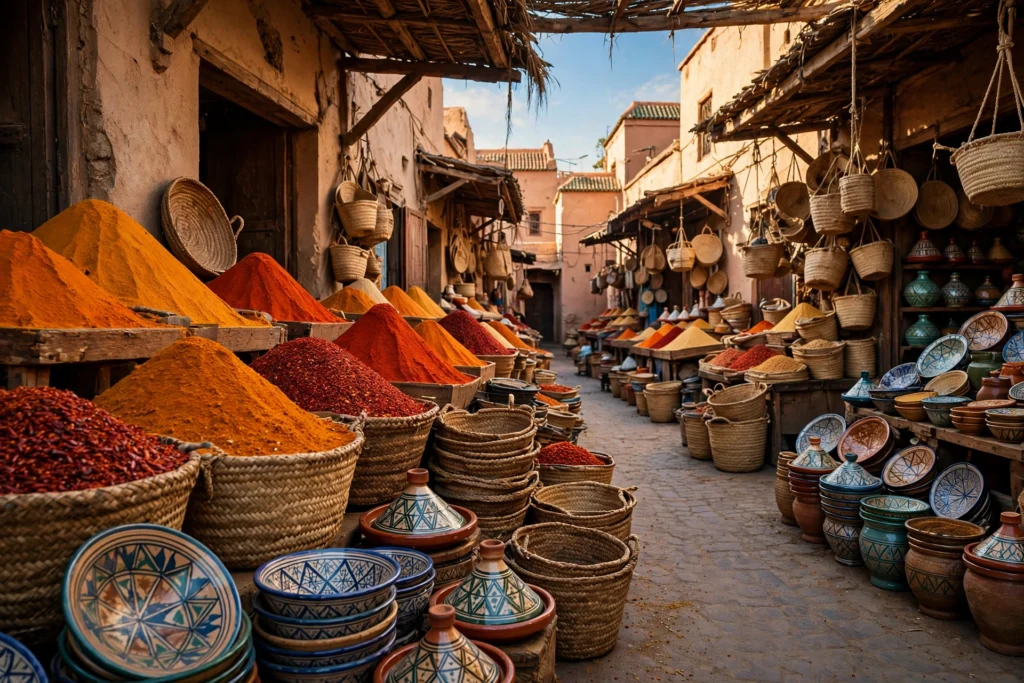
Marrakech is the most theatrical city in this guide. The main square, Jemaa el-Fnaa, changes character three times a day: a quiet market in the morning, a snake charmer and storyteller stage in the afternoon, and at sunset a vast open-air food market where smoke rises from a hundred grills and the whole city seems to come out to eat. Step into the souks — the covered market lanes — and the fun becomes a game: spices piled in bright pyramids, leather bags in every colour, lanterns that throw patterned light across the walls, and shopkeepers who treat haggling as a friendly sport rather than a transaction. The trick is to enjoy the game: smile, offer half, meet in the middle, and walk away happy whether you buy or not.
Beyond the markets, Marrakech rewards the slow wanderer. The Jardin Majorelle is a cobalt-blue garden of cacti and calm, the Bahia Palace is a maze of painted ceilings and courtyards, and the rooftop cafes of the medina are the best seats in the city — order mint tea, watch the sun set over the rooftops, and listen to the call to prayer roll across the old town. The real adventure starts outside the city: a day trip into the Atlas Mountains brings waterfalls, Berber villages and mountain trails, and an overnight trip to the Agafay desert or the Sahara dunes brings camel rides, a night in a desert camp and a sky full of stars. Our Morocco travel guide has the full routes and practical detail.
What makes it fun
Marrakech’s fun is the senses. Nowhere else in this guide smells, sounds and looks so different from home: the spice markets, the call to prayer, the pink walls at sunset, the mint tea poured from a height. The desert night is the standout experience — dinner under the stars, music around a fire, and a silence so complete it feels like a different planet. And the city is genuinely affordable: a rooftop dinner, a cooking class or a hammam (traditional bathhouse) all cost far less than their European equivalents.
Who it suits
Culture lovers, couples, photographers and groups of friends. Marrakech suits people who enjoy a bit of beautiful chaos — the medina is a maze, the mopeds are fearless, and getting lost is part of the experience. Families with older kids love the markets, the desert and the gardens; families with very young children may find the crowds and the heat hard work. If you want the food story in full, a Marrakech cooking class — shopping in the souks, then cooking tagine and bread in a riad kitchen — is one of the best-value food experiences in this guide.
Best season to go
March to May and October to November are the sweet spots: warm days, cool evenings and comfortable walking weather. Summer (June to September) is very hot — over 40°C on the worst days — though the desert nights stay magical and the city empties of crowds. Winter is mild and sunny, with snow on the Atlas Mountains visible from the rooftops, and it is a lovely time to visit if you do not mind cool evenings. The Ramadan dates move every year, so check the calendar: during Ramadan the city is quieter by day and livelier after sunset, which suits night owls.
Rio de Janeiro, Brazil: Carnival Energy, Samba and Beach Days
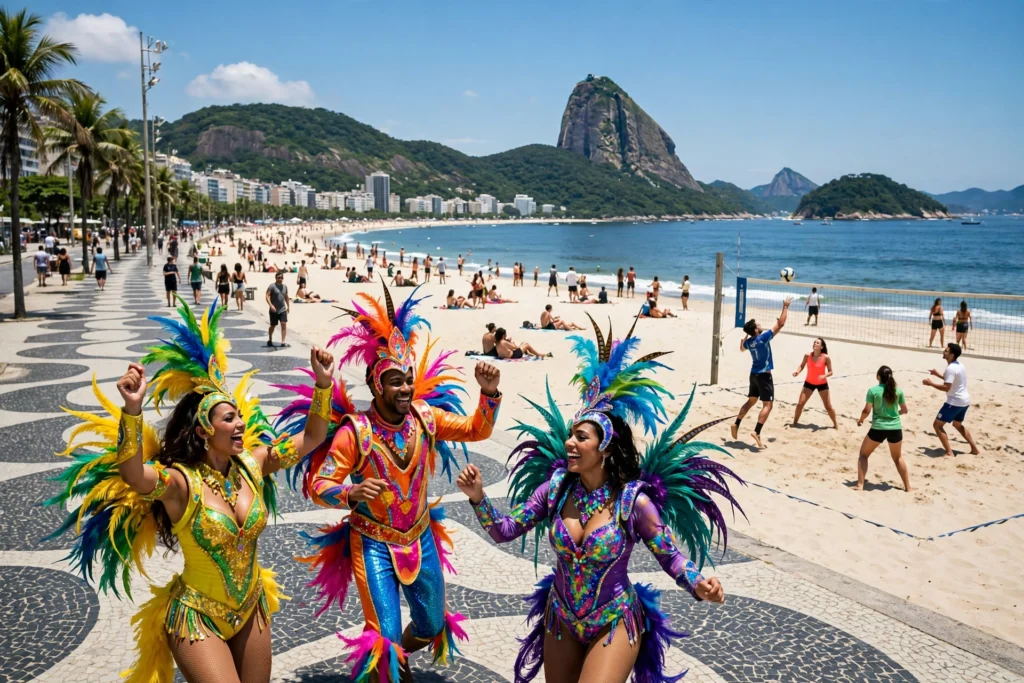
Rio is the loudest fun in this guide, and it starts with the setting: a city where forested mountains drop straight into the sea, where the beach is a way of life rather than a place you visit, and where the music never really stops. The beaches are the daily fun — Copacabana’s wave-patterned promenade, Ipanema’s surf and sunset crowds, and the beach volleyball, football and samba circles that run from morning to night. The viewpoints are the big wow moments: Sugarloaf Mountain by cable car at sunset, and Christ the Redeemer with the whole city spread out below, both worth every minute of the queue. Our Rio de Janeiro travel guide covers the neighbourhoods, the safety picture and the planning in full.
Then there is Carnival, the biggest party on earth. The core festivities run from the Friday before Lent to Shrove Tuesday — in 2027 that is 5 to 9 February, with the top samba schools parading at the Sambadrome on 7, 8 and 9 February and the Champions’ Parade on Saturday 13 February. The Sambadrome parades are a spectacle on a scale nothing else matches: twelve samba schools, thousands of dancers in feathered costumes, floats the size of buildings, and drums you feel in your chest. But the street parties — the blocos — are where most Cariocas actually spend Carnival: free, open, joyful street bands that wind through the neighbourhoods for weeks, and anyone can join. If you go for Carnival, book accommodation months ahead, buy Sambadrome tickets only through the official channels, and keep the street party days in your plan — they are the best part, and they cost nothing.
What makes it fun
Rio’s fun is the energy. The city is built for being outside: beach in the morning, viewpoint at sunset, samba in the evening. The samba schools rehearse for months before Carnival, and visitors can join a rehearsal night — a sweaty, joyful, gloriously loud evening that costs little and delivers one of the best nights out in this whole guide. Even outside Carnival, the weekend street parties, the live music bars of Lapa and the beach culture mean Rio rarely has a quiet day.
Who it suits
Festival lovers, couples, groups of friends and anyone who likes a city with a pulse. Rio suits confident travellers who enjoy crowds and noise — if you want peace and quiet, this is the wrong city. Families can enjoy Rio too, especially the beaches and the cable cars, but Carnival itself is best left to adults and older teenagers. Take the usual big-city precautions: keep valuables out of sight on the beach, use ride-hailing at night, and check the current safety picture on the US State Department travel advisories hub before you go.
Best season to go
December to March is summer: hot, beach-perfect weather and Carnival season. February is the Carnival month — the most fun and the most crowded, with the highest prices. April to June and September to November are cooler and quieter, with good beach weather on most days and far fewer crowds. Winter (June to August) is mild by northern standards and a good time for viewpoints and hiking, though the beach days are cooler.
Festivals worth timing your trip around
| Festival | Where | When | What makes it fun |
|---|---|---|---|
| Rio Carnival | Rio de Janeiro, Brazil | February (5–9 Feb in 2027) | Samba parades and free street blocos |
| Venice Carnival | Venice, Italy | February (before Lent) | Masks, costumes and canal parades |
| Songkran | Bangkok, Thailand | Mid-April | The world’s biggest water fight |
| Holi | India (and Marrakech’s spring festivals) | March | Colour, music and street celebration |
| La Tomatina | Buñol, near Valencia, Spain | Last Wednesday of August | A joyful tomato-throwing street battle |
| New Year in Valparaíso | Valparaíso, Chile | 31 December | Fireworks over the bay and hillside parties |
Venice, Italy: Getting Lost Is the Whole Point
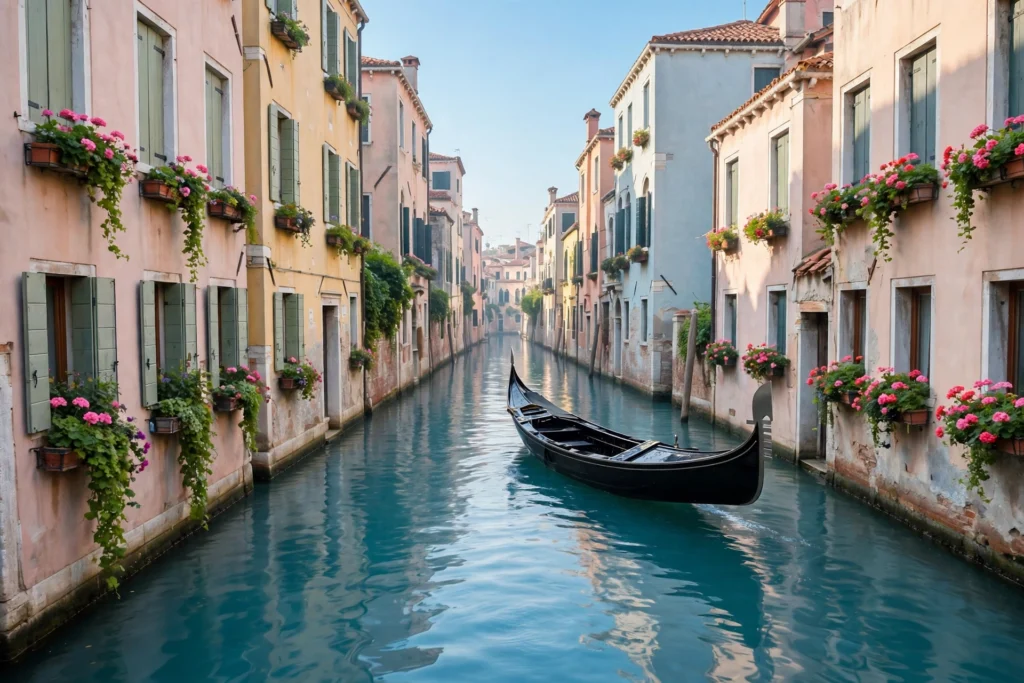
Venice is the only city in this guide where getting lost is the main attraction. There are no cars, no straight roads and no street signs you can trust — just canals, bridges, dead ends and sudden small squares where a cafe appears like a reward. The fun is to put the map away and wander: turn down the narrowest alley, cross a bridge you did not plan to cross, and see where you end up. You will find mask shops where artisans paint carnival masks by hand, bookshops with gondolas full of books, wine bars the size of cupboards serving cicchetti (small Venetian snacks) by the glass, and courtyards so quiet you can hear your own footsteps. Our Venice travel guide has the routes and the detail; this is the fun-first version.
The classics are classic for a reason. A gondola ride is expensive and absolutely worth doing once — go at sunset, when the light turns the canals gold and the city is at its most beautiful. The vaporetto (water bus) is the budget version of the same pleasure: ride the Grand Canal from the station to St Mark’s and watch the palaces slide past. St Mark’s Square at dawn, before the crowds arrive, is a different place from the square at noon — go early, then escape to the quieter districts of Cannaregio and Dorsoduro, where Venetians actually live. And if you visit in February, the Venice Carnival turns the city into a masked ball: elaborate costumes, street performances and a floating parade on the canals.
One practical note that catches visitors out: Venice now charges day-trippers an access fee on designated peak days — €5 if you book in advance, €10 if you leave it late — and overnight guests are exempt but still need to register for a free code. Book on the city’s own portal, cda.ve.it, and never through a reseller. The fee applies only on the published peak days, mostly in spring and summer, and only between morning and mid-afternoon — check the official calendar for your dates on cda.ve.it.
What makes it fun
Venice’s fun is slow and sensory: the sound of water, the smell of the lagoon, the surprise of a hidden square. The mask-making workshops are a delight — many let you paint your own mask to take home, which is a better souvenir than anything in the tourist shops. The cicchetti crawl is the city’s best evening: move from wine bar to wine bar, one small plate and one small glass at a time, and let the evening unfold. And the islands are a day trip in themselves: Murano’s glassblowers, Burano’s rainbow houses and Torcello’s quiet church, all reached by vaporetto.
Who it suits
Couples, art lovers, slow travellers and anyone who enjoys wandering. Venice suits people who like their fun gentle — no adrenaline, no noise, just beauty and surprise. Families with older kids enjoy the boats, the masks and the maze-like streets; families with pushchairs will find the bridges hard work. If you hate crowds, come in November or January, when the city is misty, quiet and at its most romantic — and the access fee does not apply on most winter days.
Best season to go
April to June and September to October are the sweet spots: warm weather, long days and manageable crowds. July and August are hot and packed. February brings Carnival and the city’s most theatrical week. November to January is the quiet season — misty, cold and beautiful, with the chance of acqua alta (high water) adding to the drama. Whatever the season, stay overnight if you can: Venice after dark, when the day-trippers leave, is a different and much more magical city.
Barcelona, Spain: Gaudí, Tapas and a City Beach
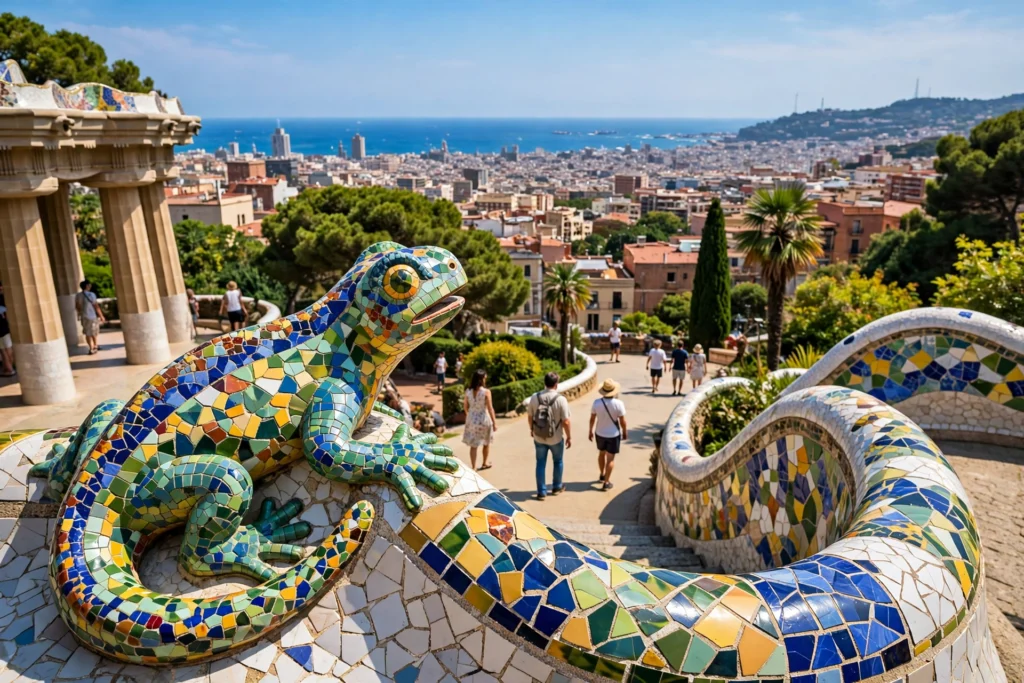
Barcelona is the easiest fun in this guide: a city where you can look at world-famous architecture in the morning, eat your way through a market at lunch and swim in the sea in the afternoon, all on foot. The Gaudí buildings are the heart of it — the Sagrada Família, still being built after more than a century, with its forest of stone columns and coloured light; Park Güell, where a mosaic lizard guards a terrace with a view over the whole city; and Casa Batlló, a house that looks like it grew rather than was built. They are playful in a way few famous buildings are: Gaudí designed for delight, and it shows.
The food is the second act. La Boqueria market, just off the Ramblas, is a feast for the senses — pyramids of fruit, stalls of jamón, counters of fresh seafood — and the tapas bars around it are the place to eat standing up, one small plate at a time. The Gràcia neighbourhood is the locals’ favourite: small squares, family-run bars and a village feel in the middle of the city. And then there is the beach — Barceloneta, a proper city beach with sand, volleyball and beach bars, a ten-minute walk from the old town. Few cities in the world let you go from a cathedral to a swim in the same afternoon.
What makes it fun
Barcelona’s fun is the mix. It is a beach city and a culture city at the same time, and the two halves make each other better: the morning at the Sagrada Família earns the afternoon on the sand, and the evening tapas crawl is the reward for both. The city’s festivals add another layer — the Festes de la Mercè in late September fills the streets with human towers, fire runs and concerts, and the Sant Joan midsummer night in June is a beach party with fireworks. The street life is the fun too: the squares, the markets, the late dinners that start at nine and end at midnight.
Who it suits
Food lovers, couples, families and art lovers — Barcelona is one of the most broadly appealing cities in this guide. It suits first-time visitors to Europe particularly well: the sights are close together, the food is approachable, the beach is free and the city is easy to navigate. Families love the beach, the parks and the Gaudí buildings (children see a fairy-tale castle where adults see architecture). Watch your belongings on the Ramblas and the metro — pickpockets work the busy spots — and book the Sagrada Família and Park Güell in advance, because they sell out.
Best season to go
May to June and September to October are ideal: warm, sunny and lively without the August crush. July and August are hot and crowded, with many locals away on holiday. Winter is mild and quiet, with lower prices and shorter queues — a good time for the architecture and the food, a poor time for the beach. Spring brings the best of everything: festivals, markets and long evenings.
Bali, Indonesia: Temples, Rice Terraces and Surf for Every Level
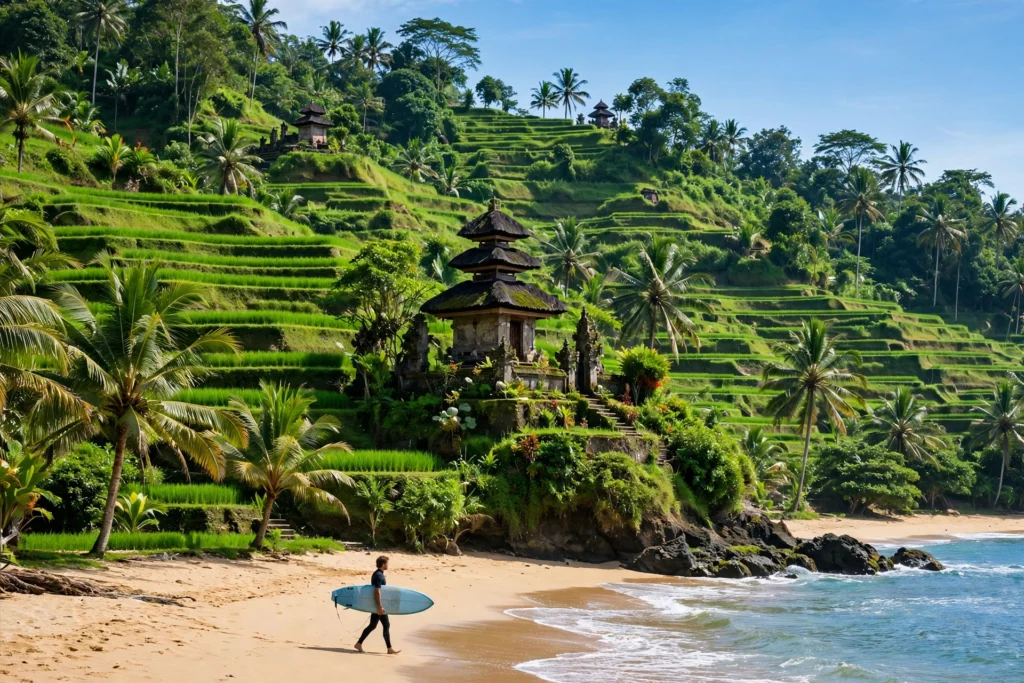
Bali is the most complete family fun in this guide, and the most forgiving first trip to Asia. The island packs an extraordinary amount into a small space: emerald rice terraces that climb the hills in perfect steps, temples where incense smoke drifts through the morning, volcanoes you can climb at dawn, beaches with surf for every level, and a food scene that runs from beachside warungs (small family restaurants) to some of the best restaurants in Asia. The rice terraces of Tegalalang, near Ubud, are the classic first stop — walk down into the terraces, cross the bamboo bridges and feel like you have stepped into a painting. Ubud itself is the island’s cultural heart: craft villages, dance performances, monkey forest and a pace that invites you to slow down.
The surf is Bali’s great equaliser. Kuta and Canggu have gentle, sandy-bottomed waves that are ideal for first-timers, with surf schools on every corner and boards for hire by the hour. More experienced surfers head to Uluwatu’s reef breaks or the long waves of Medewi. And the water fun does not stop at surfing: snorkelling at Amed, diving at Tulamben’s wartime shipwreck, and day trips to the Nusa islands for manta rays and clear water. The temples add the culture: Tanah Lot, perched on a rock in the sea and best at sunset; Uluwatu, on a cliff above the surf, with a fire dance at dusk; and the water temple of Tirta Empul, where visitors join locals in the purification pools.
What makes it fun
Bali’s fun is the variety in a single day. You can watch the sunrise from a volcano, walk through rice terraces, take a cooking class, surf at sunset and eat dinner on the beach — and none of it costs very much. The island is famously welcoming, the service culture is warm, and the range of accommodation — from family guesthouses to pool villas — means every budget finds a good base. The food is a highlight in itself: nasi goreng and mie goreng from a warung, fresh seafood grilled on the beach at Jimbaran, and tropical fruit you have never seen before at the morning markets.
Who it suits
Families first — Bali is the easiest place in this guide to travel with children, with beaches, pools, temples, animals and activities for every age. It also suits couples, first-time Asia travellers and anyone who wants a lot of variety without a lot of planning. Surfers of every level will find their wave. If you want nightlife, the beach clubs of Seminyak and Canggu deliver; if you want quiet, the north coast and the central highlands are peaceful and green. For family trip planning, our places to travel with kids guide has more ideas.
Best season to go
April to October is the dry season: sunny days, lower humidity and the best conditions for surfing, diving and hiking. July and August are the busiest months. November to March is the rainy season, with short tropical downpours and fewer crowds — the island is at its greenest then, and the prices drop. The shoulder months of April, May, September and October are the sweet spots: good weather, green terraces and manageable crowds.
Australia’s Gold Coast and Great Barrier Reef: Surf, Snorkel and Theme Parks
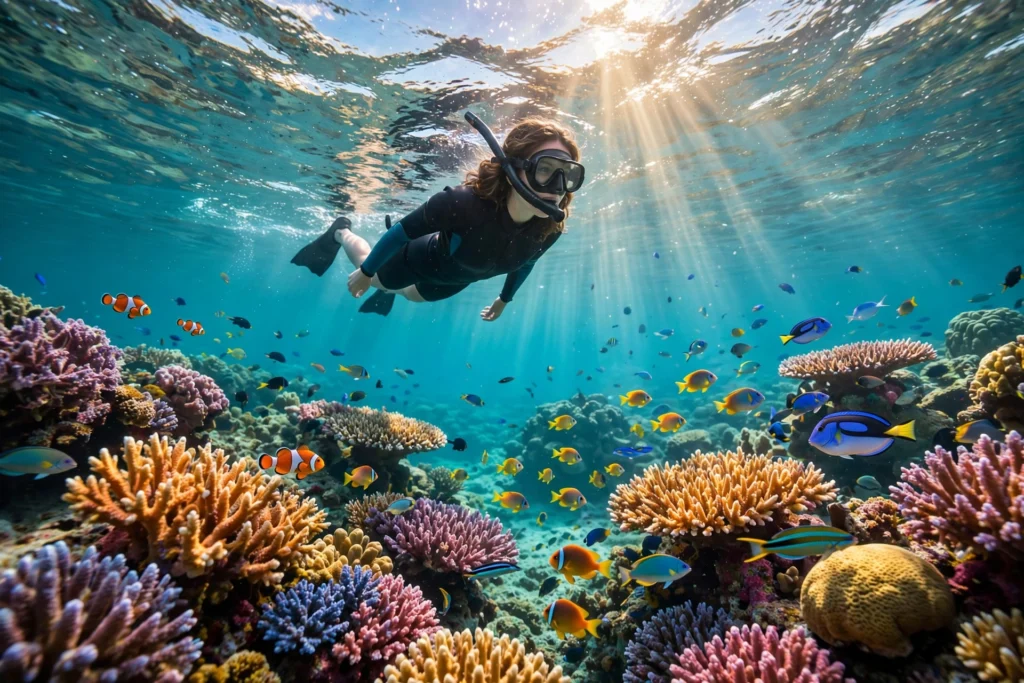
Australia’s east coast delivers two kinds of water fun in one trip, and they could not be more different. The Gold Coast, in Queensland, is the surf-and-playground half: long golden beaches, reliable waves for learners, and a cluster of theme parks that make it the family capital of Australian travel. Surfers Paradise is the famous beach, but the quieter stretches at Burleigh Heads and Currumbin are better for families — patrolled, gentle and backed by parks and cafes. The theme parks are the rainy-day insurance: roller coasters, water slides and wildlife parks, all within a short drive of each other, and a full day each if you want to do them properly. Our Australia travel guide covers the routes and the planning.
Then, a short flight north, comes the Great Barrier Reef — the world’s largest coral reef system, a living structure so big it is visible from space, and the most spectacular snorkelling on earth. The reef trips from Cairns and Port Douglas take you to outer reef pontoons where the water is clear, the coral is bright and the fish are everywhere: clownfish in the anemones, turtles gliding past, rays on the sand below. You do not need to be a diver — snorkelling from the pontoon is enough, and most boats carry glass-bottom boats and semi-submersibles for anyone who would rather stay dry. The reef is a natural wonder, and it is also fragile: choose operators who follow reef-safe practices, wear reef-safe sunscreen, and never touch the coral.
What makes it fun
The fun here is the contrast: high-energy theme parks and surf beaches one day, floating over a coral garden the next. The Gold Coast is unashamedly fun — it does not pretend to be anything else — and the reef is quietly awe-inspiring in a way that stays with you. Between the two, the Queensland coast offers rainforest walks, river kayaking and wildlife parks, so the trip never runs out of things to do.
Who it suits
Families above all — the Gold Coast is built for them, and the reef trips welcome children with life jackets, glass-bottom boats and junior snorkel gear. It suits snorkellers and beach lovers of every age, and first-time visitors to Australia who want the icons (reef, surf, wildlife) without a huge amount of driving. Serious divers will want the liveaboard trips to the outer reef; casual swimmers will be happy on the day boats. If you are travelling with a baby or toddler, our best places to travel with a baby guide has practical tips that apply here too.
Best season to go
June to October is the best reef season: dry, sunny, cooler water and the best visibility. The Gold Coast is good year-round, with warm weather in every month and the warmest water from December to April. November to May is the wet season in the far north, with tropical rain and the chance of cyclones — the reef trips still run, but the weather is less reliable. Australian school holidays (especially late December to January and Easter) are the busiest and most expensive times, so travel outside them if you can.
Family fun by age
| Age group | Best fun in this guide | Places to try it |
|---|---|---|
| Ages 4–7 | Beaches, theme parks, gentle wildlife | Gold Coast, Bali, Cape Town penguins |
| Ages 8–12 | Surf lessons, snorkelling, canoeing | Bali, Banff, Great Barrier Reef |
| Ages 13–17 | Bungy, jet boats, hikes, arcades | Queenstown, Iceland, Tokyo, Banff |
| All ages together | Markets, festivals, boat trips, hot springs | Bangkok, Rio, Venice, Iceland |
Cape Town, South Africa: Penguins, Mountains and Two Oceans
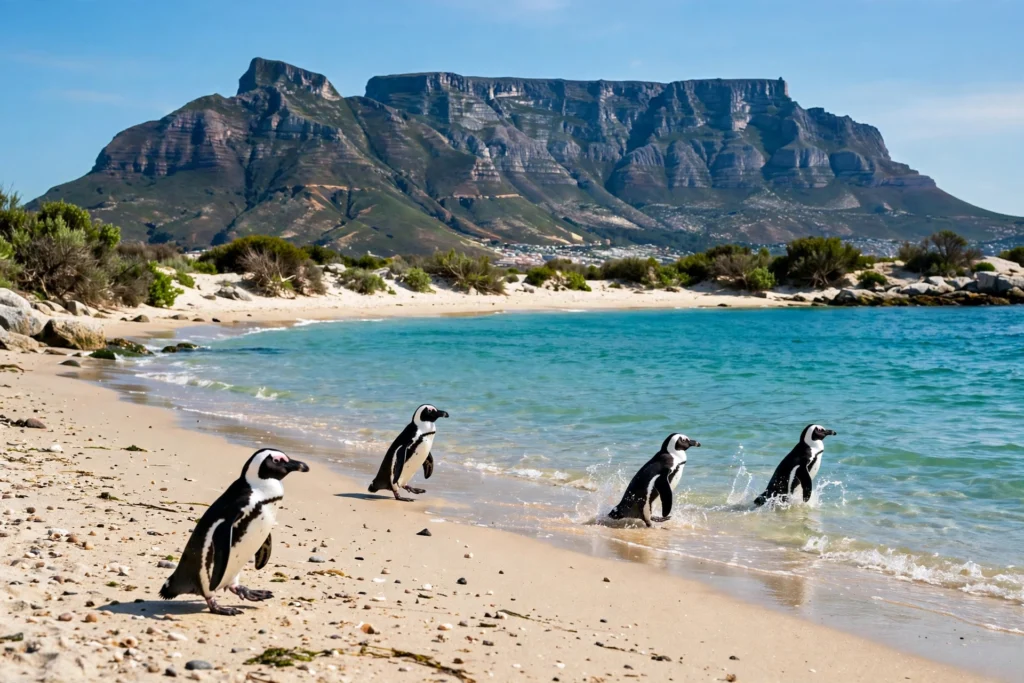
Cape Town is the most surprising fun in this guide, because it packs so many different kinds into one city. There is a mountain in the middle of it — Table Mountain, flat-topped and unmistakable — and you can ride the cable car to the top in minutes and walk the plateau with the whole city and both oceans spread out below. There are penguins on the beach: Boulders Beach, near Simon’s Town, is home to a colony of African penguins that waddle between the boulders and swim in the sheltered coves, and watching them is pure joy. There are two oceans meeting at the Cape of Good Hope, an hour’s drive down the peninsula past baboons, ostriches and some of the most dramatic coastal road in the world. And there is the city itself: the V&A Waterfront with its markets and harbour, the colourful houses of Bo-Kaap, and the winelands of Stellenbosch and Franschhoek an hour inland, where the tastings are generous and the mountain views are free.
The peninsula drive is the essential Cape Town day: start at the city, drive the Chapman’s Peak road (a cliff road carved into the mountainside, with viewpoints every few minutes), stop at the Cape of Good Hope for the lighthouse and the signpost, and end at Boulders Beach for the penguins. The Kirstenbosch botanical garden, on the slopes of Table Mountain, is one of the most beautiful gardens in the world and a perfect picnic spot. And the food is a revelation — Cape Town’s restaurants, markets and wine farms are world-class and remarkably affordable by European or American standards.
What makes it fun
Cape Town’s fun is the variety in a single day: mountain in the morning, penguins at lunch, wine tasting in the afternoon. The city is beautiful in a way that sneaks up on you — every turn reveals another view — and the wildlife is woven into the everyday: penguins on the beach, baboons on the road, whales breaching off the coast in season (June to November is whale season, and Hermanus, two hours away, is one of the best land-based whale watching spots in the world). The winelands add a grown-up pleasure to the trip, and the markets add the colour.
Who it suits
Families, wildlife lovers and active travellers. Cape Town suits people who like their trips to mix nature and city: the mountain and the penguins for the kids, the wine and the restaurants for the adults, and the views for everyone. It suits photographers, hikers and anyone who enjoys a city with a wild edge. Take the usual precautions for a big South African city: use ride-hailing at night, keep valuables out of sight, and check the current safety picture on the US State Department travel advisories hub before you go.
Best season to go
November to March is summer: warm, dry and sunny, with the best beach weather and the longest days. December and January are the busiest months. Winter (June to August) is cooler and wetter but brings the whale season and lower prices — and the city is still beautiful in the rain. Spring (September to October) brings wildflowers to the peninsula and fewer crowds, and it is one of the best times to visit.
Underrated Fun Places Worth a Detour — and What a Fun Trip Costs
The twelve places above are the headliners, but some of the best fun in travel is in the places the big lists skip. These four underrated picks each deliver a different kind of fun, with smaller crowds and lower prices than the famous names — and they are the places travellers come home raving about.
Ljubljana, Slovenia — the underrated quirky city
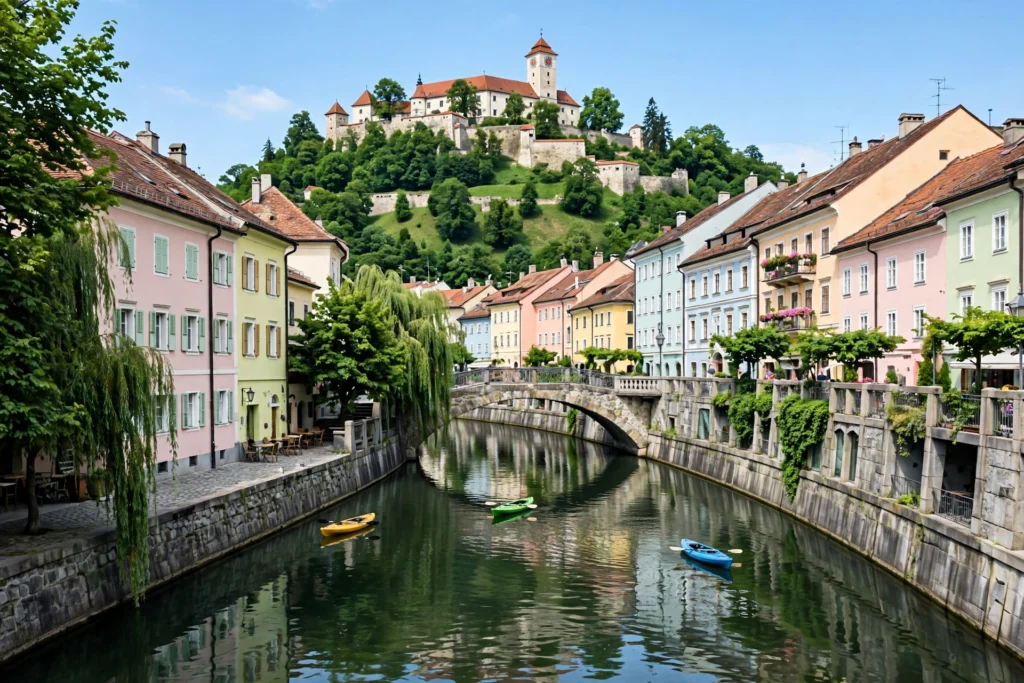
Ljubljana is the most charming small capital in Europe, and most travellers have never heard of it. The old town is car-free, the river is lined with cafes, the castle sits on a green hill above it all, and the whole city is walkable in a day — which leaves time for the fun: kayaking down the river, cycling to the nearby lake, and eating in the open-air market on Fridays. What makes it fun is the scale: everything is close, everything is relaxed, and nothing is crowded. Who it suits: couples, slow travellers and first-time Europe visitors who want a gentle introduction. Best season: May to September, when the cafes spill onto the riverbanks and the evenings are long.
Hoi An, Vietnam — the underrated food town
Hoi An is a lantern-lit old town on Vietnam’s central coast, and its fun is food and craft. The night market glows with hundreds of silk lanterns, the tailors will make you a suit in a day, and the cooking classes — market tour, boat ride, hands-on cooking — are among the best in Asia. Cycling through the rice paddies to the beach takes twenty minutes and feels like a different world. What makes it fun is the sensory overload done gently: beautiful, delicious and unhurried. Who it suits: food lovers, couples and families. Best season: February to April, when the weather is warm and dry.
Rotorua, New Zealand — the underrated adventure town
Rotorua is Queenstown’s quieter cousin: geothermal parks where mud pools bubble and geysers erupt, a living Maori village where you can watch traditional carving and cooking, mountain biking through redwood forest and kayaking on the lakes. The fun is gentler than Queenstown — no 134-metre jumps — but the culture is deeper, and the pace suits families better. What makes it fun is the ground itself: nowhere else can you walk through a park where the earth steams. Who it suits: families, curious travellers and culture lovers. Best season: year-round, with the geothermal parks at their steamiest in the cooler months.
Valparaíso, Chile — the underrated festival city
Valparaíso is a hillside port city painted in every colour, with funiculars climbing the steep streets, street art on every wall and one of the best New Year’s Eve fireworks shows in the world. The fun is the wandering: ride the funiculars, follow the murals uphill, and end the day in a seafood restaurant overlooking the bay. What makes it fun is the colour and the chaos — it is a working port that happens to be an open-air art gallery. Who it suits: art lovers, photographers and couples. Best season: December to March, the southern summer, with New Year’s Eve as the peak party.
What a fun trip costs: planning ranges
The figures below are planning ranges for a mid-range trip — comfortable hotels, local food, public transport and the activities in this guide — not live prices and not a promise. Flights are the biggest variable: they depend on where you fly from, when you book and the season, so check live fares before you fix a budget. Our how to prepare a travel budget guide has the full method.
| Trip | Daily planning range (per person, excluding flights) | What drives the cost |
|---|---|---|
| Queenstown, New Zealand | Higher range | Adventure activities, priced per activity |
| Iceland (self-drive) | Higher range | Fuel, food and accommodation |
| Banff, Canada | Mid range | Park passes, canoe hire, hotels in season |
| Tokyo, Japan | Mid to higher range | Food halls cheap, hotels and trains add up |
| Bangkok, Thailand | Lower range | Street food, cheap transport, good-value hotels |
| Marrakech, Morocco | Lower range | Affordable food, riads and desert trips |
| Rio de Janeiro, Brazil | Mid range | Carnival week much higher; rest of year moderate |
| Venice, Italy | Mid to higher range | Hotels and gondolas; day trips cheaper |
| Barcelona, Spain | Mid range | Tapas cheap, Gaudí tickets and hotels add up |
| Bali, Indonesia | Lower range | Great value food, stays and activities |
| Gold Coast and Great Barrier Reef | Mid to higher range | Reef day trips and theme parks priced per day |
| Cape Town, South Africa | Lower to mid range | Excellent value food, wine and stays |
| Ljubljana, Hoi An, Rotorua, Valparaíso | Lower to mid range | The underrated picks are also the cheaper ones |
A practical rule that holds across all sixteen places: the activities are the fun, so budget for them first and let the hotel be the flexible part. A cheaper room and a bungy jump beats a luxury room and an empty day — and in Bangkok, Marrakech, Bali and Cape Town, the cheaper room is usually charming anyway.
Frequently Asked Questions About Fun Places to Travel To
What are the most fun places to travel to in the world?
The most fun places to travel to are the ones built around doing things: Queenstown for adventure, Tokyo for playful city life, Bangkok for food, Rio for festivals, Bali for family fun and the Great Barrier Reef for water fun. The right choice depends on the kind of fun you want — pick the feeling first, then the place.
What is the most fun country to visit?
New Zealand is the strongest all-rounder in this guide, with Queenstown’s adventure and Rotorua’s culture on two islands. Thailand is the best for food and value, Japan for playful cities, and South Africa for variety in a single trip. There is no single winner — the best country is the one that matches your kind of fun.
What are fun places to travel to with kids?
Bali, the Gold Coast, Cape Town and Banff are the best family picks in this guide: beaches, theme parks, penguins, canoes and wildlife that work for children and adults at the same time. Queenstown and Iceland suit families with teenagers better. Our places to travel with kids guide has more family ideas.
What are fun places to travel to for couples?
Venice, Marrakech, Tokyo, Barcelona and Bali are the best couples’ picks: romantic settings, great food and activities you can enjoy together, from gondola rides to desert nights. Ljubljana and Hoi An are the quieter, more affordable alternatives.
What is the most fun place to travel to on a budget?
Bangkok, Marrakech, Bali and Cape Town offer the most fun per pound or dollar: great food, affordable stays and activities that cost little or nothing. Ljubljana and Hoi An are the cheapest underrated picks. The expensive places — Iceland, Queenstown, Tokyo — are worth it, but they need a bigger budget.
Where is the best place for adventure travel?
Queenstown, New Zealand, is the adventure capital: bungy jumping began there in 1988, and the town now offers jet boating, canyon swings, skydiving and world-class hiking in one small area. Iceland and Banff are the best alternatives for adventure with a nature focus rather than an adrenaline focus.
What are the best fun places to travel to in February?
February is Carnival month: Rio’s parades run 5–9 February in 2027, and Venice Carnival fills the same weeks with masks and costumes. February is also summer in the southern hemisphere — Queenstown, Cape Town and Valparaíso are at their best. For winter sun in the north, Bangkok and Bali are warm and dry. Our best places to travel in January guide covers the neighbouring month.
Do I need a visa for these fun places?
It depends on your nationality and the destination. US citizens can visit most of the places in this guide visa-free or with a visa on arrival for tourist stays, but the rules are set by each destination country and they change. Check the US State Department travel advisories hub and the destination’s official immigration site before you book.
What is the most underrated fun place to travel to?
Ljubljana, Slovenia, is the most underrated city in this guide — a car-free old town, a castle on a hill, kayaks on the river and cafe culture without the crowds. Hoi An in Vietnam and Rotorua in New Zealand are the other two picks that surprise travellers most.
Are these fun places safe to visit?
The places in this guide are all well-travelled tourist destinations, but every big city has areas and situations to be careful about — pickpockets in Barcelona and Venice, beach theft in Rio, and the usual precautions in Cape Town. Check the current advice for each destination on the US State Department travel advisories hub before you go, and take the standard precautions: keep valuables out of sight, use ride-hailing at night and stay aware in crowds.
How many days do I need for a fun trip?
Five to seven days works for a single place — enough for the highlights plus one unplanned day. Two weeks lets you combine two places properly, such as Bangkok and Bali, or Queenstown and Rotorua. The festival trips (Rio Carnival, Venice Carnival) need only three to five days, but book months ahead.
What should I pack for a fun trip?
Pack for the activity, not the destination: swimwear and reef-safe sunscreen for the water places, good walking shoes for the cities and hikes, a waterproof jacket for Iceland and the waterfalls, and one smart outfit for the rooftop dinners in Marrakech and the restaurants in Cape Town. A small daypack, a reusable water bottle and a power bank cover almost everything else.
Conclusion: Fun Is a Plan, Not an Accident
The most fun places to travel to are not the most famous ones — they are the ones where you do something you will still be talking about next year. A jump off a bridge in Queenstown. A walk behind a waterfall in Iceland. A bowl of noodles eaten from a boat in Bangkok. A night of samba in Rio. A penguin waddling past you on a beach in Cape Town. None of those moments happens by accident: they happen because someone picked the kind of fun first, checked the season, booked the timed things early and left one day unplanned.
So start with the feeling. If you want your heart to race, go to Queenstown. If you want to eat the world, go to Bangkok. If you want a city that plays, go to Tokyo. If you want a party, go to Rio in February. If you want your kids to have the best week of their year, go to Bali or the Gold Coast. And if you want the place nobody else has discovered yet, go to Ljubljana, Hoi An, Rotorua or Valparaíso — and enjoy telling everyone about it afterwards. The fun is out there. Go and do it.
People also read:
- Fun Places to Travel in the US
- Dream Travel Destinations
- Best Travel Destinations
- Luxury Travel Destinations
- Christmas Travel
- Places to Travel With Kids
- Best Places to Travel in January
- Iceland Travel Itinerary
- Rio de Janeiro Travel
- Venice Travel Guide
- Thailand Travel Guide
- Australia Travel Guide

M. Adil is the founder and editor of SoloTravelPro. He writes practical, research-based travel guides that help travellers plan with confidence — from first-time city breaks to national parks and island escapes. Every guide is built on official sources, current prices and honest, usable advice, so readers can plan smarter and travel better.