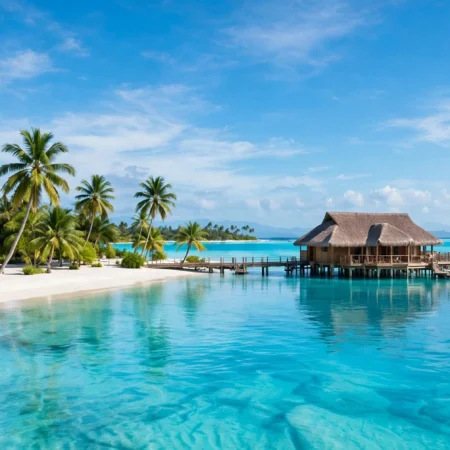
Everyone has a list in their head — the places that make you stop scrolling, the photos you have saved for years, the trip you keep saying “one day” about. The problem is rarely the dreaming. It is the choosing. With limited holiday days, a real budget and a world full of once-in-a-lifetime places, the hardest part of a dream vacation is deciding which dream comes first.
This guide does the narrowing for you. It covers 25 dream travel destinations, organised by the kind of trip they actually are — beaches and islands, ancient wonders, wildlife, mountains and northern lights, and cities that feel like a fairytale — with a best time to go and an honest daily cost for each one. No destination here is a guess: every place below is somewhere travellers consistently put at the top of their bucket list, and several of them are recognised as a UNESCO World Heritage Site, which is a useful sign that a place is genuinely special rather than just well photographed.
Use it in two ways. If you already know your trip type, jump straight to that section. If you are still deciding, start with the “how to choose” section and the best-time table — they will do more for your decision than any single photo.
Quick Answer: The 25 Best Dream Travel Destinations at a Glance
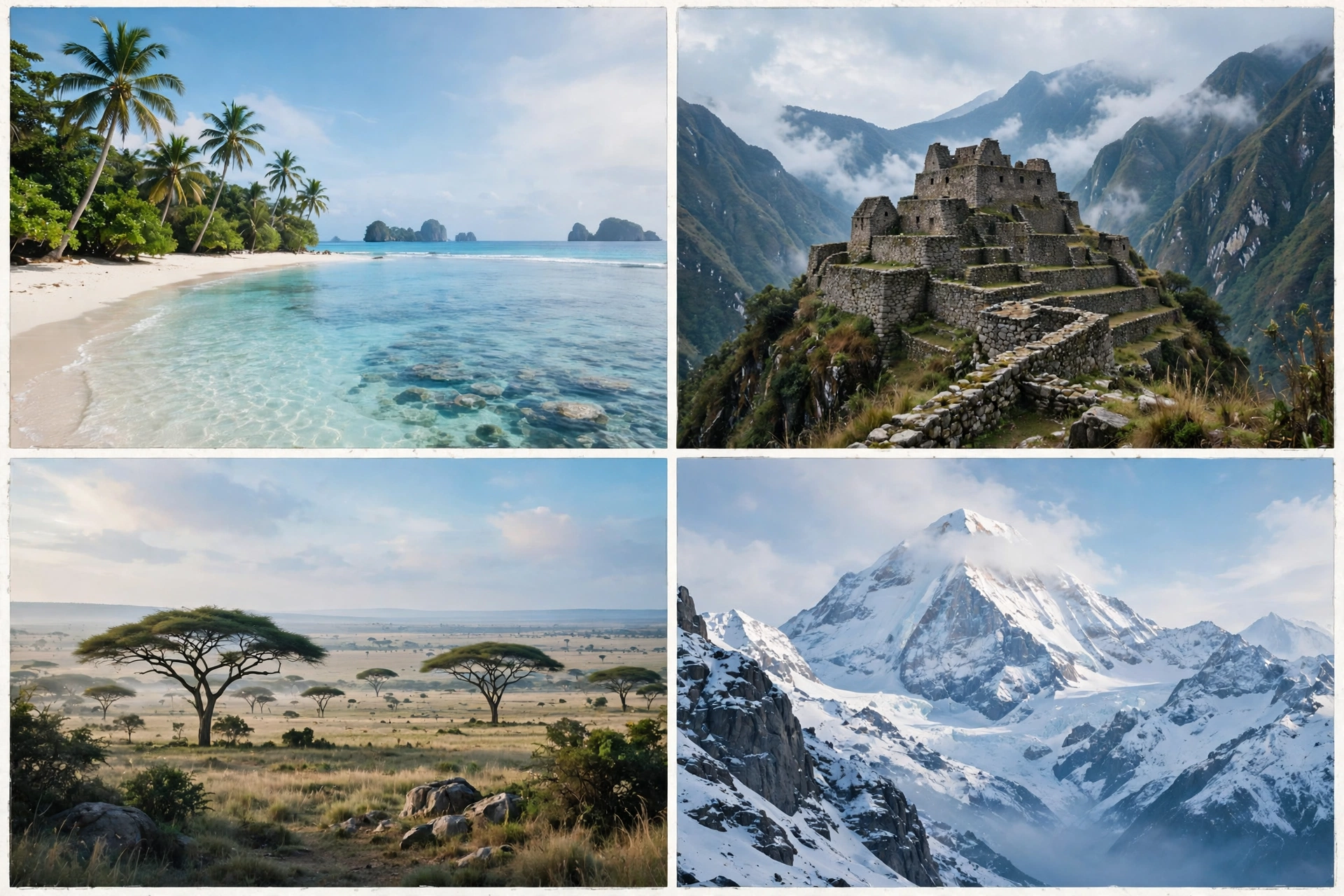
If you want the short version, here it is. The best dream travel destinations are Bora Bora, the Maldives, the Seychelles, Palawan, French Polynesia and the Cook Islands for beaches and islands; Machu Picchu, Petra, Meteora, the Amalfi Coast, Cappadocia and Tikal for ancient history and culture; the Serengeti, the Galapagos Islands, Patagonia, the Great Barrier Reef and Antarctica for wildlife and wild nature; the Lofoten Islands, Banff, Iceland and New Zealand’s South Island for mountains, fjords and northern lights; and Lisbon, Venice, Rio de Janeiro and Singapore for cities that feel like a dream.
The cheapest dream destinations on this list are Tikal in Guatemala, the Amalfi Coast out of season, Cappadocia and Banff — all possible on roughly $80–150 a day. The most expensive are Antarctica, Bora Bora and the Maldives, where a trip can run $400–1,000+ a day. Most of the others sit in between, at $150–300 a day. The full cost indication for every destination is in the budget table further down, and the best-time table tells you exactly when to go.
A dream destination is not the most expensive place on the list. It is the place that matches the trip you actually want — the amount of time you have, the money you can spend without stress, and the kind of days you enjoy. A week on a beach in Palawan can be a better dream trip than a rushed, over-budget week in Bora Bora. Keep that in mind as you read, because the rest of this guide is built around it.
How to Choose Your Dream Destination

Choosing between dream travel destinations is easier when you decide three things first: how much time you have, how much you can spend, and what kind of traveller you are. Answer those honestly and the list narrows itself.
Start with time, not with the map. A place that needs two long flights and a boat transfer is a poor choice for a five-day break, however beautiful it is. For a long weekend, pick a dream destination within one flight of home — Lisbon, the Amalfi Coast or Banff work well from the US East Coast and Europe respectively. For a week, most of the destinations in this guide open up. For two weeks or more, the far-flung ones — French Polynesia, Antarctica, Patagonia — finally make sense, because the journey itself stops eating your holiday.
Then be honest about budget. The daily cost figures in this guide exclude international flights and are rough, per-person, mid-range indications: a comfortable hotel or guesthouse, local transport, meals and the main activities. If your total budget is $2,000, a destination that costs $300 a day is a five-day trip, not a two-week one. There is no shame in that — a short trip done well beats a long trip spent worrying about money. Our guide to how to prepare a travel budget walks through the same maths step by step, and it is worth doing before you book anything.
Then match the trip to your travel style. Do you recharge by doing nothing, or by doing everything? Beach dreamers should weight the island section heavily. History lovers will get more from a week split between Petra and Cappadocia than from a week on a beach they will get bored of by day three. Wildlife watchers need to accept early mornings and long drives — a Serengeti safari is not a lie-in holiday. And if you travel to eat, drink and wander city streets, the city section is your list. The wrong destination for your style is the fastest way to turn a dream vacation into a disappointment, however good the photos look.
Finally, check the practicalities before you fall in love. Some dream destinations need permits booked months ahead — Machu Picchu entry tickets, Galapagos visitor numbers and Antarctica expedition berths all sell out. Some need visas, vaccinations or a passport with six months left on it. And for any destination, check the current official advice on the US State Department travel advisories page before booking, since conditions change and a dream trip depends on being able to travel safely and smoothly. A ten-minute check now saves a cancelled trip later.
Once you have your answers — days, dollars, style — use the sections below as a menu, not a ranking. Number one on this list is not better than number twenty-five. It is just a different kind of dream.
Dream Beach and Island Destinations
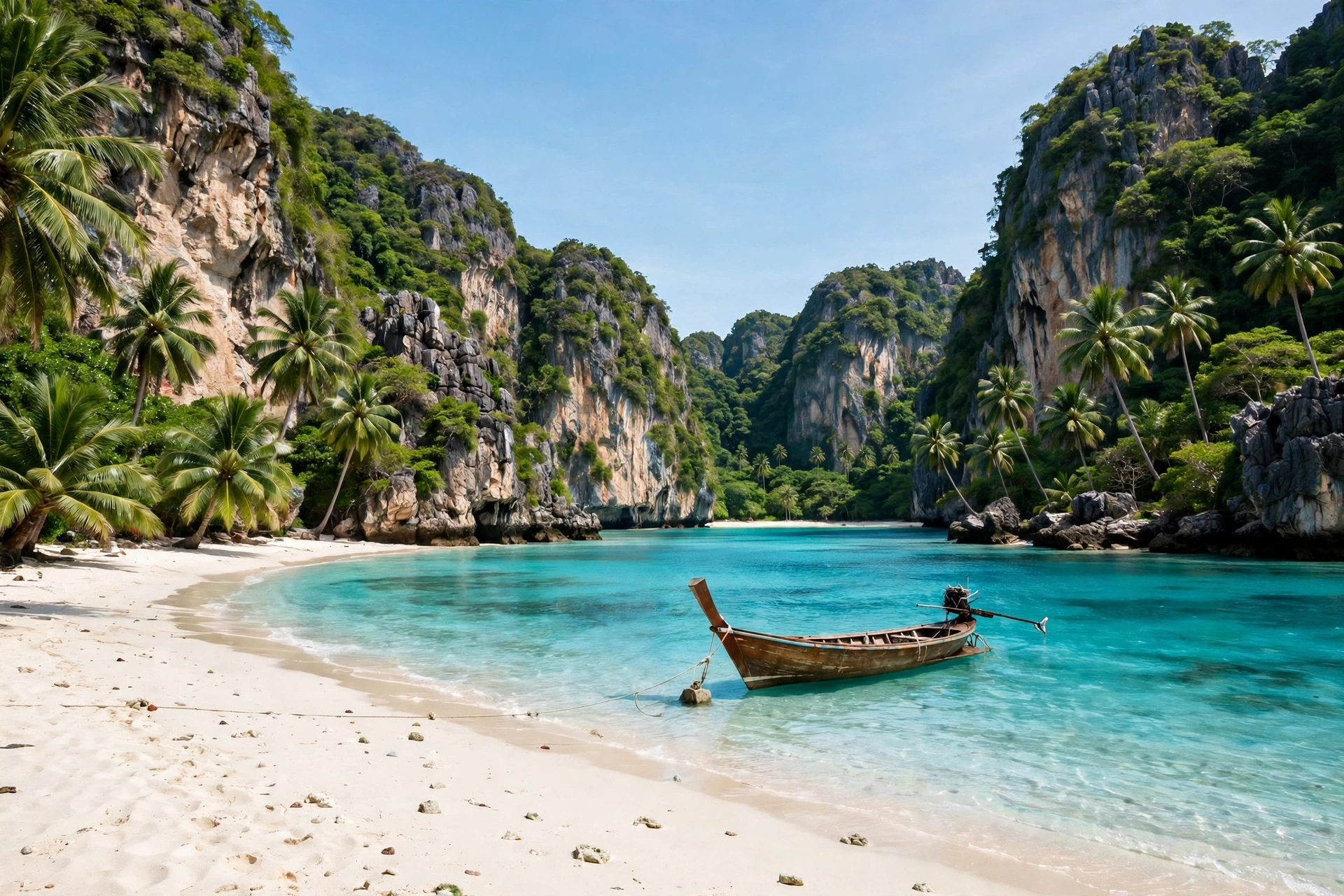
If your idea of a dream vacation is warm water, white sand and nowhere to be, start here. These six island destinations are the ones travellers name most often when they talk about a once-in-a-lifetime beach trip — but they are not interchangeable. Some are for doing nothing in luxury, others for snorkelling, diving and island-hopping on a normal budget.
Bora Bora, French Polynesia
Bora Bora is the postcard that made the overwater bungalow famous: a turquoise lagoon ringed by a reef, with Mount Otemanu rising in the middle. It is the most romantic and the most expensive beach destination on this list, and it knows it. Come here for a honeymoon or a milestone, stay in a lagoon bungalow if you can, and spend your days snorkelling with rays, paddling a canoe and watching the light change on the water. The best time is May to October, the dry season, when the lagoon is at its clearest. Expect roughly $400–700 a day per person, and book flights and bungalows months ahead — the island is small and the good rooms go first. French Polynesia as a whole is the same dream at a slightly gentler price if you island-hop to Moorea or Huahine instead.
The Maldives
The Maldives is the purest version of the barefoot-luxury dream: a flat coral atoll, a house reef full of fish steps from your villa, and almost nothing to do except swim, dive and eat well. It suits travellers who genuinely want to switch off, because there is no town to wander and no sightseeing to tick off. Divers come for manta rays and whale sharks; everyone else comes for the water. November to April brings the driest weather, and the shoulder months of November and April offer the best balance of weather and price. Budget roughly $300–600 a day for a mid-range resort island, more for the famous overwater villas, and remember that seaplane transfers add a real cost on top.
The Seychelles
The Seychelles is the quieter, wilder alternative to the Maldives — granite boulders, jungle-covered hills and beaches like Anse Source d’Argent on La Digue that look unreal in person. It works better than the Maldives if you like to explore: you can island-hop by ferry, hike, cycle and eat Creole food in small local restaurants instead of staying inside one resort. It is also one of the few dream beach destinations where you can mix a luxury stay with self-catering days and keep costs down. Go between April and May or October and November for calm seas and good weather, at roughly $250–450 a day.
Palawan, Philippines
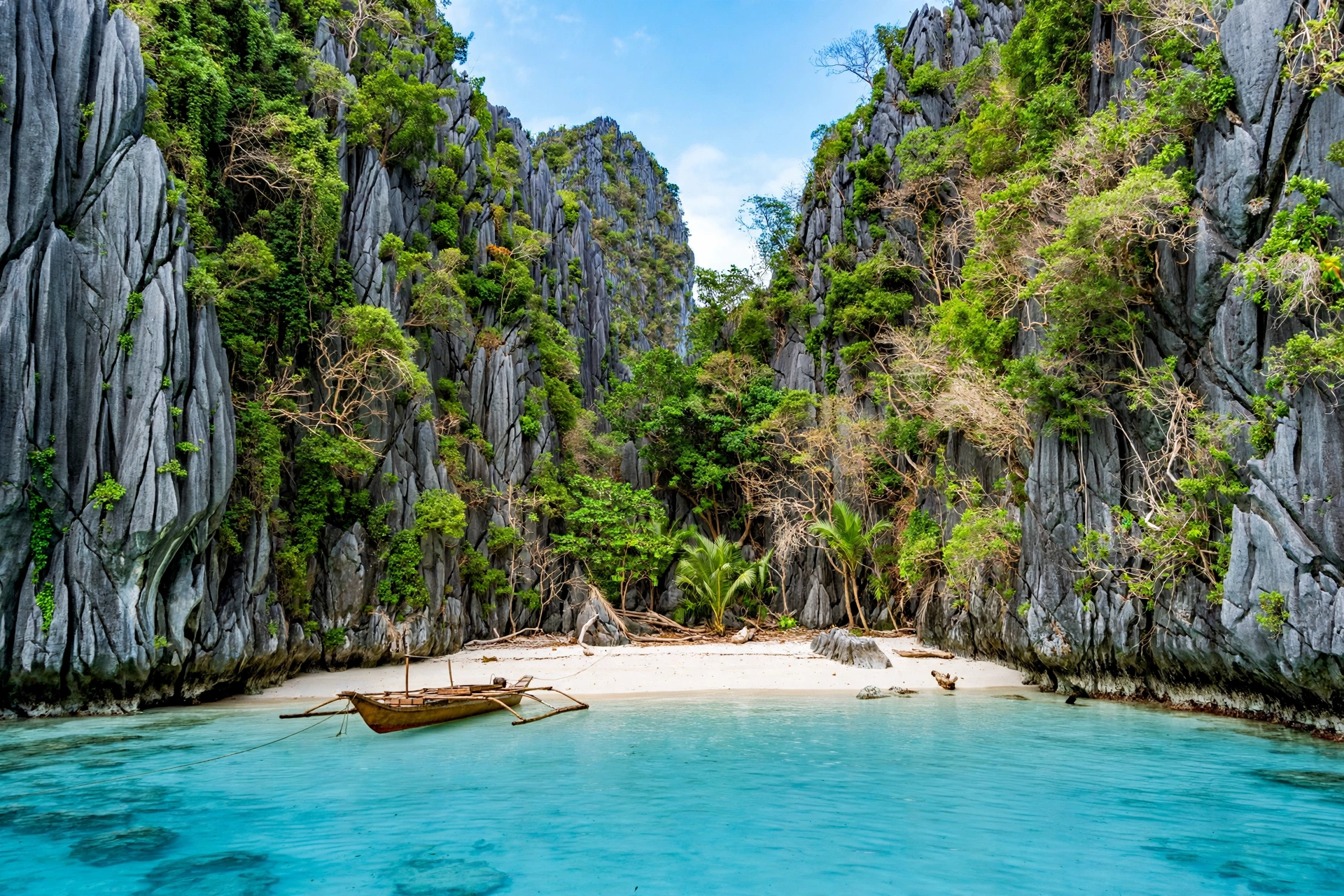
Palawan is the budget dream on this list. El Nido and Coron offer limestone cliffs, hidden lagoons and some of the clearest water in Asia, with island-hopping boat tours that cost a fraction of a Maldives resort day. It is less polished than the destinations above — boats are basic, wifi is patchy and journeys take time — but for travellers who want adventure with their beach, it is hard to beat. The dry season runs from November to May; avoid the June to October monsoon if you can. A comfortable trip runs roughly $80–150 a day, which is why Palawan tops most lists of the cheapest dream destinations.
French Polynesia Beyond Bora Bora
If Bora Bora is the dream, the rest of French Polynesia is the same dream with more variety: Moorea’s jagged peaks and calm bays, Huahine’s quiet villages, Rangiroa’s dive passes and the Marquesas’ wild remoteness. Island-hopping here gives you the turquoise lagoons and the culture — markets, dance, food — that a single resort island cannot. It takes more planning than a one-island stay, since inter-island flights are the main way around, but it is the better trip for anyone who gets restless after three days in one place. The same May to October dry season applies, at roughly $250–450 a day.
The Cook Islands
The Cook Islands, especially Rarotonga and Aitutaki, are the South Pacific at its most relaxed: a lagoon you can walk around, friendly locals, no high-rise hotels and a pace of life that slows you down whether you want it to or not. Aitutaki’s lagoon is often compared to Bora Bora’s, at a noticeably lower price. This is a good pick if you want the Polynesian dream without the Bora Bora bill, and it pairs well with a stop in New Zealand. Visit from May to October for the driest weather, at roughly $200–350 a day.
Dream Destinations for Ancient History and Culture
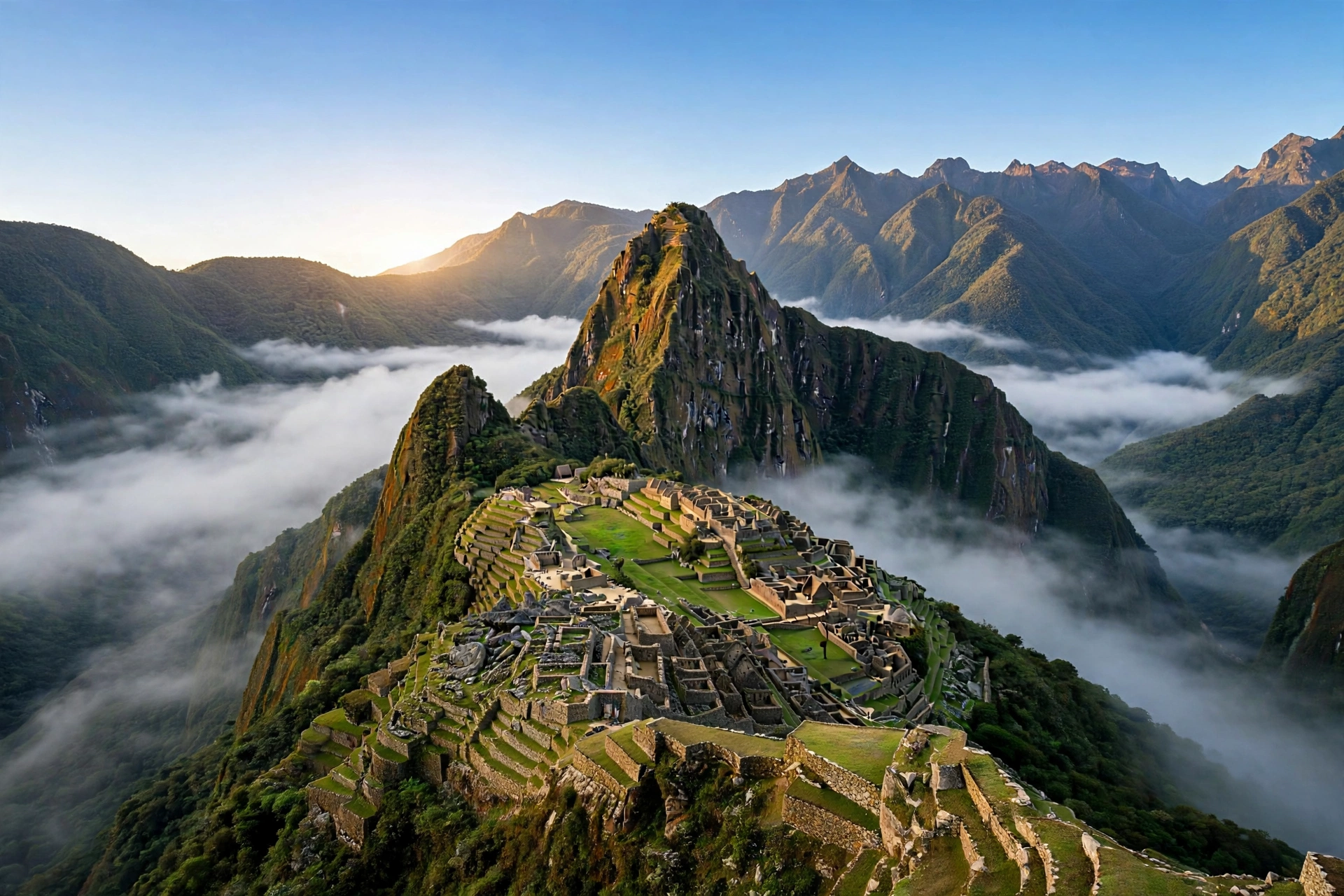
Some places earn their place on a bucket list because people built something extraordinary there centuries ago — and it is still standing. These six destinations reward travellers who like to walk through history rather than just look at it, and several of them are inscribed on the UNESCO World Heritage List, which now protects more than a thousand cultural and natural sites around the world.
Machu Picchu, Peru
Machu Picchu is the single most famous ancient site in the Americas: a 15th-century Inca citadel set on a ridge between two peaks, above the Urubamba Valley. The wonder is not just the stonework, it is the setting — mist in the morning, terraces falling away on both sides, and the sense that the place was hidden for a reason. Book entry tickets and, if you want it, the Inca Trail months ahead, because daily visitor numbers are capped. The dry season, May to September, gives the clearest views, and the town of Aguas Calientes at the base makes a practical overnight stop. Budget roughly $150–250 a day including the site ticket, train and a mid-range hotel. Before you go, check the current official advice for Peru on the US State Department travel advisories page, as conditions and guidance can change.
Petra, Jordan
Petra is the city carved into rose-red rock, and the walk through the narrow Siq canyon to the Treasury appearing in front of you is one of the great reveals in travel. Most visitors see the Treasury and leave; the real dream is staying a second day to climb to the Monastery, walk to the viewpoints and see the site lit by candles at night. Two days is the right amount of time. March to May and September to November offer the best weather — summers are fiercely hot. Expect roughly $150–250 a day, and check the current official advice for Jordan before booking, as with any destination in the region.
Meteora, Greece
Meteora is a place that looks impossible: monasteries built on top of sandstone pillars, hundreds of metres above the valley floor in central Greece. Six monasteries are still active, and visiting them means climbing steps carved into the rock, so go early in the day and wear shoes you can walk in. It pairs naturally with Athens or a wider Greece trip, and the official Visit Greece site is a good place to plan the practical side. Spring and autumn are the best seasons, at roughly $100–180 a day, making Meteora one of the most affordable ancient wonders on this list.
The Amalfi Coast, Italy
The Amalfi Coast is the romantic dream: pastel villages stacked above a blue sea, lemon groves, long lunches and the road between Positano, Amalfi and Ravello. It is beautiful and it is busy, so the trick is timing. Go in May, early June or September, stay in a smaller village like Praiano or Atrani instead of Positano itself, and use the ferries rather than the crowded coastal road. A day trip to Capri or a hike on the Path of the Gods adds the variety that keeps the coast from feeling like one long postcard. Our Venice travel guide covers Italy’s other great romantic city if you want to pair the two. Budget roughly $180–350 a day, less outside the summer peak.
Cappadocia, Turkey
Cappadocia is the strangest landscape on this list: fairy chimneys, cave hotels, underground cities and a sunrise full of hot-air balloons. It is also one of the best-value dream destinations anywhere — a cave hotel, a balloon flight and days of hiking and exploring can cost less than a single night in a Bora Bora bungalow. Stay in Göreme, walk the valleys, visit the Göreme Open-Air Museum, and take the balloon flight early in your stay so a weather cancellation can be rebooked. April to June and September to October are ideal, at roughly $80–150 a day.
Tikal, Guatemala
Tikal is the jungle dream: towering Maya temples rising out of the rainforest in northern Guatemala, with howler monkeys calling at dawn and the view from Temple IV stretching over a sea of green. It is less visited than Machu Picchu and, for many travellers, more atmospheric because of it. Base yourself in Flores, arrive at the park at opening time, and hire a local guide — the site is huge and the history is the point. The dry season runs from November to April, and a trip costs roughly $80–150 a day, making Tikal the cheapest ancient wonder in this guide. Our Guatemala travel guide covers Flores, Tikal and the rest of the country in detail.
Dream Wildlife and Nature Destinations
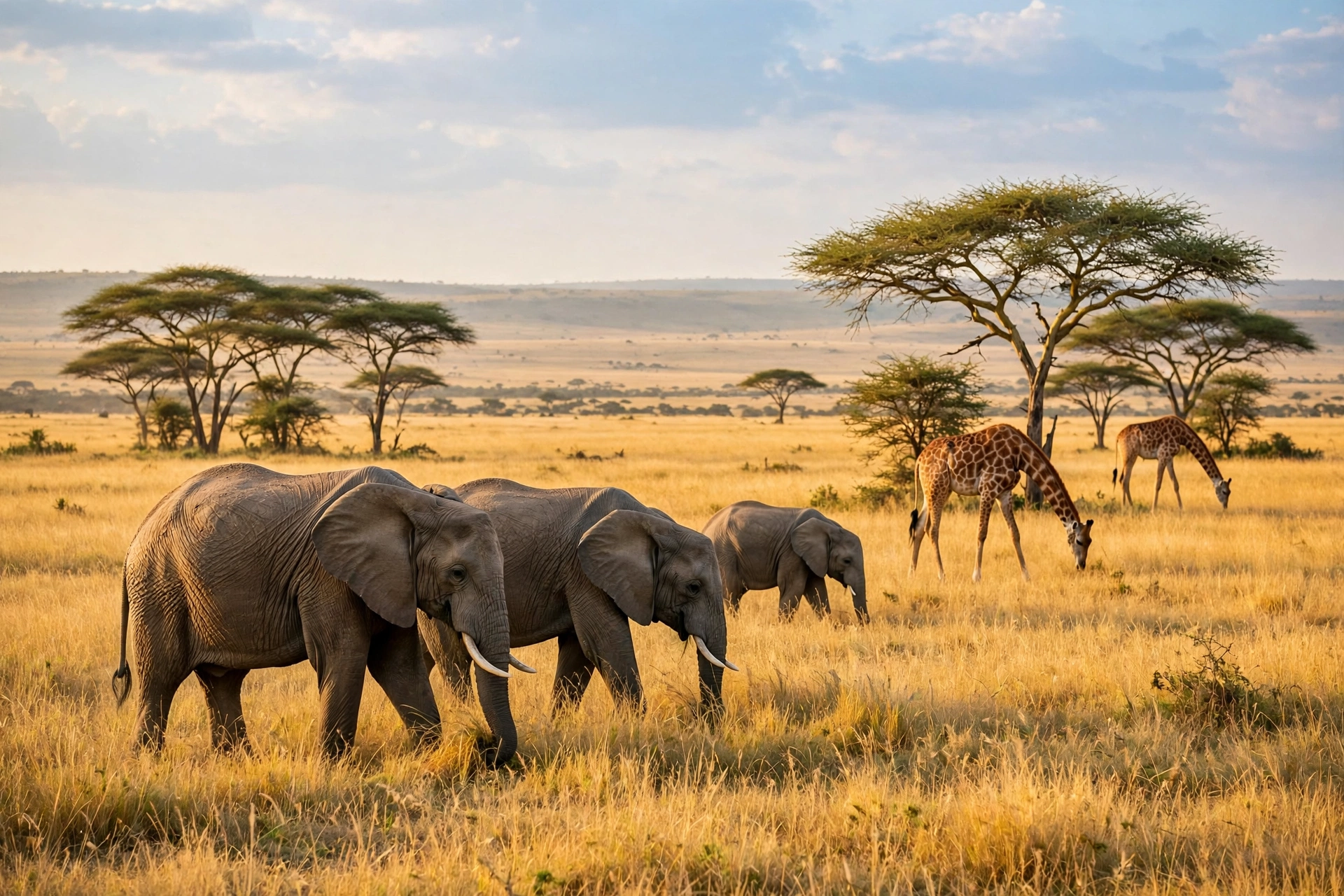
Some dream destinations are not about what people built, but about what is still wild. These five are the places travellers describe as life-changing rather than just beautiful, and they share one rule: nature sets the schedule, so plan around the seasons, not around your calendar.
The Serengeti, Tanzania
The Serengeti is the classic African safari dream, and the Great Migration — over a million wildebeest and zebra moving across the plains — is the greatest wildlife show on earth. The migration moves through the year, so when you go decides what you see: river crossings in the north from July to October, calving in the south from January to March. A safari is not cheap, but it is the destination where spending more genuinely buys more — better guides, better locations, longer in the park. Our Tanzania travel guide explains the seasons, the parks and the real costs. Budget roughly $300–600 a day for a mid-range safari.
The Galapagos Islands, Ecuador
The Galapagos is the closest thing to a living nature documentary: giant tortoises, marine iguanas, blue-footed boobies and sea lions that have never learned to fear people. Because visitor numbers are strictly controlled and most wildlife is seen from the water, the best way to visit is a small cruise of four to eight days, island-hopping between the main islands. It is expensive, but it is also the most unusual wildlife experience on this list — nowhere else lets you snorkel with penguins on the equator. Our Ecuador travel guide covers the Galapagos, the practical rules and how to choose a cruise. Go any time of year, with December to May the warmest, at roughly $350–600 a day on a cruise.
Patagonia, Chile and Argentina
Patagonia is the wild, end-of-the-world dream: granite towers in Torres del Paine, the Perito Moreno glacier, wind-scoured steppe and some of the best hiking on the planet. It is vast, so pick one side — Chilean Patagonia for Torres del Paine, Argentine Patagonia for El Chaltén and the glaciers — rather than trying to see it all in a week. The southern summer, November to March, is the only sensible window for hiking, and even then the weather changes hourly, so pack for four seasons. Budget roughly $150–300 a day, more if you stay inside the national parks.
The Great Barrier Reef, Australia
The Great Barrier Reef is the world’s largest living structure, visible from space and best experienced from underneath the water. Base yourself in Cairns or Port Douglas, take a day boat or a liveaboard to the outer reef, and snorkel or dive over coral gardens full of turtles, rays and reef fish. The reef has suffered bleaching in recent years, which makes choosing a responsible operator and visiting the healthier outer reef sites more important than ever. Our Australia travel guide covers Cairns, the reef and the rest of the country. The best months are June to October, the dry season, at roughly $200–350 a day.
Antarctica
Antarctica is the ultimate dream destination because it is the hardest to reach and the most unlike anywhere else: icebergs the size of buildings, penguin colonies in the thousands, whales feeding in the summer sea. There is no budget version — you get there by expedition ship from Ushuaia in Argentina, on a voyage of ten days or more, and the trip costs what it costs. But for travellers who have seen everything else, it is the one place left that still feels like exploration. The season is short, November to March, and berths sell out months ahead, so plan a year in advance. Expect roughly $800–1,500+ a day, all-inclusive on the ship.
Dream Mountain, Fjord and Northern Lights Destinations
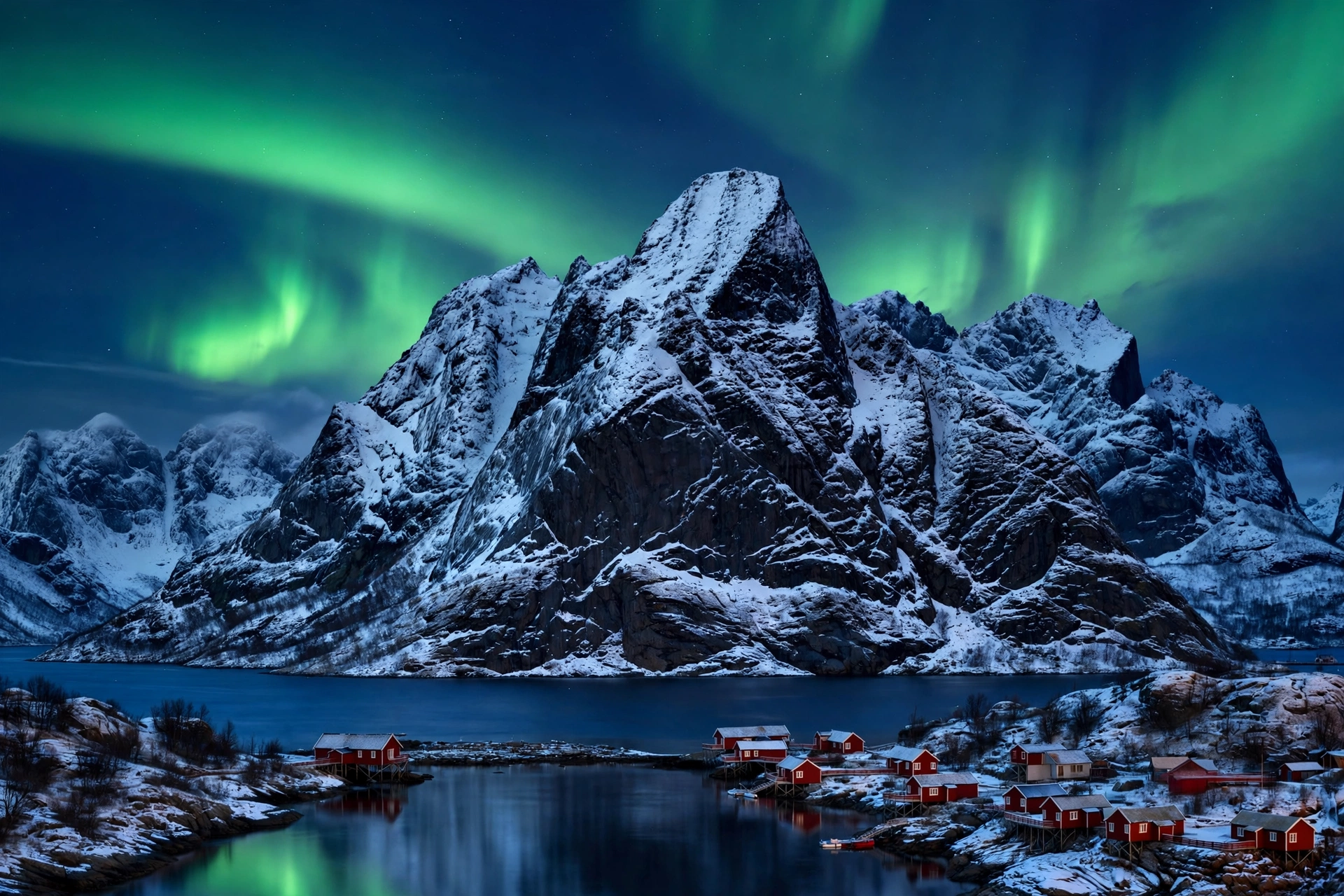
Mountains, fjords and the aurora are the dream for travellers who want scale — landscapes so big they make you feel small in the best way. These four destinations are at their best when you slow down and let the weather decide the day.
The Lofoten Islands, Norway
The Lofoten Islands are Arctic Norway at its most dramatic: sharp peaks rising straight out of the sea, white-sand beaches inside the Arctic Circle, red fishing cabins and, in winter, the northern lights. In summer the midnight sun means you can hike at 11pm; in winter the darkness brings the aurora. It is expensive — Norway is Norway — but the scenery is free, and self-catering cabins keep costs manageable. Visit June to August for hiking and the midnight sun, or September to March for the northern lights, at roughly $200–350 a day.
Banff, Canada
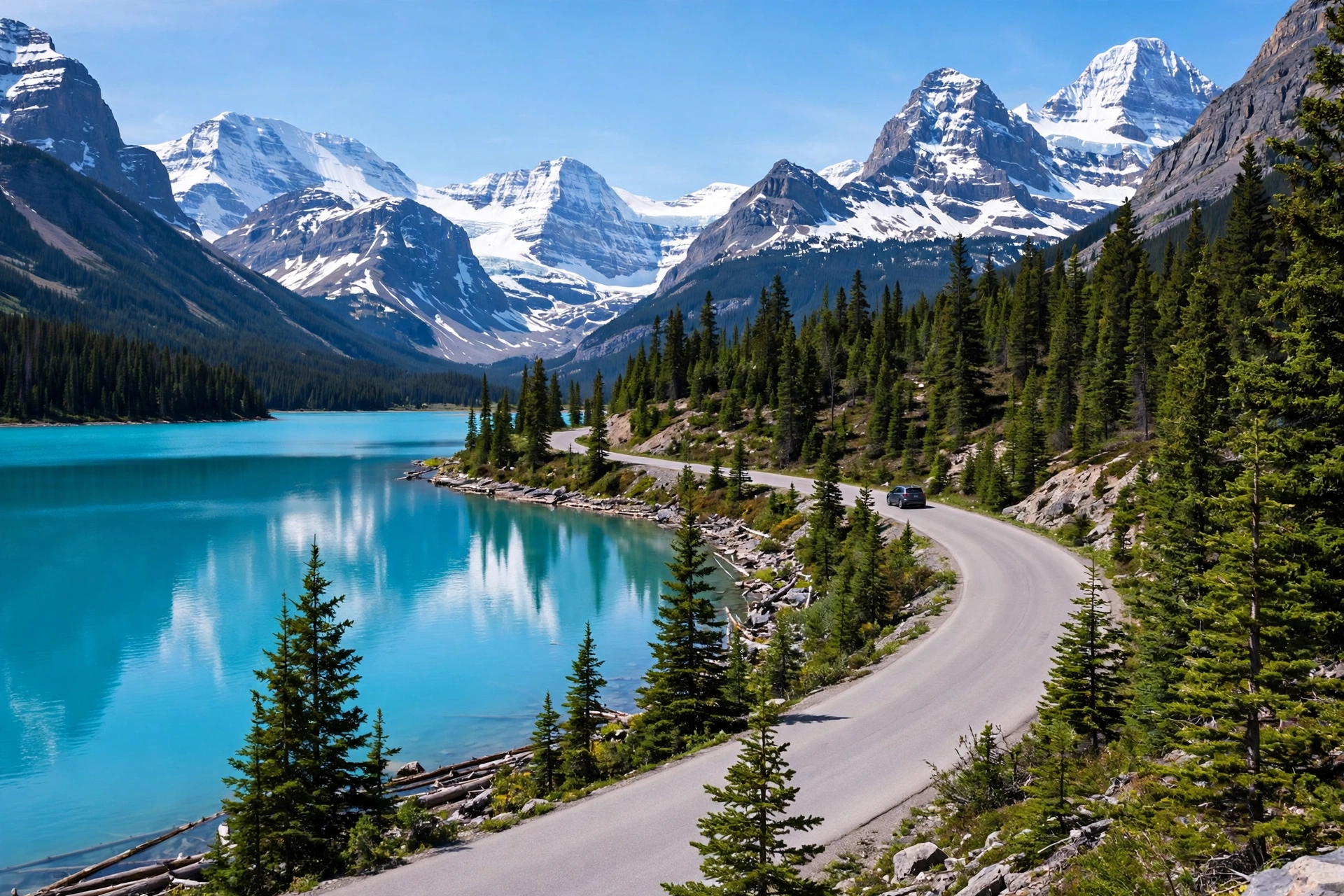
Banff is the mountain dream that is easy to reach: Lake Louise, Moraine Lake, the Icefields Parkway and a national park full of trails, all a short drive from Calgary. It is one of the most affordable dream destinations on this list, especially if you stay in the town of Banff or Canmore, cook some of your own meals and hike rather than booking expensive tours. Summer brings the famous turquoise lakes; winter brings skiing and frozen waterfalls. Go June to September for hiking, or December to March for snow, at roughly $120–220 a day.
Iceland
Iceland is the dream for travellers who want everything in one trip: waterfalls, black-sand beaches, glaciers, volcanoes, hot springs and the northern lights. The Ring Road is the classic route, and a week gives you the south coast and the Golden Circle comfortably, while ten days or more lets you circle the whole island. It is pricey, especially for food and fuel, but self-driving and self-catering keep it within reach. Our Iceland travel itinerary maps out the routes day by day. Summer is best for driving and hiking; winter is best for the aurora, at roughly $200–350 a day.
New Zealand’s South Island
New Zealand’s South Island is the most complete mountain destination in this guide: fjords at Milford Sound, glaciers at Franz Josef, alpine lakes at Tekapo and Wanaka, and the adventure capital of Queenstown. It rewards a road trip — two weeks is the right amount of time to drive from Christchurch to Queenstown without rushing. The southern summer, December to February, is best for hiking and the lakes; winter brings skiing and quieter roads. Budget roughly $150–250 a day, and expect to want to stay longer than you planned.
Dream Cities That Feel Like a Fairytale
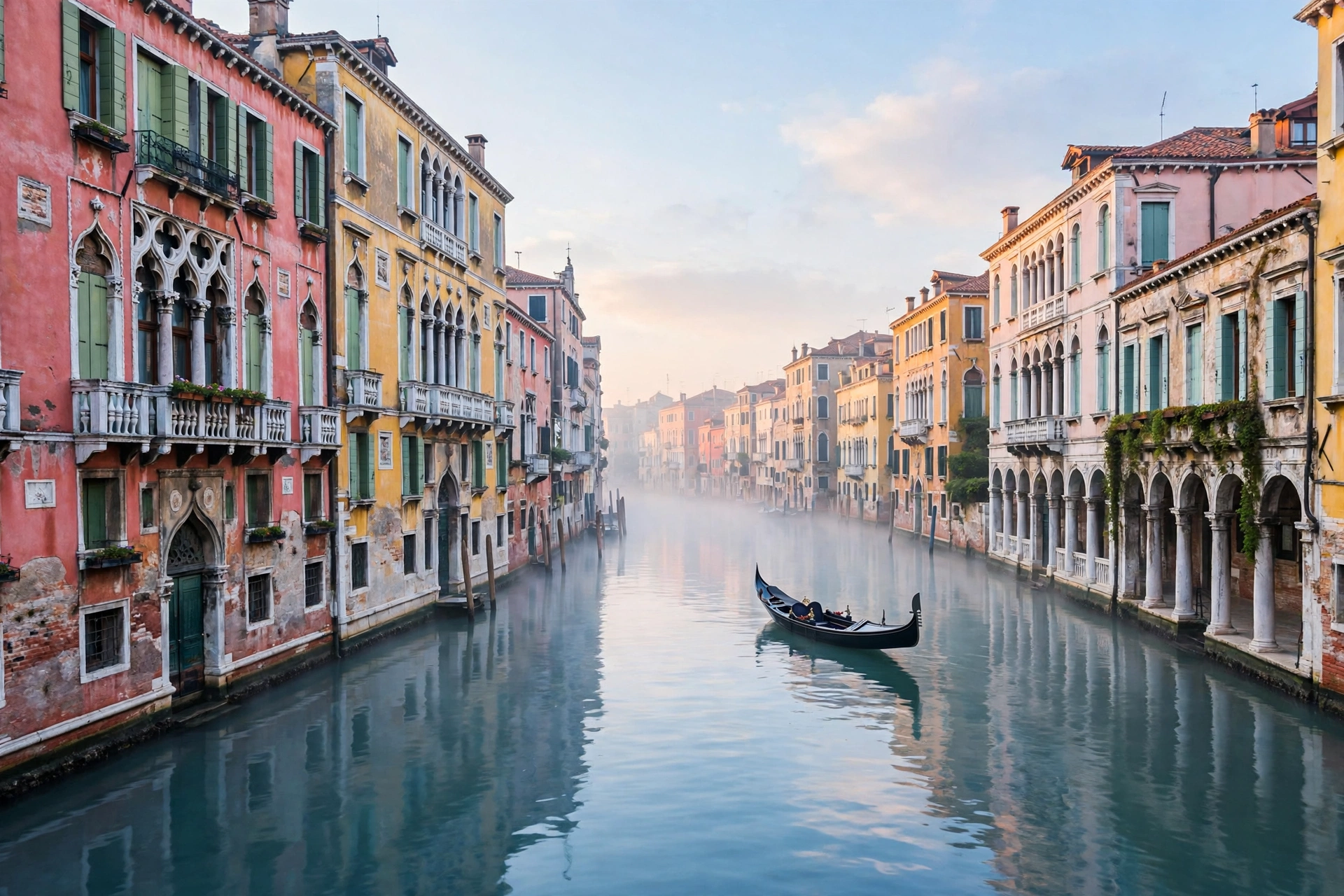
Not every dream destination is remote. Some of the most memorable trips are to cities — places where the streets themselves are the attraction and a week of wandering is the whole point. These four are the cities travellers most often call a dream trip.
Lisbon, Portugal
Lisbon is the gentlest dream city on this list: warm light, tiled streets, trams climbing steep hills, fado music in small restaurants and a price that is still kinder than Paris or Rome. It is a city for walking — Alfama’s maze of lanes, Belém’s monuments, the viewpoints at sunset — and it makes a perfect first dream trip because it is easy, safe and affordable. Our Lisbon travel guide covers the neighbourhoods, day trips and costs. Go in May, June, September or October for the best weather, at roughly $100–180 a day.
Venice, Italy
Venice is the city that should not exist and somehow does: canals instead of roads, palaces rising out of the water, and a beauty that survives the crowds if you know where to look. Stay overnight rather than visiting on a day trip, get lost away from St Mark’s Square, and take the vaporetto out to the lagoon islands of Burano and Torcello. Winter is the quiet secret — fewer crowds, mist on the canals and lower prices. Our Venice travel guide covers the practical side in detail. Budget roughly $150–300 a day, less in winter.
Rio de Janeiro, Brazil
Rio is the dream city for travellers who want energy: Copacabana and Ipanema beaches, Christ the Redeemer on Corcovado, Sugarloaf Mountain at sunset and a carnival culture that runs all year. It is a city of contrasts, so stay in the well-known beach neighbourhoods, use registered transport at night and check the current official advice before you travel. Our Rio de Janeiro travel guide covers the neighbourhoods, safety and costs honestly. The best months are May to September, the cooler dry season, and Carnival in February or March is the once-in-a-lifetime version. Budget roughly $100–200 a day.
Singapore
Singapore is the dream city for travellers who love order, food and futuristic skylines: the Gardens by the Bay, hawker centres serving some of the best food on earth, spotless streets and a mix of cultures that makes every neighbourhood feel different. It is the easiest city in Asia for a first visit — English is widely spoken, the metro is excellent and it is safe at any hour. Our Singapore travel guide covers the neighbourhoods, food and costs. It is warm all year, so go whenever suits you, at roughly $150–250 a day.
Best Time to Visit Every Dream Destination
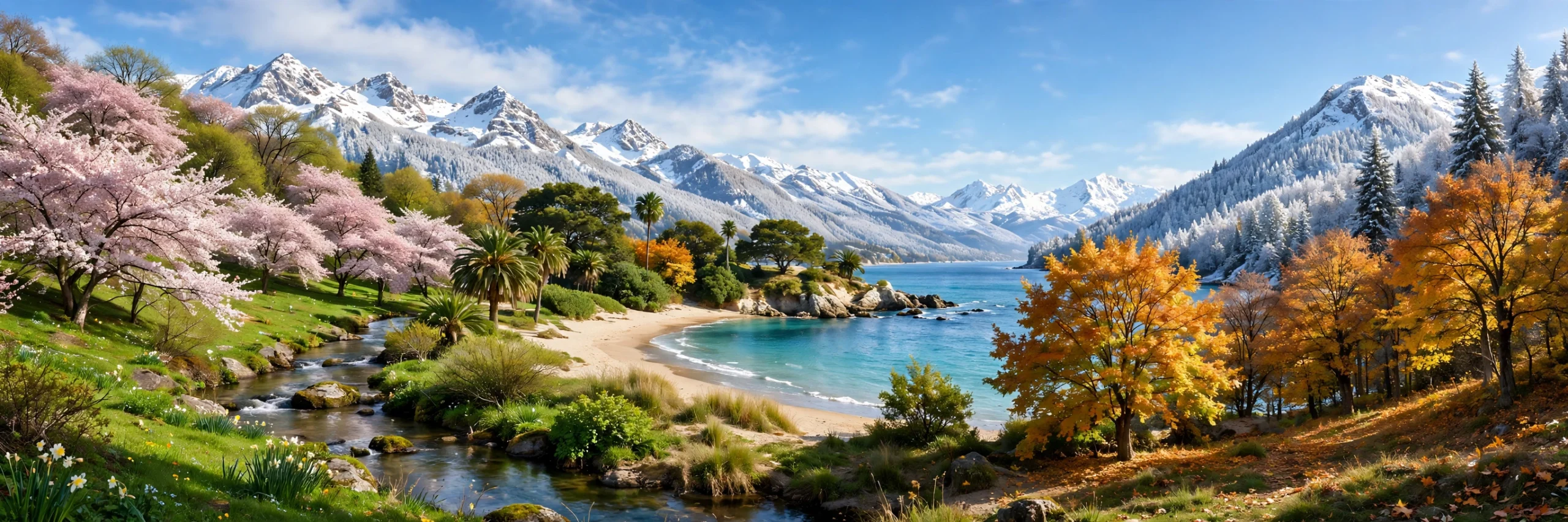
Timing is the single biggest difference between a dream trip and a disappointing one. The same destination in the wrong month can mean monsoon rain, closed trails or prices double what they should be. Use this table to plan around the best window for each place.
| Destination | Best months | Why then | Months to avoid |
|---|---|---|---|
| Bora Bora | May–Oct | Dry season, clearest lagoon | Nov–Apr (rain, humidity) |
| Maldives | Nov–Apr | Dry season, calm seas | May–Oct (monsoon rain) |
| Seychelles | Apr–May, Oct–Nov | Calm seas, good weather | Dec–Mar (heavy rain) |
| Palawan | Nov–May | Dry season, calm seas | Jun–Oct (monsoon) |
| French Polynesia | May–Oct | Dry season, cooler | Nov–Apr (cyclone season) |
| Cook Islands | May–Oct | Dry, sunny, cooler | Nov–Mar (humid, rain) |
| Machu Picchu | May–Sep | Dry season, clear views | Feb (trail closed, heavy rain) |
| Petra | Mar–May, Sep–Nov | Mild temperatures | Jun–Aug (extreme heat) |
| Meteora | Apr–Jun, Sep–Oct | Mild, fewer crowds | Jul–Aug (heat, crowds) |
| Amalfi Coast | May–Jun, Sep | Warm, fewer crowds | Jul–Aug (crowds, prices) |
| Cappadocia | Apr–Jun, Sep–Oct | Mild, balloon weather | Dec–Feb (cold, snow) |
| Tikal | Nov–Apr | Dry season, cooler | May–Oct (rain, humidity) |
| Serengeti | Jul–Oct, Jan–Mar | Migration crossings / calving | Apr–May (long rains) |
| Galapagos Islands | Dec–May | Warm seas, calm water | Jun–Nov (cooler, rougher seas) |
| Patagonia | Nov–Mar | Southern summer, hiking | May–Sep (winter, closed trails) |
| Great Barrier Reef | Jun–Oct | Dry season, clear water | Dec–Mar (stinger season, rain) |
| Antarctica | Nov–Mar | Only season, summer | Apr–Oct (no voyages) |
| Lofoten Islands | Jun–Aug / Sep–Mar | Midnight sun / northern lights | Apr–May (mud season) |
| Banff | Jun–Sep / Dec–Mar | Hiking lakes / skiing | Apr–May (mud, closed trails) |
| Iceland | Jun–Aug / Sep–Mar | Driving / northern lights | Nov (dark, stormy roads) |
| New Zealand South Island | Dec–Feb | Summer, long days | Jun–Aug (cold, short days) |
| Lisbon | May–Jun, Sep–Oct | Warm, fewer crowds | Jul–Aug (heat, crowds) |
| Venice | Apr–Jun, Sep–Oct | Mild, fewer crowds | Jul–Aug (heat, crowds) |
| Rio de Janeiro | May–Sep | Cooler, dry season | Dec–Feb (heat, humidity) |
| Singapore | Any time | Warm all year round | Nov–Jan (heaviest rain) |
If two dream destinations share the same best window, that is useful information, not a coincidence — it tells you which ones pair well in a single trip. Meteora and the Amalfi Coast, for example, are both at their best in May and September. And if your only free month is the worst month for your first choice, pick the destination that is at its best then, rather than forcing a trip into bad weather. Our guide to the best places to travel in January is a good starting point if winter is your only window.
How Much Do Dream Travel Destinations Cost?

Competitors list dream destinations without telling you what they cost. That is the gap this guide closes. The table below gives a rough daily cost per person, mid-range, excluding international flights — a comfortable hotel or guesthouse, local transport, meals and the main activities. Prices are indications, not quotes: seasons, exchange rates and how you travel move them up or down.
| Destination | Daily cost (per person) | What drives the cost |
|---|---|---|
| Tikal, Guatemala | $80–150 | Cheap hotels, food and park fees |
| Palawan, Philippines | $80–150 | Budget stays, cheap boat tours |
| Cappadocia, Turkey | $80–150 | Cave hotels, cheap food (balloon extra) |
| Lisbon, Portugal | $100–180 | Affordable hotels and food |
| Rio de Janeiro, Brazil | $100–200 | Good-value hotels, cheap food |
| Meteora, Greece | $100–180 | Budget stays, low entry costs |
| Banff, Canada | $120–220 | Hotels and park costs, self-catering helps |
| New Zealand South Island | $150–250 | Car hire and fuel, mid-range stays |
| Machu Picchu, Peru | $150–250 | Train, ticket and hotel costs |
| Petra, Jordan | $150–250 | Entry ticket, hotels in Wadi Musa |
| Patagonia | $150–300 | Remote lodges, park fees, transport |
| Singapore | $150–250 | Hotels pricey, food cheap |
| Venice, Italy | $150–300 | Hotels pricey, food moderate |
| Amalfi Coast, Italy | $180–350 | Hotels are the big cost |
| Lofoten Islands, Norway | $200–350 | Norway prices, self-catering helps |
| Iceland | $200–350 | Food, fuel and car hire |
| Great Barrier Reef, Australia | $200–350 | Day boats and liveaboards |
| Seychelles | $250–450 | Island transfers, resort stays |
| French Polynesia | $250–450 | Inter-island flights, hotels |
| Maldives | $300–600 | Resort islands, seaplane transfers |
| Serengeti, Tanzania | $300–600 | Safari lodges and park fees |
| Galapagos Islands | $350–600 | Cruise cost dominates |
| Bora Bora | $400–700 | Overwater bungalows, transfers |
| Antarctica | $800–1,500+ | Expedition ship, all-inclusive |
Three things keep these numbers honest. First, the daily figure is not the trip cost — add your flights, visas, insurance and the big one-off tickets (a balloon flight in Cappadocia, a Galapagos cruise, an Antarctica berth) on top. Second, shoulder season is the cheapest way to visit an expensive destination: the Maldives in November, the Amalfi Coast in September and Bora Bora in May all cost noticeably less than peak season for nearly the same weather. Third, the way you travel matters more than where you go — cooking half your meals, staying outside the famous village and using public transport can cut a daily budget by a third anywhere on this list.
The Cheapest Dream Destinations
A dream destination does not have to be an expensive one. If your budget is the limiting factor, these are the places on this list where the dream comes cheapest — and one extra that deserves a mention.
Tikal and Guatemala are the cheapest ancient wonder in this guide, and Guatemala as a whole is one of the best-value countries in the Americas. Palawan gives you a tropical-island dream for the price of a weekend at home. Cappadocia is the best-value once-in-a-lifetime experience anywhere: a balloon flight is the only expensive item, and everything else is cheap. Banff is the cheapest mountain dream, especially if you self-cater and hike. Lisbon is the cheapest dream city in Europe, and Meteora is the cheapest ancient wonder in Europe.
One more worth adding: Morocco. It is not one of the 25 above, but it belongs in any conversation about affordable dream trips — desert dunes, the Atlas Mountains, the blue streets of Chefchaouen and the medina of Marrakech, all at roughly $60–120 a day. Our Morocco travel guide covers the routes and the real costs. Similarly, Thailand is the classic budget dream in Asia — islands, temples, food and beaches at $60–120 a day — and our Thailand travel guide covers it in detail. And Belize offers a Caribbean reef, Maya sites and jungle at $100–180 a day, covered in our Belize travel guide.
The point is simple: a small budget does not mean a small dream. It means picking the dream that fits the budget, and going properly instead of going broke.
Dream Destinations for a Honeymoon or Once-in-a-Lifetime Celebration
Some trips are not just holidays — they mark something. A honeymoon, a big birthday, a retirement, a trip you have waited twenty years to take. For those, the right destination is the one that feels special every day, not just on the first one.
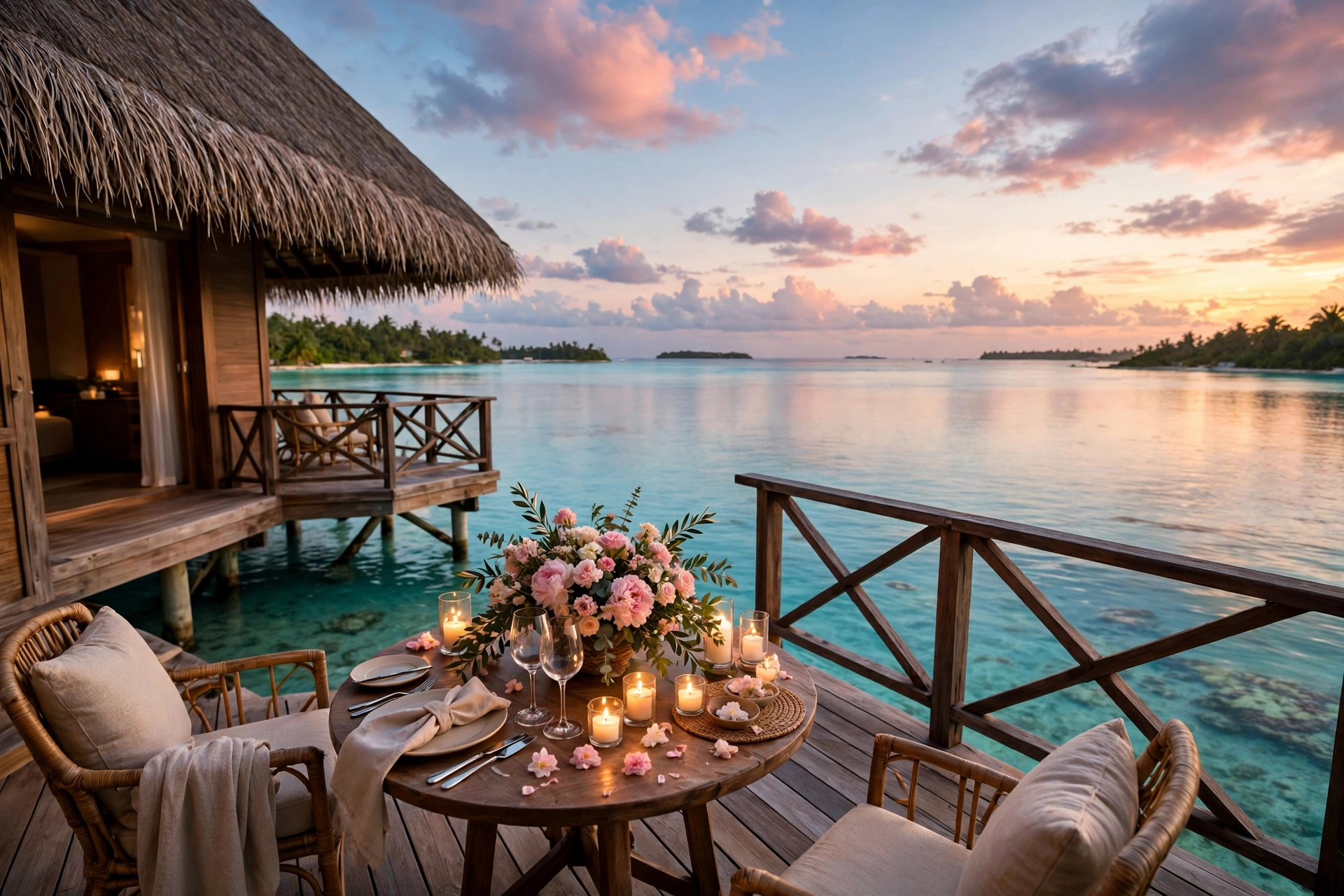
Bora Bora and the Maldives are the classic honeymoon picks for a reason: privacy, beauty and nothing to do except be together. The Amalfi Coast and Venice are the romantic European pair — book a small hotel with a terrace, eat slowly and let the days stretch. The Serengeti and the Galapagos are the celebration trips for people who want a story, not a sun lounger — a migration crossing or a tortoise on the beach beats a spa day for a milestone memory. Antarctica is the once-in-a-lifetime trip in the truest sense, the one you take when you have done the rest. And Kyoto in cherry-blossom season, Cappadocia at sunrise in a balloon and the northern lights in the Lofoten Islands are the single moments that people remember for the rest of their lives.
Whatever you choose, two rules apply. Book the special things early — the overwater bungalow, the balloon, the expedition berth — because they sell out first. And build in a buffer day at the start and the end, so a delayed flight does not steal the first day of a trip you waited years for.
How Long to Spend at Each Dream Destination
The most common mistake with dream destinations is trying to see too much in too little time. A place that needs a week will not give you its best in three days, however efficiently you plan. Use these as minimums, not targets — staying longer is almost always better.
| Destination | Minimum stay | Ideal stay | Why |
|---|---|---|---|
| Bora Bora | 4 nights | 6–7 nights | Slow pace, lagoon days |
| Maldives | 4 nights | 6–7 nights | Resort rhythm, diving |
| Seychelles | 5 nights | 7–10 nights | Island-hopping needs time |
| Palawan | 5 nights | 7–10 nights | El Nido + Coron |
| French Polynesia | 7 nights | 10–14 nights | Island-hopping |
| Cook Islands | 5 nights | 7–10 nights | Two islands minimum |
| Machu Picchu | 3 days | 4–5 days | Cusco + the site |
| Petra | 2 days | 3 days | Monastery needs a second day |
| Meteora | 2 days | 3 days | Monasteries + hikes |
| Amalfi Coast | 4 days | 6–7 days | Villages + Capri |
| Cappadocia | 3 days | 4–5 days | Valleys + balloon |
| Tikal | 2 days | 3 days | Park + Flores |
| Serengeti | 4 days | 6–7 days | Migration needs time |
| Galapagos Islands | 5 days | 7–8 days | Cruise length |
| Patagonia | 7 days | 10–14 days | Distances are huge |
| Great Barrier Reef | 3 days | 5 days | Outer reef + rainforest |
| Antarctica | 10 days | 12–14 days | Voyage length |
| Lofoten Islands | 4 days | 6–7 days | Driving + hiking |
| Banff | 4 days | 6–7 days | Lakes + Icefields Parkway |
| Iceland | 7 days | 10–14 days | Ring Road |
| New Zealand South Island | 10 days | 14 days | Road trip distances |
| Lisbon | 3 days | 5 days | City + Sintra day trip |
| Venice | 2 days | 3–4 days | Lagoon islands |
| Rio de Janeiro | 4 days | 6 days | Beaches + mountains |
| Singapore | 3 days | 4–5 days | Neighbourhoods + food |
If you only have a week, pick one destination and do it properly. If you have two weeks, pick one far-flung destination, or two that are close together — Meteora and the Amalfi Coast, Lisbon and the Algarve, Banff and the Canadian Rockies. The trip you remember is the one where you had time to slow down, not the one where you saw the most places.
How to Turn a Dream Destination Into a Real Trip

A bucket list is only useful if it turns into bookings. Here is the order that works, whether your dream is Bora Bora or Banff.
1. Pick one destination and a month. Not three destinations and “sometime next year”. Use the best-time table, check your holiday allowance, and write down one place and one month. Everything after this gets easier.
2. Check the big constraints first. Passport validity, visas, permits and the main ticket — Machu Picchu entry, a Galapagos cruise berth, an Antarctica voyage, a Serengeti lodge in migration season. If any of these is unavailable, you have learned it before spending money, not after.
3. Book flights and the key stay next. International flights and the most important accommodation are the two prices that move most. Booking them first also makes the trip real, which is half the battle with a dream you have postponed for years.
4. Build a rough daily plan, then leave gaps. One main activity a day is enough. The best days on a dream trip are usually the unplanned ones — the beach you found by accident, the restaurant the hotel owner recommended, the viewpoint you walked to instead of the one on the list.
5. Save for it in the open, not in secret. A dream trip is easier to fund when it has a number and a date. Our guide to setting a travel goal explains how to turn a vague wish into a monthly saving plan, and the travel budget guide shows how to cost the trip honestly before you commit.
6. Buy travel insurance and check the official advice. Insurance matters more on an expensive, far-away trip than on any other kind — a cancelled Antarctic voyage or a missed Galapagos cruise is a loss worth protecting. And re-check the current official advice for your destination shortly before departure, since guidance can change.
Do not wait for the perfect moment. The perfect moment for a dream destination is usually “the month it is at its best, booked six months ahead”. That is a plan, not a wish — and it is how a bucket list becomes a photo album.
Mistakes That Turn a Dream Trip Into a Disappointment
Most dream trips go wrong in the same few ways, and all of them are avoidable.
Going in the wrong month. The Maldives in monsoon season, Patagonia in winter, the Amalfi Coast in the August crowds — the destination is the same, the trip is not. The best-time table exists for this reason. Use it.
Trying to see two dreams in one trip. Bora Bora and the Maldives in a single week means four flights, two transfers and no time to enjoy either. One dream, done properly, beats two dreams rushed.
Booking the famous place and skipping the rest. Petra is not just the Treasury. The Galapagos is not just one island. The Serengeti is not just the migration. The second day, the second island and the second viewpoint are usually where the trip becomes memorable.
Under-budgeting the extras. Transfers, park fees, tips, the balloon flight, the seaplane — these are the costs that surprise people. Add a 20% buffer to whatever you think the trip will cost, and you will enjoy it more.
Trusting a single photo. Every destination on this list is beautiful, and every destination has a rainy day, a crowded viewpoint and a bad meal. Go for the real place, not the filtered one, and you will not be disappointed when the weather turns.
Leaving the booking too late. Permits, cruises, expedition berths and the best rooms sell out. The dream destinations that need the most planning are the ones people most often try to book last-minute. Six months ahead is a good rule for the big ones; a year for Antarctica.
Frequently Asked Questions
What is a dream travel destination?
A dream travel destination is a place you have wanted to visit for years — somewhere that feels special enough to plan a whole trip around, rather than just passing through. It is personal: for one traveller it is Bora Bora, for another it is Machu Picchu, for another it is the northern lights in the Lofoten Islands. The common thread is that the place itself is the reason for the trip.
How many destinations should be on a bucket list?
There is no right number, but a useful one is between ten and twenty-five. Fewer than ten and the list feels thin; more than twenty-five and it becomes a wish list you never act on. Our travel bucket list guide explains how to build a list you will actually finish, including ranking your destinations and turning the top three into real plans with dates.
What are the cheapest dream destinations?
The cheapest dream destinations on this list are Tikal in Guatemala, Palawan in the Philippines and Cappadocia in Turkey, all possible on roughly $80–150 a day, followed by Lisbon, Rio de Janeiro and Meteora at roughly $100–200 a day. The cheapest way to visit a more expensive dream destination is to go in shoulder season and to self-cater where you can.
What is the number one dream destination in the world?
There is no single answer, but the destinations that appear at the top of most travellers’ lists are Bora Bora, the Maldives, Machu Picchu, the Serengeti and the Amalfi Coast. The right number one for you is the one that matches your time, your budget and the kind of trip you enjoy most — not the one that gets the most likes.
How far in advance should I book a dream trip?
Book six months ahead for most dream destinations, and a year ahead for Antarctica, a Galapagos cruise or a Serengeti safari in migration season. Permits for Machu Picchu, the Inca Trail and popular national parks also sell out months in advance. Flights and the main accommodation are usually the first things to lock in.
Is it better to visit one dream destination or several in one trip?
One destination, done properly, is almost always better — unless the destinations are close together, like Meteora and the Amalfi Coast in the same season, or Lisbon and the Algarve. Long distances between dream destinations eat days and money, and the trip ends up feeling like travel between highlights rather than a holiday.
Conclusion: Pick One Dream and Give It a Date
A list of 25 dream travel destinations is only useful if one of them stops being a dream. The destinations in this guide are not fantasies — people visit them every year, on budgets from $80 a day to $1,000 a day, in every month of the year. The difference between the travellers who go and the ones who keep dreaming is rarely money. It is a decision: one place, one month, one booking.
So pick the destination that made you pause while reading. Check its best month in the table, check the cost honestly, and put a date on it. Then start with the first step — the flights, the permit, the cruise berth — and let the rest follow. Your bucket list will still be there afterwards, one destination shorter and one memory richer.
That is what a dream travel destination is for.
People also read:
- Travel Bucket List: How to Build a List You Will Actually Finish
- How to Prepare a Travel Budget
- Lisbon Travel Guide
- Venice Travel Guide
- Tanzania Travel Guide: Serengeti, Kilimanjaro and Zanzibar
- Iceland Travel Itinerary: The Complete Ring Road Guide
- Best Places to Travel in January
- Rio de Janeiro Travel Guide

M. Adil is the founder and editor of SoloTravelPro. He writes practical, research-based travel guides that help travellers plan with confidence — from first-time city breaks to national parks and island escapes. Every guide is built on official sources, current prices and honest, usable advice, so readers can plan smarter and travel better.

Other Articles
Belize Travel Guide: Reef, Jungle and Cayes in 2026