Quick Answer: Is It Safe to Travel to Vietnam?
Yes — is it safe to travel to Vietnam is a question with a reassuring answer for most visitors. The US State Department rates Vietnam Level 1: Exercise Normal Precautions, its lowest advisory level, and the UK Foreign Office advises against travel to no part of the country. Violent crime against visitors is rare, and millions of travellers visit Vietnam every year without serious incident.
But “safe” does not mean “risk-free.” The real dangers in Vietnam are not the ones people worry about before they go. Traffic is the biggest physical risk by a wide margin — especially rented motorbikes. Petty theft, bag snatching and tourist scams are common in busy areas. Typhoons and flooding can disrupt trips between June and November. And the drug laws are among the harshest in the world, with penalties that can include long prison sentences.
This guide gives you the honest picture: what the official advisories actually say, which cities are safest, the scams to watch for and what they cost, the traffic rules that matter, health risks, storm season month by month, and the emergency numbers to save before you fly. Read it, take normal precautions, and Vietnam is one of the most rewarding countries in Southeast Asia to travel in.
Is Vietnam Safe to Travel to in 2026? The Short Answer
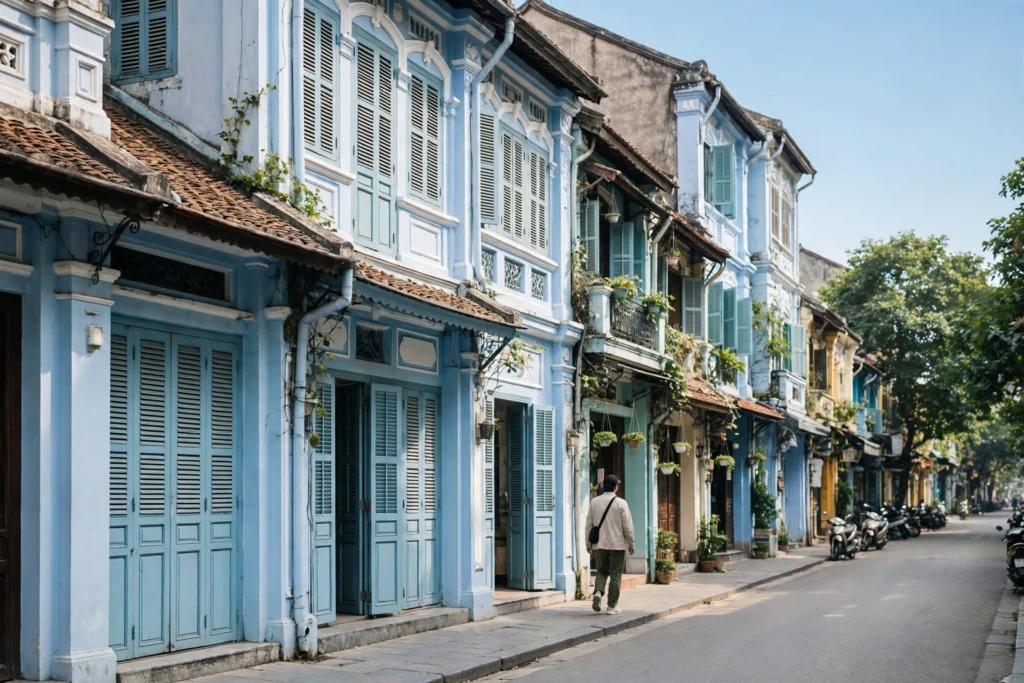
For most travellers, yes. Vietnam is a safe destination in the sense that matters most: you are very unlikely to be a victim of violent crime, the country is politically stable for visitors, and the tourist infrastructure — hotels, airports, trains, tour companies — works well. Hanoi, Ho Chi Minh City, Da Nang, Hoi An and Ha Long Bay all welcome large numbers of foreign visitors every year, and the overwhelming majority go home with nothing worse than a sunburn and too many photos.
That said, Vietnam rewards travellers who pay attention and punishes travellers who do not. The risks are specific, and they are different from the risks at home:
- Traffic kills and injures far more visitors than crime. Vietnamese roads are crowded, fast and chaotic, and most visitors have never ridden in traffic like it. Foreigners on rented motorbikes are over-represented in serious accidents.
- Petty theft is common in crowded tourist areas. Phones and bags snatched by passing motorbike riders are the classic Vietnam crime, and it happens in seconds.
- Scams are routine rather than rare: rigged taxi meters, inflated prices, fake tour tickets and online romance scams that target visitors.
- Storms between June and November can flood streets, cancel flights and close roads, especially in central Vietnam.
- Health risks are manageable but real: dengue fever carried by daytime mosquitoes, unsafe tap water, and hospitals that require cash payment up front.
None of this should put you off going. It should change how you go. Use ride-hailing apps instead of flagging down taxis. Keep your phone in your front pocket, not in your hand at the kerb. Do not rent a motorbike unless you hold a valid Vietnamese licence and your travel insurance actually covers it — and even then, think twice. Drink bottled water. Check the weather before travelling in storm season. Those five habits remove most of the risk in this guide.
Vietnam also scores well on the measures that compare countries. Vietnam ranked 41st of 163 countries in the 2026 Global Peace Index, placing it among the more peaceful countries in the world and ahead of many popular destinations. The index measures violent crime, political stability and militarisation, and Vietnam’s position reflects a country where everyday life for visitors is calm and orderly, even if the traffic is not.
The rest of this guide works through each risk in turn, with the practical detail the official advisories leave out: what each scam actually costs, which cities are safest, what to do month by month in storm season, and exactly who to call if something goes wrong.
What the Official Travel Advisories Say About Vietnam
Before you trust any blog — including this one — check what governments say. Four major governments publish Vietnam travel advice, and as of November 2026 they are all in agreement: Vietnam sits at the lowest warning level, with no region you are told to avoid.
| Government | Level for Vietnam | Date | What it flags |
|---|---|---|---|
| United States (State Department) | Level 1: Exercise Normal Precautions (lowest of 4) | Issued 24 June 2026 | Petty crime in tourist areas; landmines and unexploded ordnance, greatest risk at construction sites, low risk in urban and tourist areas |
| United Kingdom (FCDO) | No advice against travel to any part of Vietnam | Updated 21 September 2026 | Tropical storm season May to November; bag snatching; drink spiking and methanol in drinks; strict drug laws |
| Canada | Take normal security precautions (lowest level) | Updated 19 October 2026 | Petty crime, scams, road safety, typhoons and flooding |
| Australia (Smartraveller) | Level 1: Exercise normal safety precautions (lowest of 4) | Updated 24 September 2026 | Storm season June to November; ATM robbery and card skimming; taxi and gambling scams |
A note on dates, because you will see different ones online: some secondary sources quote the US advisory as issued on 23 June 2026. The live US State Department page gives “Date issued: June 24, 2026” for the advisory itself. The difference is a timezone and data-feed artefact, not a change in the advice. The level is the same either way: Level 1, the lowest of the four levels.
The US advisory’s own summary is worth quoting in full, because it captures the balance of this whole guide: “Vietnam is generally a safe destination for travelers. Petty crime is common, especially in popular tourist locations.” It also warns that landmines and unexploded ordnance exist in Vietnam, with the greatest risk at construction sites and low risk in urban areas and tourist destinations. That is the official picture: generally safe, petty crime common, and specific hazards that are easy to avoid if you know about them.
The UK advice adds detail the US page does not emphasise. The Foreign, Commonwealth and Development Office notes that violent crime against foreigners is rare but petty crime such as theft and pickpocketing occurs regularly, and that bag snatchers operate in crowded areas and places visited by tourists, with a rise in petty crime around Christmas and the Tet Lunar New Year. It also records deaths and serious illness caused by alcoholic drinks containing methanol, including drinks bought in licensed bars, shops and hotels in tourist areas — a risk many travellers have never heard of, covered in the health section below.
Canada moved Vietnam down to its lowest level on 19 October 2026, which is a useful signal: governments lower advisories when conditions improve, and Canada’s change brought it into line with the US, UK and Australia. When four governments independently reach the same conclusion, the answer to “is it safe to travel to Vietnam” is as settled as these things get.
One caution about advisories generally: they change, sometimes quickly. A typhoon, a disease outbreak or a political incident can move a level. Check the official pages again in the week before you fly — the US State Department Vietnam advisory and the UK Foreign Office Vietnam travel advice — and check them again if your plans change mid-trip. This article was checked against those pages in November 2026, and the levels above are the ones they showed then.
Is Vietnam Safe for Tourists? Crime, Violence and Petty Theft
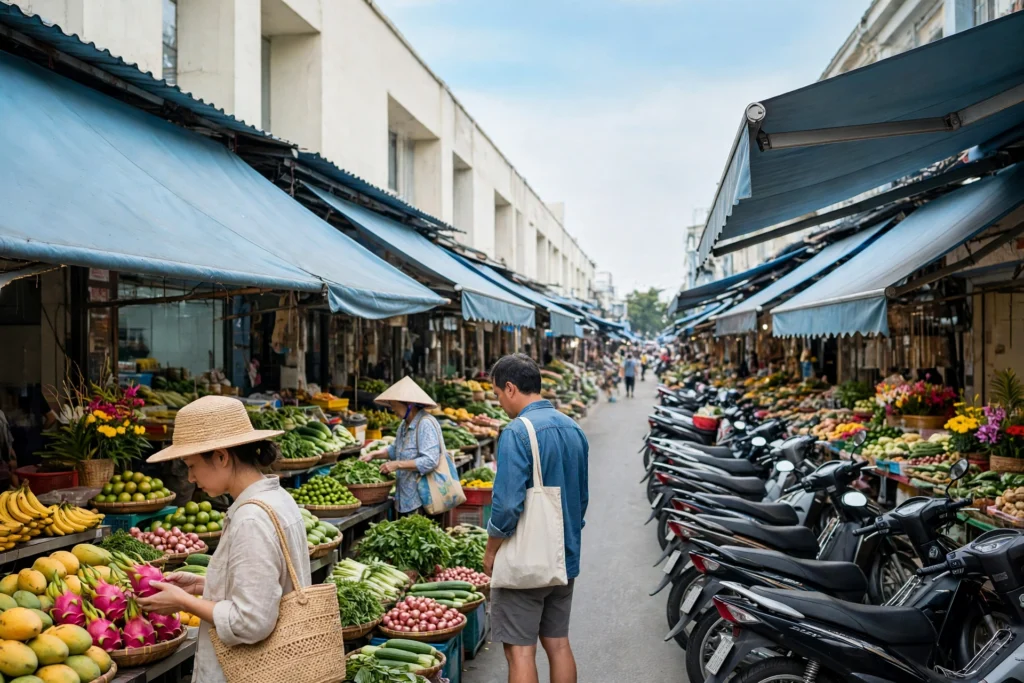
Violent crime against visitors in Vietnam is rare. That is the consistent finding of the US, UK and Australian advisories, and it matches what long-term residents and tour operators report. Street robbery, assault and armed crime against tourists are uncommon, and Vietnam’s cities are calmer at night than many Western capitals. You are far more likely to lose a phone than to be threatened.
Petty crime is a different story. It is common, it is concentrated in tourist areas, and it is opportunistic rather than organised. The pattern is the same in Hanoi, Ho Chi Minh City, Da Nang and Hoi An: crowded streets, distracted visitors, and thieves on motorbikes who can be gone in three seconds. Understanding the pattern is most of the defence.
Bag snatching and phone snatching
This is the single most common crime against tourists in Vietnam, and it has a specific method. A rider on a motorbike passes close to the pavement, grabs a bag strap or a phone from a pedestrian’s hand, and accelerates away. It happens most often in Ho Chi Minh City and Hanoi, on busy streets near markets, backpacker districts and tourist sights, and it happens to people who are walking on the road side of the pavement with a bag on their road-side shoulder.
The fix is simple and it works:
- Carry your bag on the building side of your body, not the road side, and keep the strap across your body rather than hanging from one shoulder.
- Do not walk along the kerb holding your phone out for navigation or photos. Step into a shop doorway or a cafe to check your phone.
- Leave your passport in the hotel safe and carry a photocopy plus a photo on your phone. The US State Department advises exactly this.
- Keep your day bag zipped and in front of you in crowded markets and on public transport.
- If a bag is grabbed, let it go. Chasing a motorbike thief is how a stolen phone becomes a serious injury.
Pickpocketing
Pickpockets work the same crowded places everywhere in the world: Ben Thanh Market in Ho Chi Minh City, the Old Quarter in Hanoi, night markets in Hoi An, and packed buses and trains. Front pockets, zipped inner pockets and a money belt under your clothes are the standard defence, and they are enough. Do not keep your wallet in a back pocket, and do not carry all your cash and cards together — split them between your bag and your person, so one loss is not a total loss.
Hotel and room theft
Theft from hotel rooms is uncommon in established hotels, but it happens in cheap guesthouses and hostels, usually when valuables are left out in shared dorms. Use the room safe where one exists, use a small padlock on your bag in a dorm, and do not leave a laptop or camera on the bed while you go to breakfast. This is ordinary travel sense, and it is all that is needed.
Scams that target visitors
The most expensive “crime” most visitors encounter in Vietnam is not theft at all — it is a scam, and the full list with what each one costs is in the scams section below. The short version: rigged taxi meters, inflated prices for tourists, fake “closed attraction” stories from touts, and online romance and money-transfer scams. None of these is violent. All of them are avoidable once you know the script.
What about terrorism and political risk?
The UK advice notes a high global threat of terrorist attack affecting UK interests, while adding that there is no recent history of terrorism in Vietnam and attacks cannot be ruled out. That is standard wording applied to many countries. Vietnam is a single-party state that does not tolerate political dissent, and the US advisory is blunt about it: US citizens have been detained, tried and convicted for activities considered sensitive or political, including criticising the government online, carrying political materials, or taking part in unapproved religious activity. The practical rule for visitors is straightforward: do not join protests, do not post political criticism while you are in the country, and do not carry political books or materials. Ordinary sightseeing, eating, shopping and travelling are unaffected.
The honest summary of crime in Vietnam is this: you are very unlikely to be hurt, and quite likely to be targeted for a small theft or a scam if you look like an easy mark. The difference between those two outcomes is mostly in your hands.
Safety in Vietnam by City: Hanoi, Ho Chi Minh City, Da Nang, Hoi An, Ha Long Bay and Sapa
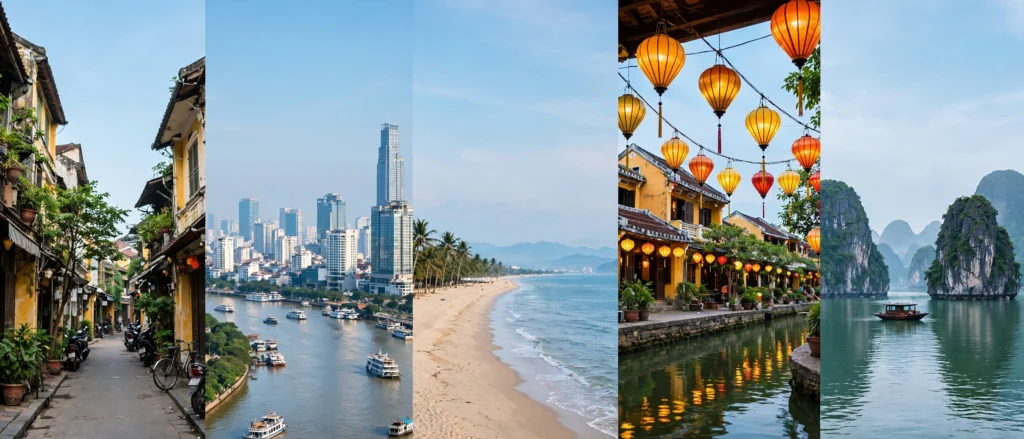
Vietnam is not one safety picture — it is six or seven different ones, depending on where you are. A quiet beach town and a ten-million-person city do not carry the same risks, and the advice changes with them. This table summarises the main tourist destinations; the detail follows it.
| City / area | Overall safety for tourists | Main risks | Night safety | Best for |
|---|---|---|---|---|
| Hanoi | Good | Bag and phone snatching in the Old Quarter; taxi scams at the airport; air pollution | Good in the Old Quarter and around Hoan Kiem Lake; quieter side streets can feel empty late at night | Culture, food, history |
| Ho Chi Minh City (Saigon) | Good, with the most petty crime in the country | Bag snatching by motorbike riders, especially in District 1 and Pham Ngu Lao; pickpockets at Ben Thanh Market | Good on busy streets; take a Grab car after midnight rather than walking | Food, nightlife, day trips |
| Da Nang | Very good | Fewer scams than the big two cities; beach currents and riptides; traffic on coastal roads | Good — beachfront and riverside areas are well lit and busy | Beaches, families, first-timers |
| Hoi An | Very good | Overcharging by some tailors and tour sellers; flooding in the old town in October and November; bicycle and scooter accidents | Very good — the lantern-lit old town is busy and relaxed at night | Relaxed pace, food, tailoring |
| Ha Long Bay | Very good | Boat safety varies by operator — choose licensed cruises; rough seas in storm season | Good — most visitors are on overnight boats or in Ha Long City | Cruises, scenery |
| Sapa | Good | Mountain road accidents; fog and sudden weather changes; aggressive sellers around the town centre; trekking without a guide | Good in town; do not trek after dark | Trekking, mountain scenery |
Hanoi
Hanoi is busy, noisy and safe in the ways that matter. The Old Quarter is where most petty crime happens, because that is where the crowds and the tourists are. The same streets that are charming at 8pm are also where a phone can disappear from your hand. Walk on the building side, keep your bag across your body, and use Grab or a reputable taxi company from the airport rather than accepting a ride from a tout in the arrivals hall. Hanoi also has the worst air pollution of any major Vietnamese city — the US advisory flags it directly — so if you have asthma or a respiratory condition, check the air quality forecast and carry your medication.
Ho Chi Minh City (Saigon)
Ho Chi Minh City has the most bag snatching in Vietnam, and it is worth being more alert here than anywhere else in the country. District 1, Ben Thanh Market and the Pham Ngu Lao backpacker area are the hotspots. That is also where the best food, the liveliest streets and most of the hotels are, so the answer is not to avoid the area — it is to walk a little more carefully in it. Use Grab cars rather than motorbike taxis after dark, keep your phone off the kerb, and do not wear a bag on your road-side shoulder. The city is large, modern and well policed in the centre, and most visitors spend days here without a single problem.
Da Nang
Da Nang is the easiest of the big cities for a first-time visitor. It is cleaner, more spacious and less frantic than Hanoi or Ho Chi Minh City, the beachfront is well maintained, and the scam pressure is noticeably lower. The main risks are different: strong currents and riptides at the beach, especially outside the patrolled swimming areas, and traffic on the coastal road. Swim where lifeguards are present, and treat the sea with the respect you would anywhere in Southeast Asia. Da Nang is a good choice if you want Vietnam with the volume turned down.
Hoi An
Hoi An is the most relaxed of the major tourist towns, and the old town at night — lanterns, closed to most traffic, full of people — is one of the safest-feeling places in Vietnam after dark. The risks here are softer ones: being overcharged by a tailor or a tour seller, minor flooding in the old town during October and November, and small accidents on rented bicycles and scooters on narrow lanes. Agree prices before you commit to anything, and check the flood forecast if you are travelling in late autumn.
Ha Long Bay
Ha Long Bay is safe, with one condition that matters: the boat you choose. The US advisory is clear that Vietnam’s tourism industry is not well regulated — safety inspections for equipment and facilities are rare, dangerous areas are not always marked, and staff may not be trained or certified. That applies to boats more than anything else. Book a licensed cruise through a reputable operator or your hotel, check that life jackets are provided and visible, and do not book the cheapest boat from a street tout. In storm season, cruises can be cancelled at short notice — that is the system working, not a ruined trip.
Sapa
Sapa is safe in town and needs respect in the mountains. The risks are weather and roads: fog that drops visibility to a few metres, sudden rain, steep mountain roads, and trekking routes that are easy to underestimate. Do not trek alone after dark, hire a licensed local guide for anything beyond the easy valley walks, and check the forecast before you set out. In town, the main annoyance is persistent selling by some vendors around the centre — a polite, firm “no thank you” and walking on is enough.
Traffic in Vietnam: The Biggest Danger (and Why Not to Rent a Motorbike)
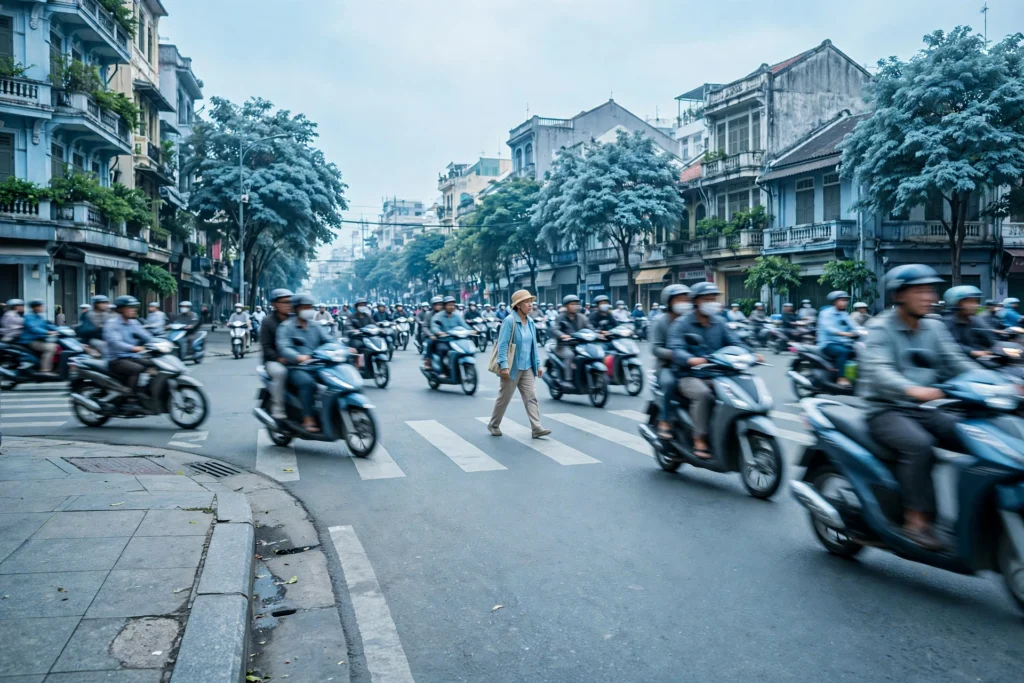
If this guide had one chapter you must read, it is this one. Traffic kills far more visitors in Vietnam than crime does. That is the consistent message of the official advisories, the travel guides and the expat community, and it is the risk most travellers underestimate — because the traffic looks fun in photos and feels manageable from the pavement. It is not, the first time you are in it.
Vietnam’s roads are crowded and chaotic. Most people travel by motorbike. Drivers change lanes constantly, honk continuously, cut in front of each other and sometimes ignore traffic signals. The US State Department describes the traffic system as “organized chaos,” and notes that although helmets, speed limits and a zero-alcohol rule are the law, many people do not follow them consistently. Night driving is especially risky on rural highways without street lights, in the rainy season when flooding cuts visibility, and on long-distance night buses. Motorbike accidents are a leading safety concern, and the State Department advises US government employees to use licensed taxis or established ride-hailing apps and avoid unverified or informal transport.
Do not rent a motorbike without a licence and insurance
Here is the advice, stated plainly: do not rent a motorbike in Vietnam unless you hold a valid Vietnamese driving licence and your travel insurance explicitly covers motorbike riding in Vietnam. Most visitors meet neither condition, and that is the point.
- Your licence does not work here. US driving licences and International Driving Permits do not work in Vietnam. The State Department says so directly. Riding without a Vietnamese licence can mean a fine, arrest or jail if you are stopped, and it means you are riding illegally if you crash.
- Your insurance probably does not cover you. Most standard travel insurance policies exclude motorbike riding, or cover it only if you hold a valid licence for the country you are riding in and wear a helmet. If you crash unlicensed and uninsured, you pay the hospital bill yourself — and the State Department notes that hospitals in Vietnam require payment up front, often in cash, before treatment.
- The risk is not theoretical. Foreigners on rented motorbikes are over-represented in serious road accidents in Vietnam, including in the mountains, where roads are steep and curvy, visibility is poor and rockfalls are common. The State Department’s mountain-travel advice is to ride only with significant experience — and even then, only with a licence accepted in Vietnam.
- Rental shops do not check. A shop in the Old Quarter or in Hoi An will hand you a bike for a few dollars a day and ask no questions. That is not permission. It is a business model that leaves you carrying the risk.
If you still want the motorbike experience, the safe version is to hire a licensed driver — an “easy rider” tour with a local driver in the mountains, or a GrabBike ride in the city with a helmet provided. You get the wind and the views; a professional carries the risk.
How to get around safely instead
- Grab is your best friend. The Grab app works across Vietnam for cars and motorbike taxis. The price is fixed in the app before you ride, the driver and vehicle are identified, and you can share your trip with someone at home. The State Department advises verifying that the driver and vehicle match the app before getting in, and never accepting a ride from someone claiming to work for your matched driver. Green SM, Vinasun and Mai Linh are reputable taxi companies; insist on the meter or use the app.
- Cross the street slowly and steadily. This is the famous Vietnam skill, and it works: walk at a slow, steady pace, do not stop suddenly, do not run, and let the traffic flow around you. Drivers expect pedestrians and adjust. Hesitation and sudden changes of direction are what cause accidents.
- Avoid night buses and rural night driving. The State Department flags long-distance night buses as risky, and the UK advice notes that bus and coach crashes are more likely at night. Where you can, travel by day, or take a domestic flight instead — Vietnam’s domestic flight network is cheap and reliable, and the aviation authority meets international safety standards.
- Wear a seat belt where one exists, and a helmet on any bike. Helmets are legally required on motorbikes. On a GrabBike, the driver should provide one; if they do not, cancel and order another.
- Keep your documents with you if you drive. If you do drive legally, you must carry your licence, vehicle registration and personal identification, and police can stop and check them.
For a practical look at the apps that make all of this easier — Grab, maps, translation and transport — see our guide to the best travel apps for your trip.
Scams in Vietnam: What They Cost and How to Avoid Them
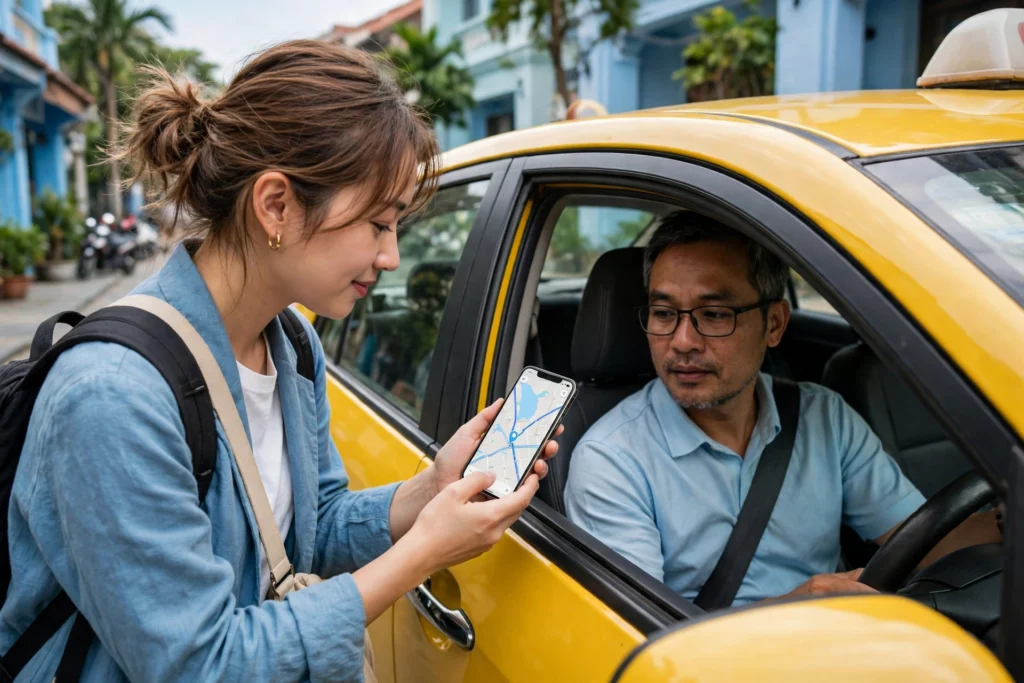
Scams in Vietnam are common, rarely violent and almost always avoidable. The table below lists the ones visitors actually encounter, what each typically costs, and the one-line fix. Learn the scripts before you go and you will recognise them in the first five seconds — which is when they are easiest to walk away from.
| Scam | How it works | What it typically costs | How to avoid it |
|---|---|---|---|
| Rigged or “broken meter” taxi | Driver claims the meter is broken or takes a long route; unlicensed taxis at airports and stations | 2–5 times the real fare; a $5 ride becomes $15–25 | Use Grab or a named company (Vinasun, Mai Linh, Green SM); agree the price or check the meter runs before you move |
| Fake tour or attraction tickets | Touts sell “tickets” to a temple, show or cruise that do not exist or are already included | $10–50 per person | Buy tickets at the official entrance or through your hotel; never from a tout on the street |
| “Closed attraction” trick | A friendly stranger tells you the temple or museum is closed today and offers a better alternative — a shop or tour that pays them | $20–100 in overpriced shopping or tours | Ignore the advice; walk to the attraction and check for yourself |
| Shoe shining / photo / fruit sellers | A service or photo is pressed on you, then an inflated price is demanded | $5–20 | Say no clearly before any service starts; do not accept anything “free” |
| Inflated prices for tourists | Menus without prices, or a price that doubles when you ask to pay | A meal or item at 2–3 times the local price | Eat where prices are printed; ask the price before ordering; walk away if it changes |
| Currency and change tricks | Wrong change, or old or foreign notes passed off as Vietnamese dong | $5–20 per transaction | Learn the dong denominations; count change; pay with small notes |
| Motorbike rental damage claim | The shop claims you scratched the bike and demands repair money | $50–200 | Photograph the bike from every angle before you ride away; better, do not rent at all |
| Romance and online scams | A new online “friend” or partner asks for money, or claims to be a US citizen in need of help | Hundreds to thousands of dollars | Never send money to someone you met online; the State Department warns these scams are common in Vietnam |
| Passport delivery scam | A caller or texter pretends to work for the passport delivery service and asks you to send money or upload ID | Your money and your identity documents | Hang up; the real delivery service never asks for money online or for ID uploads — pay cash in person and show ID in person |
| Drink spiking and methanol | Drinks are spiked, or cheap alcohol contains methanol, which can kill or blind | Your health — methanol poisoning has caused deaths in licensed bars | Watch your drink being made; never leave it unattended; buy alcohol from reputable shops; refuse drinks from strangers |
A few of these deserve a little more detail, because the cost is not only money.
Taxi scams are the most frequent, and the easiest to beat. The fix is Grab. A Grab car costs roughly what a fair taxi should cost, the price is shown before you ride, and there is a record of the trip. If you do take a street taxi, use Vinasun or Mai Linh in Ho Chi Minh City, and check the meter is running and the starting fare is normal before the car moves. At airports, ignore the touts in the arrivals hall and walk to the official taxi rank or order a Grab.
The “closed attraction” trick is the classic Hanoi and Ho Chi Minh City scam, and it works because the person telling you is friendly and sounds helpful. They will say the temple is closed for a ceremony, or the museum is shut on Mondays, and that they know a wonderful tailor, art shop or tour instead. The attraction is almost never closed. Thank them, keep walking, and check for yourself.
Drink spiking and methanol are the most serious entries in this table, because the cost is health, not money. The UK Foreign Office records deaths and cases of serious illness caused by alcoholic drinks containing methanol in Vietnam, including drinks purchased in licensed bars, shops and hotels in tourist areas. The US advisory adds that criminals may use dating apps to target visitors for robbery or assault, and advises meeting in public places, telling friends where you are, and never leaving food or drinks unattended. The rules are simple: watch your drink being prepared, never accept a drink from a stranger, buy alcohol from reputable shops, and if a drink tastes wrong, stop drinking it.
Romance and money-transfer scams deserve a warning because they are the most expensive. The State Department says internet romance scams are common in Vietnam, often beginning through online posts, emails or letters, with scammers pretending to be US citizens in need of help. The rule is absolute: never send money to someone you have only met online, however convincing the story.
If you are scammed, report it. You can report crime to the local police by dialling 113, and the US embassy or consulate can help you report a crime, replace a stolen passport and contact family. Reporting also helps the next traveller — the police and embassies track the patterns.
Is Vietnam Safe for Solo Female Travellers?
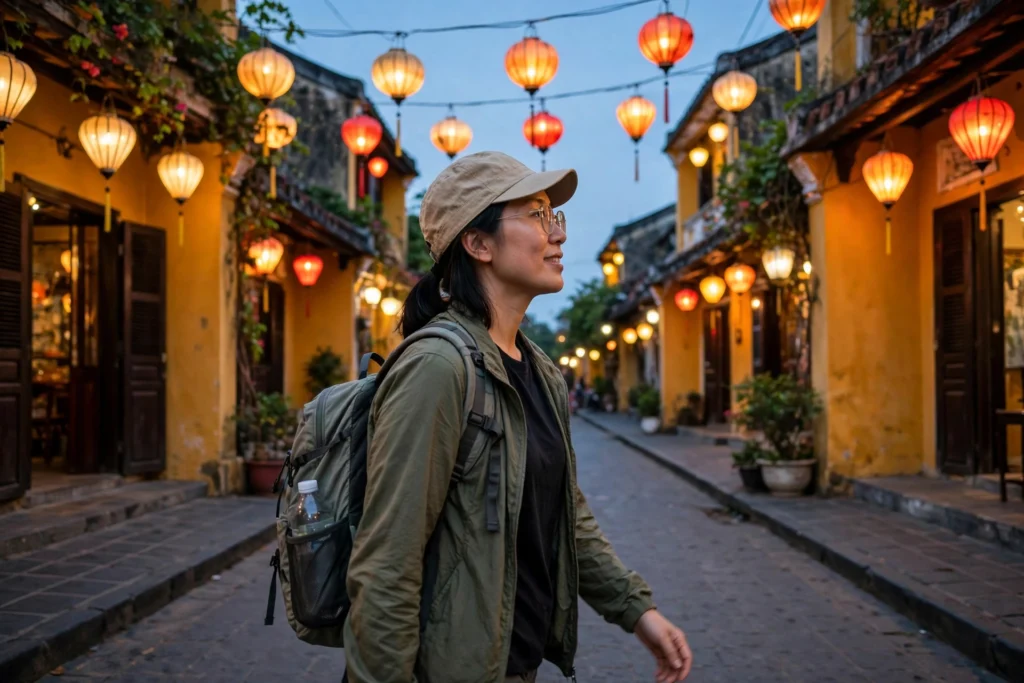
Yes — Vietnam is one of the more comfortable countries in Southeast Asia for women travelling alone, and it is a popular first solo trip for good reason. Violent crime against foreign women is rare, harassment on the street is less common than in many other destinations, and the backpacker infrastructure means you are rarely far from other travellers, English-speaking staff and help.
That is the general picture. The specific advice for solo female travellers is mostly the same advice that applies to everyone in Vietnam, with a few additions that matter:
- Bag snatching is the main risk, and it is gender-neutral. The same rules apply: bag on the building side, phone off the kerb, passport in the hotel safe. Women are not specifically targeted for snatching — anyone with a phone in their hand at the kerb is a target.
- Use Grab cars at night, not motorbike taxis. After dark, a Grab car with a named driver and a shared trip is the safest way to move around a city. The State Department advises verifying the driver and vehicle match the app, and never taking a ride from someone claiming to work for your matched driver.
- Be careful with unlicensed taxis and dating apps. The UK advice records that British nationals have reported rape and sexual assaults in the main tourist areas and places where foreigners live, often committed by or linked to unlicenced taxi drivers. Use licensed taxis and ride-hailing apps only. The US advisory warns that criminals may use dating apps to target visitors for robbery or assault: meet in a public place, tell a friend where you are and when, consider sharing your location, and avoid being isolated in a hotel room or private apartment with someone you just met.
- Drink spiking is a real risk for everyone, and women should be particularly careful. Never leave a drink unattended, watch it being made, and refuse drinks from strangers. If you feel unwell after a drink, tell the bar staff and your hotel immediately and seek medical help.
- Dress is relaxed in tourist areas, and modest dress is respectful at temples and in rural areas. Vietnam is generally tolerant — there are no legal restrictions on consensual same-sex relations, and the country is described by the UK as generally tolerant and progressive for LGBT+ travellers — but covering shoulders and knees at temples and pagodas is expected, and it also attracts less attention in rural areas.
- Stay in well-reviewed accommodation. Choose hotels and hostels with recent reviews from solo female travellers, a 24-hour reception, and a safe or secure storage. The difference between a good hostel and a bad one is usually visible in the reviews.
- Share your plans. Tell someone at home your itinerary, share your live location with a friend when you are out at night, and keep your hotel’s address and phone number saved on your phone.
None of this is Vietnam-specific in the way the traffic and scam advice is — it is good solo travel practice anywhere. The reason Vietnam works well for solo female travellers is that the underlying risk is low: the country is busy, social and well travelled, and a woman eating alone in a restaurant or walking around an old town at night is an ordinary sight, not an unusual one. If you are planning your first solo trip, our guide to the best places to travel without a passport is a useful starting point for the documents side, and the same habits — planning, sharing your location, choosing well-reviewed places — carry over.
Is Vietnam Safe at Night?
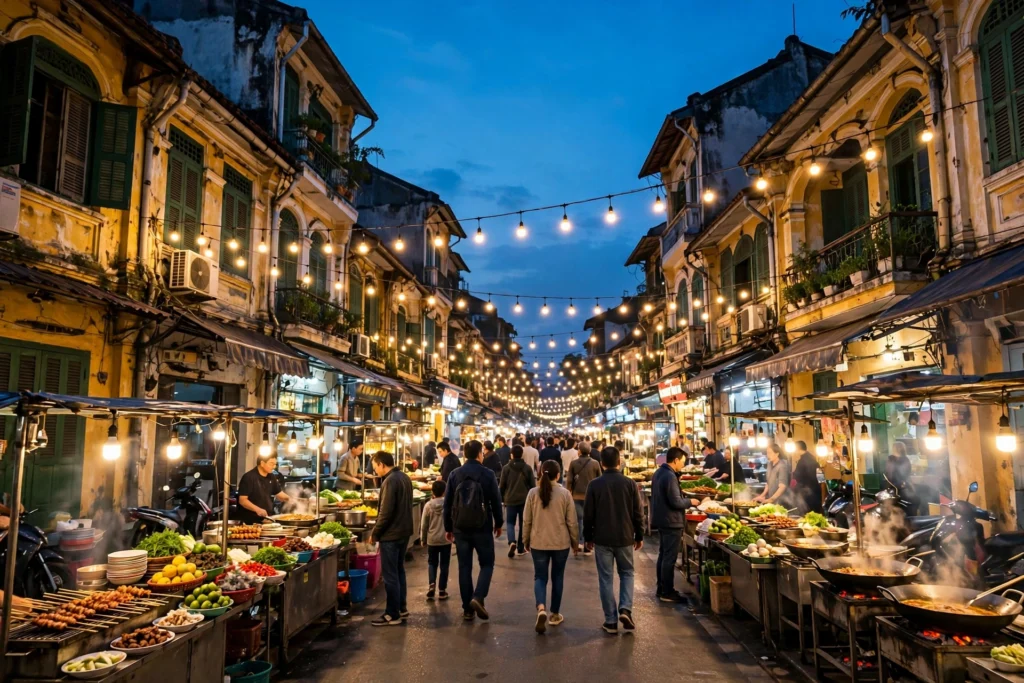
Mostly yes — with the usual city rules. Vietnam’s cities stay busy late, the night markets and food streets are full of people, and walking around the Old Quarter in Hanoi or the riverside in Da Nang after dark feels safe to most visitors. The UK advice notes that violent crime against foreigners is rare, and the US advisory does not warn against going out at night.
The risks that do rise after dark are specific:
- Traffic gets worse, not better. Visibility drops, some drivers drink and drive, and rural roads often have no street lights. Avoid driving yourself at night entirely, and avoid long-distance night buses where you can. If you are out late in a city, take a Grab car home rather than walking a long way or taking a motorbike taxi.
- Bag snatching continues after dark, and quiet streets are riskier than busy ones. Stick to well-lit, busy streets, keep your phone away, and take a car for longer distances.
- Alcohol and drugs. Bar areas attract touts, unlicensed taxis and drink spiking. Drink in reputable bars, watch your drink, and do not accept a lift from a stranger outside a bar. Remember that drug use, including marijuana, is illegal in Vietnam, and police sometimes check people at nightclubs and bars — if drugs show up in a blood test, you can be arrested even if you took them before arriving in the country.
- Unlit and empty areas. Side streets, parks and riverside paths can be very dark and very empty late at night. They are not dangerous in themselves, but there is no one around if something goes wrong. Stay on the main streets.
In practice, most visitors’ nights in Vietnam are spent eating street food, walking night markets and sitting in cafes — all safe, social and busy. The rule is simple: enjoy the night, stay on the busy streets, and take a car home.
Health in Vietnam: Dengue, Food, Water and Hospitals
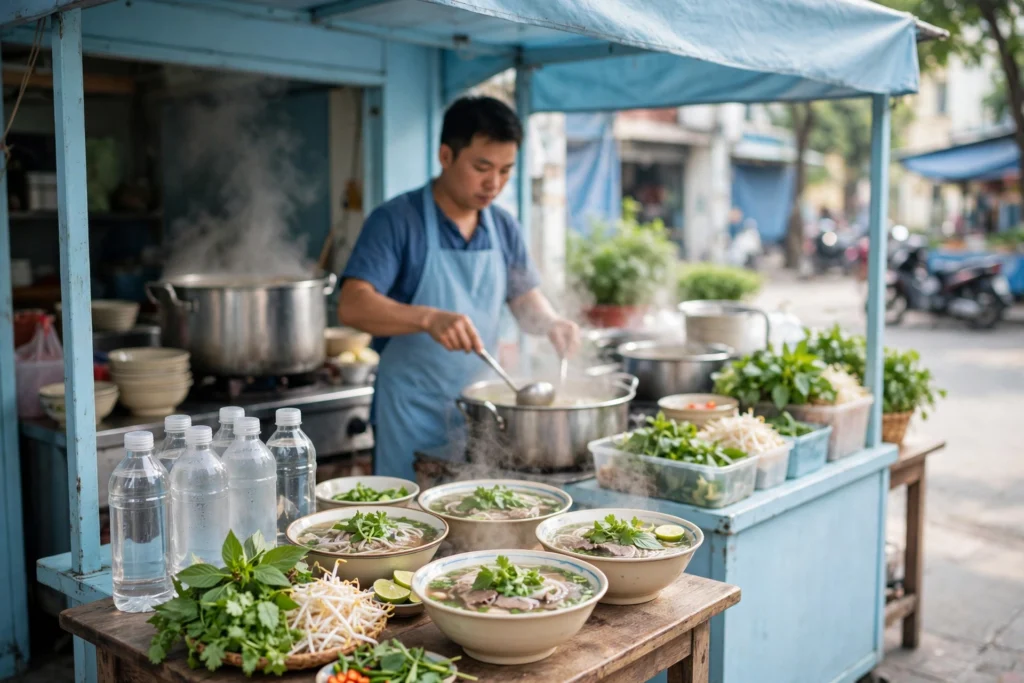
Health is the part of Vietnam safety that travellers plan least and notice most. The risks are not exotic — they are mosquitoes, water, food and the cost of getting hurt — and all of them are manageable with a little preparation.
Dengue fever
Dengue is the main mosquito-borne risk in Vietnam, and it is worth taking seriously. It is spread by daytime-biting mosquitoes, it is present year-round with a peak in the rainy season, and there is no specific treatment — prevention is the whole strategy. Use insect repellent with DEET or picaridin during the day as well as at night, wear long sleeves and trousers in the evenings and in rural areas, and sleep under a mosquito net or in an air-conditioned room with screens where they are provided. If you develop a high fever, severe headache, pain behind the eyes or a rash within two weeks of a mosquito bite, seek medical care promptly and mention dengue. Malaria is a much lower risk for most tourist itineraries, but ask your doctor about it if you are travelling to remote rural or forested areas.
Food and water
Tap water in Vietnam is not considered safe to drink anywhere, including in major cities. That is the US State Department’s wording, and it is unambiguous. Drink bottled water from major brands and check the seal is intact. Ask for bottled water rather than the boiled water many restaurants serve by default. Be careful with ice — it may be made from tap water — and request no ice if you are unsure. Do not eat uncooked vegetables and fruits you cannot peel yourself, and be careful with street food that has been sitting out. The good news is that Vietnam’s street food is one of the great pleasures of the country, and freshly cooked food from a busy stall is generally safe: high turnover, cooked to order, eaten hot. The rule is to eat where the locals eat and where the food is cooked in front of you.
Hospitals and medical care
Health facilities are available in all major cities, and the US embassy maintains a list of clinics and hospitals — but care outside the big cities can be hard to find, and the payment rules will surprise visitors from countries with free healthcare. Medical care is not free in Vietnam. Most hospitals and doctors require cash payment up front or proof of good insurance before providing treatment or admitting a patient. US health insurance, Medicare and Medicaid do not cover expenses abroad, and most hospitals do not accept US health insurance at all. Ambulances are widely available in major cities but are often not equipped with advanced medical equipment and are generally not staffed with trained paramedics — the State Department notes that taking a taxi to the nearest major hospital can be faster than waiting for an ambulance.
That is why travel insurance matters so much in Vietnam, and why the “do I need travel insurance” question in the FAQ below has such a firm answer. Make sure your policy covers medical treatment abroad and medical evacuation, and carry the policy details and the insurer’s emergency number on your phone. If you are injured in a remote area, first responders may not be able to reach you, and you will likely need to travel to a major city for appropriate care.
Air quality
Air pollution is a significant problem in Vietnam’s major cities, especially Hanoi, and the State Department flags it directly. If you have asthma or another respiratory condition, check the air quality forecast before you travel and carry your medication. Hanoi’s worst air tends to come in the winter months, when still air traps pollution over the city.
Prescription medication
Carry prescription medication in its original packaging with your doctor’s prescription, authenticated and translated into Vietnamese where possible. Vietnam prohibits or strictly restricts medications containing narcotics, psychotropic substances and drug precursors such as high-dose codeine, pseudoephedrine and strong sedatives — even with a prescription. Check with the Vietnamese Ministry of Health before you travel if your medication falls into one of these categories. Counterfeit medication is common, so buy only from hospital pharmacies or with a doctor’s help.
Typhoon Season and Storms in Vietnam: Month by Month
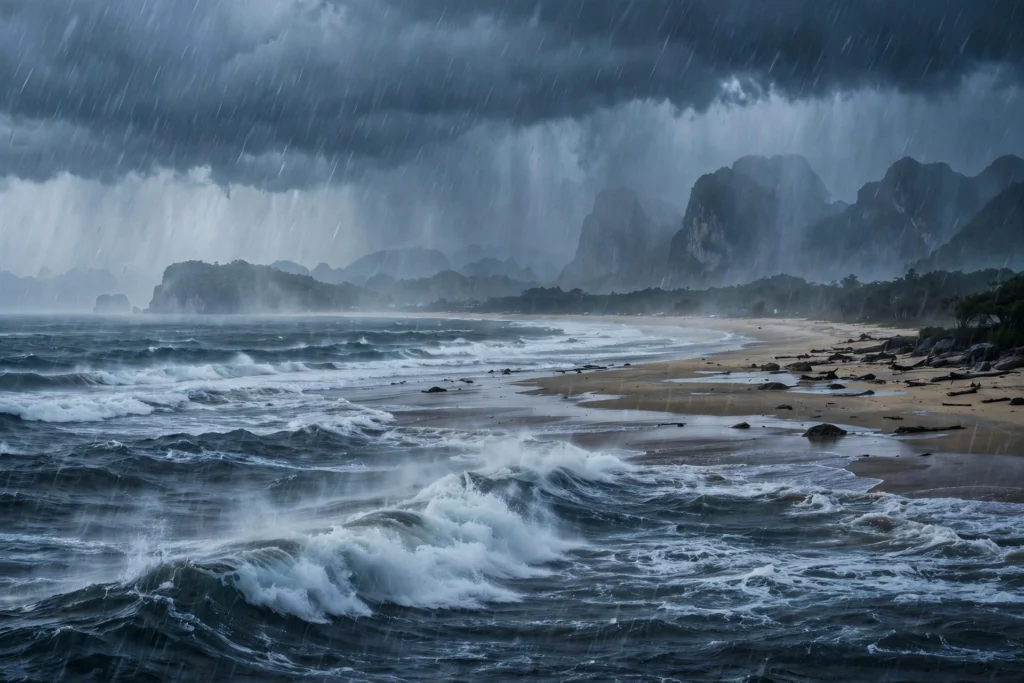
Storms are the one risk in this guide that can change your whole trip, not just your day. Typhoons and tropical storms hit the central and northern coasts from June to December, with the worst storms typically from September to November. Flooding follows: May to October in the south and central highlands, September to December along the central coast. The UK puts the tropical storm season at May to November; Australia at June to November. The exact dates differ because the season is long and the risk moves north to south through the year — but the message is the same: plan around it.
| Month | North (Hanoi, Ha Long Bay, Sapa) | Central (Da Nang, Hoi An, Hue) | South (Ho Chi Minh City, Mekong Delta) | Travel verdict |
|---|---|---|---|---|
| December | Cool, dry, clear — best month | Dry and pleasant after the storms | Dry, warm, sunny | Excellent everywhere |
| January | Cool, dry, occasional drizzle | Dry, mild | Dry and warm | Excellent — best overall month |
| February | Cool, dry, misty | Dry, warming up | Dry, hot and humid | Excellent |
| March | Warming up, some rain late in the month | Dry and warm | Very hot, dry | Very good |
| April | Warm, occasional showers | Hot and dry | Hottest month, dry | Very good, except the southern heat |
| May | Hot, rainy season begins | Hot, dry, occasional storms | Rainy season begins | Good, with afternoon rain in the south |
| June | Hot, wet, first typhoons possible | Hot, dry, storms possible | Wet, heavy afternoon rain | Fair — rain in the north and south |
| July | Hot, wet, typhoon risk rises | Hot, dry | Wet, heavy rain | Fair — check typhoon forecasts |
| August | Wet, typhoon risk | Hot, some rain | Wet, heavy rain | Fair |
| September | Wet, typhoon peak begins | Storms and flooding begin | Wet | Poor in the north and centre |
| October | Cooler, storms continue | Worst flooding month — Hoi An old town can flood | Rain eases late in the month | Poor in the centre; check forecasts daily |
| November | Cool, dry returns | Storms and flooding continue, easing late | Dry season begins | Good in the north and south; risky in the centre |
The safest window overall is December to April, when the whole country is at its driest and the storm risk is lowest. That is also the busiest and most expensive time to visit, so book early. For more on choosing when to go, see our guide to the best places to travel in January, which covers the same dry-season window.
If you are travelling between June and November, the rules are:
- Check the forecast every day, and check it again before any boat trip, mountain trek or intercity journey. The Vietnam Weather KTTV app gives real-time alerts about storms, landslides and flash floods, and the UDI Maps app tracks street flooding in Ho Chi Minh City.
- Build in buffer days. A typhoon can close airports, cancel Ha Long Bay cruises and flood roads for two or three days. Do not plan a tight itinerary with a flight home the morning after a central Vietnam leg in October.
- Follow local advice. If a cruise is cancelled, a road is closed or a hotel tells you to stay indoors, that is the system working. Do not try to travel through a flooded area.
- Know that flooding is normal in Hoi An in October and November. The old town floods most years, and it is usually a shallow, short-lived event that locals are used to — but it can close shops and guesthouses on the lowest streets, so choose accommodation on higher ground if you are visiting then.
Extreme heat is the other seasonal risk: heatwaves occur from March to May in the south and May to August in the north and centre. Drink water constantly, rest in the shade during the middle of the day, and take heat seriously — heatstroke is a real risk in April and May.
Laws in Vietnam Visitors Must Know: Drugs, Vapes, Drones and More

Vietnam’s laws are stricter than most visitors expect, and ignorance is not a defence. The State Department is direct: US citizens must follow local laws, and travellers who break them by accident have been detained, sometimes for a long time, and can face criminal charges and conviction. These are the laws that catch visitors out.
Drugs — the harshest laws in this guide
Drug use, including marijuana and its derivatives, is illegal in Vietnam. Penalties for possessing, using, distributing or manufacturing drugs, including cannabis, regardless of the amount involved, are severe. Some ingredients in common prescription drugs for conditions such as ADHD may be illegal. Police sometimes check people at nightclubs and bars, and if they think you might be using drugs they may require a blood test. You can be arrested if drugs show up in your blood, even if you took them in another country before arriving in Vietnam. The rule is absolute: do not bring drugs into Vietnam, do not buy drugs in Vietnam, and do not accept drugs from anyone.
Vapes are banned
Vapes are banned in Vietnam, and so is laughing gas. Do not bring a vape into the country, and do not buy one there. This surprises many visitors, because vapes are openly sold in some neighbouring countries — in Vietnam they are illegal, and the ban is enforced.
Drones are illegal
Drones are illegal in Vietnam. If you are caught with one, it will be taken away immediately and you will need to pay a fine of $320 to $1,200. Flying a drone near a military base, a border or a government building can mean arrest, jail or deportation. Leave the drone at home — Ha Long Bay is beautiful enough from the deck of a boat.
Satellite communicators and GPS
Satellite communicators such as the Garmin inReach are heavily restricted and will likely be confiscated at customs if you bring them in without government authorisation. Standard GPS on a smartphone is legal and widely used, but using any GPS device, mapping software or camera near military installations, border zones or sensitive infrastructure is strictly prohibited, and you can be questioned or detained on the spot.
Political speech and online posts
Vietnam maintains strict control over political speech, media and religious activity. US citizens have been detained, tried and convicted for criticising the government, suggesting alternatives to Communist Party rule, carrying political books or papers, or taking part in religious activities the government has not approved. Authorities have also detained US citizens for posting messages on blogs, social media or online chatrooms that are perceived to be political or critical. US citizens of Vietnamese descent should be especially careful with online postings. The practical rule: keep your opinions off social media while you are in Vietnam, avoid all protests, and do not carry political materials.
Everyday rules
- Always carry photographic ID. The authorities will accept a printed copy of the photo page of your passport and visa.
- Counterfeit goods are common and may be illegal — you can be fined or have them confiscated if you bring them back to the United States.
- If you are arrested or detained, ask officials to notify the US embassy or consulate immediately. Be aware that Vietnamese authorities routinely fail to notify the embassy in a timely manner, and delays of multiple weeks for consular visits have been reported.
- Detention conditions are harsh. Facilities often have no air conditioning, are crowded, hot and humid, and may not provide enough food or specific medicines. This is not a scare story — it is what the State Department reports, and it is one more reason to stay on the right side of the laws above.
Unexploded Ordnance and Landmines in Vietnam
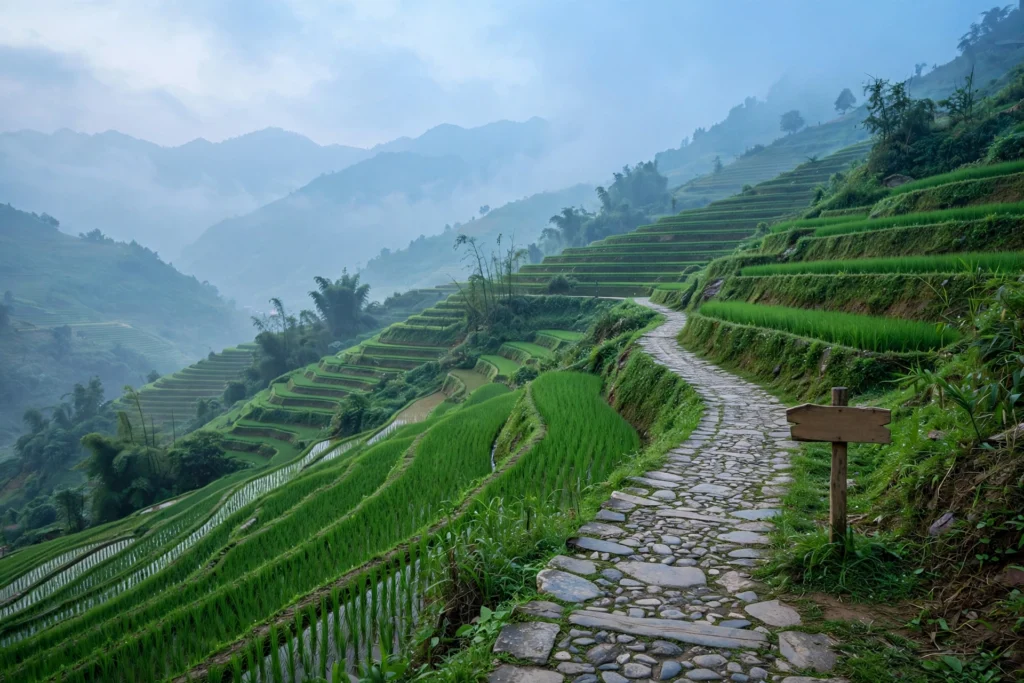
This is the risk that sounds alarming and is, in practice, easy to avoid. Landmines and unexploded ordnance remain from the war, and they still exist across Vietnam. The US advisory says the areas of greatest risk are construction sites, and that the risk is low in urban areas and tourist destinations. That distinction is the whole story.
For a tourist, the practical rules are short:
- Stay on marked paths and roads. Do not wander off marked trails, into fields, or onto construction sites, especially in rural and central areas.
- Do not touch strange metal objects. If you see an old shell, bomb or piece of metal in the countryside, do not pick it up, do not kick it, and tell a local guide or authority.
- Hire a licensed guide for rural trekking. A local guide knows which areas are cleared and which are not. This is one of the reasons to use a guide in Sapa and the central highlands rather than walking alone.
- The cities, beaches, old towns and cruise routes are low risk. Hanoi, Ho Chi Minh City, Da Nang, Hoi An, Ha Long Bay and the main tourist trails are not where the danger lies.
Unexploded ordnance is a real and tragic issue for the people who live and farm in affected areas, and clearance work continues. For a visitor who stays on the marked paths, it is a background risk, not a daily one — but it is worth knowing about, because the one mistake that matters is wandering off a path in a rural area.
Emergency Numbers and Embassy Help in Vietnam
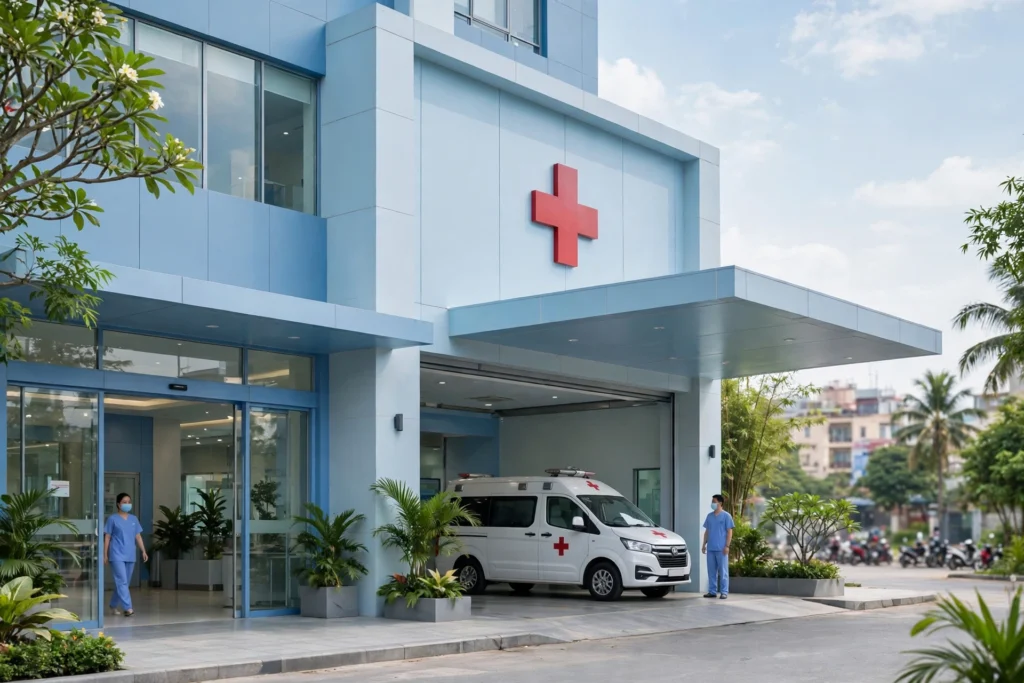
Save these numbers on your phone before you fly. In an emergency you do not want to be searching for them.
| Service | Number |
|---|---|
| Police | 113 |
| Ambulance | 115 |
| Fire and rescue | 114 |
| National search and rescue | 112 |
| Vietnam Expressway Corporation hotline | 1900-54-55-70 |
The numbers are the same across the country, and the US State Department and the UK Foreign Office agree on them: police 113, ambulance 115, fire 114, with search and rescue on 112. Save all four, and save your hotel’s number and address too.
US embassy and consulate
- US Embassy, Hanoi: 170 Ngoc Khanh, Ba Dinh District, Hanoi. Main telephone +84-24-3850-5000 (emergency after hours, same number).
- US Consulate General, Ho Chi Minh City: 4 Le Duan, District 1, Ho Chi Minh City. Main telephone +84-28-3520-4200 (emergency after hours, same number).
- Website: vn.usembassy.gov
The embassy and consulate can replace a stolen or lost passport, help you find medical care, assist you in reporting a crime to the police, contact relatives or friends with your written consent, provide a list of local attorneys, and help with an emergency loan for repatriation or limited medical support in cases of need. They cannot change your e-visa, speed up a visa application, or pay your medical bills. If your passport is lost or stolen, report it to the local police first, then contact the embassy — and remember that you will need both a replacement passport and a replacement Vietnamese visa to legally leave the country.
What to do if something goes wrong
- Theft or bag snatching: report it to the police on 113, get a written report for your insurance claim, and contact your embassy if your passport was taken.
- Medical emergency: dial 115, or take a taxi to the nearest major hospital — the State Department notes this can be faster than waiting for an ambulance. Contact your travel insurer’s emergency line as soon as you can.
- Scam call or passport delivery scam: hang up immediately, report it to the US Embassy in Hanoi or the Consulate General in Ho Chi Minh City, and never share personal or financial information over the phone.
- Arrest or detention: ask officials to notify the embassy or consulate immediately, and keep asking. Do not sign anything you do not understand.
Practical Safety Tips for Vietnam: A Checklist Before You Go
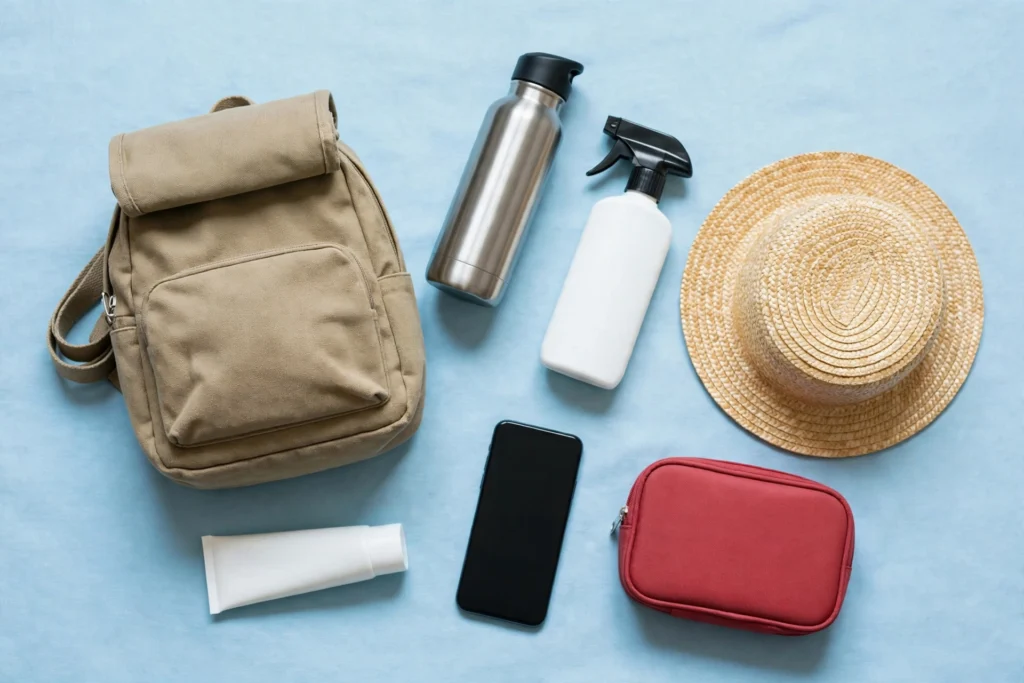
Everything in this guide, boiled down to the list you can run through the week before you fly.
Before you go
- Check the US State Department Vietnam advisory and the UK Foreign Office Vietnam travel advice again — advisories change.
- Buy travel insurance that covers medical treatment abroad and medical evacuation, and check whether it covers motorbike riding — most policies do not, and riding uninsured is the single most expensive mistake in this guide.
- Apply for your e-visa only through the official Vietnamese government e-visa site, and check it carefully: the entry and exit locations must match the port you chose, and an error can mean being refused entry.
- Visit your doctor about vaccinations and dengue prevention, and check whether any of your prescription medications are restricted in Vietnam.
- Photocopy your passport and visa, and keep a photo of them on your phone. Leave the originals in the hotel safe when you go out.
- Save the emergency numbers (113 police, 115 ambulance, 114 fire), your hotel’s address, and your insurer’s emergency number on your phone.
- Download Grab, an offline map, and a translation app before you arrive. For a fuller list, see our best travel apps guide.
- Leave the drone and the vape at home. Both are illegal in Vietnam.
When you arrive
- Use Grab or a named taxi company from the airport, not a tout in the arrivals hall.
- Buy a local SIM card or an eSIM at the airport so you have data for Grab, maps and emergency calls.
- Work out your budget for the trip in advance — our guide on how to prepare a travel budget will help you set realistic daily costs for Vietnam, where prices are low but scams inflate them.
Every day
- Bag on the building side, phone off the kerb, zipped bag in front in crowds.
- Drink bottled water with an intact seal; be careful with ice and uncooked food.
- Use insect repellent during the day as well as at night.
- Cross the street slowly and steadily; never run.
- Check the weather before boat trips, treks and intercity travel in storm season.
- Watch your drink being made, never leave it unattended, and refuse drinks from strangers.
- Agree prices before you order, ride or commit — and walk away if the price changes.
- If you plan your route in advance, a simple travel itinerary template keeps the moving parts — flights, hotels, buffer days for storms — in one place.
Frequently Asked Questions About Travelling to Vietnam
Is Vietnam safe for tourists?
Yes. Vietnam is generally a safe destination for tourists — the US State Department rates it Level 1, its lowest level, and the UK advises against travel to no part of the country. Violent crime against visitors is rare. The main risks are traffic, petty theft, scams and storms, and all four are manageable with normal precautions.
Is it safe to travel to Vietnam alone?
Yes. Vietnam is a popular destination for travellers on their own, and the backpacker infrastructure is well developed. The same rules apply as for everyone — use Grab cars at night, keep your phone off the kerb, stay in well-reviewed accommodation — plus sharing your plans and live location with someone at home.
Is Vietnam safe for solo female travellers?
Yes. Vietnam is one of the more comfortable countries in Southeast Asia for women travelling alone, with low levels of street harassment and violent crime. Use licensed taxis and ride-hailing apps rather than unlicensed taxis, be careful with drinks and dating apps, and stay on busy, well-lit streets at night.
Is Vietnam safe at night?
Mostly yes. City centres, night markets and food streets are busy and feel safe after dark. Stick to well-lit streets, take a Grab car for longer distances or late nights, and avoid driving yourself or taking long-distance night buses.
Is tap water safe in Vietnam?
No. Tap water is not considered safe to drink anywhere in Vietnam, including in major cities. Drink bottled water from major brands with an intact seal, ask for bottled water in restaurants, and be careful with ice and uncooked vegetables.
Do I need travel insurance for Vietnam?
Yes — and this is not a formality. Medical care is not free in Vietnam, hospitals require cash payment up front, and most US health insurance does not cover treatment abroad. Make sure your policy covers medical treatment and medical evacuation, and check whether it covers motorbike riding, because most policies do not.
Is it safe to rent a motorbike in Vietnam?
Only if you hold a valid Vietnamese licence and your insurance covers it — and most visitors meet neither condition. US licences and International Driving Permits do not work in Vietnam, and riding without a licence can mean fines, arrest or jail. The safer option is a GrabBike or a licensed driver.
When is the safest time to visit Vietnam?
December to April, when the whole country is at its driest and the typhoon risk is lowest. Avoid the central coast in October and November, when flooding is at its worst, unless you are prepared to change plans at short notice.
What is the emergency number in Vietnam?
Police 113, ambulance 115, fire and rescue 114, national search and rescue 112. Save all four on your phone before you fly.
Are vapes and drones allowed in Vietnam?
No. Vapes are banned, and drones are illegal — if you are caught with a drone it will be confiscated and you can be fined $320 to $1,200. Leave both at home.
Is there a risk from landmines in Vietnam?
Landmines and unexploded ordnance exist, with the greatest risk at construction sites and low risk in urban areas and tourist destinations. Stay on marked paths and roads, do not touch strange metal objects, and hire a licensed guide for rural trekking.
Do I need a visa for Vietnam?
Most visitors need a visa or an e-visa, and the rules depend on your nationality. Apply only through the official Vietnamese government e-visa site, check the details carefully, and make sure your passport has at least two blank pages. For a broader look at where US citizens can travel without a visa, see our guide to places to travel without a passport.
Conclusion: Should You Travel to Vietnam?
Is it safe to travel to Vietnam? Yes — with normal precautions, and with your eyes open about the risks that actually matter. Vietnam is a Level 1 country by every major government’s measure, violent crime against visitors is rare, and the country is one of the most rewarding in Asia: the food, the landscapes, the cities and the people are worth the journey many times over.
The honest version of that yes is this: the danger in Vietnam is not a mugger in a dark alley. It is a motorbike you were never licensed to ride, a phone held out at the kerb, a taxi meter that was never running, a drink you did not watch being made, and a storm you did not check the forecast for. Every one of those is avoidable, and this guide has told you how.
Take the precautions, buy the insurance, check the advisory before you fly, and go. Vietnam is waiting — and it is safer than you feared, as long as you respect the traffic, the weather and the law.
People also read:
- Places to Travel Without a Passport
- Best Travel Apps for Your Trip
- How to Prepare a Travel Budget
- Best Places to Travel in January
- Travel Itinerary Template
- How to Find Travel Inspiration

M. Adil is the founder and editor of SoloTravelPro. He writes practical, research-based travel guides that help travellers plan with confidence — from first-time city breaks to national parks and island escapes. Every guide is built on official sources, current prices and honest, usable advice, so readers can plan smarter and travel better.

How Much to Travel to Japan? Real 2026 Trip Costs for 7, 10 and 14 Days