
Quick Answer
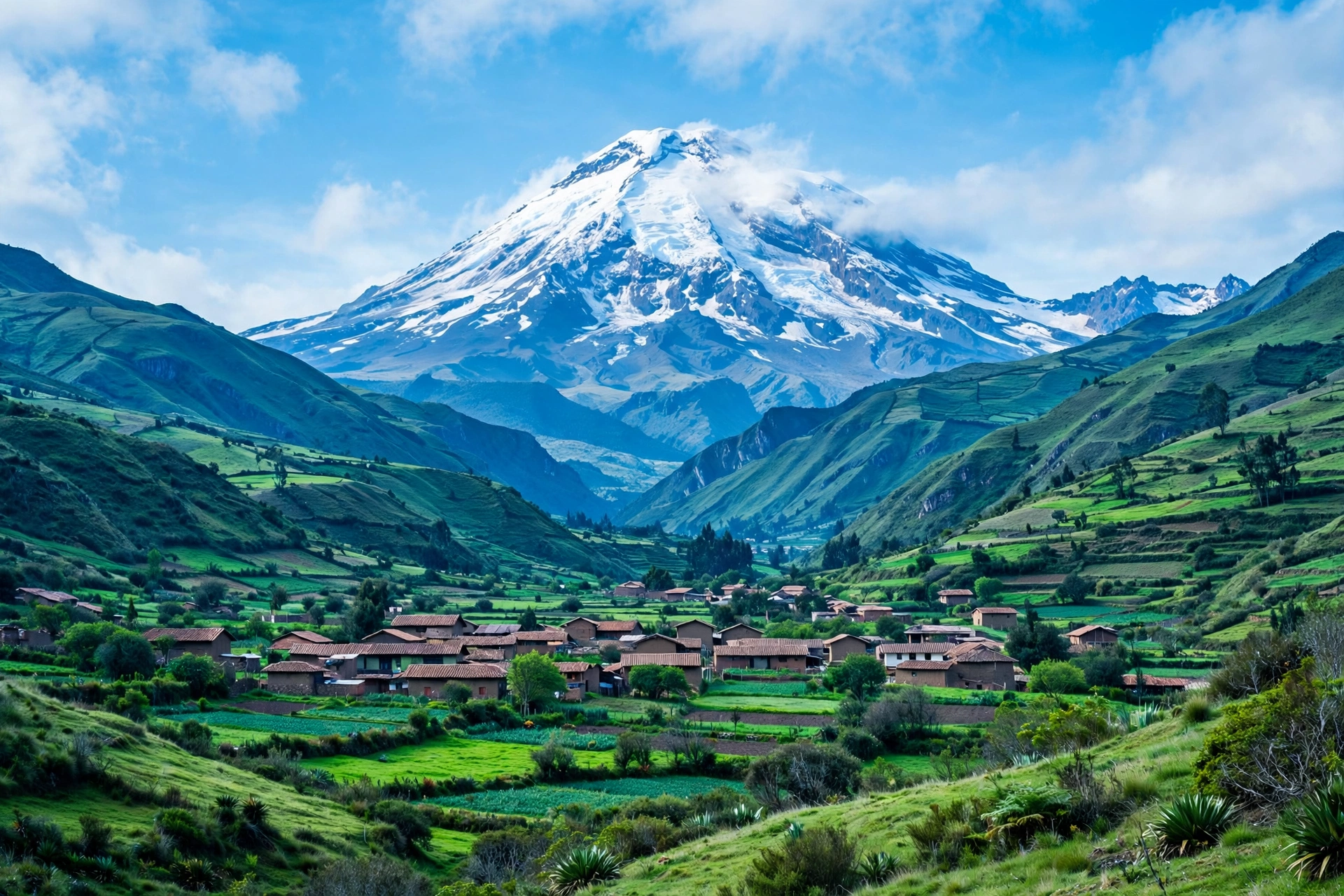
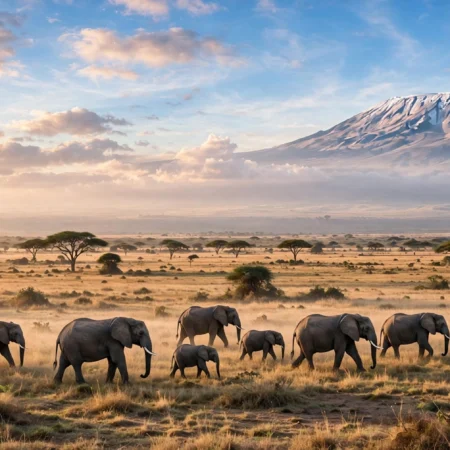
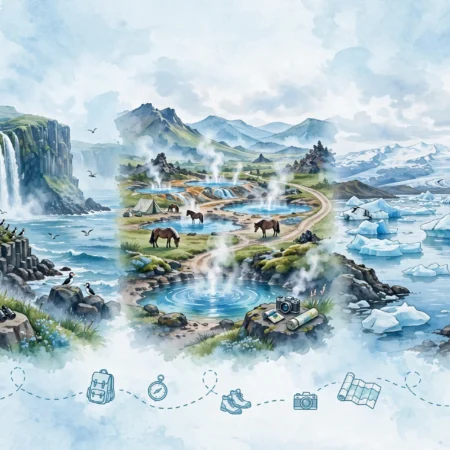
Ecuador is the rare country where you can stand on the equator in the morning, walk a colonial old town at 2,850 metres in the afternoon, and be planning a jungle lodge or a Galápagos cruise by dinner. It is small, it runs on the US dollar, and it packs four completely different worlds — the Andes, the Amazon, the Pacific coast, and the Galápagos Islands — into a space roughly the size of the US state of Colorado.
For most first-time visitors, the sweet spot is 10 to 14 days: three or four days in Quito and the highlands, four to five days in the Galápagos or the Amazon, and a few days on the coast. June to September is the driest window for the highlands, December to May brings warmer seas and calmer water in the Galápagos, and the Amazon is warm and wet all year, so you plan around rain rather than avoiding it. Budget travellers can manage the mainland on $40 to $70 a day; the Galápagos is a separate budget altogether, starting around $150 a day land-based and $250-plus a day on a cruise, plus a $200 national park entrance fee and a $20 transit card per person.
The honest caveat is safety. Ecuador’s overall advisory level is “exercise increased caution,” but risk varies sharply by region: the classic tourist circuit of Quito, Cuenca, the highlands, the Amazon lodges and the Galápagos sits outside the highest-risk zones, while parts of Guayaquil, the northern coast and several border provinces carry “do not travel” or “reconsider travel” warnings. Plan your route around that distinction, and the country rewards you richly.
Best Time to Visit Ecuador
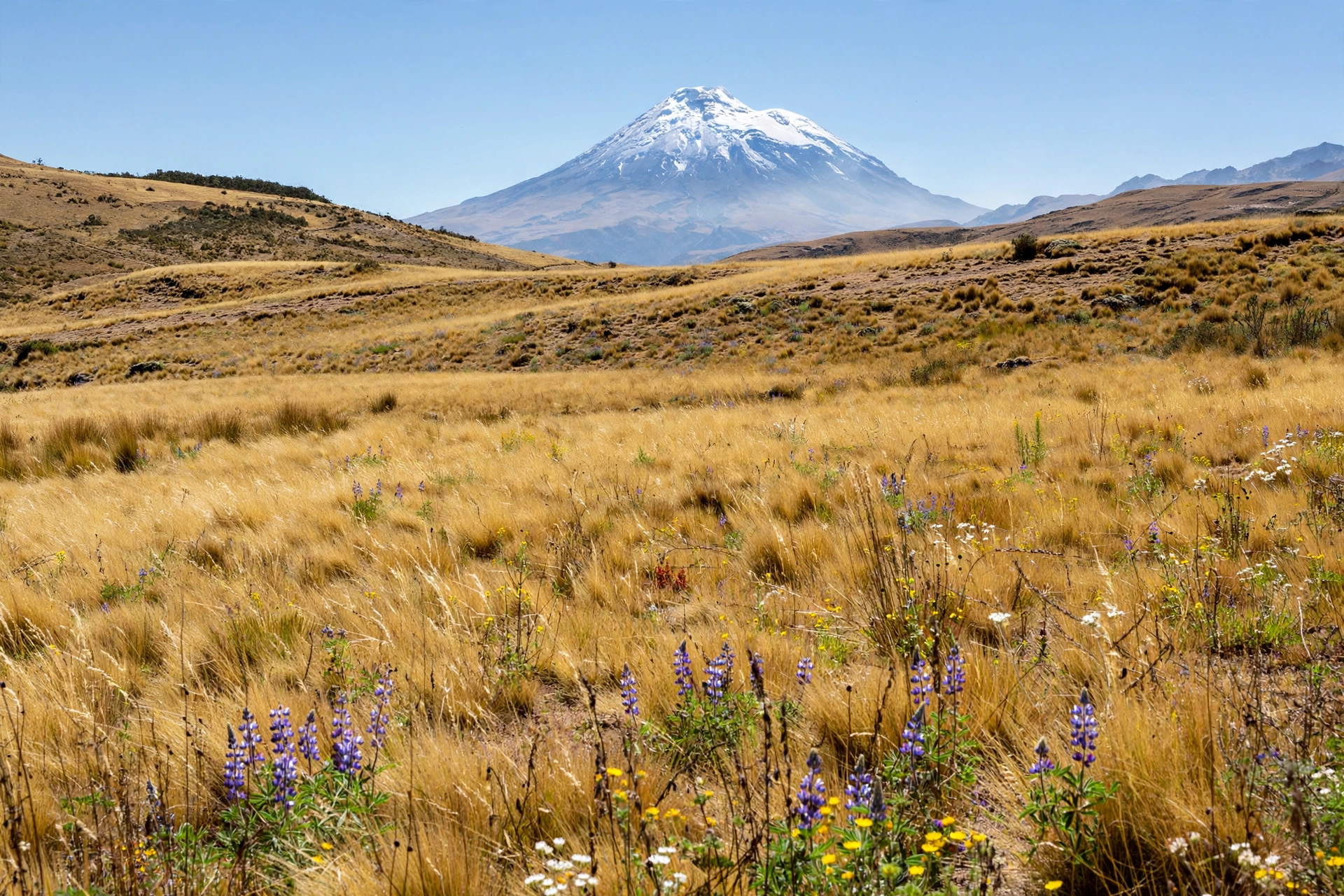
Ecuador sits on the equator, so it does not have summer and winter the way the United States does. What changes is rain, and rain changes by region, not by calendar. That is the single most useful thing to understand before you pick dates.
In the Andes, including Quito and Cuenca, the driest and sunniest months run from June to September. Mornings are usually clear and bright, afternoons can bring a short shower, and nights are cool. October to May is wetter, but rain usually falls in afternoon bursts rather than all-day downpours, and the countryside turns a vivid green. Many travellers actually prefer the shoulder months of May and October for lower prices and fewer visitors.
On the coast, the pattern flips. December to April is warm and humid with occasional rain, and it is also the best beach weather — the sea is warmest then, which is why the coast features among the best places to travel in January. June to November is cooler and cloudier, and the water temperature drops. Whale watching off Puerto López runs from June to September, which is the one strong reason to visit the coast in its cooler season.
The Galápagos has two seasons of its own. December to May is the warm season: calmer seas, warmer water for snorkelling, lush green landscapes, and excellent wildlife activity. June to November is the cooler, drier season: rougher seas but very active marine life, and it is often considered the best time for diving. There is no bad month in the Galápagos — the wildlife is there all year — so choose based on sea conditions and your tolerance for choppy water.
The Amazon is hot and humid every month of the year, with temperatures usually between 75°F and 90°F. The relatively drier stretch runs from August to February, when river levels are lower and jungle trails are easier to walk. The wetter months of March to July bring higher rivers, which actually makes canoe travel easier and brings wildlife closer to the waterways. If you only have one Amazon window, August to October is a good compromise.
The practical takeaway: if your trip is mainly highlands plus Galápagos, June to September is the easiest all-round choice. If the coast matters most to you, aim for January to April. If you want the lowest prices and do not mind afternoon rain, the shoulder months will treat you well. Ecuador’s official tourism portal (https://ecuador.travel/en/what-to-do/) presents the country the same way — as four worlds, Andes, Amazon, coast and Galápagos — which is a useful framing when you plan.
How Many Days Do You Need
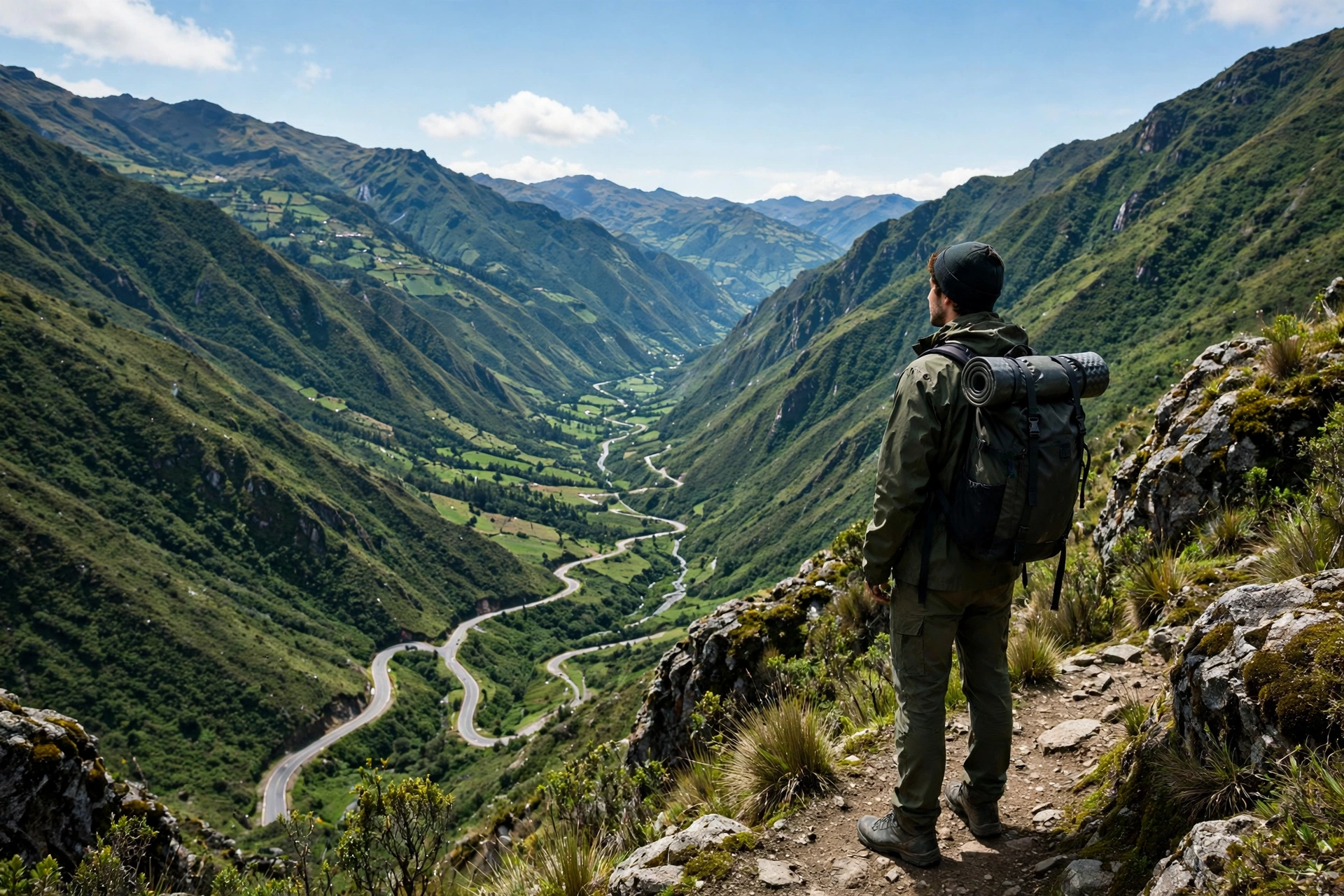
Ecuador rewards slow travel, but its compact size means even a short trip can cover a lot. Here is how to think about trip length honestly.
A 7-day trip works if you keep it to one region plus Quito. Fly into Quito, spend two days acclimatising and exploring the old town, then add either a highlands loop (Cotopaxi, Quilotoa, Baños) or a short Amazon lodge stay. You will leave wanting more, but you will not feel rushed.
A 10- to 14-day trip is the classic first visit. It allows Quito and the highlands, plus one big add-on: either the Galápagos or the Amazon, with a day or two on the coast if you fly through Guayaquil. This is the length most first-timers should plan for, and it is the length the itinerary below is built around.
A 3-week trip lets you do it all properly: highlands, Amazon, coast, and a Galápagos cruise, with rest days built in. If you have three weeks, take them — Ecuador is one of the few countries where a longer trip does not just add places, it changes the pace entirely, from sightseeing to actually settling into the rhythm of each region.
Two planning rules matter whatever your length. First, do not schedule a demanding hike or a Galápagos flight on your first day in Quito; altitude affects more people than admit it, and a gentle first day pays for itself. Second, build in buffer days around Galápagos flights and Amazon lodge transfers, because weather and river levels can shift schedules. A good way to structure any trip length is to sketch it as a day-by-day plan first — the same approach behind a solid travel itinerary template, where each day has one anchor activity rather than a packed list.
A sensible 12-day first-trip route
Days 1–3: Quito and acclimatisation, old town, Teleférico, and a day trip to the equator line at Mitad del Mundo. Days 4–5: Cotopaxi National Park and the Quilotoa Loop, overnight in a highland hacienda. Days 6–7: Baños and the cloud forest, waterfalls and hot springs. Days 8–12: fly to the Galápagos for a land-based stay on Santa Cruz and San Cristóbal, or swap this block for a four-night Amazon lodge. If you have extra days, add Cuenca or the coast at the end rather than squeezing them into the middle.
Quito and the Highlands
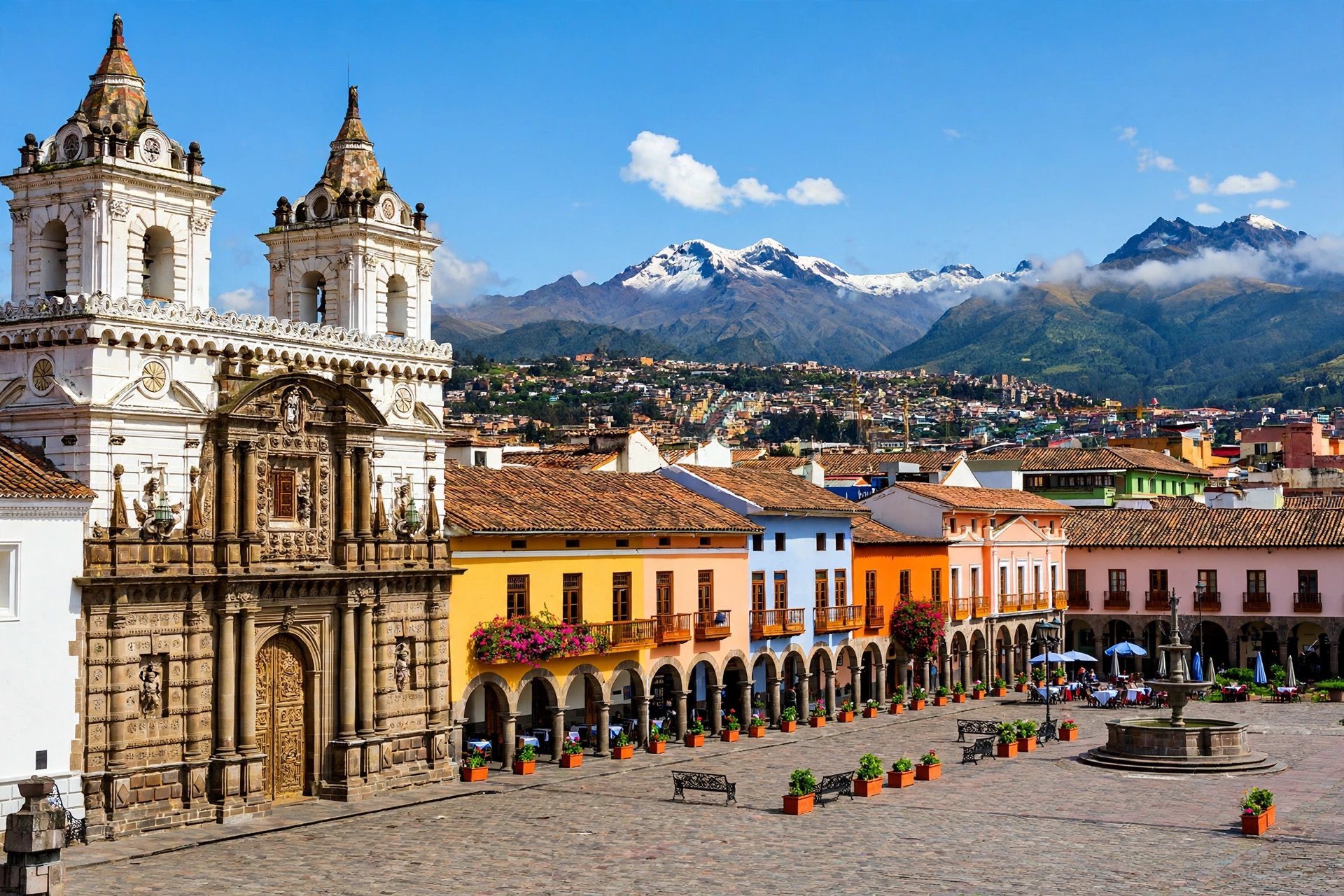
Quito is the second-highest capital city in the world, and its historic centre was one of the first two places ever declared a UNESCO World Heritage Site, back in 1978. That pedigree is visible the moment you walk into Plaza Grande: whitewashed churches with gold-leaf interiors, narrow streets climbing the hillsides, and the volcano Pichincha looming over the rooftops.
Start in the old town. The Church of La Compañía de Jesús is the showpiece — its interior is covered in gold leaf and it genuinely earns the hype. San Francisco church and plaza, the cathedral on Plaza Grande, and the Convento de Santo Domingo are all within easy walking distance of each other. Take the Teleférico cable car up to 4,100 metres for the classic panorama over the whole valley, but do it after a day at ground level, not on arrival morning.
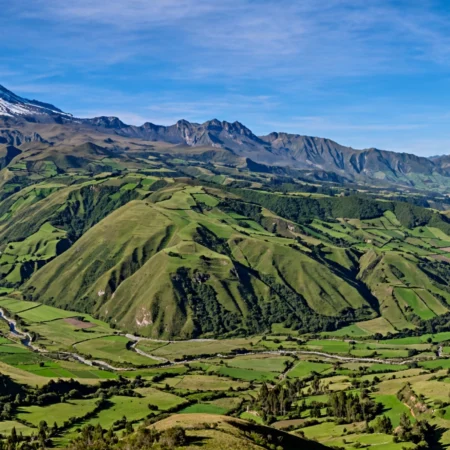
Beyond the city, the highlands deliver Ecuador’s most photogenic landscapes. The Avenue of the Volcanoes runs south from Quito past Cotopaxi, a near-perfect snow-capped cone, and Chimborazo, Ecuador’s highest peak at 6,263 metres. Cotopaxi National Park makes a straightforward day trip: you can drive to the parking area, walk to the refuge, and be back in Quito for dinner. The Quilotoa Loop is a two- or three-day walking route between highland villages ending at the turquoise crater lake of Quilotoa — the lake’s colour changes with the light and it is one of the most photographed places in the country.
Otavalo, about two hours north of Quito, hosts one of South America’s most famous indigenous markets, busiest on Saturdays. Go for textiles, but also for the atmosphere: the town fills with vendors from surrounding villages, and the market is a working market, not a tourist show. Cuenca, further south, is Ecuador’s third city and arguably its prettiest — a relaxed colonial city with blue-domed cathedrals, riverside walks, and a slower pace that makes it a favourite for a two-night stop. Baños, east of the highlands, is the adventure capital: waterfalls, hot springs, canyoning, and the famous swing at the edge of the world at Casa del Árbol.
Altitude deserves respect. Quito sits at 2,850 metres, and Cotopaxi’s refuge is above 4,800 metres. Walk slowly, drink more water than you think you need, skip alcohol on the first day or two, and sleep low if you can. Most people feel only mild shortness of breath and a headache; if symptoms worsen, descend and rest. This is also why the highlands pair well with a gentle first day in Quito rather than an ambitious one.
The Galápagos Islands
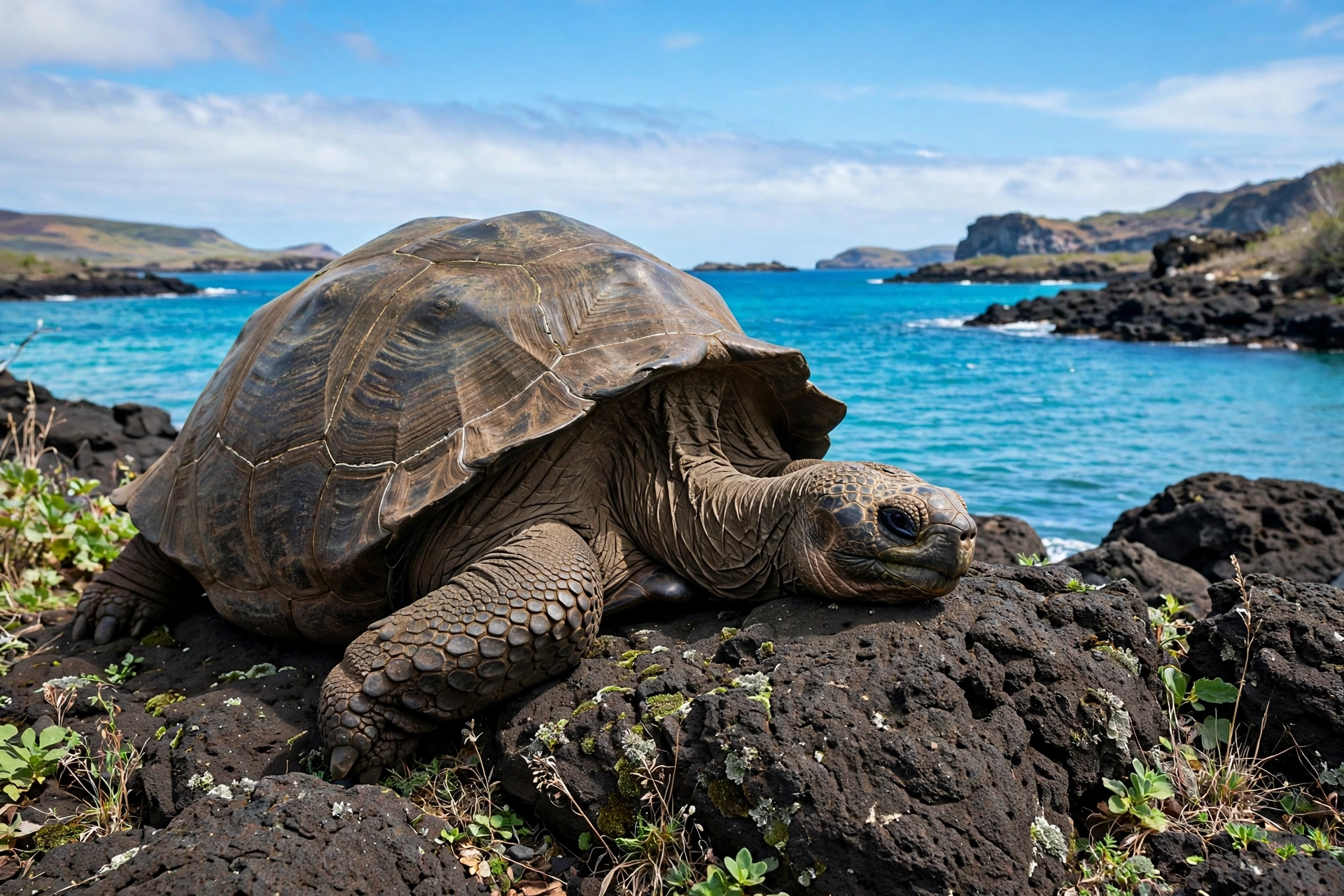
The Galápagos are the reason many people come to Ecuador, and they are worth every bit of the effort and cost. About 1,000 kilometres off the coast, this volcanic archipelago is where giant tortoises lumber across highland grass, marine iguanas bask on black lava rock, blue-footed boobies dive beside your boat, and sea lions nap on park benches in the harbour towns. The animals here evolved without fear of humans, so encounters feel close in a way that is genuinely rare anywhere else on Earth.
You have two ways to see the islands. A live-aboard cruise is the classic choice: you sleep on the boat, wake at a new island each morning, and reach remote visitor sites that day-trippers cannot. Cruises run from four to eight days and cost from about $250 a day for a basic boat to $600-plus a day for a luxury one. A land-based trip is the cheaper and more flexible alternative: stay in hotels on Santa Cruz or San Cristóbal, take day tours to nearby islands, and mix wildlife days with beach time. Land-based travel runs roughly $150 to $250 a day including tours, and it suits travellers who want to set their own pace or who are unsure about sleeping on a boat.
Budget the entry costs separately, because they surprise people. Every foreign visitor pays a $200 Galápagos National Park entrance fee (children under 12 pay $100) in cash on arrival, plus a $20 Transit Control Card, arranged before your flight. That is $220 per adult before you have spent anything else — and it is worth knowing before you compare cruise prices, because some quotes include it and some do not.
Book cruises well ahead for the best boats and cabins, especially in the December-to-May high season. For land-based trips, you can book day tours after arrival in Puerto Ayora, but the most popular ones — Bartolomé, North Seymour, Española — fill up, so reserve the ones you care most about in advance. Snorkelling is the great equaliser: even a modest day tour puts you in the water with sea turtles, reef sharks and penguins, and you do not need a luxury boat for that.
Two practical notes. First, the Galápagos are strictly protected: stay on marked trails, keep the required distance from wildlife, and never touch an animal, however tame it seems. Second, seasickness matters on inter-island speedboats in the June-to-November season — take medication if you are prone, and sit at the back of the boat.
The Amazon Rainforest
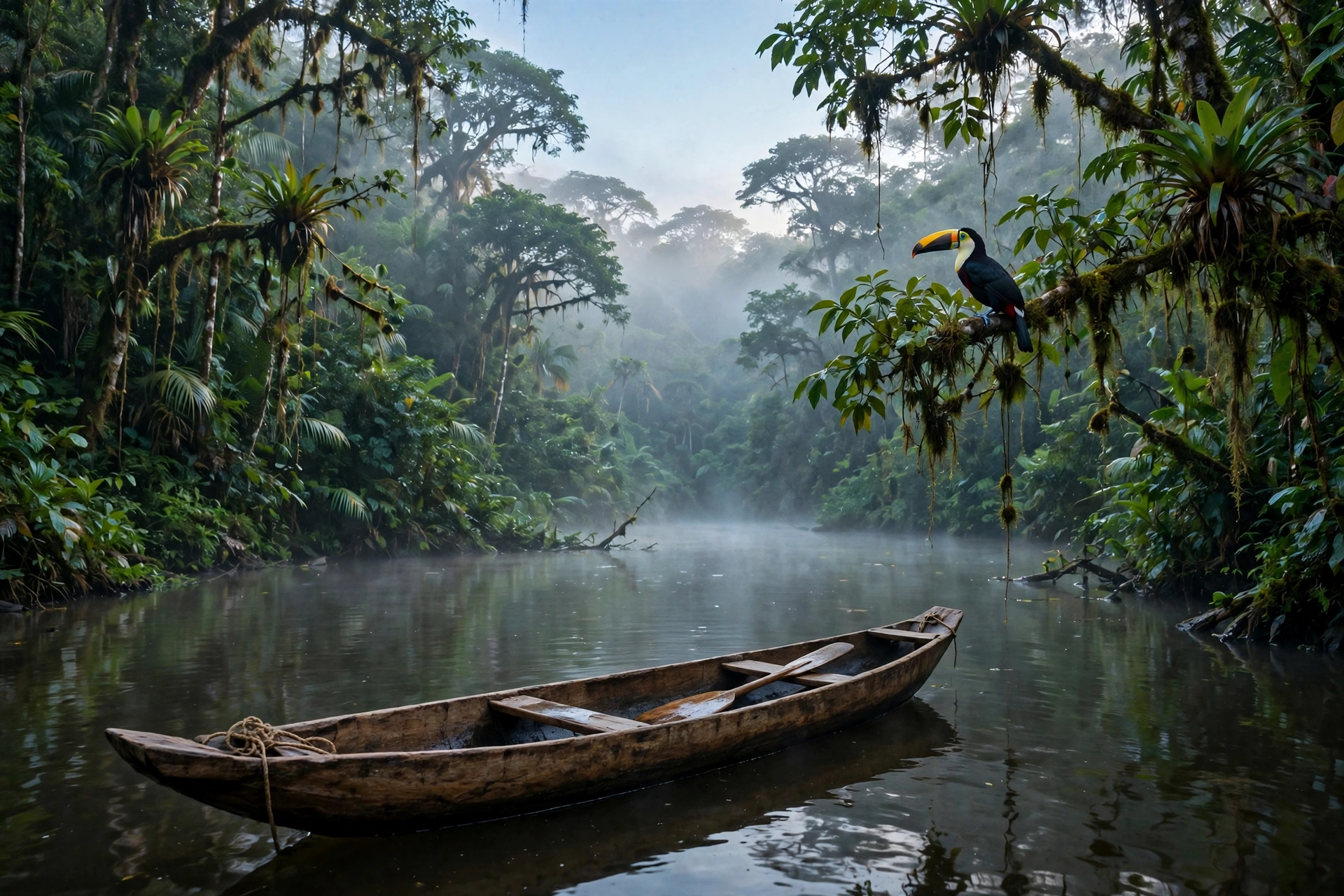
Ecuador’s Amazon, known as El Oriente, is the most accessible slice of the rainforest in South America. From Quito you can fly to Coca in about 30 minutes, then travel by motorised canoe downriver to a lodge. Within a day of leaving the capital you can be watching monkeys from a canopy tower, paddling a blackwater lagoon at dawn, and falling asleep to a wall of jungle sound.
The lodge model dominates for good reason: independent travel inside the reserves is not practical, and a good lodge bundles transport, meals, a naturalist guide and excursions into one price. Cuyabeno Wildlife Reserve, in the north, is the most affordable Amazon option, with three- and four-night packages that include canoe trips, night walks and visits to indigenous communities. Yasuní National Park, further east, is one of the most biodiverse places on the planet, and its lodges tend to be pricier and more remote. Tena, closer to the highlands, is the budget gateway for rafting and shorter jungle stays.
Choose your lodge by what you want to see. Cuyabeno is best for wildlife spotting from canoes and for pink river dolphins in the lagoons. Yasuní is best for raw biodiversity and for the experience of deep jungle. Tena is best if you want jungle plus adventure sports on a tighter budget. In all three, expect early mornings, rubber boots, and a guide who can spot a camouflaged animal you would walk straight past.
Pack for the Amazon differently from the rest of Ecuador: lightweight long sleeves and trousers, waterproof jacket, closed shoes that can get muddy, insect repellent with DEET, and a dry bag for electronics. Malaria risk exists in parts of the lowlands, so talk to a travel clinic before you go about prophylaxis — the highland cities and the Galápagos are low risk, but the Amazon is a different story. And remember the water rule: drink bottled or treated water everywhere in Ecuador, not just in the jungle.
The Coast and Beaches
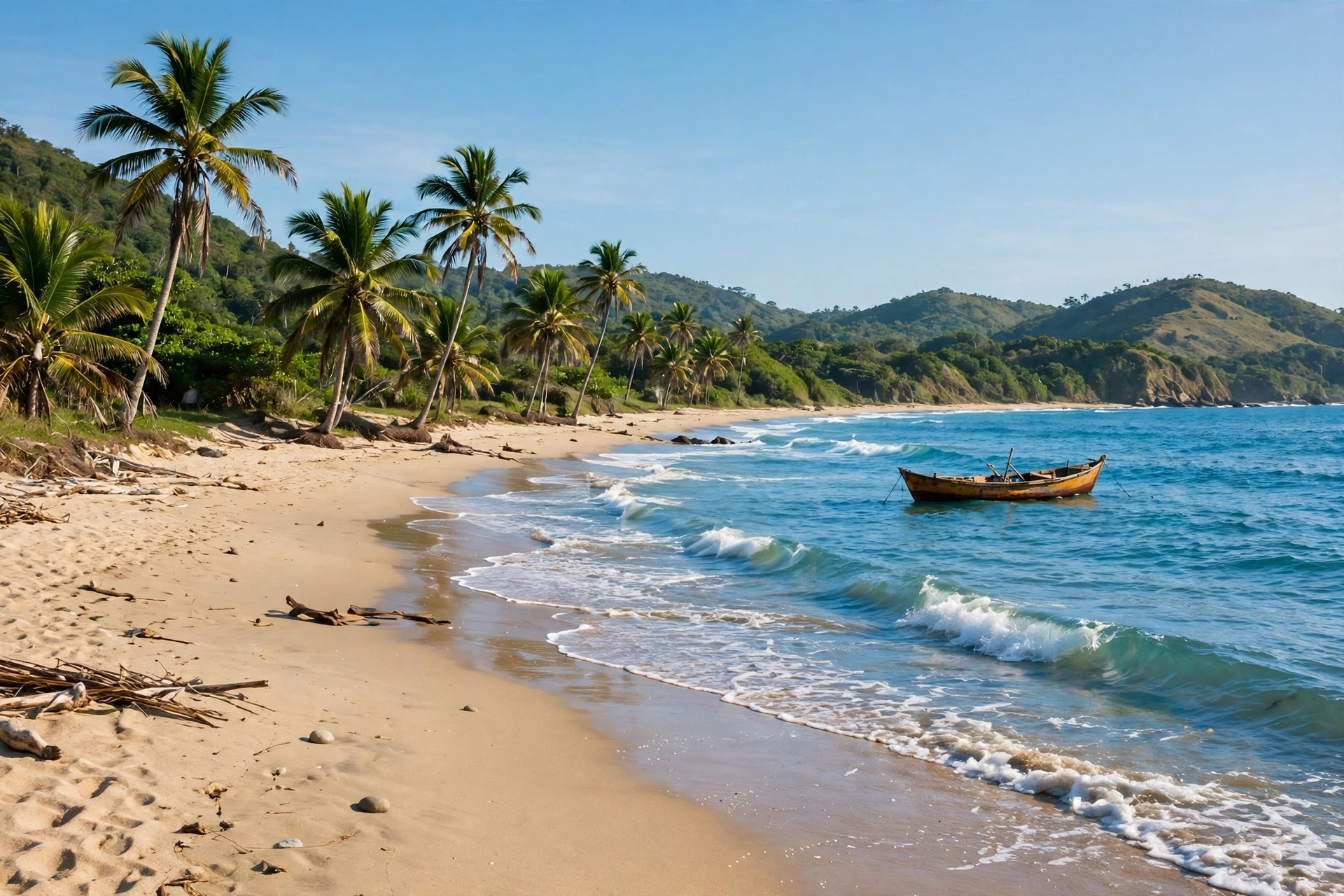
Ecuador’s Pacific coast is the least visited of its four worlds, which is part of its charm — and part of why you should plan it more carefully than the other regions. The classic beach towns each have a distinct character, and choosing the right one matters more here than anywhere else in the country.
Montañita is the famous one: a surf town with a backpacker scene, beach bars, and a lively strip that stays up late. It is fun, cheap and social, and it is also the place where pickpocketing and late-night trouble are most reported, so enjoy it with the usual precautions and do not walk the beach alone after dark. Puerto López is quieter and is the base for whale watching from June to September, when humpback whales migrate past the coast, and for day trips to Isla de la Plata, sometimes called the “poor man’s Galápagos” for its blue-footed boobies and sea lions.
For a calmer beach experience, look at Ayampe, a low-key surf and yoga village just north of Montañita, or Salinas, a more built-up resort town popular with Ecuadorian families. Canoa, further north, is a long, wide beach with a relaxed surf scene. The food on the coast is a highlight in itself: ceviche served at beachfront restaurants, grilled corvina, and encebollado, the fish-and-onion soup that Ecuadorians swear by as a morning cure-all.
One safety note that matters specifically for the coast: several coastal provinces carry higher travel warnings than the highlands and the Galápagos, and in early November 2026 the government imposed a nighttime curfew in five coastal provinces — Guayas, Manabí, Los Ríos, El Oro and Esmeraldas — under Executive Decree 519. Curfews come and go, so before a coastal leg, check the current US Embassy security alerts for Ecuador rather than relying on a guidebook. The main beach towns remain visitable with sensible planning, but the coast is the region where a last-minute check genuinely changes decisions.
Getting Around Ecuador
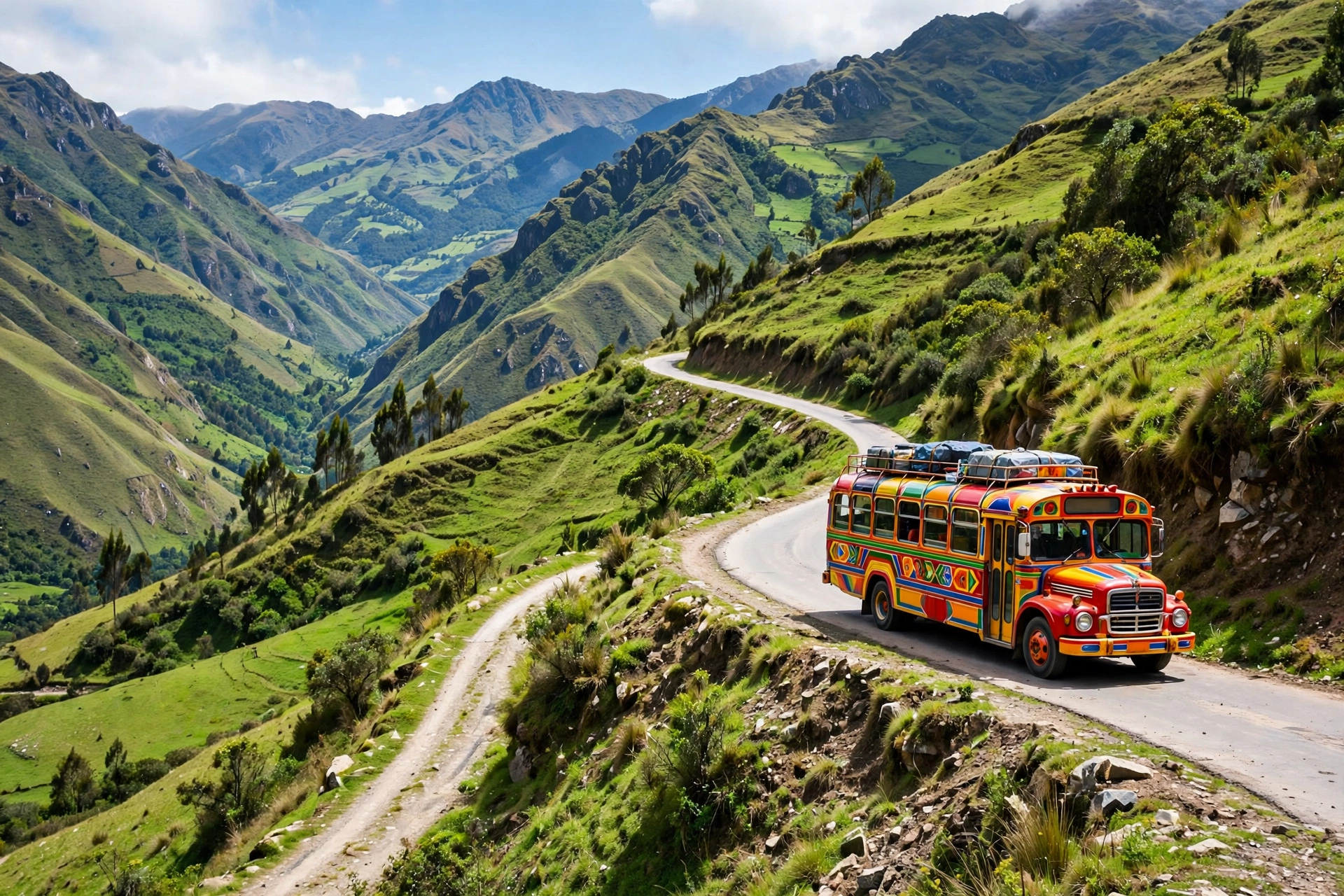
Getting around Ecuador is cheap and straightforward, and the country’s small size is your friend. Domestic flights connect Quito with Guayaquil, Cuenca and the Amazon gateway of Coca, and flights to the Galápagos leave only from Quito and Guayaquil — there are no international flights direct to the islands. Book domestic flights early for the best prices, and allow a full day between an international arrival and a Galápagos departure if you can.
Buses are the backbone of mainland travel. The network reaches almost every town, buses are frequent on major routes, and fares are famously low — roughly $1 to $2 per hour of travel. Long-distance buses are comfortable enough, though they rarely have toilets on board, so use the terminal facilities before boarding. For popular routes like Quito to Baños or Quito to Cuenca, daytime buses are the better choice: the scenery is part of the experience, and night buses on winding mountain roads are less restful than they sound.
Taxis and rideshares fill the gaps. In Quito and Guayaquil, use Uber or Cabify where available, or ask your hotel to call a registered taxi. Agree the fare before you set off in a street taxi, or insist on the meter. Rental cars are an option for confident drivers and give real freedom on the highlands loops, but mountain roads, local driving habits and city traffic make them unnecessary for most visitors — buses plus the occasional private driver cover nearly every itinerary at lower cost and lower stress.
For the Galápagos, inter-island travel is by speedboat (about $30 to $35 between main islands) or by small plane. Speedboats can be rough in the cooler season, so pack seasickness tablets if you need them. In the Amazon, your lodge arranges river transport, so you do not need to plan that leg yourself.
Where to Stay
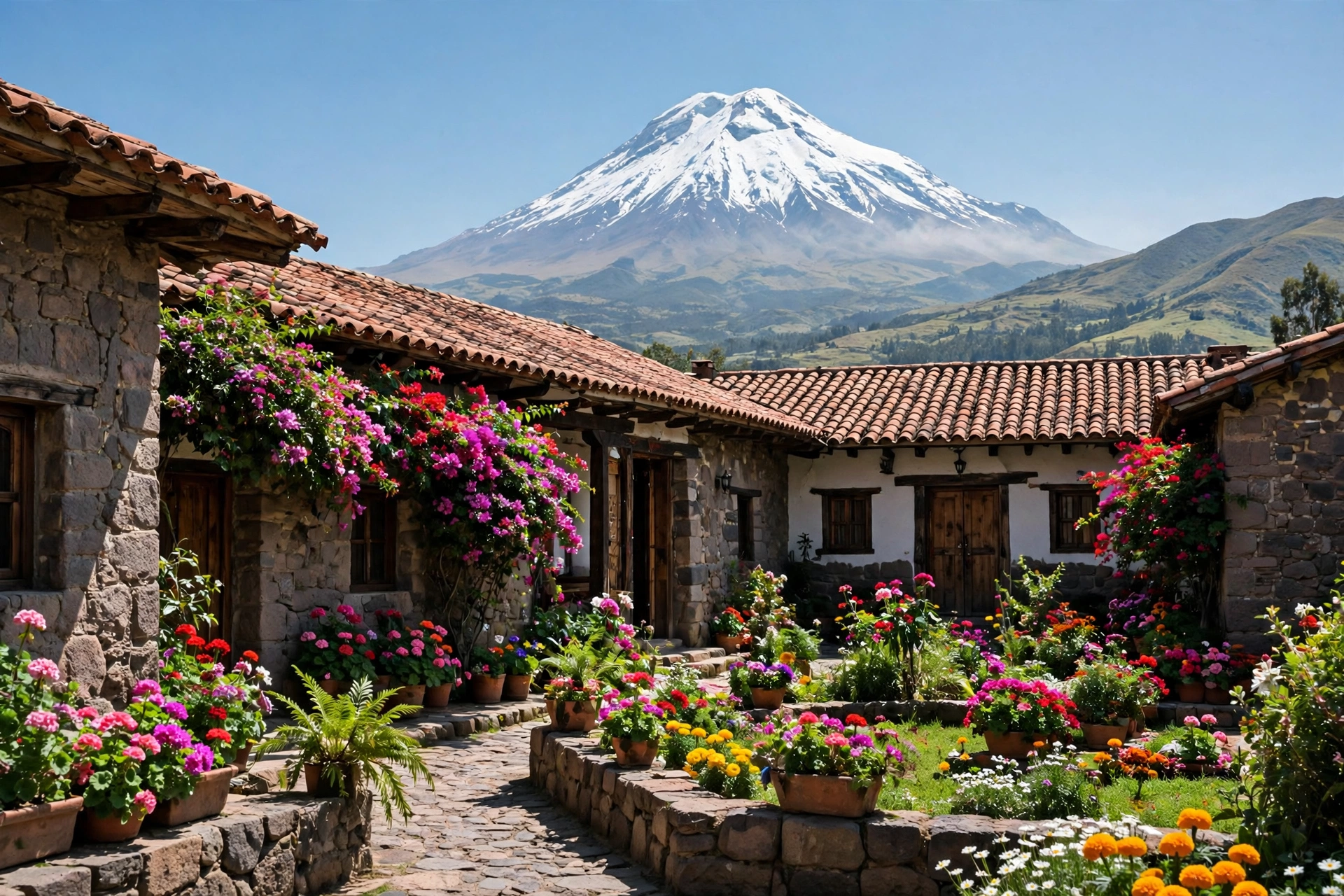
Ecuador offers good value at every price level, and the style of stay varies as much as the landscape. In Quito, the old town has atmospheric boutique hotels in converted colonial houses, while the modern La Mariscal district has hostels and mid-range hotels with easier nightlife access. Stay in the old town for character, in La Mariscal for convenience — and in either case, choose somewhere with heating, because highland nights are cold and many older buildings are not well insulated.
In the highlands, converted haciendas are the signature stay: working farms around Cotopaxi and Otavalo offering horseback riding, fireplaces and volcano views, usually at mid-range prices. In Baños, small family-run hostels and hotels cluster around the town centre, and in Cuenca, colonial guesthouses in the historic centre are both charming and affordable.
On the coast, Montañita has dorm beds and simple beach hostels, while Salinas and the larger resort towns have conventional hotels. In the Galápagos, hotels on Santa Cruz and San Cristóbal range from simple guesthouses to high-end lodges, and a cruise cabin is your room if you go the live-aboard route. In the Amazon, you stay at the lodge — there is no real alternative — and the price difference between lodges mostly reflects remoteness, guide quality and group size rather than luxury.
A note on booking: for the Galápagos and Amazon lodges, book directly or through a reputable specialist, and confirm exactly what is included — park fees, transfers, meals and guiding are bundled differently by different operators, and the cheapest headline price is not always the cheapest total. For mainland hotels, standard booking platforms work fine, and same-day booking is usually possible outside peak weeks.
What to Eat
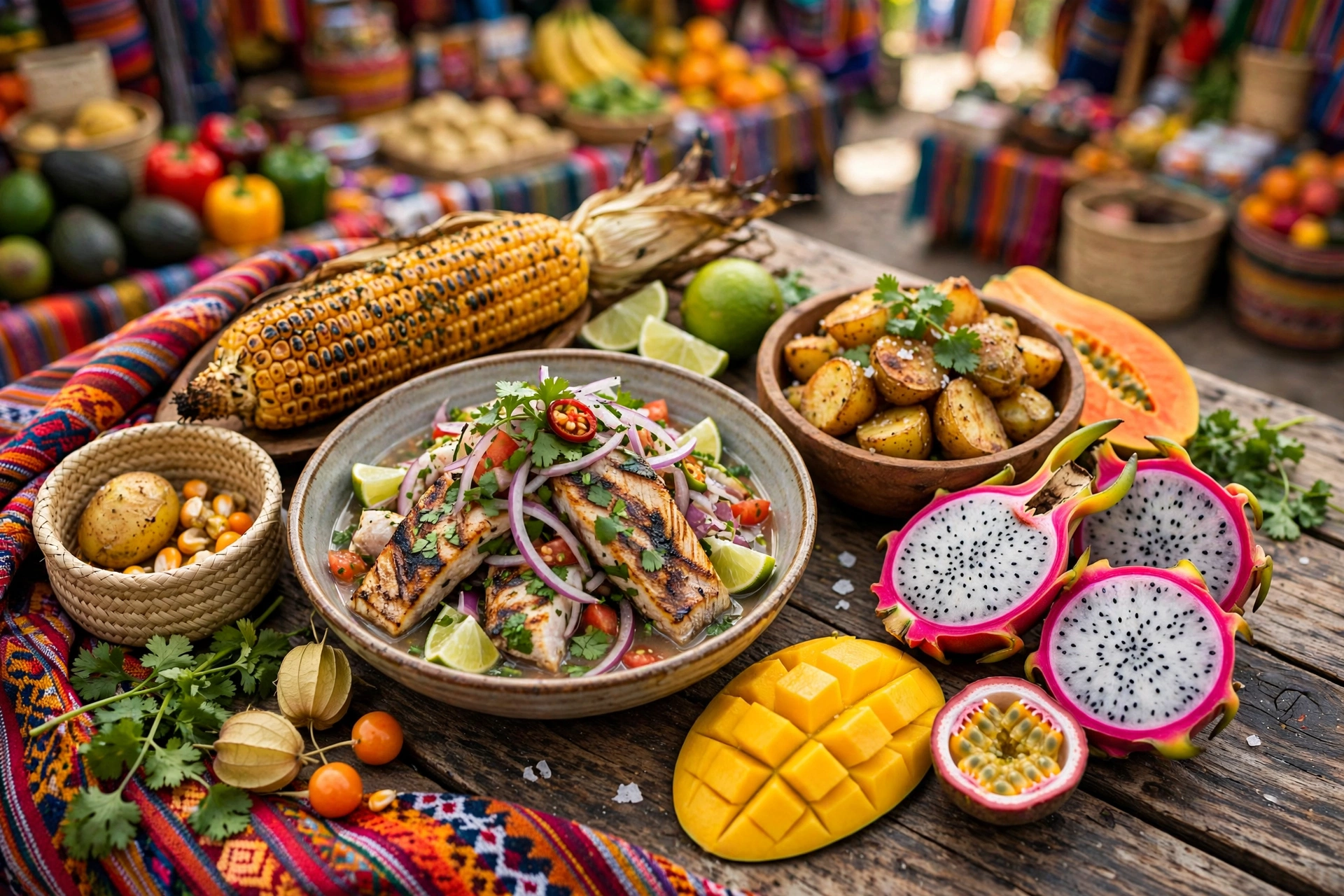
Ecuadorian food is hearty, regional and underrated, and eating well here costs very little. The best value meal in the country is the almuerzo, a set lunch served in local restaurants on weekdays: soup, a main course, a drink and sometimes dessert for $3 to $5. If you eat one almuerzo a day, your food budget will look after itself.
In the highlands, try locro de papa, a thick potato and cheese soup that is perfect after a cold morning at altitude; llapingachos, potato cakes served with sausage, egg and salad; and hornado, slow-roasted pork sold in markets and usually served with mote (hominy corn) and salad. In Quito, the markets are the place to try these — Mercado Central is a good, central starting point.
On the coast, the menu changes completely. Ceviche is the signature: raw fish or shrimp marinated in lime, served with onions, tomatoes and toasted corn, and Ecuadorian ceviche is soupier than the Peruvian version, often served with a tomato-based broth. Encebollado, a tuna and cassava soup with pickled red onion, is the classic coastal breakfast. Also try encocado, seafood cooked in coconut sauce, and the extraordinary range of tropical fruit — tree tomato, naranjilla, guanábana and passion fruit — sold as fresh juices everywhere.
In the Amazon, lodges serve a mix of Ecuadorian staples and river fish like paiche, and some offer maito, fish wrapped in leaves and grilled. Markets are worth a wander for fruit alone: buy from vendors, peel fruit yourself, and skip ice in drinks unless you know the water source. One health note that applies everywhere: most tap water in Ecuador is not safe to drink, so stick to bottled or filtered water, and be careful with raw salads in small local restaurants if you have a sensitive stomach.
How Much an Ecuador Trip Costs
Ecuador is one of the best-value countries in South America on the mainland, and one of the most expensive in the region once you add the Galápagos. The honest way to budget is to price them separately, because averaging the two together produces a number that is wrong for both.
On the mainland, a budget traveller can get by on $40 to $70 a day: hostel or basic hotel, almuerzo lunches, buses, and occasional entrance fees. A mid-range traveller spending $80 to $150 a day gets boutique hotels, guided day tours, internal flights and comfortable restaurants. A luxury trip runs $200-plus a day before the Galápagos. The US dollar is the official currency, which makes budgeting unusually simple for Americans — what you read is what you pay — but carry small bills, because small shops and market stalls often cannot break large notes, and ATMs can be scarce outside cities.
The Galápagos changes the maths. A land-based trip costs roughly $150 to $250 a day including accommodation, day tours and food, plus $220 per adult in park fee and transit card, plus $200 to $400 for a round-trip flight from the mainland. A cruise costs $250-plus a day and climbs steeply for smaller, better boats. A realistic 12-day trip combining the mainland with a five-day Galápagos cruise therefore lands in the $3,500 to $5,500 range per person excluding international flights, while the same length without the Galápagos can come in under $1,500.
| Expense | Budget | Mid-range | Galápagos add-on |
|---|---|---|---|
| Accommodation (per night) | $10–$25 | $40–$90 | $60–$200 (land-based) |
| Food (per day) | $10–$20 | $25–$45 | $30–$60 |
| Local transport (per day) | $3–$10 | $15–$40 | $30–$35 (inter-island ferry) |
| Activities and tours (per day) | $5–$20 | $30–$80 | $80–$150 (day tours) |
| Galápagos entry fees (per adult, one-off) | — | — | $220 ($200 park + $20 card) |
| Mainland flight Quito–Galápagos (return) | — | — | $200–$400 |
| Total per day (excluding Galápagos) | $40–$70 | $80–$150 | $150–$250 land-based / $250+ cruise |
Money-saving tips that actually work: eat almuerzo at lunch, take buses instead of private transfers on the mainland, book Galápagos day tours in Puerto Ayora rather than from abroad where possible, and travel in shoulder season for lower hotel rates. The one place not to cut corners is insurance — medical evacuation from the Galápagos or the Amazon is expensive, and a policy that covers it is not optional. For a realistic trip budget, build your estimate the same way you would for any big trip: list daily costs, add the one-off fees, then add a 10 to 15 percent contingency, a habit that a solid guide on how to prepare a travel budget recommends for exactly this kind of multi-region trip.
Safety and Common Mistakes
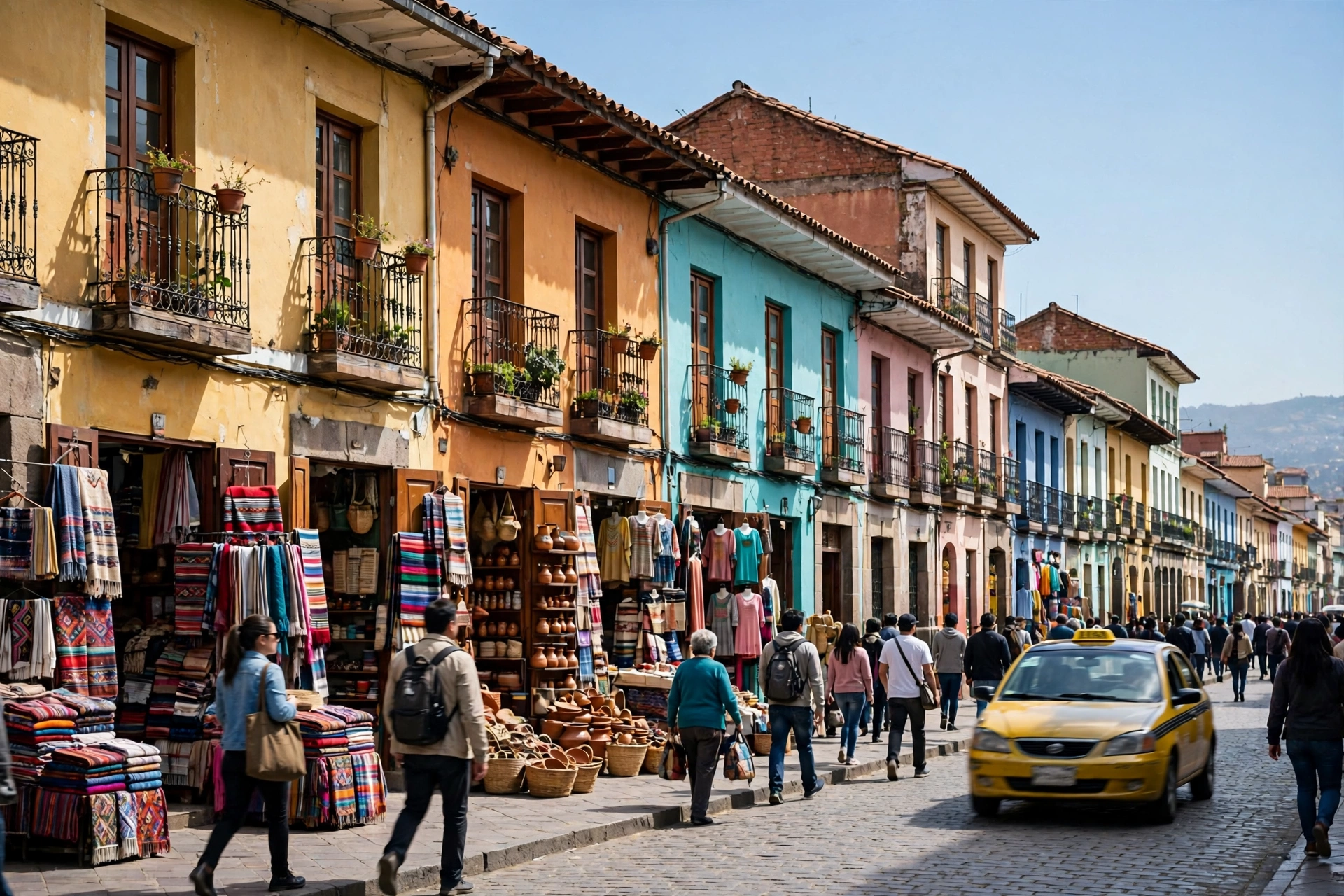
Ecuador is a country where the safety picture genuinely depends on where you stand, and the most useful safety advice is geographic, not generic. The US State Department rates Ecuador overall at Level 2, “exercise increased caution,” the same level as much of Western Europe, but it assigns Level 4 “do not travel” to specific areas — parts of Guayaquil, Durán, Huaquillas and Arenillas in El Oro, Quevedo and nearby towns in Los Ríos, and Esmeraldas city and everything north of it toward the Colombian border — and Level 3 “reconsider travel” to wider parts of those same provinces. Quito, Cuenca, the highlands, the Amazon lodges and the Galápagos sit outside those zones, and they are where the standard tourist circuit runs. Check the current Ecuador travel advisory before you travel, and check it again close to departure, because designations and curfews change.
Beyond the advisory, the practical rules are familiar but worth stating plainly. Petty theft is the most common problem: pickpocketing on buses, in markets and in Quito’s old town, and bag-snatching in crowded places. Keep valuables out of sight, wear your daypack in front on busy buses, and do not flash phones or cameras in crowded markets. Use registered taxis or rideshare apps at night, and avoid walking alone in unfamiliar areas after dark, especially in Guayaquil and in Montañita’s beach area late at night.
Now the common mistakes, which cost travellers more trips than crime does. First, underestimating altitude — flying into Quito and hiking the next morning is the classic error. Second, budgeting the Galápagos without the $220 in entry fees. Third, trying to see all four worlds in seven days and spending the trip in transit. Fourth, drinking tap water or eating unpeeled fruit from street stalls and losing two days to a stomach bug. Fifth, skipping travel insurance that covers evacuation. And sixth, assuming the coast is as straightforward as the highlands — it is not, and it is the region where a current local check matters most.
One more mistake worth naming: treating Ecuador as a single climate. Travellers who pack only for the beach freeze in Quito, and travellers who pack only for the highlands swelter in the Amazon. Pack for three climates in one bag, and you will be comfortable everywhere.
Packing and Practical Tips

Packing for Ecuador is an exercise in layering, because you will cross three climates in a single trip. The system that works is simple: a base of light, quick-dry clothing for the Amazon and coast, a warm layer for highland evenings, and a waterproof shell for everywhere.
The essentials list: passport valid for at least six months beyond arrival (US citizens can enter visa-free for up to 90 days); a warm fleece or jacket for Quito and the highlands; a lightweight rain jacket; long sleeves and trousers for the Amazon; sturdy walking shoes plus sandals; sun protection — the equatorial sun at altitude is fierce, so bring high-SPF sunscreen, a hat and sunglasses; insect repellent with DEET for the Amazon and coast; a reusable water bottle and a filter or purification tablets; and a dry bag for electronics on boats and in the jungle. Power outlets are US-style Type A and B, the same as in the United States, so most US travellers need no adapter.
A few practical facts to lock in before departure: the currency is the US dollar; the time zone is UTC−5, the same as US Eastern Standard Time when the US is not on daylight saving; the emergency number is 911; Spanish is the official language, and a few phrases go a long way outside tourist areas — English is widely spoken in Galápagos tour operations but much less so in highland villages and markets. SIM cards from Claro and Movistar are cheap and easy to buy at Quito airport, and Wi-Fi is common in hotels but patchy in lodges and on boats.
Health preparation: talk to a travel clinic about routine vaccinations and about malaria prophylaxis if you are heading to the Amazon lowlands; yellow fever vaccination is recommended for Amazon travel and occasionally required depending on your onward destination. Travel insurance that covers medical evacuation is strongly advised, particularly for Galápagos and Amazon legs. And before you fly, photograph your passport, insurance details and bookings and keep copies in your email — a small habit that saves a large headache if a bag goes missing on a bus.
Frequently Asked Questions
Is Ecuador safe for tourists?
Ecuador is generally safe for tourists on the classic circuit — Quito, Cuenca, the highlands, Amazon lodges and the Galápagos — with normal precautions against petty theft. Risk is higher in specific areas, including parts of Guayaquil and several coastal and border provinces, which carry “do not travel” or “reconsider travel” warnings. Check the current US State Department advisory for the exact areas before you travel, and avoid walking alone at night in unfamiliar areas.
Do US citizens need a visa for Ecuador?
No, US citizens can enter Ecuador visa-free for up to 90 days, with a passport valid for at least six months beyond arrival. For longer stays you will need to arrange a visa. Entry rules can change, so confirm the current requirements before departure.
How much does a trip to Ecuador cost?
A mainland-only trip costs roughly $40 to $70 a day on a budget and $80 to $150 a day mid-range. Adding the Galápagos raises the trip substantially: budget about $150 to $250 a day land-based or $250-plus a day on a cruise, plus $220 per adult in park entrance and transit card fees and $200 to $400 for mainland–Galápagos flights.
What is the best month to visit Ecuador?
There is no single best month, because the regions differ. June to September is best for the highlands, December to May for warm Galápagos seas and coastal beaches, and August to February for the driest Amazon conditions. June to September is the best all-round compromise for a highlands-plus-Galápagos trip.
Is the Galápagos worth the cost?
For most visitors, yes. The wildlife encounters — giant tortoises, marine iguanas, sea lions, blue-footed boobies — are unlike anywhere else on Earth, and even a land-based trip with day tours delivers them. If the budget is tight, a land-based stay on Santa Cruz and San Cristóbal gives you the core experience for far less than a cruise.
How do I handle altitude in Quito?
Spend your first day gently: walk slowly, drink plenty of water, avoid alcohol, and sleep at Quito’s altitude before heading higher. Most people feel only mild shortness of breath. If you develop a severe headache, nausea or dizziness, rest and descend if symptoms worsen, and seek medical help if they do not improve.
Conclusion
Ecuador is a country that rewards travellers who plan by region rather than by season, budget the Galápagos separately from the mainland, and respect both the altitude and the current safety picture. Do those three things, and you get an extraordinary return: colonial cities and volcanoes, a rainforest, a Pacific coast, and an archipelago of animals found nowhere else — all in one trip, all on the US dollar, and all within a few hours’ travel of each other.
Start with Quito and give yourself time to acclimatise. Add the highlands, then choose your big adventure — Galápagos or Amazon — and finish on the coast if time allows. Travel in June to September for the easiest highlands weather, keep your valuables close in cities and markets, and check the current advisory before any coastal leg. Planned that way, an Ecuador trip is not just a holiday; it is four trips in one, and most people leave already planning the region they missed — or the next warm-weather escape, whether that is a Morocco travel guide or the best places to travel in Mexico.
People also read:


Other Articles
Lisbon Travel Guide: The First-Timer’s Plan for 3 Perfect Days