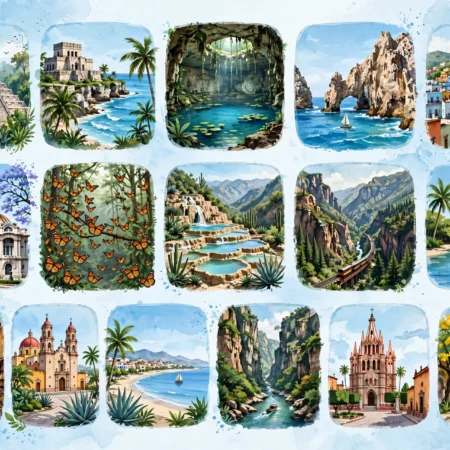

Mexico is too big, too varied, and too interesting for a single trip. It has one of the largest collections of UNESCO World Heritage sites in the Americas, a coastline on two oceans, deserts, jungles, mountains, and some of the most distinctive regional food cultures on earth. The mistake most first-timers make is trying to see all of it at once. The smarter move is to pick a region, or a theme, and travel it properly.
This guide does that work for you. Below you will find 15 places, grouped by region, each with a clear “best for” tag, a realistic number of days, and the best season to go. Then comes the planning system most place lists skip: how to choose by traveler type, how to combine places into 7-day, 10-day, and 14-day routes, when to go, how to get between regions, what it costs, and how to stay safe without worrying about the wrong things.
Quick Answer

If you only have one trip, start with one of these three combinations. For a first visit, Mexico City plus Oaxaca gives you the deepest culture and the best food in the country. For beaches and easy logistics, the Yucatan Peninsula — Merida, Chichen Itza, Tulum, and Cancun — is the simplest region to travel. For a mix of coast, desert, and wildlife, Baja California Sur, built around La Paz and Los Cabos, is hard to beat.
The best places to travel in Mexico overall are Mexico City, Oaxaca City, San Miguel de Allende, Merida, Chichen Itza, Tulum, Cancun, Puerto Vallarta, and Los Cabos — with Bacalar, Copper Canyon, and La Paz as the standout choices for a second trip or a more adventurous route. The dry season, roughly November through April, is the best time for most of the country, though the exact sweet spot varies by region, as the seasons section below explains.
Whatever combination you choose, do not try to cover the whole country in one trip. Mexico is nearly three times the size of Texas, and the best trips are the ones that leave room for long lunches, unplanned markets, and a second visit.
Pick the Right Places for Your Kind of Trip

Most Mexico lists hand you a pile of names and leave you to sort them out. Start from the other end: what kind of trip do you actually want?
First-timers should start with Mexico City, Oaxaca City, and the Yucatan. These places are well set up for visitors, easy to reach, and give you the full range — ancient ruins, colonial cities, beaches, and food — without complicated logistics.
Beach lovers should head to Tulum and the Riviera Maya, Cancun and Isla Mujeres, Puerto Vallarta, Sayulita, and Los Cabos. Each has a different personality: Tulum is bohemian and boutique, Cancun is high-energy resort country, Sayulita is small and surfy, and Los Cabos is polished desert-meets-ocean.
Food lovers should build the trip around Mexico City and Oaxaca City, with Merida as a third stop. Oaxaca is widely considered Mexico’s culinary capital, Mexico City has everything from street tacos to fine dining, and Merida offers Yucatecan dishes you will not find anywhere else.
History lovers should prioritize Teotihuacan, Chichen Itza, Guanajuato, San Miguel de Allende, and Merida. Several of these are UNESCO World Heritage sites, and together they tell the story of Mexico from pre-Hispanic cities through the colonial era.
Adventure travelers should look at Copper Canyon, La Paz, Bacalar, and the cenotes of the Yucatan. Think canyon train journeys, swimming with whale sharks and sea lions, kayaking a seven-colored lagoon, and diving into underground sinkholes.
Families will find the easiest trips in Cancun and the Riviera Maya, Puerto Vallarta, and Merida. These places have calm beaches, well-run tours, short travel times between stops, and plenty of hotels with family rooms and pools.
Budget travelers get the best value in Oaxaca City, Guanajuato, Merida, and Bacalar. Smaller cities, local markets, and buses keep daily costs low, and the experiences — street food, free walking tours, public beaches — are often the best ones anyway.
Use the rest of this guide as a menu. Pick your traveler type, then read the matching places in detail.
Central Mexico: Culture, History, and Big-City Energy
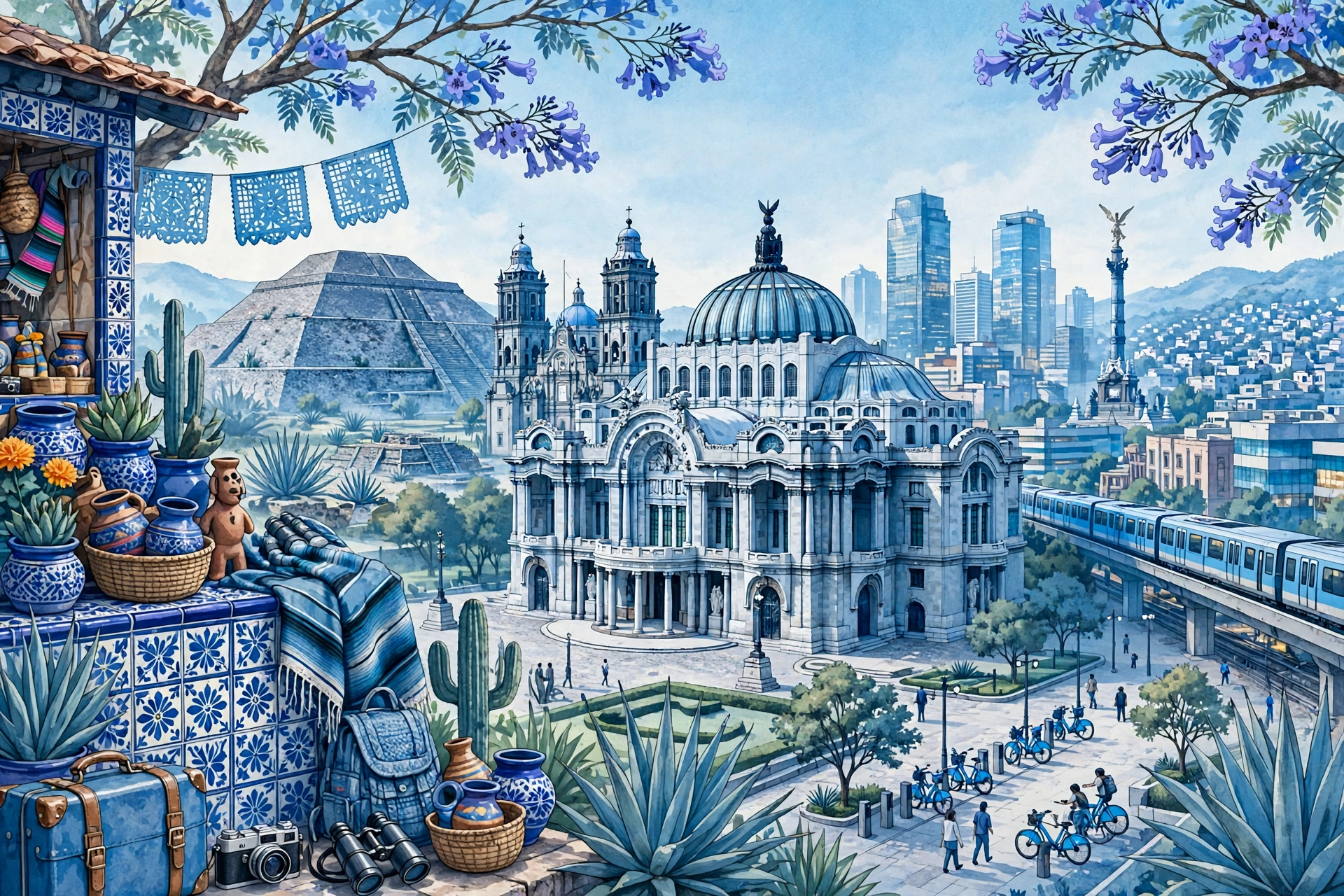
Central Mexico is the heart of the country: high-altitude cities, colonial architecture, ancient pyramids, and the food cultures that define Mexican cooking. If you only visit one region, make it this one.
Mexico City
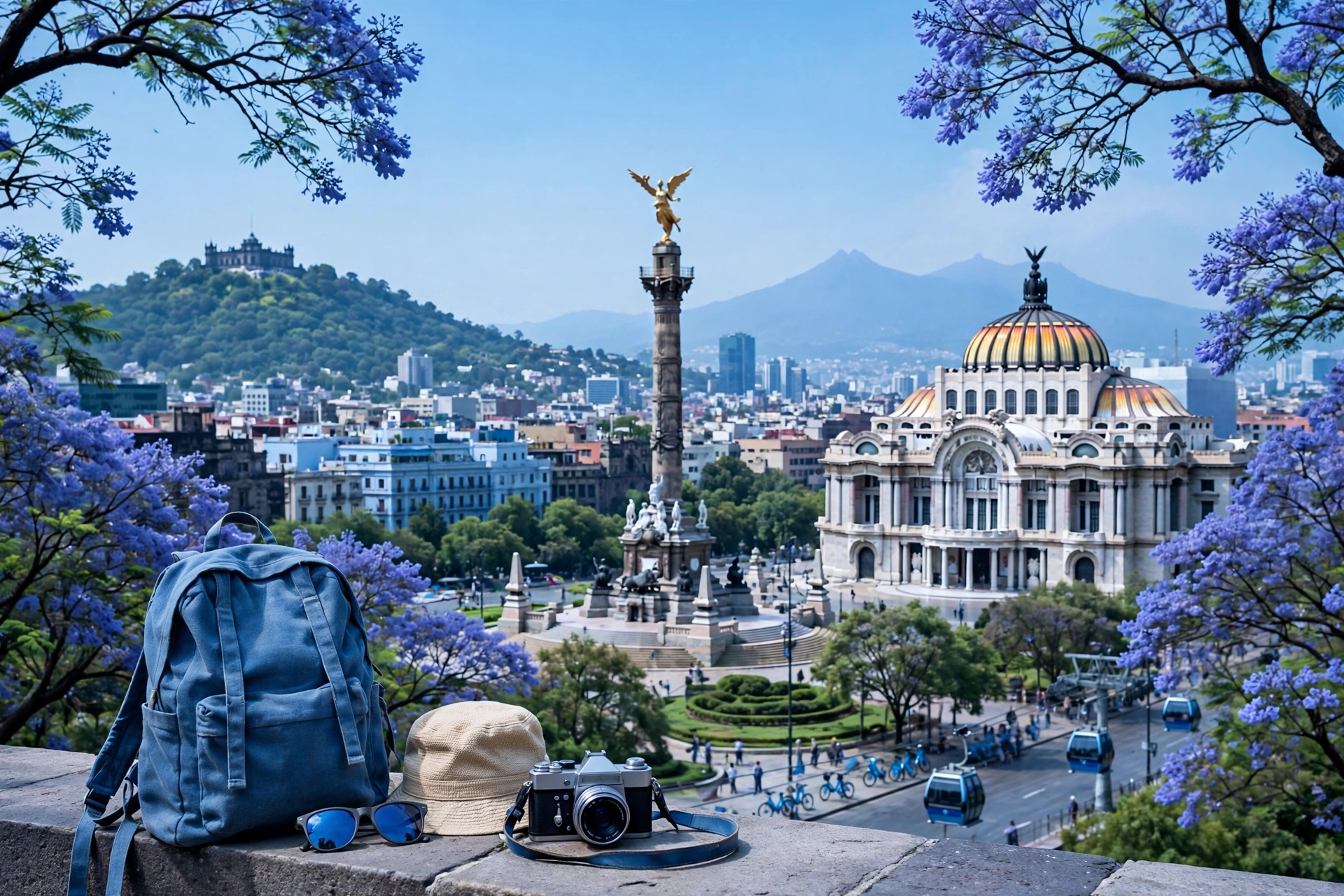
Best for: First-timers, food lovers, history lovers, and city culture. Ideal days: 4–5. Best season: November to April, when the air is clearest and the days are warm and dry.
Mexico City is one of the great cities of the world, and it rewards travelers who give it real time. The historic center holds the Zocalo, the Metropolitan Cathedral, and the Templo Mayor ruins. Chapultepec Park contains museums, lakes, and Chapultepec Castle. Neighborhoods like Roma Norte, Condesa, and Coyoacan each have their own rhythm — leafy streets, cafes, markets, and street art — and are the best places to base yourself.
Food is the main event. Eat tacos al pastor standing up at a late-night taqueria, work through the markets of La Merced and Coyoacan, and try mole, tamales, and fresh pan dulce from a neighborhood bakery. The city sits at about 2,240 meters (7,350 feet), so take it easy on the first day, drink water, and expect to walk a lot.
Teotihuacan: A Day Trip from Mexico City
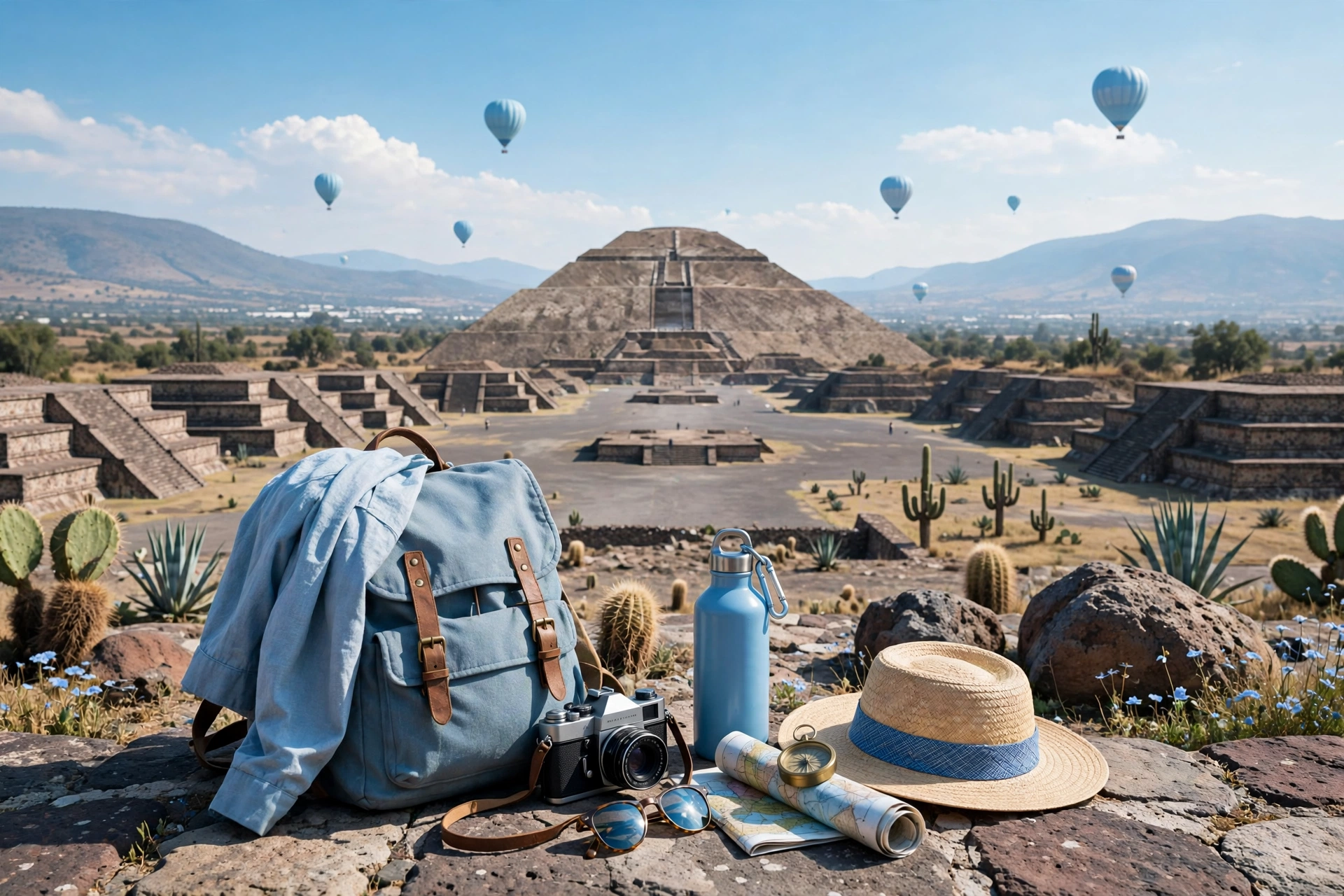
Best for: History lovers and first-timers. Ideal days: 1 (day trip). Best season: November to April; arrive early to beat the midday sun.
About an hour northeast of Mexico City, Teotihuacan was once one of the largest cities in the ancient world. The Avenue of the Dead runs between the Pyramid of the Sun and the Pyramid of the Moon, and walking it gives you a real sense of the scale of a city that flourished more than a thousand years before the Aztecs. Climbing rules change from time to time, so check on arrival, but even from ground level the site is extraordinary.
Go early, bring sun protection and water, and pair the visit with a stop at the Basilica of Guadalupe on the way back if that interests you. Public buses from Mexico City’s Autobuses del Norte terminal are cheap and frequent, and guided tours are easy to arrange if you prefer not to navigate the bus system.
Oaxaca City
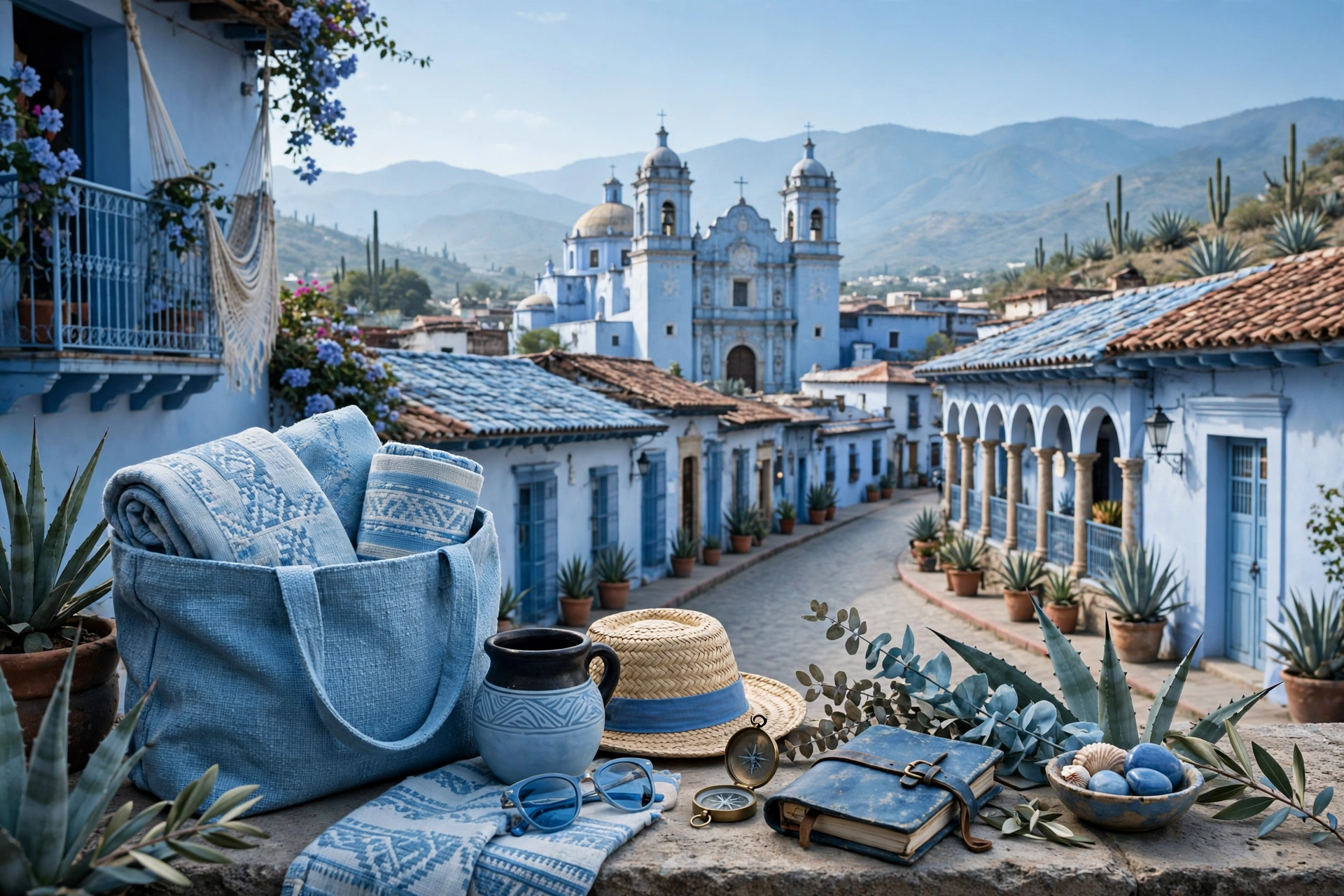
Best for: Food lovers, culture lovers, and budget travelers. Ideal days: 4–5. Best season: October to April; late October into early November for Day of the Dead.
Oaxaca City is the place many travelers end up loving most. Its historic center is walkable, colorful, and full of markets, workshops, and mezcal tasting rooms. The food alone justifies the trip: seven moles, tlayudas, memelas, chocolate, and some of the best street food in Mexico. Take a cooking class, visit the Benito Juarez market, and spend an evening in the zocalo watching the city socialize.
Day trips add a lot: the ruins of Monte Alban, the weaving village of Teotitlan del Valle, the petrified waterfalls of Hierve el Agua, and mezcal distilleries around Santiago Matatlan. Oaxaca is also one of the best-value destinations in this guide, with excellent budget hotels and meals that cost a fraction of resort prices.
San Miguel de Allende
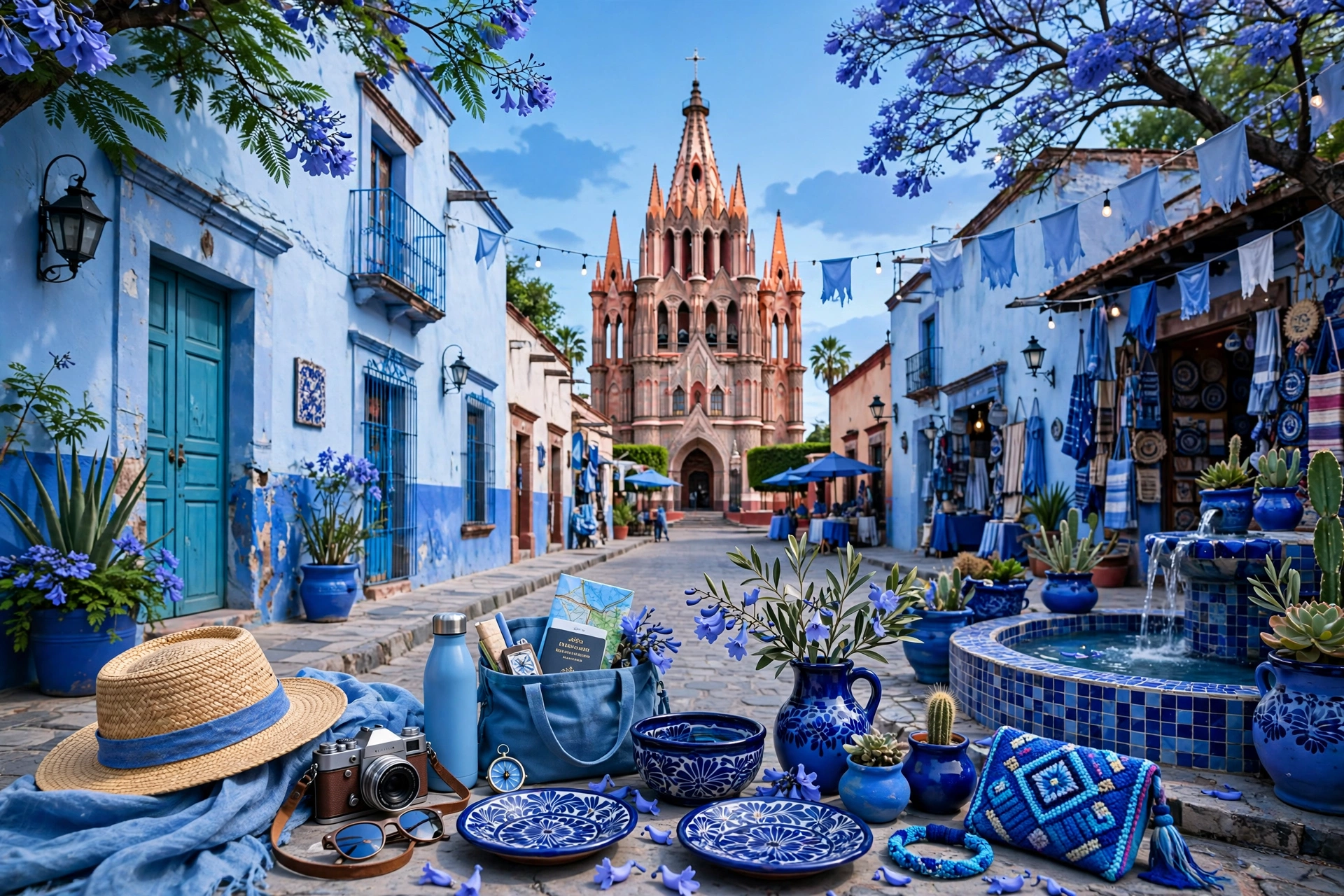
Best for: First-timers, couples, and slow travel. Ideal days: 2–3. Best season: October to April; the town is lively year-round but summer afternoons bring rain.
San Miguel de Allende is a colonial town of cobblestones, pink stone churches, and rooftop terraces, and it has been drawing artists and writers for decades. The Parroquia de San Miguel Arcangel dominates the main square, and the surrounding streets are made for wandering: galleries, cafes, craft shops, and some of the best rooftop sunset views in Mexico.
It is compact enough to explore on foot, though the hills and cobbles call for comfortable shoes. San Miguel pairs naturally with Guanajuato, about an hour and a half away, and together they make an ideal central Mexico loop from Mexico City.
Guanajuato
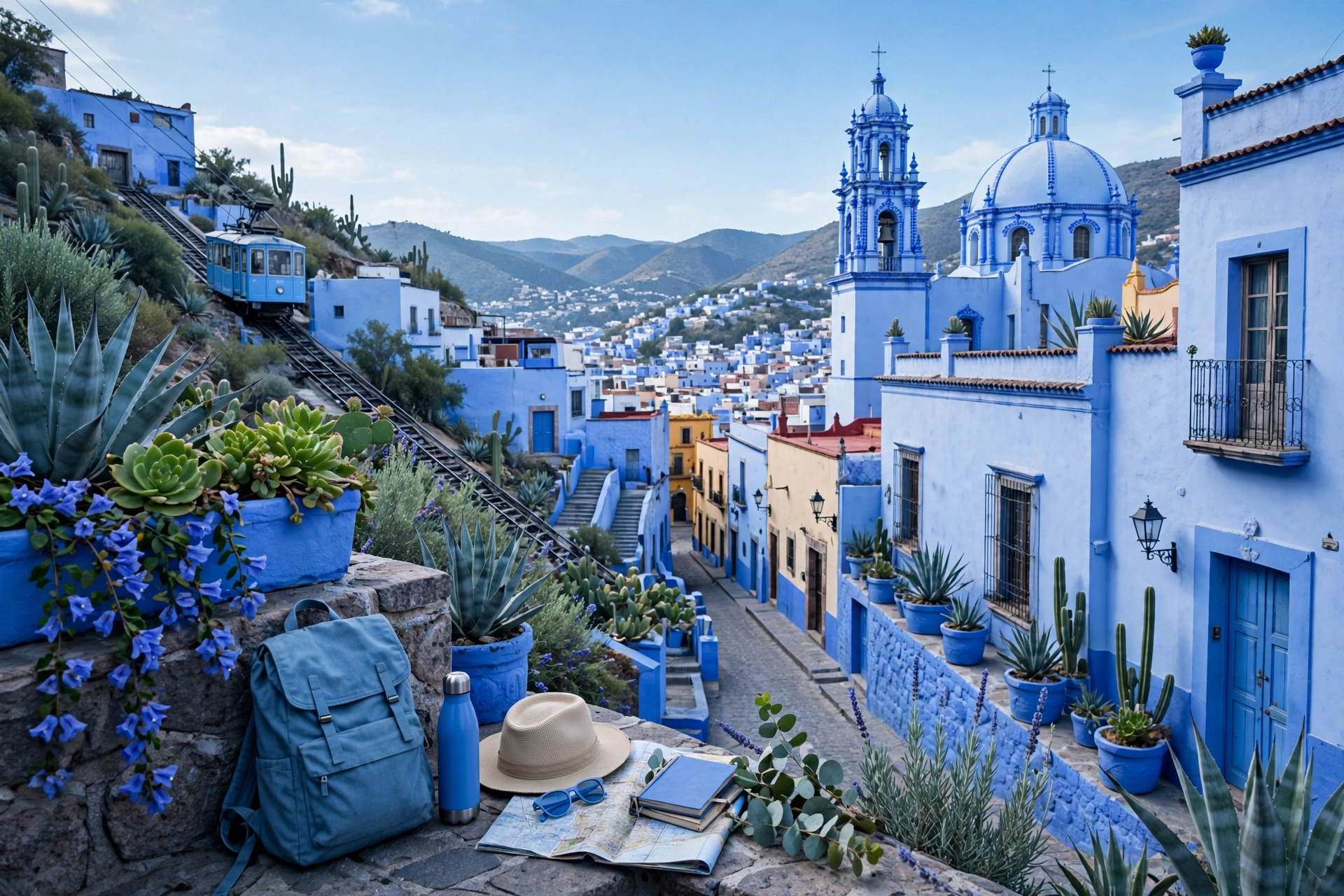
Best for: History lovers, photographers, and budget travelers. Ideal days: 2. Best season: October to April; October brings the Cervantino arts festival.
Guanajuato is one of the most photogenic cities in Mexico. Built into a steep valley, its colorful houses climb the hillsides, its streets run through old mining tunnels, and its alleyways open onto small plazas. The historic center is a UNESCO World Heritage site, and the city’s mining history, university life, and underground road network give it a character unlike anywhere else in the country.
Ride the funicular to the Pipila monument for the classic view over the city, wander the Callejón del Beso, and spend an evening in the Jardin de la Union. Guanajuato is also refreshingly affordable, which makes it a favorite with budget travelers and students.
The Yucatan Peninsula: Maya Ruins, Cenotes, and Caribbean Beaches
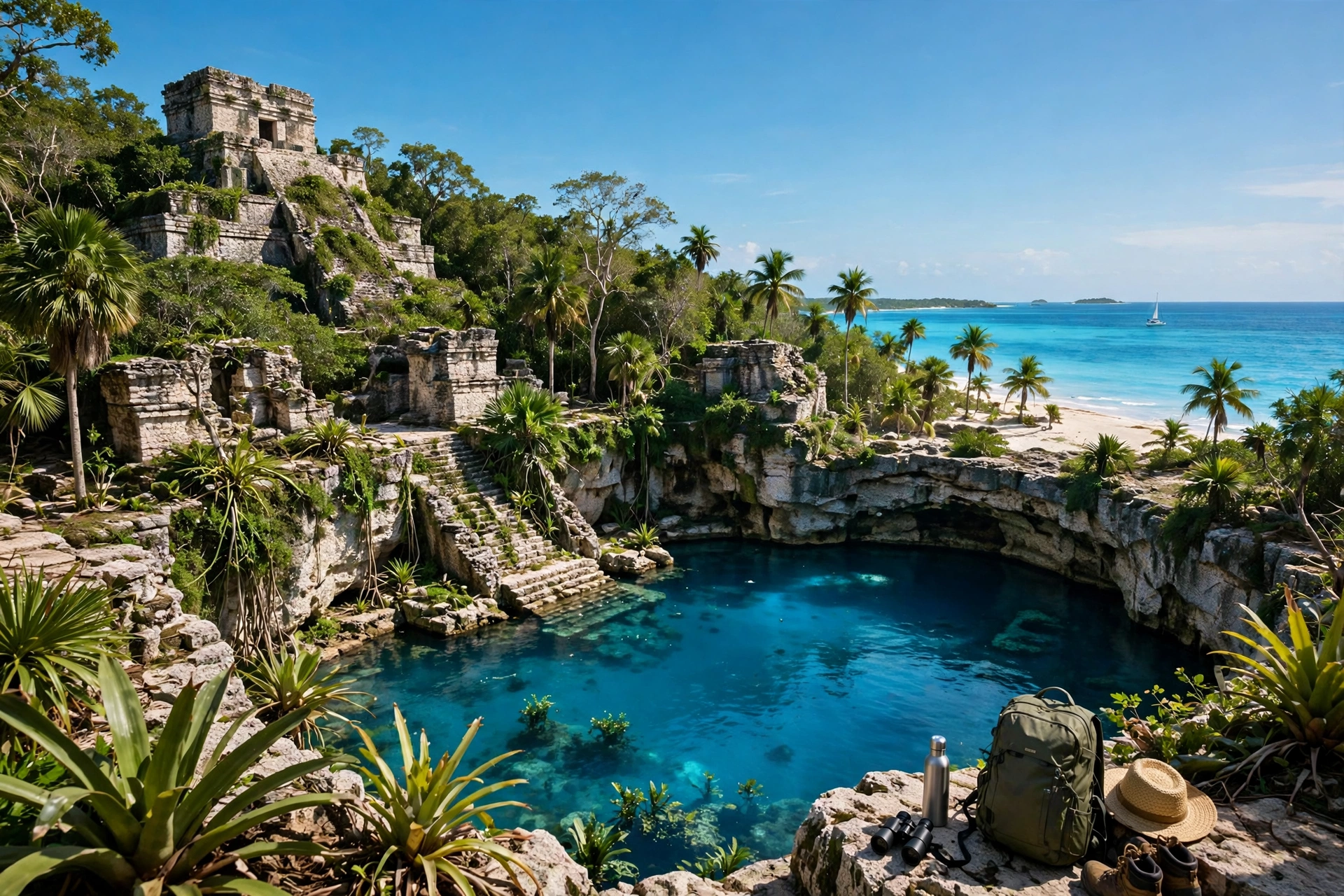
The Yucatan is the easiest region in Mexico to travel independently. Distances are short, buses are good, the food is distinct, and the combination of Maya ruins, underground cenotes, and Caribbean beaches is found nowhere else.
Merida
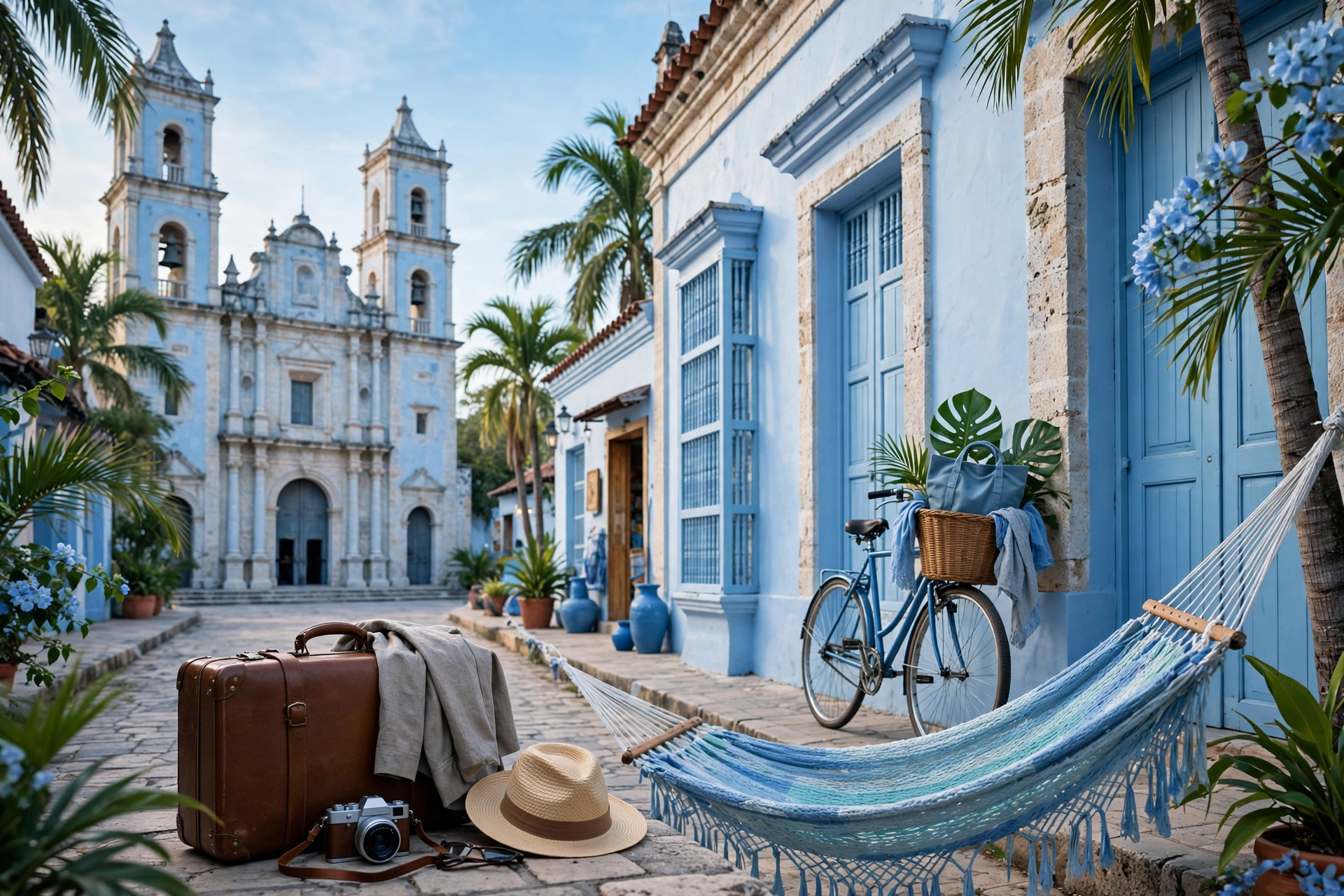
Best for: Food lovers, history lovers, and families. Ideal days: 3–4. Best season: November to April; December to February is coolest.
Merida, the capital of Yucatan state, is one of Mexico’s safest-feeling and most livable cities. Its grand Paseo de Montejo is lined with mansions, its plazas host free concerts and dancing in the evenings, and its markets serve Yucatecan specialties like cochinita pibil, sopa de lima, and panuchos.
Merida is also the best base for the region: Chichen Itza, Uxmal, cenote routes, and the flamingo lagoons of Celestun are all day trips. The city has a large expat and local arts scene, excellent museums, and a slower, more local feel than the resort towns to the east. If you want to understand the Yucatan rather than just photograph it, start here.
Chichen Itza and the Yucatan Cenotes
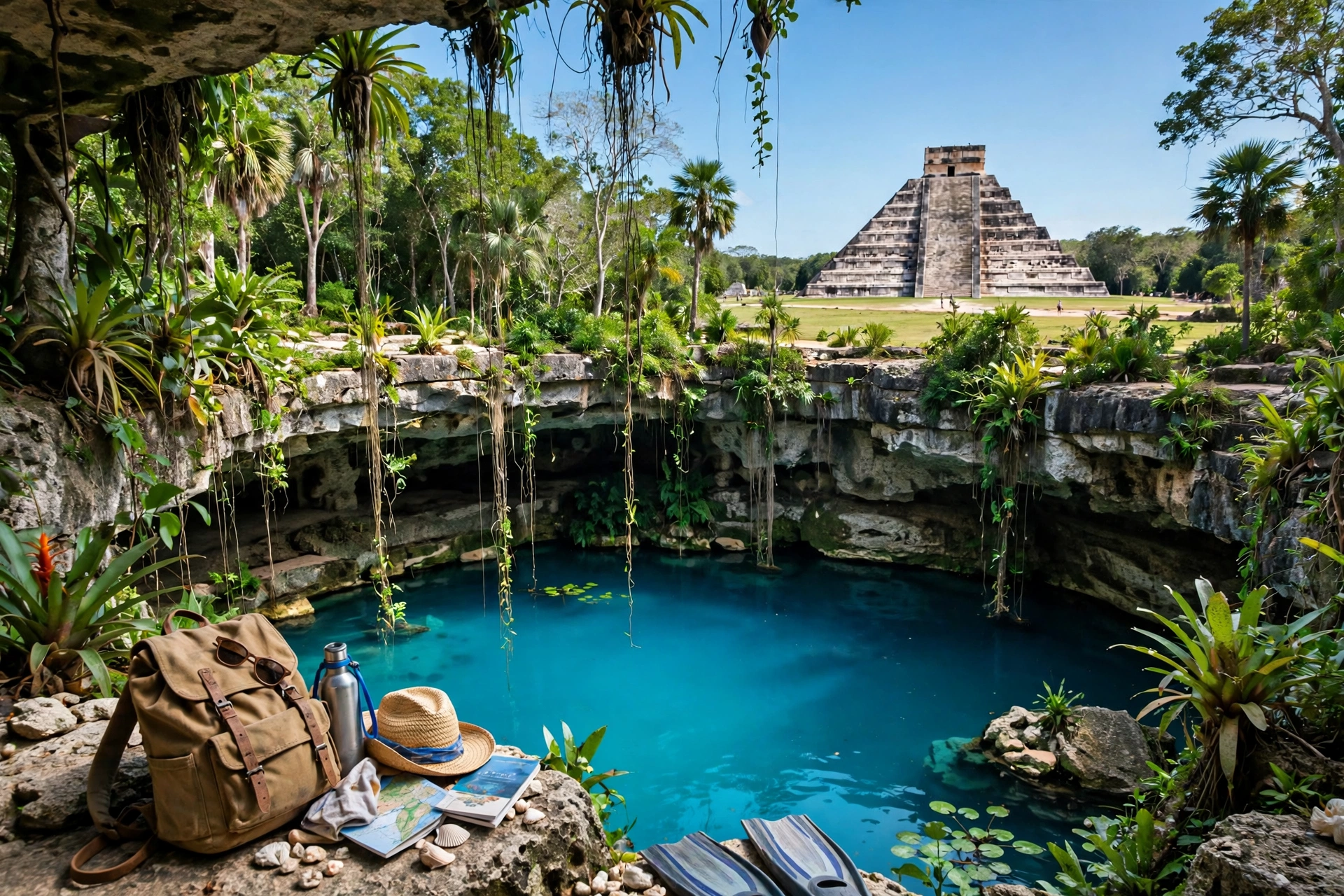
Best for: History lovers and adventure travelers. Ideal days: 1–2. Best season: November to April; visit early in the morning to avoid crowds and heat.
Chichen Itza is the most famous Maya site in Mexico and one of the New Seven Wonders of the World. El Castillo, the great step pyramid, dominates a site that also includes a ball court, a sacred cenote, and the Temple of the Warriors. It is busy — arrive at opening time if you can — but the scale and precision of the architecture justify the crowds.
Pair it with cenotes, the natural sinkholes that dot the Yucatan limestone. Ik Kil, near Chichen Itza, is the classic stop, but the smaller cenotes around Homun and Cuzama are quieter and often more beautiful. Swim, bring water shoes, and remember that cenotes are freshwater ecosystems: skip sunscreen and insect repellent before swimming.
Tulum and the Riviera Maya
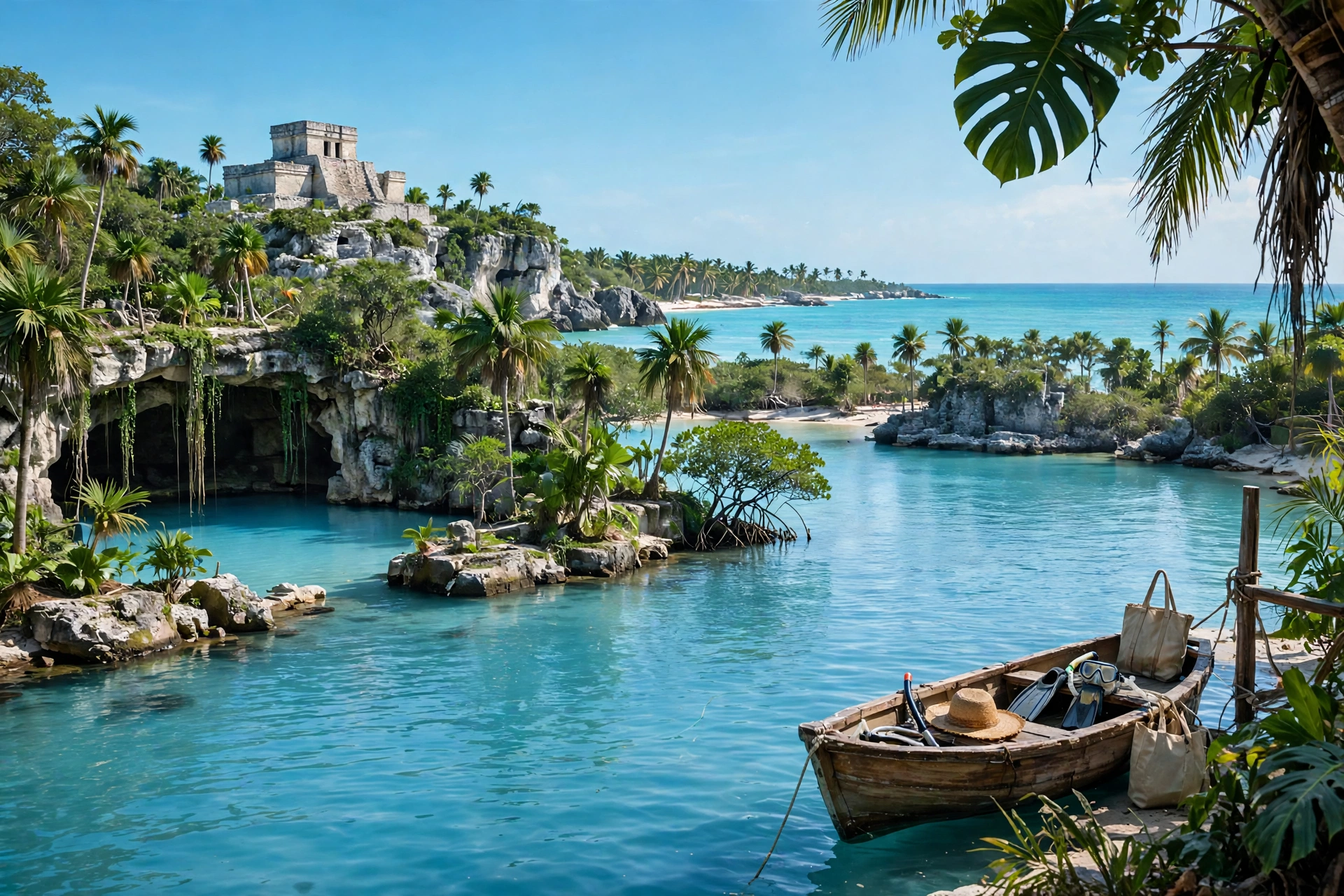
Best for: Beach lovers and first-timers. Ideal days: 3–4. Best season: November to April; check sargassum conditions in summer.
Tulum combines a clifftop Maya ruin overlooking the Caribbean with a long stretch of beach and a town full of boutique hotels, restaurants, and yoga studios. The archaeological site is small and quick to visit, which leaves the rest of the day for the beach, the Sian Ka’an Biosphere Reserve, or cenotes like Dos Ojos and Gran Cenote.
The Riviera Maya corridor, including Playa del Carmen, sits between Tulum and Cancun and works well as a base if you want day trips in both directions. Be aware that Tulum’s beach zone is pricier and more spread out than its town center, and that summer can bring sargassum seaweed to the shore — check current conditions before booking a beachfront stay.
Cancun and Isla Mujeres
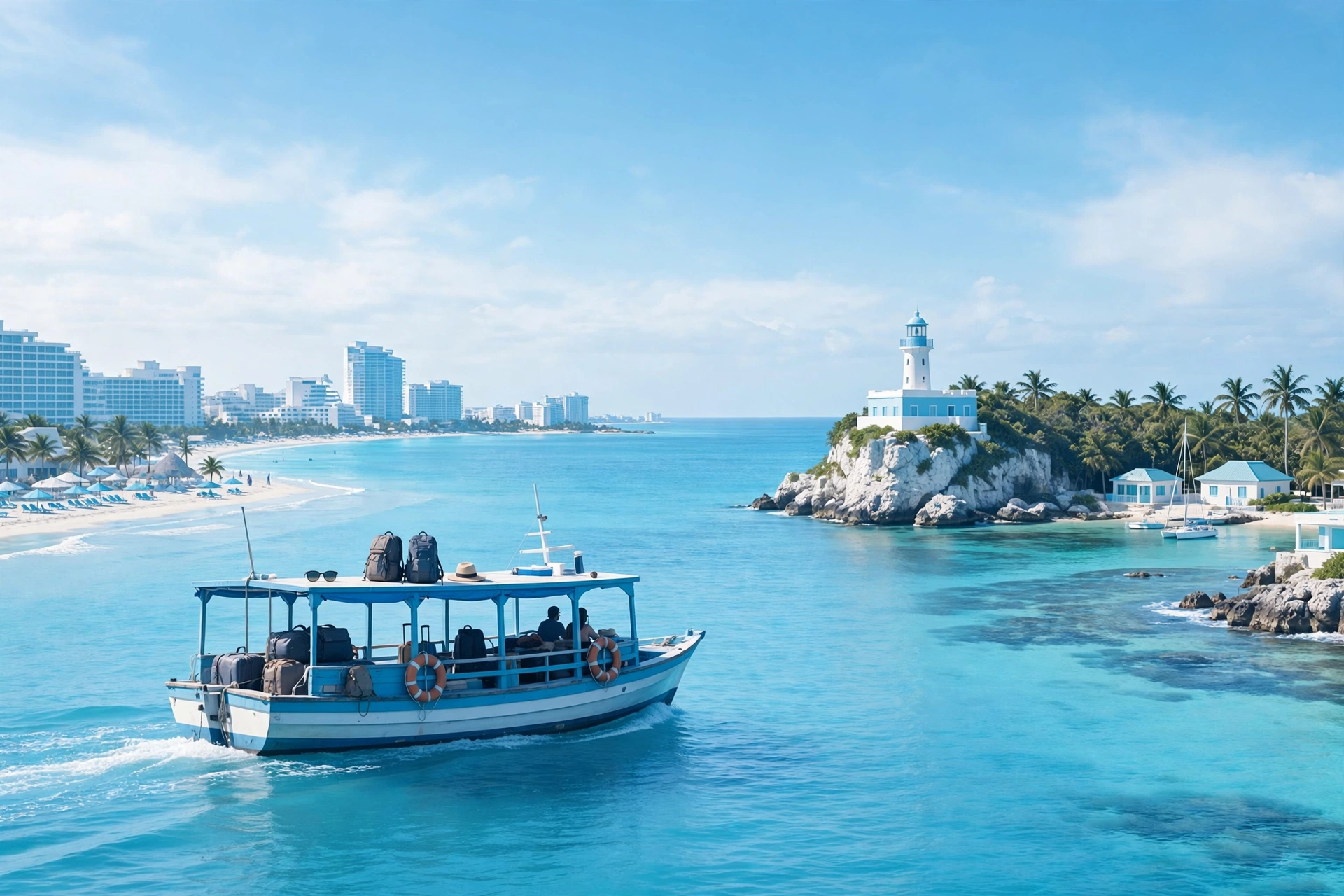
Best for: Families, first-timers, and beach lovers. Ideal days: 2–4. Best season: November to April; hurricane season runs June to November.
Cancun is Mexico’s biggest beach resort city, and it is popular for a reason: a long strip of white sand and turquoise water, a huge range of hotels, and an international airport with direct flights from across the United States. The Hotel Zone is built for resort holidays, while downtown Cancun is more local and more affordable.
For a quieter contrast, take the short ferry to Isla Mujeres. The island is small, walkable, and relaxed, with calm swimming at Playa Norte, golf cart rentals for exploring, and a much slower pace than the mainland. Together, Cancun and Isla Mujeres make an easy first taste of Mexico, especially for families and travelers who want a simple, well-connected trip.
Bacalar
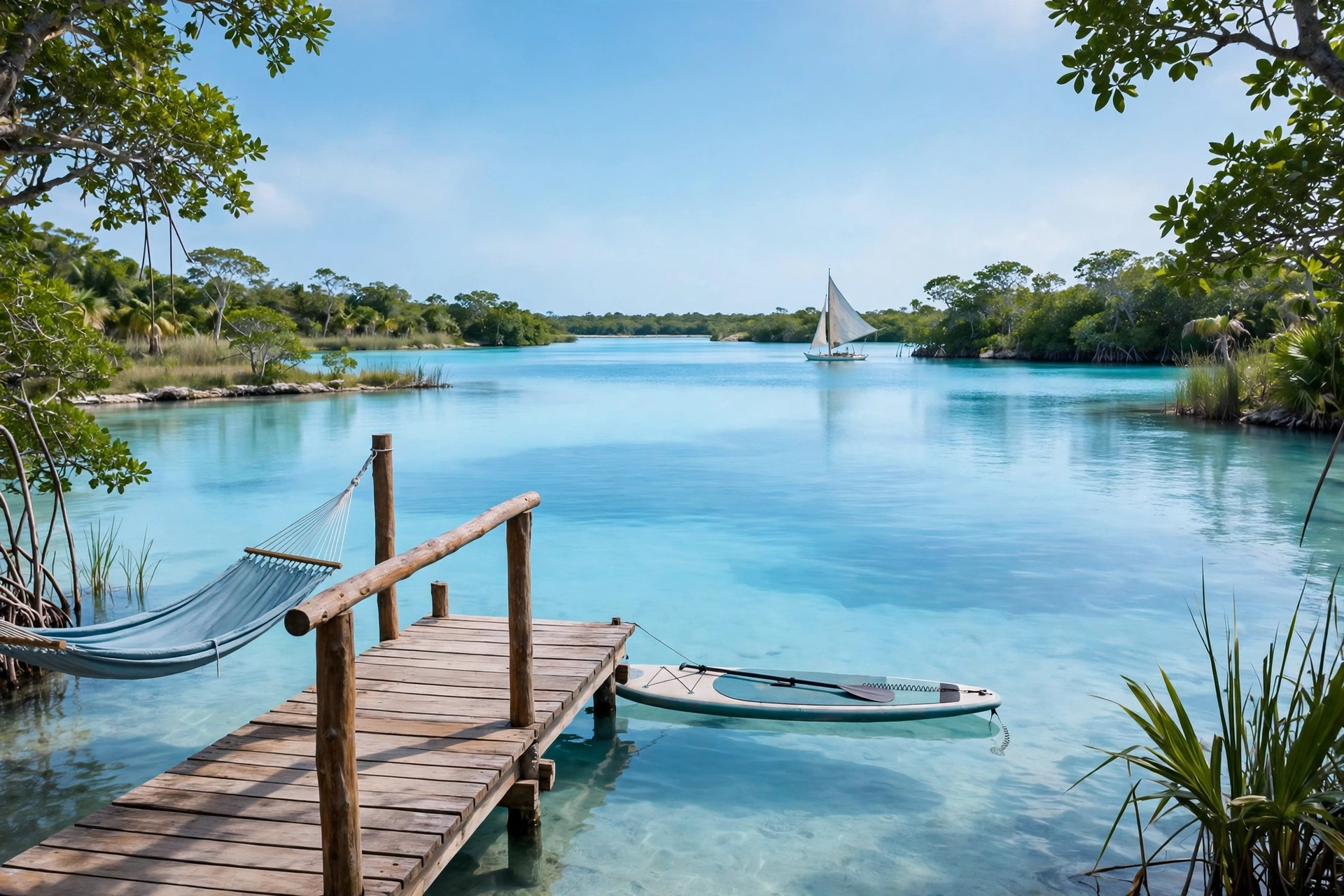
Best for: Adventure travelers, budget travelers, and second trips. Ideal days: 2. Best season: November to April, when the lagoon is clearest and the skies are driest.
Bacalar is home to the Lagoon of Seven Colors, a long freshwater lagoon whose shades of blue shift with depth and sunlight. It is quieter and far less developed than Tulum or Cancun, which is exactly the appeal: kayak at sunrise, swim in cenotes inside the lagoon, sail to the Pirate Channel, and stay in small lakeside hotels.
Bacalar works as a detour from Tulum or as a stop on the way toward the Belize border. Go now rather than later — it is growing fast, and its low-key character is part of what makes it special.
The Pacific Coast and Baja: Surf, Sunsets, and Wild Water
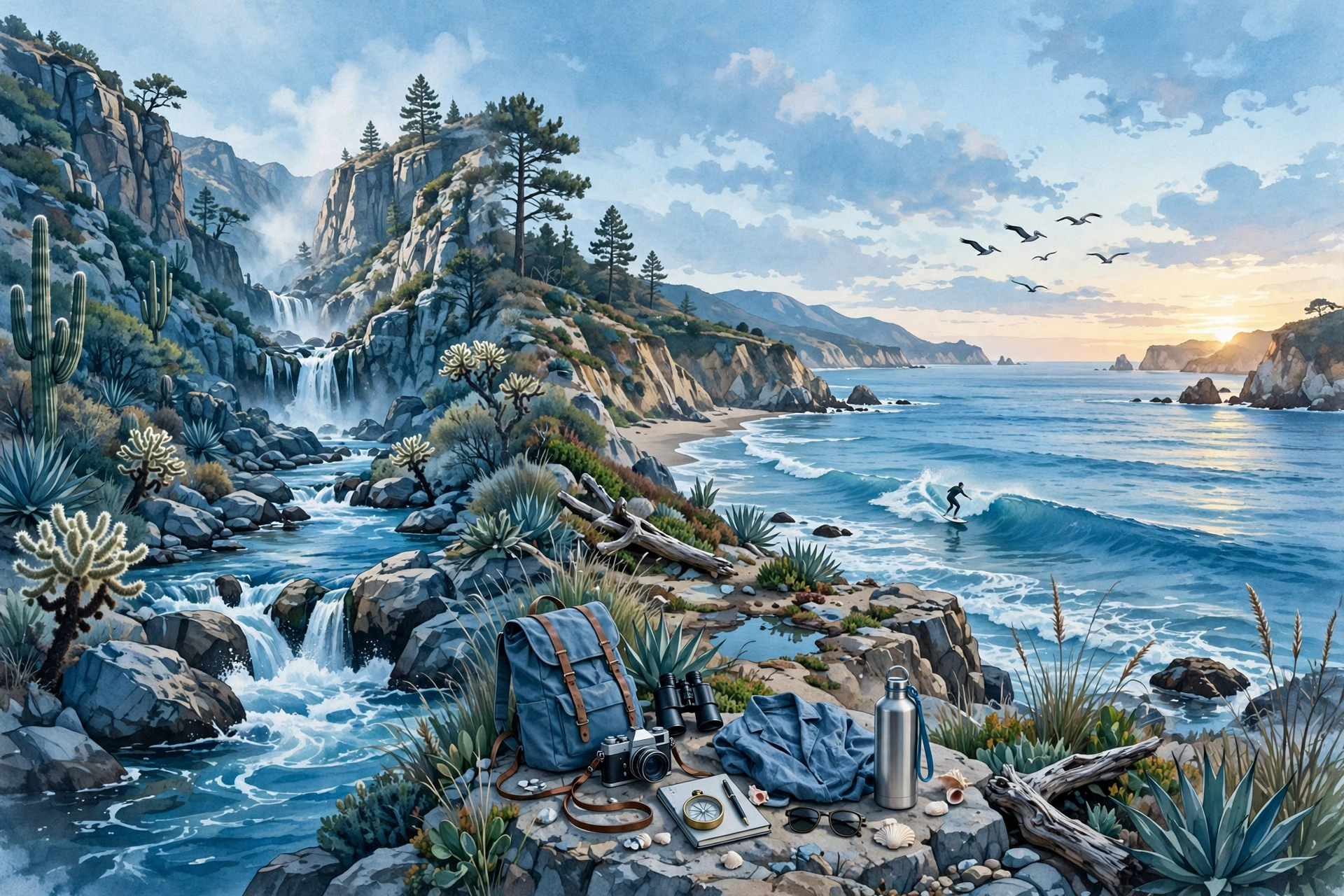
Mexico’s Pacific side is a different country from the Caribbean: drier, more rugged, with bigger waves, desert landscapes, and some of the best wildlife encounters in North America.
Puerto Vallarta
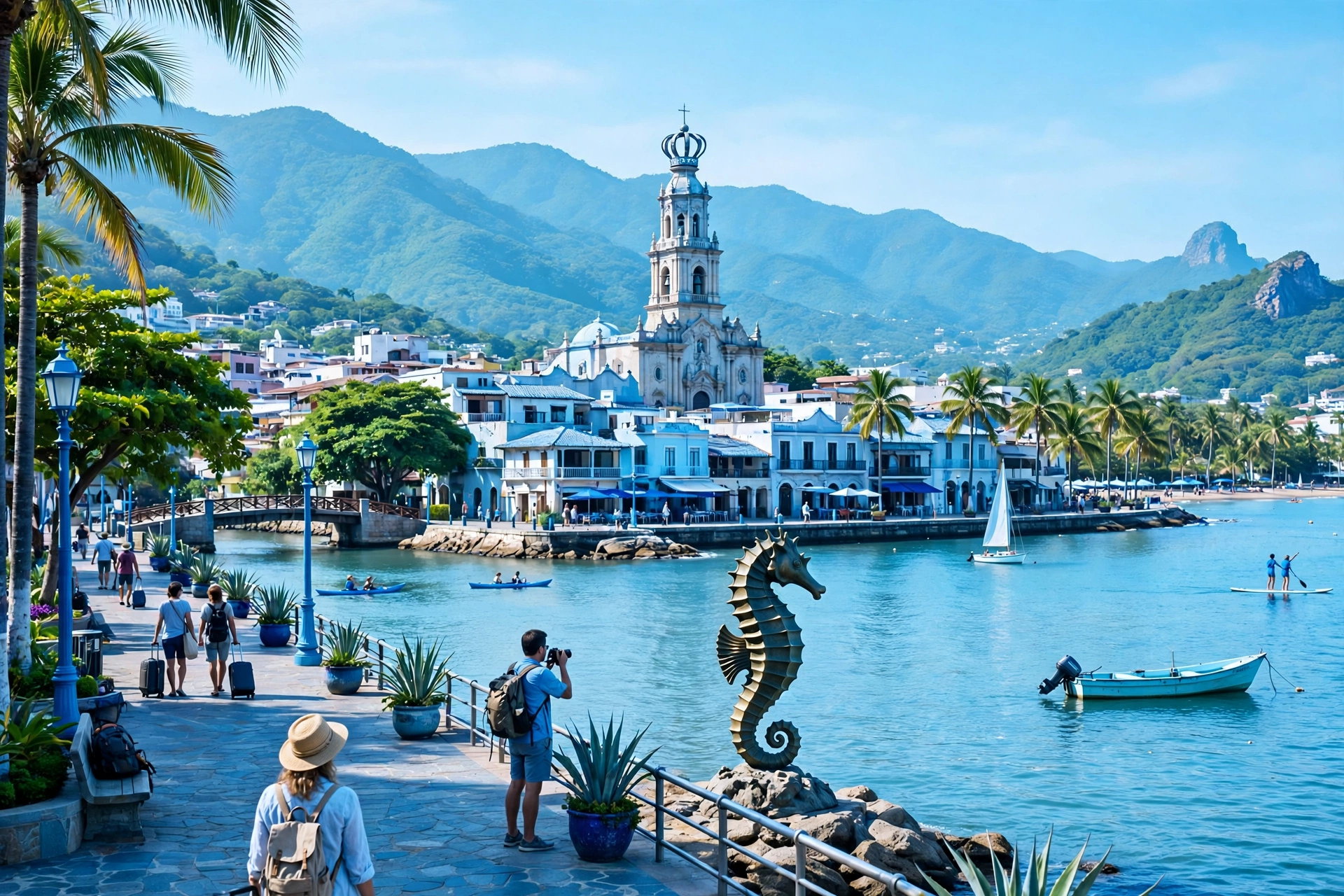
Best for: Families, beach lovers, and first-timers. Ideal days: 3–4. Best season: November to April; the rainy summer months turn the surrounding hills green.
Puerto Vallarta has what many resort towns lack: a real town. The Malecon boardwalk, the old town’s cobblestone streets, and the church of Our Lady of Guadalupe give it a center that is pleasant to walk, and the bay is ringed by mountains that make sunset genuinely spectacular. The beaches range from busy Playa de los Muertos to quieter coves reachable by water taxi.
It is also a practical choice. The airport is close, tours to the Marietas Islands and whale watching in winter are well run, and the food scene covers everything from beachfront seafood to excellent restaurants in the Romantic Zone. For travelers who want a beach holiday with a town attached, this is the Pacific pick.
Sayulita
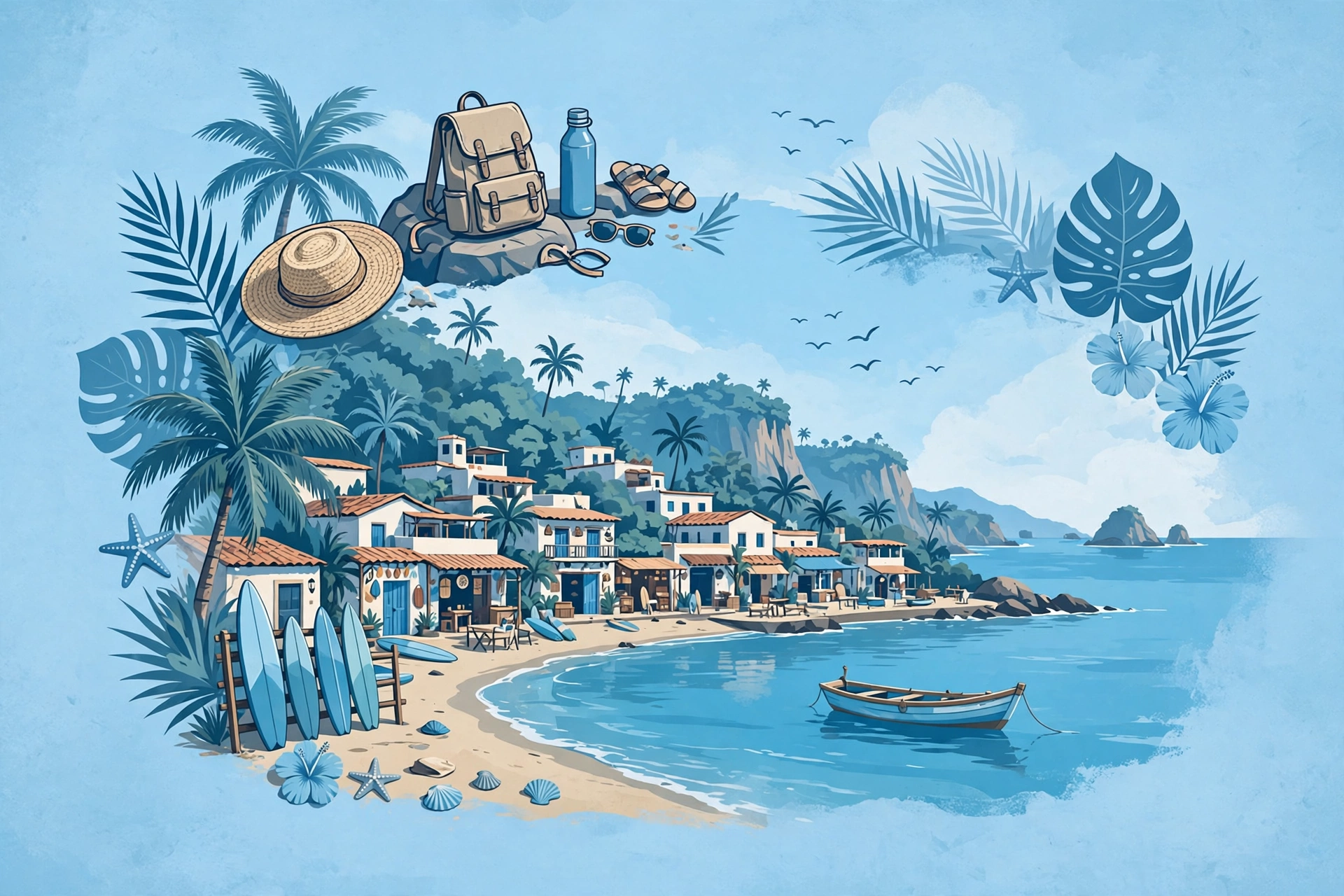
Best for: Beach lovers and surf beginners. Ideal days: 2–3. Best season: November to April; summer surf is bigger and the town is quieter.
About an hour north of Puerto Vallarta, Sayulita is a small surf town of colorful streets, beach cafes, and a long, gentle beach break that is ideal for learning to surf. It is compact enough to explore on foot, and its size keeps the atmosphere relaxed even in high season.
Sayulita works as a day trip from Puerto Vallarta or as a stop on a longer Pacific coast route. If you want the surf-town experience without the resort scale, this is the place. Book ahead in high season, when the town’s small hotels fill quickly.
Cabo San Lucas and Los Cabos
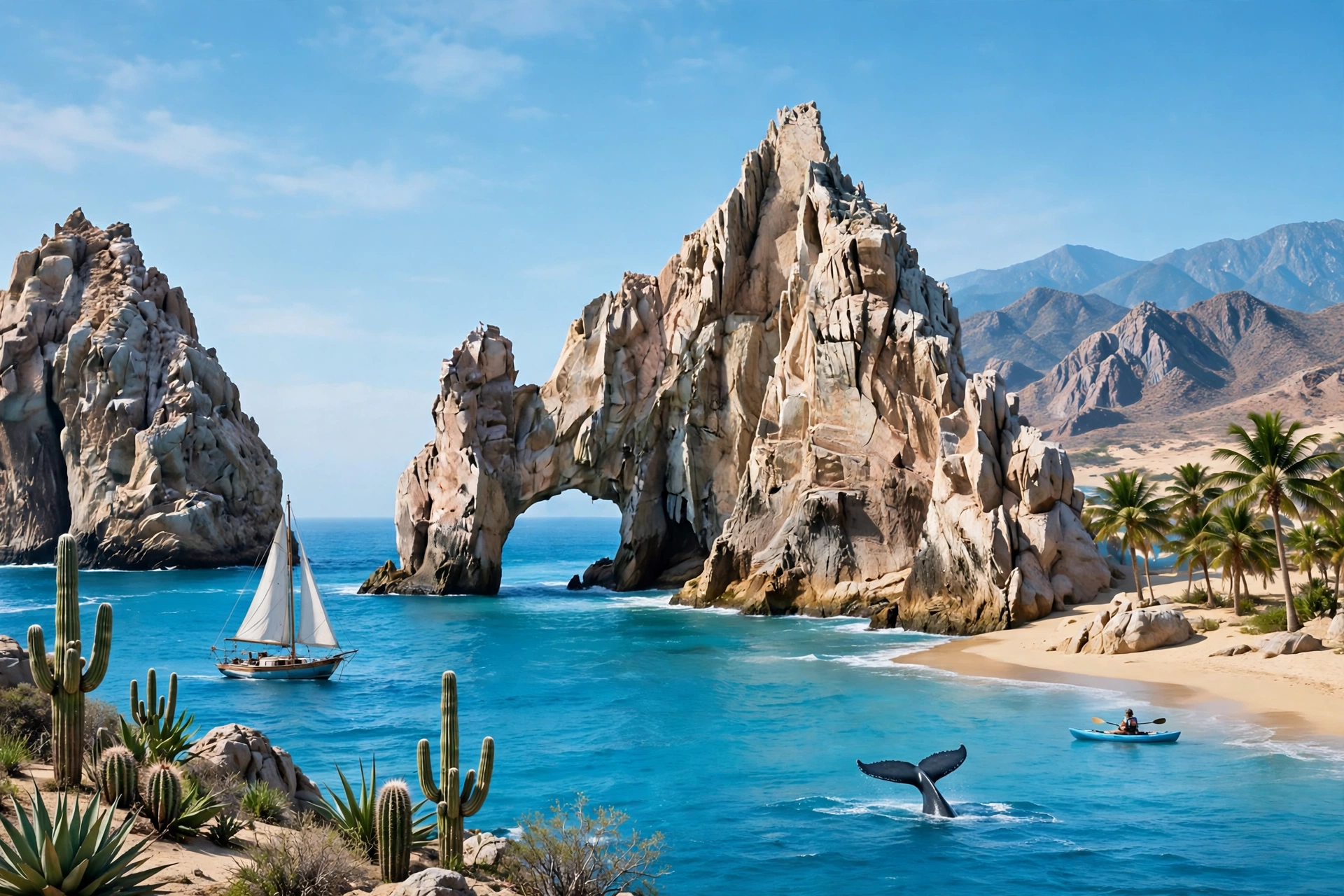
Best for: Beach lovers and first-timers. Ideal days: 3–4. Best season: November to May; December to April is whale season.
Los Cabos sits at the southern tip of the Baja Peninsula, where the Sea of Cortez meets the Pacific. Cabo San Lucas is the lively end: a marina, a nightlife strip, and boat trips to El Arco, the rock arch where the two seas meet. San Jose del Cabo, about 30 minutes away, is quieter and more historic, with an art district, a mission church, and a calmer beach scene.
Cabo is more expensive than most places on this list, and it is built for resort holidays, but it delivers reliably: excellent beaches, sport fishing, golf, and easy wildlife trips. In winter, humpback and gray whales migrate past the cape, and a whale-watching boat trip is one of the best experiences in Mexico.
La Paz and Baja California Sur
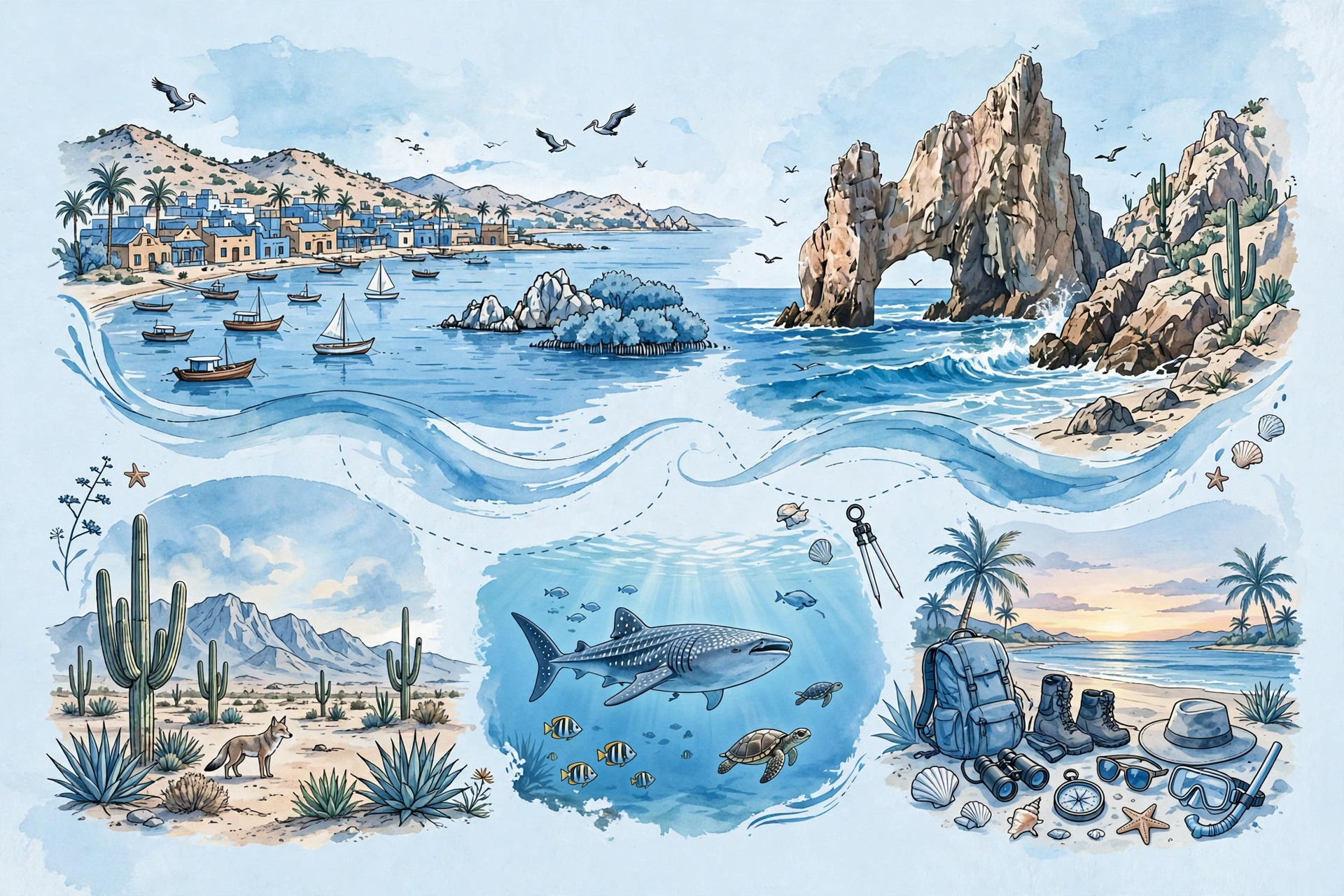
Best for: Adventure travelers and wildlife lovers. Ideal days: 3–4. Best season: October to May; whale sharks are typically present October to April, and gray whales visit Magdalena Bay January to March.
La Paz, the capital of Baja California Sur, is the low-key alternative to Los Cabos. Its Malecon faces a calm bay, its beaches — Balandra and Tecolote — are among the most beautiful in Mexico, and its pace is unhurried. The city is a gateway to the Sea of Cortez, which Jacques Cousteau called the world’s aquarium.
The wildlife is the draw: swim with whale sharks, snorkel with sea lions at Espiritu Santo Island, and kayak among desert islands. La Paz is also cheaper and less crowded than Los Cabos, and it pairs well with a Baja road trip that includes Todos Santos and the desert landscapes in between. If you want wild water without the resort price tag, start here.
Northern Mexico: A Different Kind of Adventure
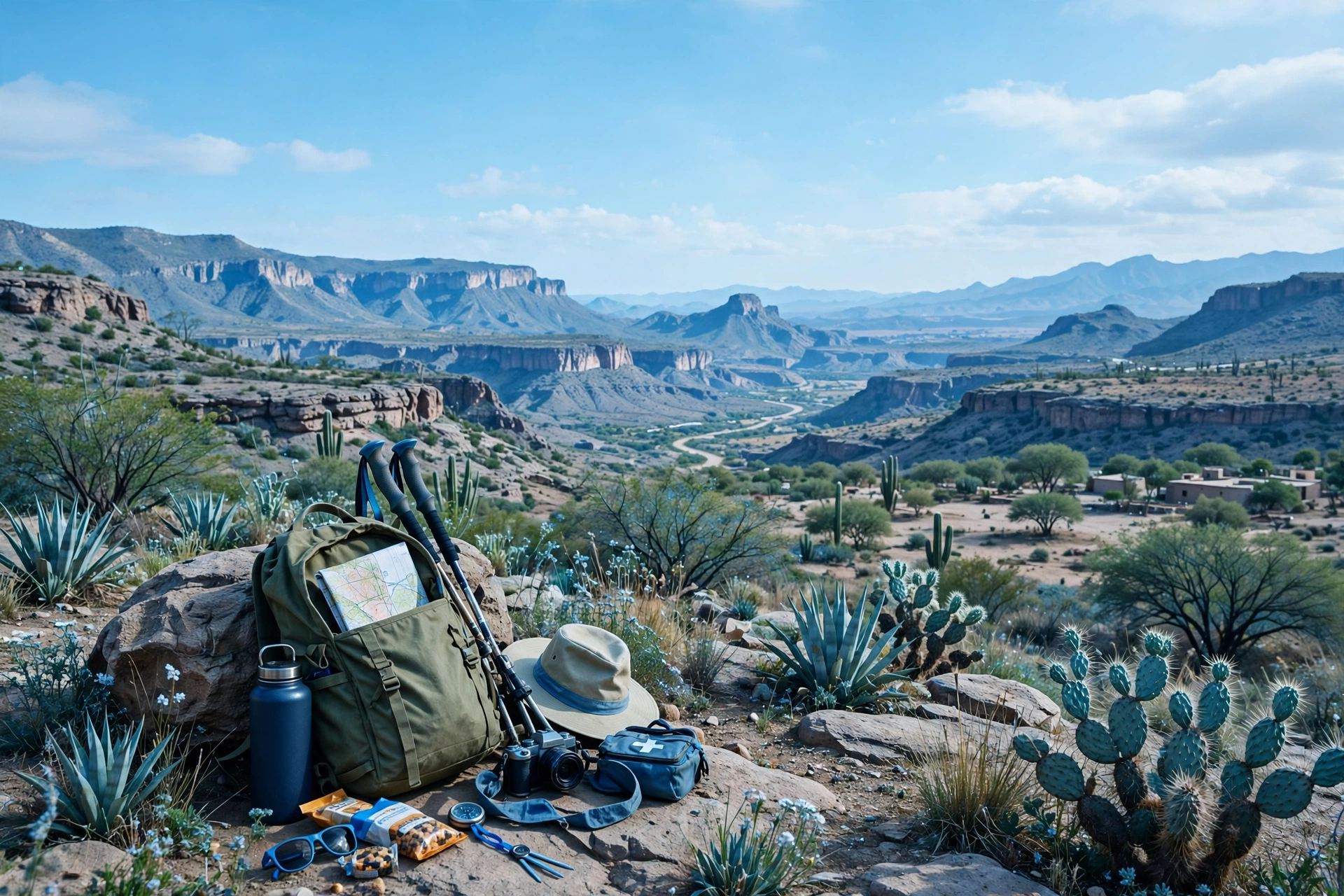
Copper Canyon
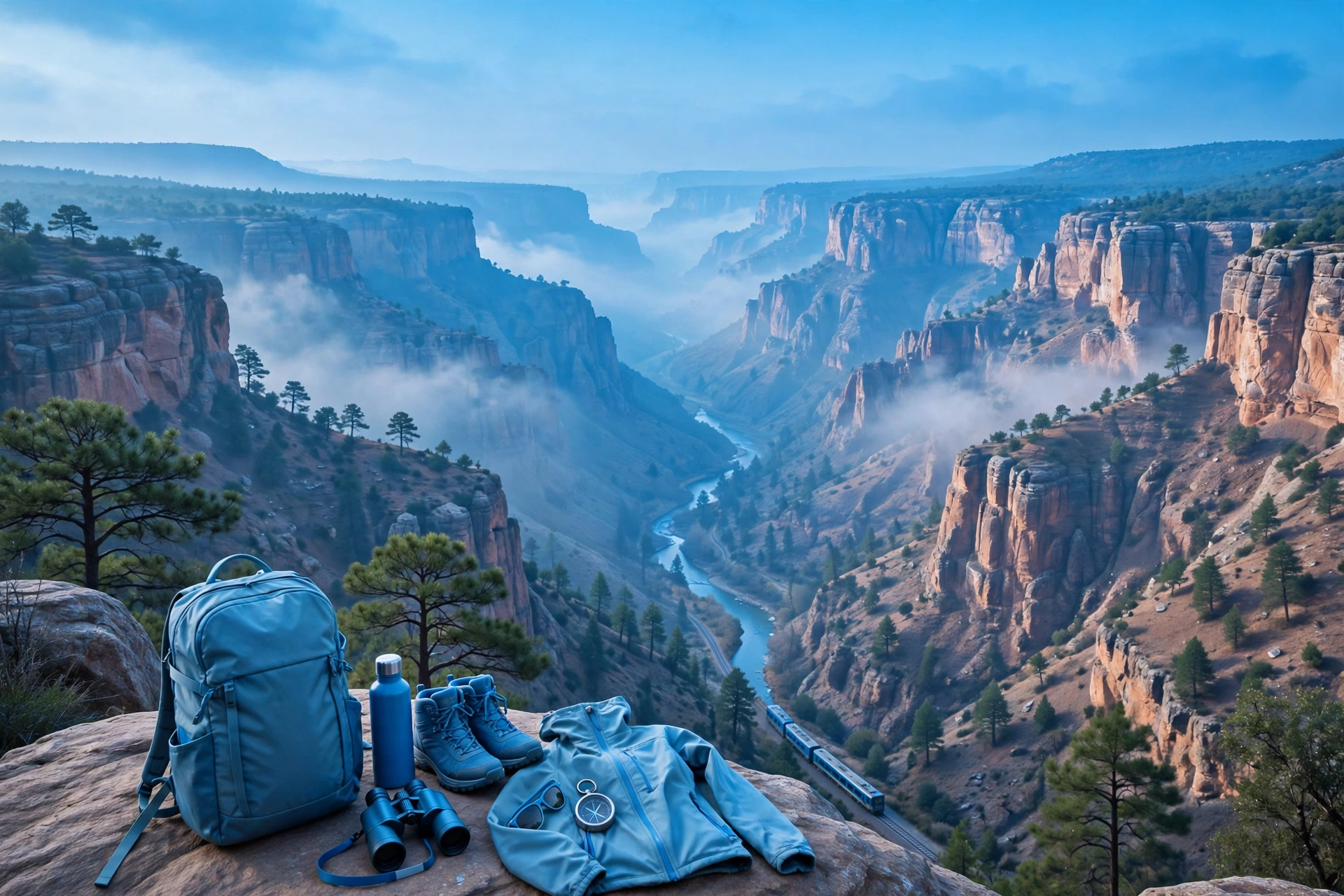
Best for: Adventure travelers and second trips. Ideal days: 4–5. Best season: October to April; summer brings rain and dramatic waterfalls but also washed-out roads.
Copper Canyon, in the state of Chihuahua, is a network of canyons deeper and larger than the Grand Canyon. The best way to see it is the Chepe train, which runs from Los Mochis on the Pacific coast to Chihuahua City, crossing bridges, tunnels, and high desert along the way. The most popular stop is Divisadero, with views into the Urique Canyon and the adventure park at the rim.
This is a trip for travelers who enjoy slow journeys and dramatic landscapes rather than polished tourist infrastructure. Plan carefully, book the train in advance, and check current local advice before traveling in the region — it rewards preparation more than any other destination on this list.
How to Combine Places Into a Realistic Route

The mistake most first-timers make is trying to see everything. Pick one region, add one more if you have time, and leave the rest for a second trip. These routes are designed to be done without rushing — each includes travel days, not just sightseeing days.
7-day route: Yucatan highlights. Fly into Cancun, spend 2 nights in Tulum, 2 nights in Merida with a day trip to Chichen Itza, and finish with 2 nights in Cancun or Isla Mujeres. This is the easiest first trip to Mexico and works well without a car.
7-day route: Central Mexico culture. Fly into Mexico City for 3 nights, including a day trip to Teotihuacan, then take the bus to San Miguel de Allende for 2 nights and Guanajuato for 2 nights. This route is walkable, affordable, and rich in history and food.
10-day route: Yucatan plus Oaxaca. Combine the 7-day Yucatan route with a flight to Oaxaca City for 3 nights. The contrast between Caribbean beaches and Oaxacan food and crafts makes this one of the best-balanced trips in the country.
10-day route: Baja wildlife and coast. Fly into Los Cabos or La Paz, spend 3 nights in La Paz with whale shark and island trips, drive or bus to Todos Santos, and finish in Cabo San Lucas. Best from October to April, when wildlife is at its peak.
14-day route: The classic grand tour. Mexico City (4 nights, with Teotihuacan), Oaxaca City (3 nights), fly to Merida (3 nights, with Chichen Itza), and finish in Tulum or Cancun (4 nights). This is the trip to choose if you want culture, food, ruins, and beaches in one journey.
For help building your own version, use a travel itinerary template to map days, transport, and bookings in one place. If your dates are flexible, also check the best places to travel in January for ideas on where the weather and crowds are best at the start of the year.
When to Go: Seasons, Hurricanes, Sargassum, and Festivals

Dry season (November to April): This is the best time for most of Mexico. Days are warm and mostly rain-free, the Caribbean is at its clearest, and the highland cities are cool and comfortable. It is also high season, so prices are higher and popular places are busier — book early, especially around Christmas, New Year, and Easter.
Rainy season (May to October): Afternoon showers are common, but mornings are usually sunny and the landscape turns green. Prices drop, crowds thin, and the waterfalls and cenotes are at their fullest. If you can handle a daily shower, this is a rewarding time to travel, especially in the highlands.
Hurricane season (June to November): The risk is real but manageable. Storms are tracked well in advance, and most trips are unaffected. The peak months are August to October, and the Caribbean coast and Baja are most exposed. Buy travel insurance, watch forecasts, and keep plans flexible in these months.
Sargassum: From roughly May to September, seaweed can wash up on Caribbean beaches, especially in the Riviera Maya. It varies by beach and week, and many hotels clean their beaches daily. If a pristine beach is essential to your trip, check current sargassum reports before booking, or choose the Pacific coast or a cenote-based itinerary in summer.
Festivals: Day of the Dead (November 1–2) is Mexico’s most famous celebration, and Oaxaca City is the classic place to experience it — book months ahead. Other highlights include the Cervantino festival in Guanajuato (October), the Guelaguetza in Oaxaca (July), and Independence Day celebrations across the country on September 15–16.
Getting Between Regions: Flights, Buses, and Car Rental

Domestic flights: Mexico is large, and flying saves days. Domestic carriers connect Mexico City with Oaxaca, Merida, Cancun, Puerto Vallarta, Los Cabos, and La Paz, often for reasonable fares if booked in advance. Use flights for long jumps between regions and buses for shorter hops.
ADO buses: In the Yucatan and central Mexico, ADO and its first-class services are comfortable, air-conditioned, and reliable. Overnight buses save a hotel night on longer routes, and bus stations are generally safe and well organized. Book first-class (ADO Platino or GL) for the longest journeys.
Car rental: Renting a car makes sense in the Yucatan, Baja, and around Oaxaca, where it opens up cenotes, beaches, and villages that buses do not reach well. Drive during daylight, use toll roads (cuotas) where available, and check insurance carefully — Mexican rental insurance works differently from US or European policies, and the cheapest online rate often excludes mandatory cover. Avoid driving at night in rural areas.
Staying Safe in Mexico: A Responsible, No-Panic Guide
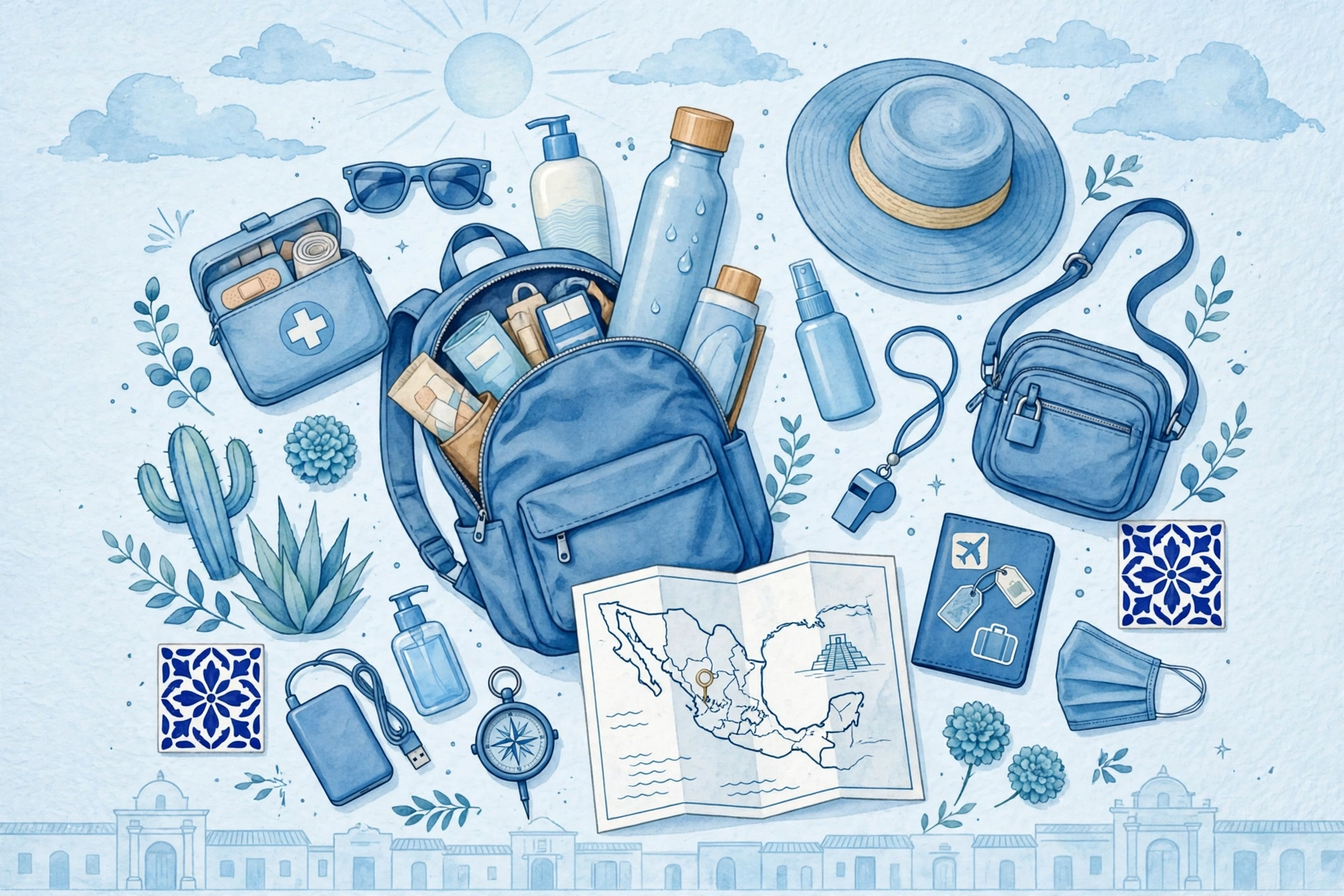
Mexico gets a lot of alarming headlines, and most travelers find the reality much calmer. Millions of visitors travel safely every year. The key is to be informed rather than fearful: understand that safety varies enormously by state and even by neighborhood, and plan accordingly.
Start with the U.S. State Department’s Mexico travel advisory, which rates each state separately. Most tourist areas — including the Yucatan, Quintana Roo, Baja California Sur, and the colonial cities in this guide — are rated Level 2 (Exercise Increased Caution), the same level as many popular European destinations. A few states carry higher warnings; those are not on a typical first-timer itinerary.
Practical safety habits matter more than headlines: use official taxis or ride-hailing apps rather than unmarked cabs, avoid driving at night in rural areas, keep valuables out of sight, and stay in well-reviewed accommodation in central areas. Solo travelers, including solo women, travel widely in Mexico — the usual precautions for any destination apply, plus a bit of extra awareness after dark in unfamiliar areas.
Finally, take health basics seriously: drink bottled or purified water, eat at busy places where food turns over quickly, and carry travel insurance that covers medical evacuation. Most trips to Mexico are trouble-free; a little preparation is what keeps them that way.
What a Trip to Mexico Costs: A Realistic Snapshot

Mexico can be one of the best-value destinations in the world, but costs vary sharply between a hostel in Oaxaca and a resort in Los Cabos. Use these daily ranges as a planning snapshot — they exclude international flights but include accommodation, food, local transport, and activities.
| Category | Budget per day | Midrange per day |
|---|---|---|
| Accommodation | $25–$50 (hostel or simple hotel) | $80–$160 (comfortable hotel or boutique stay) |
| Food | $15–$30 (markets, street food, casual restaurants) | $40–$80 (restaurants, some nicer meals) |
| Local transport | $5–$15 (buses, metro, walking) | $15–$40 (taxis, ride-hailing, occasional rental) |
| Activities and entry | $10–$25 (ruins, museums, cenotes) | $25–$60 (guided tours, boat trips) |
| Total | $55–$120 | $160–$340 |
A 10-day midrange trip therefore lands roughly between $1,600 and $3,400 per person on the ground, before international flights. Budget travelers who stay in hostels, eat at markets, and use buses can travel comfortably for much less, especially outside the resort zones.
Places to Skip or Save for a Second Trip

Not every famous place deserves a spot on a first trip. Some are better saved for a second visit, when you have more time and context — and a few are simply not worth the detour.
Acapulco, once Mexico’s glamorous resort, has declined and carries safety concerns that make it hard to recommend for a first trip. The border cities are generally not tourist destinations and add little for a first-timer. And while Mexico’s smaller colonial towns — Taxco, Morelia, Puebla — are lovely, they are best added once you have seen the headline places, not instead of them.
The principle is simple: on a first trip, choose depth over breadth. Two or three regions done well will give you a far better trip than six regions rushed.
Common First-Timer Mistakes to Avoid

Trying to see everything: Mexico is nearly three times the size of Texas. Pick one or two regions and see them properly rather than spending your trip in transit.
Underestimating distances and altitude: Mexico City sits at 2,240 meters, and altitude affects some visitors for a day or two. Bus journeys that look short on a map can take hours on winding mountain roads — build in buffer time.
Only eating at tourist restaurants: The best food in Mexico is often at markets, street stalls, and small comedores. If a restaurant has a tout outside and a picture menu in five languages, keep walking.
Drinking tap water: Do not drink tap water anywhere in Mexico, including in hotels. Use bottled or purified water for drinking and brushing your teeth, and be cautious with ice in very rural areas.
Skipping travel insurance: Medical care in Mexico can be excellent but expensive for visitors. Insurance that covers medical treatment and evacuation is essential, especially for adventure activities and road trips.
Booking beach hotels in sargassum season without checking: If you are traveling to the Caribbean coast between May and September, check current sargassum conditions for your exact beach before booking a beachfront room.
Ignoring the state-level advisory: Mexico’s safety picture varies by state. Check the advisory for the specific states on your route, not just the country as a whole, and adjust plans if a state you planned to visit carries a higher warning.
FAQ
Is Mexico safe for tourists?
For most visitors, yes — with the usual precautions. Millions of tourists visit Mexico safely every year. Safety varies by state, so check the U.S. State Department’s Mexico travel advisory for the specific states on your route, stick to well-traveled areas, use official transport, and avoid driving at night in rural areas. The tourist regions in this guide are among the safest parts of the country.
What is the best time to visit Mexico?
November to April is the best time for most trips: dry weather, clear Caribbean water, and comfortable highland temperatures. May to October brings afternoon rain, lower prices, and fewer crowds, but also hurricane season (June to November) and sargassum on Caribbean beaches in summer.
How many days do you need in Mexico?
At least 7 days for one region done well — the Yucatan or central Mexico. Ten to 14 days allows two regions or a classic grand tour combining Mexico City, Oaxaca, and the Yucatan. Less than a week is only enough for a single beach base or a single city.
Do I need to speak Spanish to travel in Mexico?
No, but it helps enormously. English is widely spoken in resorts, hotels, and major tourist sites, but much less so in markets, small towns, and rural areas. Learning basic phrases — greetings, numbers, food words, directions — will improve every interaction and is appreciated by locals.
Is Mexico expensive to visit?
Not compared with the US or Western Europe. Budget travelers can manage on $55–$120 per day, and midrange travelers on $160–$340 per day, excluding international flights. Resort zones and Los Cabos cost more; Oaxaca, Guanajuato, Merida, and Bacalar cost less.
What should first-timers prioritize?
Mexico City, Oaxaca City, and the Yucatan together give the best first taste: a world-class capital, Mexico’s food capital, and Maya ruins, cenotes, and Caribbean beaches. If you only have one week, choose the Yucatan for ease or central Mexico for culture.
Do US citizens need a visa for Mexico?
No visa is required for US citizens visiting Mexico for tourism for up to 180 days. You need a valid passport, and you will complete a tourist card (FMM) on arrival — keep the stamped portion safe, as you may need it when leaving. Check current entry requirements before travel, as rules can change.
Conclusion
Mexico rewards travelers who slow down and choose well. Whether you start with the food and history of central Mexico, the ruins and beaches of the Yucatan, or the wild water of Baja, the country offers a depth and variety that few destinations can match — and a reason to return again and again.
Pick your region, book early in high season, and leave room in the plan for the unplanned: a market you stumble into, a beach you were not expecting, a meal you will remember for years. That is the Mexico that keeps travelers coming back.
If this guide has sparked ideas beyond Mexico, explore the Morocco travel guide for another culture-rich destination, or use the travel itinerary template to turn your shortlist into a day-by-day plan.
People also read: