Best Travel Destinations: 40 Places Ranked by Trip Style, Budget and Best Months (2026–27)
Quick Answer: The best travel destinations for 2026–27 depend on the trip you actually want. For a first big city trip, New York City in April to June or September to December is hard to beat. For nature, Yellowstone and the Grand Canyon deliver the most for the money, especially in spring and fall. For beaches, Kauai and the Florida Keys lead on scenery, while the Outer Banks wins on value. For food, New Orleans and Nashville give you a full weekend of eating for less than one night in a famous food city. For families, Orlando and Washington DC are the safest bets; for couples, Savannah and Napa Valley. The cheapest strong trips on this list are Albuquerque, Memphis and a Southwest national parks road trip, all manageable on roughly $80–$150 per person per day as a planning figure. This guide ranks 40 destinations by trip style — city, nature, beach, food, road trip, family, couples, budget, underrated and international — with the best months to visit, a planning budget per day and an ideal trip length for each one, so you can pick in minutes instead of scrolling for hours.
If you want the dreamy, bucket-list version of this idea, our dream travel destinations guide covers the places people fantasise about. This article is the practical one: the best travel destinations ranked by what they cost, when they are best and how long they need.
How to Choose the Best Travel Destinations for Your Trip

Most “best travel destinations” lists fail in the same way: they hand you a flat ranking of famous places and leave you to work out whether any of them fit your month, your budget or your travelling companions. A destination can be wonderful and still be wrong for your trip. Venice in August, Yellowstone in January without a plan, or Napa Valley on a backpacker budget are all trips that look great on a list and feel wrong on the ground.
Choose in this order, and the list narrows itself. First, pick your trip style: city, nature, beach, food, road trip, family or couples. Second, fix your month, because the best time to visit changes everything — the same place can be half the price and twice as enjoyable six weeks either side of peak season. Third, set an honest daily budget per person, including lodging, food, transport and entry fees, not just the flight. Fourth, match the trip length to the place: a city rewards three to five days, a national park loop needs a week, and an island deserves at least seven days or you spend the whole trip in transit.
The table below is the whole guide on one page. Every destination in this article appears here with its best months to visit, a planning budget per day and an ideal trip length. Budgets are planning figures in US dollars per person per day, excluding international flights where relevant, and they assume mid-range choices — a comfortable hotel or good rental, one sit-down meal a day and the main activities. You can spend far less by camping, cooking and travelling off-season, or far more in peak season. Treat the numbers as a way to compare places, not as a quote.
The 40 best travel destinations at a glance
| Destination | Best for | Best months to visit | Budget per day* | Trip length |
|---|---|---|---|---|
| New York City | City, food, culture | Apr–Jun, Sep–Dec | $200–$350 | 4–6 days |
| Chicago | City, food, value | May–Oct | $120–$200 | 3–5 days |
| San Francisco | City, coast, food | May–Jun, Sep–Oct | $180–$300 | 4–5 days |
| Washington DC | City, museums, families | Mar–May, Sep–Nov | $130–$220 | 3–5 days |
| Charleston | City, couples, food | Mar–May, Sep–Nov | $150–$250 | 3–4 days |
| Seattle | City, coffee, mountains | Jul–Sep | $140–$230 | 3–5 days |
| Yellowstone & Grand Teton | Nature, wildlife | Jun–Sep | $120–$220 | 5–7 days |
| Grand Canyon | Nature, hiking | Mar–May, Sep–Nov | $80–$160 | 3–4 days |
| Utah’s Mighty 5 parks | Nature, road trip | Mar–May, Sep–Oct | $90–$170 | 6–10 days |
| Yosemite | Nature, waterfalls | May–Jun, Sep–Oct | $110–$200 | 3–5 days |
| Great Smoky Mountains | Nature, affordable | Apr–Jun, Oct | $70–$130 | 3–5 days |
| Glacier National Park | Nature, mountains | Jul–Sep | $100–$180 | 4–6 days |
| Kauai, Hawaii | Beach, nature | Apr–Jun, Sep–Oct | $200–$320 | 7–10 days |
| Cabo San Lucas | Beach, value, sun | Nov–Apr | $120–$220 | 4–7 days |
| Florida Keys | Beach, diving, drive | Dec–Apr | $180–$300 | 4–6 days |
| Outer Banks | Beach, affordable | May–Jun, Sep–Oct | $100–$180 | 4–6 days |
| New Orleans | Food, music, culture | Feb–Apr, Oct–Nov | $110–$190 | 3–5 days |
| Nashville | Food, music | Apr–Jun, Sep–Oct | $120–$200 | 3–4 days |
| Santa Fe | Food, art, culture | Apr–Jun, Sep–Oct | $130–$210 | 3–4 days |
| Savannah | Food, couples, walking | Mar–May, Oct–Nov | $130–$210 | 3–4 days |
| Pacific Coast Highway | Road trip, coast | May–Jun, Sep–Oct | $130–$220 | 5–7 days |
| Route 66 | Road trip, Americana | Apr–May, Sep–Oct | $100–$180 | 7–14 days |
| Blue Ridge Parkway | Road trip, fall colour | Apr–Jun, Oct | $80–$140 | 4–7 days |
| Orlando | Families, theme parks | Jan–Mar, Sep–Nov | $150–$250 | 4–7 days |
| San Diego | Families, beach, zoo | Mar–Jun, Sep–Oct | $140–$220 | 4–6 days |
| Boston | Families, history | May–Jun, Sep–Oct | $150–$240 | 3–5 days |
| Napa Valley | Couples, wine, food | Sep–Oct, Apr–May | $250–$400 | 2–4 days |
| Bar Harbor & Acadia | Couples, coast, seafood | Jun–Sep | $140–$230 | 4–5 days |
| Albuquerque | Affordable, culture | Mar–May, Sep–Oct | $80–$140 | 3–4 days |
| Memphis | Affordable, music, food | Apr–May, Sep–Oct | $90–$150 | 2–4 days |
| Stowe, Vermont | Underrated, mountains | Jun–Oct, Dec–Mar | $150–$250 | 3–5 days |
| Paso Robles, California | Underrated, wine | Mar–May, Sep–Nov | $140–$220 | 2–4 days |
| Melbourne Beach, Florida | Underrated, beach | Mar–May, Oct–Nov | $110–$180 | 3–5 days |
| Kohala Coast, Hawaii | Underrated, beach, luxury | Apr–Jun, Sep–Nov | $200–$320 | 5–7 days |
| Door County, Wisconsin | Underrated, lakes, fall | May–Jun, Sep–Oct | $110–$180 | 3–5 days |
| Japan (Kyoto & Tokyo) | International, culture | Mar–May, Oct–Nov | $120–$200 | 10–14 days |
| Portugal (Lisbon & Porto) | International, value | Apr–Jun, Sep–Oct | $100–$170 | 7–10 days |
| Costa Rica | International, nature | Dec–Apr | $90–$160 | 7–10 days |
| Greece (Crete & Athens) | International, islands | May–Jun, Sep–Oct | $110–$180 | 7–10 days |
| Iceland | International, nature | Jun–Sep | $180–$280 | 5–7 days |
*Planning figures per person per day, excluding international flights. Prices move with season, so check current rates before booking.
That is 40 destinations in the table — more than the 10 to 14 the top-ranking guides offer — because a useful answer to “what are the best travel destinations?” is not one list but the right list for your trip. The rest of this guide works through each trip style in turn, with the practical detail the table cannot hold: what to do, what to skip, what it costs in real terms, and the underrated pick in every category that most lists miss.
Three rules that save every trip
Rule one: spring and fall beat summer for most of the USA. March to May and September to November are the sweet spots for cities, deserts and the South: better weather, thinner crowds and lower hotel rates than peak summer. The exceptions are the high mountains and the far north — Yellowstone, Glacier and the Maine coast need summer, and Florida and Hawaii are best in the winter dry season.
Rule two: book the scarce thing first. National park lodges, Hawaii stays, Maine summer towns and holiday city trips sell out months ahead. Book lodging inside a park or on a small island before you book anything else, and check whether the park needs a timed-entry reservation on recreation.gov before you drive there.
Rule three: the cheapest trip is the one you take in the right month. A city in February, a beach in shoulder season or a national park in late September can cost a third less than the same trip in July, with better weather. The month-by-month guide in section 12 shows exactly when each kind of trip is at its best.
Best City Travel Destinations in the USA

Cities are the easiest trips to get right and the easiest to get wrong. They are easy because flights, hotels and restaurants are plentiful; they are easy to get wrong because a city booked in the wrong month or the wrong neighbourhood can double your costs and halve your enjoyment. The six cities below are the strongest city picks for 2026–27, each with a clear reason to go, the best months to visit and a planning budget.
New York City — the best first city trip in the USA
New York is still the best US city trip for travellers who want food, museums, theatre, parks, shopping and neighbourhoods in a single visit. No other American city packs as much into a walkable area. The best months to visit are April to June and September to December, when the weather is comfortable and the city is at its most walkable. Summer is hot and humid, and hotel rates peak around the holidays.
Plan four to six days. That is enough for the High Line, a Brooklyn Bridge walk, the Metropolitan Museum of Art, Chelsea Market, Central Park and one Broadway show without turning the trip into a checklist. Stay in Brooklyn or Queens rather than Midtown if you want to halve accommodation costs while keeping the subway within reach. Budget $200–$350 per person per day as a planning figure, with hotels the biggest cost — city hotel taxes can add 15% or more on top of the listed rate, so factor that in before booking.
Chicago — the best-value big city
Chicago is one of the best US city values for architecture, restaurants, museums, neighbourhoods, festivals and lakefront summer. It gives you a genuine big-city trip for noticeably less than New York or San Francisco, and the food scene — deep-dish pizza, the Chicago-style hot dog and a serious fine-dining scene — is a reason to go on its own. The best months to visit are May to October, when the lakefront is alive and the weather is kind; winter is harsh and best left to travellers who specifically want a winter city trip. Plan three to five days and budget $120–$200 per person per day. If you want the safety picture before you go, our guide to whether it is safe to travel to Chicago right now covers neighbourhoods, transport and practical precautions in detail.
San Francisco — city plus coast in one trip
San Francisco works best when it is paired with the coast, the redwoods or wine country rather than treated as a single checklist city. The Golden Gate Bridge at sunrise or in the fog, the cable cars, the Ferry Building farmers market on Saturday mornings and the Mission District food scene make a strong three-day base, and day trips to Muir Woods or Napa Valley turn it into a five-day trip. The best months to visit are May to June and September to October, when the fog thins and the weather is warmest. Budget $180–$300 per person per day; hotels and restaurants are expensive, and parking is costly, so use the cable cars, buses and your feet instead of a car inside the city.
Washington DC — the best city trip for families and first-timers
Washington DC is a high-value city trip because so many of its best experiences cost nothing. The Smithsonian museums are free, the National Mall is walkable, and the monuments fill a full day without an entry fee. That makes it one of the most affordable destinations for families in the country. The best months to visit are March to May — cherry blossom season, though it draws crowds — and September to November. Plan three to five days and budget $130–$220 per person per day. Stay near a Metro station rather than on the Mall itself, and book the popular timed-entry museums ahead.
Charleston — the best short city break
Charleston is a strong long-weekend destination for food, historic streets, waterfront walks, gardens, nearby beaches and a slower Southern pace. It is compact enough to cover on foot over three or four days, and the food scene punches far above the city’s size. The best months to visit are March to May and September to November; summer heat and humidity are heavy. Budget $150–$250 per person per day as a planning figure, and book restaurants ahead — the best tables go fast in spring.
Seattle — the best city for mountain lovers
Seattle combines a real food and coffee city with mountains, islands and water on every side. Pike Place Market, the waterfront, the Museum of Pop Culture and day trips to Mount Rainier or the San Juan Islands make it a three-to-five-day trip that feels like a city and a nature holiday at once. The best months to visit are July to September, when the rain lifts and the mountains are clear. Budget $140–$230 per person per day. Our full Seattle travel guide covers neighbourhoods, day trips and costs in detail, including the Mount Rainier timed-entry position for 2026.
Underrated city pick: Providence, Rhode Island. It has a serious food scene, a walkable downtown, Brown and RISD’s cultural life and a waterfront, at prices well below Boston an hour away. Best months: May to June and September to October. Trip length: two to three days. Budget: $120–$190 per person per day as a planning figure.
Best Nature and National Park Destinations
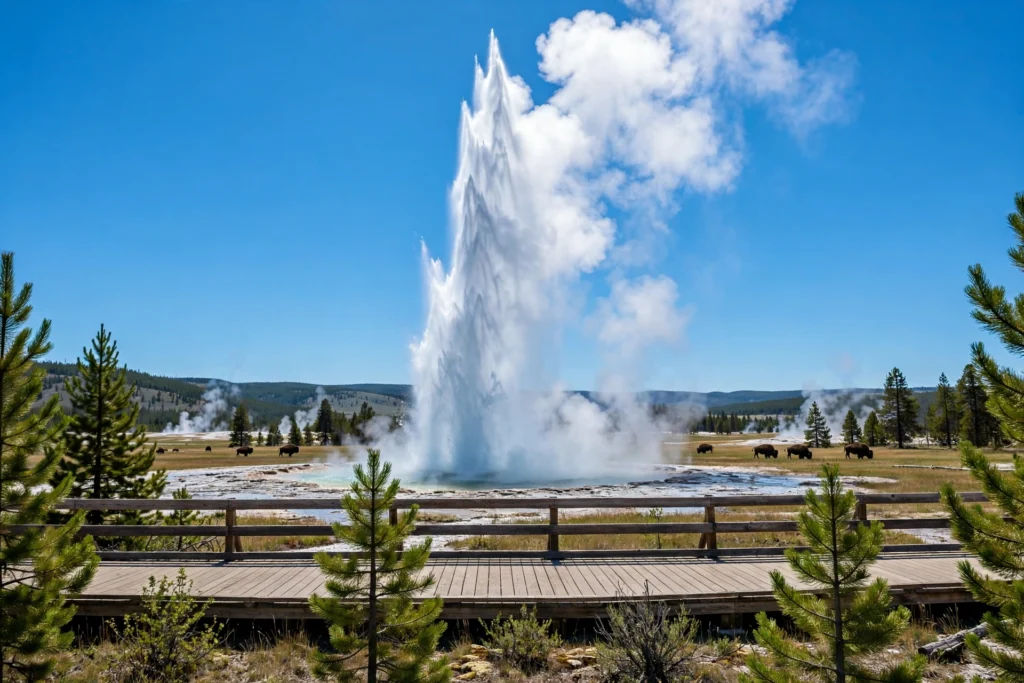
The United States has 63 national parks, and the best travel destinations for nature are the ones where the scenery is matched by workable logistics: somewhere to stay, a road that gets you there, and a season when the park is actually open. The six below are the strongest picks for 2026–27. A national parks road trip is also one of the most affordable destinations in the country once you have the America the Beautiful annual pass — $80 for US residents and $250 for non-residents, according to the National Park Service’s own entrance passes page. The pass covers entrance fees at all federal recreation lands for a year and pays for itself after two or three parks.
Yellowstone and Grand Teton — the best wildlife trip in the USA
Yellowstone and Grand Teton create one of America’s best nature routes, with geysers, wildlife, lakes, peaks, scenic drives and family-friendly stops. Old Faithful, the Grand Prismatic Spring, the Lamar Valley’s wolves and bison, and the Tetons’ mountain lakes are all within a single week’s drive. The best months to visit are June to September; the park’s high elevation means snow can linger into June and return in September, and most park roads are closed in winter. Plan five to seven days and budget $120–$220 per person per day. Book lodging inside the park at least six months ahead — the lodges sell out by February for summer dates — and arrive at popular viewpoints before 8am in July, when queues can stretch to two hours later in the day. Our full Yellowstone travel guide covers entrances, geyser basins, wildlife safety and where to stay.
Grand Canyon — the most awe-inspiring single view in the USA
No photograph prepares you for the Grand Canyon. Standing at the South Rim and looking into a gorge a mile deep is one of travel’s most powerful experiences, and the South Rim’s Bright Angel Trail lets you hike down into the canyon itself. The best months to visit are March to May and September to November, when temperatures are manageable; summer at the rim is hot and the inner canyon is dangerously hot. The North Rim, open roughly May to October, is quieter and arguably offers better views. Plan three to four days and budget $80–$160 per person per day — the canyon is one of the most affordable destinations on this list, especially if you camp at Mather Campground and cook your own meals.
Utah’s Mighty 5 — the best national parks road trip
Utah’s five national parks — Zion, Bryce Canyon, Capitol Reef, Canyonlands and Arches — form one of America’s best road trips, with arches, canyons, hoodoos, scenic drives and hiking in a compact regional loop. The best months to visit are March to May and September to October; summer heat and crowds are serious. Plan six to ten days, base yourself in Moab and Springdale, and budget $90–$170 per person per day. The classic mistake is trying to do all five parks too quickly — two days per park is the minimum that does them justice. Note that Angels Landing in Zion requires a permit lottery through recreation.gov, so apply well before you travel.
Yosemite — the best waterfall and granite scenery
Yosemite’s granite domes, waterfalls and giant sequoias rival any mountain scenery on Earth. The best months to visit are May to June, when the waterfalls are at their fullest after the snowmelt, and September to October, when the crowds thin and the light turns golden. Plan three to five days and budget $110–$200 per person per day. Check whether a timed-entry reservation is required for your dates on recreation.gov before you drive there — Yosemite has used reservation systems in recent years and the rules change by season.
Great Smoky Mountains — the best affordable national park
The Great Smoky Mountains are the most visited national park in the country, and the most affordable: there is no entrance fee, the scenery is superb, and the gateway towns of Gatlinburg and Cherokee offer cheap lodging and food. The best months to visit are April to June for wildflowers and October for fall colour, when the mountains turn red and gold. Plan three to five days and budget $70–$130 per person per day — the lowest planning figure of any park on this list. Go on a weekday if you can; October weekends are the busiest of the year.
Glacier National Park — the best mountain scenery in the lower 48
Glacier’s Going-to-the-Sun Road, alpine lakes and sharp peaks are the closest thing to the Alps in the United States. The best months to visit are July to September, when the road is fully open and the trails are snow-free; the season is short, so book lodging a year ahead if you can. Plan four to six days and budget $100–$180 per person per day. Check the park’s vehicle reservation requirements before you go, as the Sun Road has used timed entry in recent seasons.
Underrated nature pick: Great Sand Dunes National Park, Colorado. The tallest sand dunes in North America rise against the Sangre de Cristo mountains, and you can sandboard, hike and stargaze in one of the darkest skies in the country. Best months: May to June and September to October. Trip length: two to three days. Budget: $80–$140 per person per day as a planning figure.
Best Beach Travel Destinations

Beach trips split into two kinds: the resort beach, where you pay for comfort and scenery, and the quiet beach, where you pay for space and simplicity. The best beach travel destinations below cover both, with the best months to visit and a planning budget for each. A note on hurricanes: the Atlantic hurricane season runs June to November, with the highest risk in August and September. Hawaii and the Pacific coast are not affected, but Florida, the Gulf and the Caribbean need travel insurance and flexible bookings in late summer.
Kauai, Hawaii — the best beach-and-nature island
Kauai is the greenest and quietest of the main Hawaiian islands, and the best choice if you want beaches and dramatic nature in one trip. The Na Pali Coast, Waimea Canyon, Hanalei Bay and the island’s north-shore beaches are the strongest combination of coast and mountains in the state. The best months to visit are April to June and September to October, when the weather is settled and the crowds are thinner than in winter or summer. Plan seven to ten days and budget $200–$320 per person per day — Hawaii is the most expensive domestic beach destination, and lodging is the biggest cost. Book accommodation and any rental car months ahead; both sell out in peak season. Our full Kauai travel guide covers the north and south shores, hiking, beaches and costs in detail.
Cabo San Lucas, Mexico — the best-value sunny beach escape
Cabo pairs desert, sea and a lively town in one compact destination, and it is the best-value international beach on this list. The best months to visit are November to April, the dry season, when the days are warm and the evenings are cool. Plan four to seven days and budget $120–$220 per person per day as a planning figure. The town is walkable, the beaches at Medano are swimmable, and day trips to San José del Cabo give you a quieter, more local side of the peninsula. Our full Cabo travel guide covers safety, beaches, costs and where to stay, including the current travel advisory position for Baja California Sur.
Florida Keys — the best drive-to beach trip
The Florida Keys are the only place in the continental USA where you can drive from island to island over the sea, on the Overseas Highway from Key Largo to Key West. The snorkelling on the only living coral barrier reef in the continental USA, the fishing, the sunsets at Mallory Square and the laid-back pace make it a complete beach holiday without a flight to the Caribbean. The best months to visit are December to April, the dry season; summer is hot, humid and carries hurricane risk. Plan four to six days and budget $180–$300 per person per day. Key West is the most expensive stop, so split your stay between the middle Keys and Key West to keep costs down.
Outer Banks, North Carolina — the best affordable beach
The Outer Banks offer wide, uncrowded beaches, wild horses, lighthouses and the Wright Brothers National Memorial, at significantly lower costs than Florida’s Gulf Coast or the Hamptons. The best months to visit are May to June and September to October, when the water is warm enough to swim and the summer crowds have gone. Plan four to six days and budget $100–$180 per person per day. Rent a house with a kitchen and a group of friends or family and the per-person cost drops further — this is one of the most affordable destinations on the whole list.
Underrated beach pick: Melbourne Beach, Florida. A quiet Atlantic barrier-island town with wide beaches, sea-turtle nesting in summer and none of the crowds of Miami or Orlando. Best months: March to May and October to November. Trip length: three to five days. Budget: $110–$180 per person per day as a planning figure.
Best Food Travel Destinations

Food is the most reliable reason to choose a destination: a great food city delivers from the first meal, whatever the weather. The best food travel destinations below are places where the food is a culture, not a scene — where a plate of something local tells you where you are. All four are also genuinely affordable destinations by American city standards, which is part of their appeal.
New Orleans — the best food city in the USA
New Orleans is the strongest food city in the country relative to its size. French, Spanish, African and Caribbean influences have created a food culture unlike anywhere else in the USA: gumbo, jambalaya, po’boys, red beans and rice, beignets at Café du Monde at 7am before the crowds arrive, and a fine-dining scene that rewards a special-occasion lunch. The best months to visit are February to April and October to November, when the weather is pleasant and the festival calendar is full. Plan three to five days and budget $110–$190 per person per day. Eat on Frenchmen Street rather than Bourbon Street for better music and no tourist markup, and walk the Garden District between meals — the city is best experienced slowly, on foot, with an open itinerary and an empty stomach.
Nashville — the best food-and-music weekend
Nashville’s hot chicken, barbecue, meat-and-threes and a live-music scene that runs from breakfast to midnight make it one of the most fun food weekends in the country. Broadway’s honky-tonks are the famous face of the city, but the real food is in the neighbourhoods — East Nashville, Germantown and 12 South — where the restaurants are better and the prices are lower. The best months to visit are April to June and September to October. Plan three to four days and budget $120–$200 per person per day. Go on a weekday if you can: weekend hotel rates spike, and the best tables book out.
Santa Fe — the best food city most travellers miss
Santa Fe’s food is a cuisine in its own right: New Mexican dishes built on green and red chile, blue corn, posole and sopapillas, served in adobe restaurants under a high desert sky. Add a serious art scene, the oldest church in the USA and the nearby pueblos, and you have a food trip with real depth. The best months to visit are April to June and September to October, when the light is clear and the air is warm. Plan three to four days and budget $130–$210 per person per day. Ask for your chile “Christmas style” — half red, half green — and you will eat like a local.
Savannah — the best walkable food city
Savannah pairs a compact, walkable historic district with a food scene that has quietly become one of the South’s best: low-country cooking, fresh seafood, shrimp and grits, and a growing list of chef-led restaurants in the squares. The best months to visit are March to May and October to November. Plan three to four days and budget $130–$210 per person per day. The city rewards slow walking — the grid of oak-lined squares is the attraction, and the best meals are often found a few streets from the riverfront crowds.
Underrated food pick: Albuquerque, New Mexico. The same New Mexican food culture as Santa Fe, at lower prices, with Old Town, the Sandia mountains and a genuine local scene that has not been polished for tourists. Best months: March to May and September to October. Trip length: three to four days. Budget: $80–$140 per person per day as a planning figure — one of the most affordable destinations in the country.
Best Road Trip Destinations
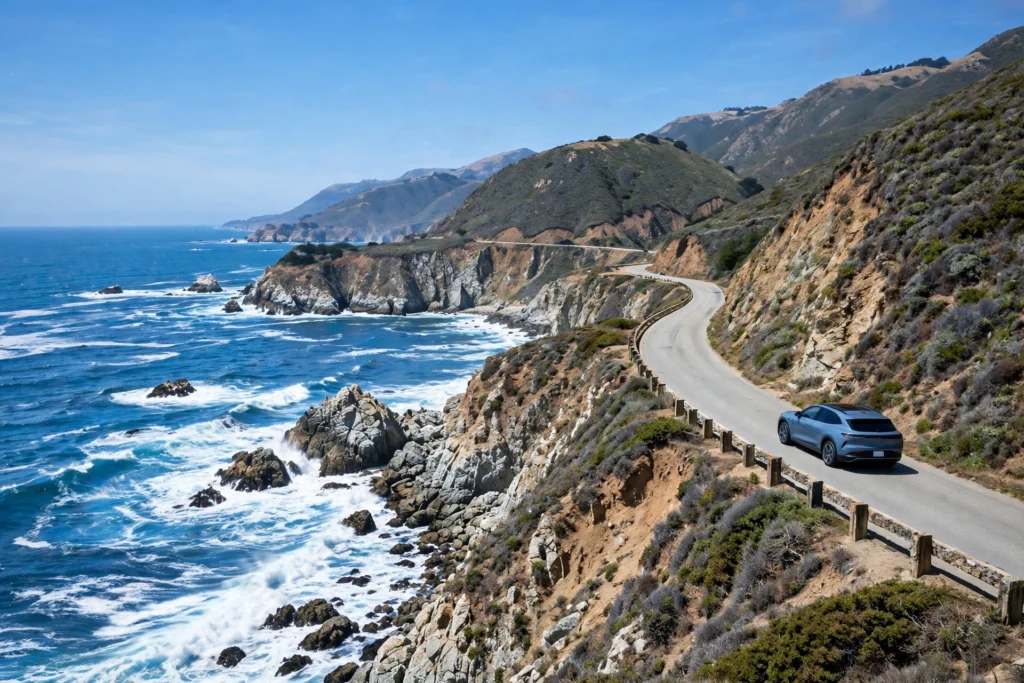
A national parks road trip is the best-value way to see the American West, and a road trip in general is the trip style where the journey is the destination. The three routes below are the strongest for 2026–27, each with a different character: coast, desert and mountains. All three are best in spring and fall, when the driving is comfortable and the crowds are thin. Budget for a rental car, fuel, lodging and food — a planning figure of $100–$220 per person per day covers most of these routes for two people sharing a car and a room.
Pacific Coast Highway — the best coastal drive in the world
California’s Highway 1 along the Pacific Coast is one of the world’s great road trips. Driving south from San Francisco through Big Sur’s dramatic cliffs and redwood groves to Los Angeles passes sea otters in Monterey Bay, Hearst Castle and beach towns like Santa Barbara. The best months to visit are May to June and September to October, when the fog is lightest and the light is best. Allow five to seven days for the full drive, stopping at Big Sur, Carmel, Hearst Castle and Santa Barbara rather than rushing it in two. Budget $130–$220 per person per day as a planning figure. Drive south to north or north to south — southbound puts you on the ocean side of the road, which is the better view.
Route 66 — the best Americana road trip
Route 66 from Chicago to Santa Monica is a 2,400-mile commitment, and most people do the western half — Albuquerque to Los Angeles — in a week. The route runs through diners, desert towns, neon signs, Americana museums and Southwest landscapes, and it is the best road trip for travellers who want the road itself to be the attraction. The best months to visit are April to May and September to October, when the desert is warm but not dangerously hot. Plan seven to fourteen days for the full route, or seven days for the western half, and budget $100–$180 per person per day. The route is no longer a single continuous highway, so use a current Route 66 guide or map rather than relying on road signs alone.
Blue Ridge Parkway — the best fall road trip
The Blue Ridge Parkway runs 469 miles through the Appalachian mountains from Virginia to North Carolina, and it is the best fall-colour drive in the country. The best months to visit are April to June for wildflowers and October for the fall foliage, when the mountains turn red, orange and gold. Plan four to seven days and budget $80–$140 per person per day — one of the most affordable destinations on this list, since the parkway itself is free and the mountain towns along it are cheap. Stop at Asheville for food and art, hike a section of the Appalachian Trail, and drive slowly: the speed limit is 45 mph and the views are the point.
Underrated road trip pick: The Oregon Coast, US-101 from Astoria to Brookings. Sea stacks, lighthouses, fishing towns, sand dunes and tide pools, with far fewer cars than the California coast. Best months: July to September. Trip length: four to six days. Budget: $110–$180 per person per day as a planning figure.
Best Travel Destinations for Families

The best travel destinations for families are the ones where children of different ages all find something to do, where the logistics are simple, and where the adults enjoy themselves too. The three below are the strongest family picks for 2026–27, plus the family lens on two places already in this guide. For a fuller family-by-age breakdown, our guide to the best places to travel with a baby covers sixteen destinations matched to age, season and budget.
Orlando — the best family trip in the USA
Orlando is the obvious answer for families, and it earns it. Walt Disney World alone is a four-to-seven-day destination depending on how many parks you tackle, and Universal Studios adds another two days. The best months to visit are January to March and September to November, when the heat and the crowds ease. Plan four to seven days and budget $150–$250 per person per day as a planning figure — and note that park admission alone can run $120–$150 per person per day, before food or accommodation, so the real cost of an Orlando trip is higher than the headline hotel price suggests. Stay on-site or on International Drive, use the parks’ free transport where you can, and build a rest day into the middle of the trip: children (and parents) burn out faster than the itinerary assumes.
San Diego — the best family trip that adults love too
San Diego is the family destination that does not feel like a compromise. The zoo, the beaches, Balboa Park’s museums, the USS Midway and the easygoing weather give children plenty to do while the adults get a genuinely pleasant city. The best months to visit are March to June and September to October. Plan four to six days and budget $140–$220 per person per day. The city is compact and the light rail and buses work well, so you can skip the rental car if you stay centrally.
Boston — the best family city for older children
Boston rewards families with children aged eight and up: the Freedom Trail, the Museum of Science, the New England Aquarium, Fenway Park and the harbour islands are all within walking distance or a short ferry ride. The best months to visit are May to June and September to October. Plan three to five days and budget $150–$240 per person per day. Stay in the Back Bay or Cambridge and walk everywhere — the city is small, and the T subway covers the rest.
Two more family picks from this guide
Washington DC is the best-value family city in the country: the Smithsonian’s museums are free, the National Mall is walkable, and the National Zoo can fill a full day without spending a cent on entry. Best for families with children aged six and up, best months March to May and September to November, three to five days, $130–$220 per person per day.
Yellowstone is the best family national park: geysers, bison herds and short boardwalk trails that even young children can manage, plus junior ranger programmes that keep children engaged. Best for families with children aged eight and up who can handle moderate trails, best months June to September, five to seven days, $120–$220 per person per day. Book lodging inside the park at least six months ahead.
Underrated family pick: Buffalo and Niagara Falls, New York. The falls themselves are free to view from the American side, the state park is excellent, and Buffalo’s food, museums and waterfront are a genuine surprise. Best months: May to June and September to October. Trip length: three to four days. Budget: $100–$170 per person per day as a planning figure.
Best Travel Destinations for Couples

The best travel destinations for couples are the ones that reward slowing down: walkable streets, good food, a view worth sitting with, and nothing that needs to be rushed. The three below are the strongest couples picks for 2026–27, each with a different mood — historic and romantic, wine country, and wild coast.
Savannah — the most romantic walkable city in the USA
Savannah’s grid of oak-lined squares, Spanish moss, historic houses and slow Southern pace makes it the most romantic walkable city in the country. The city is compact enough to cover on foot over a long weekend, and the historic district hotels, rooftop bars and riverfront walks are built for two people with nowhere to be. The best months to visit are March to May and October to November, when the weather is gentle and the squares are at their best. Plan three to four days and budget $130–$210 per person per day. Stay in the historic district, eat in the squares rather than on the riverfront, and take a sunset river cruise on your last evening.
Napa Valley — the best wine-country couples trip
Napa Valley is the luxury option among US travel destinations for couples that actually delivers. Small-batch wineries, farm-to-table restaurants and quiet backroads for cycling make it a trip built for two, and the valley’s infrastructure for couples is excellent. The best months to visit are September to October, during the grape harvest, and April to May, when the mustard flowers are out. Plan two to four days and budget $250–$400 per person per day as a planning figure — a tasting at a mid-tier winery runs $50–$100 per person, so the costs add up quickly. Book tastings ahead, hire a driver or use a wine-tour service, and avoid weekends from May through October if you want the relaxed version: the valley gets genuinely congested.
Bar Harbor and Acadia — the best coastal couples trip
Coastal Maine between Portland and Acadia National Park is one of the most underused couples destinations in the country. Acadia has 45 miles of carriage roads closed to motor vehicles, excellent kayaking in Frenchman Bay, and a rocky, dramatic coastline that looks nothing like the rest of the East Coast. Bar Harbor is the base town — small, manageable, and best visited in September, when the summer crowds have cleared. The best months to visit are June to September. Plan four to five days and budget $140–$230 per person per day. Cycle the carriage roads at sunrise, eat lobster from a roadside shack, and watch the sunset from Cadillac Mountain.
Two more couples picks from this guide
Charleston is the best couples city break for food and history: historic streets, waterfront walks, gardens and a food scene that rewards a long, slow dinner. Best months March to May and September to November, three to four days, $150–$250 per person per day. If you want the luxury version of this trip, our luxury travel destinations guide covers the high end in detail.
New Orleans is the best couples city for food and music: jazz on Frenchmen Street, a special-occasion lunch at a grand old restaurant, and a city that is at its best after dark. Best months February to April and October to November, three to five days, $110–$190 per person per day.
Underrated couples pick: Door County, Wisconsin. Cherry orchards, lighthouses, lake sunsets, fish boils and small-town galleries on a peninsula between Green Bay and Lake Michigan. Best months: May to June and September to October, when the fall colour arrives. Trip length: three to five days. Budget: $110–$180 per person per day as a planning figure.
Most Affordable Travel Destinations

The cheapest US travel destinations are not always the smallest cities. The most affordable destinations on this list are places where a major city, a serious food culture or a national park loop is available at a fraction of the cost of the famous alternatives. All of the budgets below are planning figures per person per day, and all of them assume you travel in spring or fall, stay outside the most expensive neighbourhoods, and eat at least one meal a day where locals eat.
Albuquerque — the most affordable city break in the Southwest
Albuquerque is the cheapest strong city trip in the Southwest. Low accommodation costs, a walkable Old Town, the Sandia mountains on the doorstep and a short drive to Taos and Santa Fe make it a genuine three-to-four-day destination rather than a stopover. The best months to visit are March to May and September to October; October brings the International Balloon Fiesta, when the skies fill with hundreds of hot-air balloons and hotel prices rise, so book early if you go then. Budget $80–$140 per person per day as a planning figure. Eat New Mexican food — green chile, sopapillas, blue corn — and you will eat well for very little.
Memphis — the most affordable music and food city
Memphis gives you Beale Street’s live music, the National Civil Rights Museum, Sun Studio, barbecue that is a cuisine in its own right, and a riverfront, for less than almost any other American city with a real culture. The best months to visit are April to May and September to October. Plan two to four days and budget $90–$150 per person per day. The city is best explored by car, and the hotels downtown and in Midtown are good value by national standards.
New Orleans — the most affordable big food city
New Orleans appears in this guide twice because it earns it: it is both one of the best food destinations and one of the most affordable destinations in the country. Free street entertainment in the French Quarter, cheap local food, walkable neighbourhoods and a music scene that costs nothing to stand outside and hear make it possible to spend a full day in the city paying for nothing except food. The best months to visit are February to April and October to November. Plan three to five days and budget $110–$190 per person per day. Skip Bourbon Street for nightlife and go to Frenchmen Street instead: better music, no tourist markup.
The Southwest national parks road trip — the most affordable nature trip
A seven-day loop covering the Grand Canyon, Zion, Bryce Canyon and Arches costs roughly $80–$120 per person per day for two people, including a rental car, campsite fees and groceries, if you camp and cook your own meals. The America the Beautiful annual pass ($80 for US residents, $250 for non-residents) covers entrance fees to all the parks on the route and pays for itself after two parks. The best months to visit are March to May and September to October. This is the best-value nature trip in the country by a wide margin, and the reason the national parks road trip appears in every serious budget list.
How to keep any destination affordable
Five habits cut the cost of almost any trip on this list. Travel in spring or fall instead of summer. Stay in a neighbourhood one subway stop from the centre, not in it. Eat one sit-down meal a day and make the other two casual. Use free attractions — national park viewpoints, Smithsonian museums, beaches, markets, neighbourhood walks — as the backbone of the day and pay for one thing, not five. And book the scarce thing early: flights six to eight weeks out, park lodging six months out, and Hawaii stays as early as you can. Our how to prepare a travel budget guide works through the full method, and our travel itinerary template gives you a day-by-day structure to plan around.
Underrated affordable pick: Buffalo, New York. A genuine food city — Buffalo wings were invented here — with a restored waterfront, Frank Lloyd Wright houses, the Albright-Knox art museum and Niagara Falls half an hour away. Best months: May to June and September to October. Trip length: two to four days. Budget: $90–$150 per person per day as a planning figure.
Underrated and Hidden Gem Travel Destinations

Every year a few destinations break out — the places the data watchers call “ones to watch” — while the famous lists repeat the same ten cities. The hidden gems below are the underrated picks for 2026–27: places that deliver a comparable experience to a famous destination at a fraction of the price and the crowds. Each one is the underrated pick of its category, and each one is worth a trip in its own right rather than as a consolation prize.
Stowe, Vermont — the underrated mountain town
Stowe is the best mountain town most travellers outside New England have never considered. In summer it offers hiking, mountain biking and farm-to-table food under the Green Mountains; in winter it is one of the East Coast’s best ski towns; in October the fall colour is as good as anywhere in the country. The best months to visit are June to October for hiking and December to March for skiing. Plan three to five days and budget $150–$250 per person per day as a planning figure. It was the top-ranked US destination in one data-backed 2026 ranking, and it still feels like a discovery.
Paso Robles, California — the underrated wine region
Paso Robles has the wine, the food and the scenery of Napa Valley at roughly half the price and a fraction of the crowds. More than 200 wineries, many of them small and family-run, sit among rolling oak-covered hills halfway between San Francisco and Los Angeles. The best months to visit are March to May and September to November. Plan two to four days and budget $140–$220 per person per day. Tastings are cheaper and more personal than in Napa, and the town itself is worth an evening.
Melbourne Beach, Florida — the underrated beach town
Melbourne Beach is a quiet Atlantic barrier-island town with wide beaches, sea-turtle nesting in summer, good fishing and none of the crowds of Miami or Orlando. It is the beach for travellers who want the Florida coast without the Florida crowds. The best months to visit are March to May and October to November. Plan three to five days and budget $110–$180 per person per day as a planning figure.
Kohala Coast, Hawaii — the underrated Hawaiian coast
The Kohala Coast on the Big Island of Hawaii is the quiet side of Hawaii: black-sand beaches, lava fields, ancient Hawaiian temples, snorkelling with manta rays and some of the best stargazing in the country, without the crowds of Waikiki or the prices of Maui’s resort strip. The best months to visit are April to June and September to November. Plan five to seven days and budget $200–$320 per person per day as a planning figure. Pair it with Hawaii Volcanoes National Park, a two-hour drive away, for a complete Big Island trip.
Door County, Wisconsin — the underrated lakes escape
Door County is a peninsula between Green Bay and Lake Michigan with cherry orchards, lighthouses, lake sunsets, fish boils and small-town galleries. It is the Midwest’s answer to the Maine coast, at Midwest prices. The best months to visit are May to June and September to October, when the fall colour arrives and the summer crowds have gone. Plan three to five days and budget $110–$180 per person per day as a planning figure.
Why hidden gems matter
The point of an underrated destination is not that it is empty — it is that it is good enough to be famous and has not yet become expensive. The trade-off is real: fewer direct flights, fewer hotel choices and less infrastructure than the famous alternative. The reward is also real: lower prices, shorter queues, and the feeling of having found something rather than having queued for it. Go to the hidden gem in its best months, book the best lodging early, and you get the famous experience at the undiscovered price.
Best International Travel Destinations for 2026–27

The best travel destinations are not all in the USA, and the strongest international picks for 2026–27 are the ones where the value, the timing and the logistics line up for American travellers. Each of the five below is covered here in its practical lens — the best months to visit, what it costs per day on the ground, and how long it needs — rather than as a dream. Flights are excluded from the daily budgets, since they vary too much by departure city and season to quote honestly.
A practical note before you book anything international: check the entry rules for your destination on the US State Department’s travel advisories page and on the destination’s own official immigration site. Citizens of Visa Waiver Program countries visiting the USA need an ESTA instead of a visa; the fee is now about $41 per person — it rose from $21 on 30 September 2025 and was $40.62 from 16 October 2026 — so apply only on the official site at esta.cbp.dhs.gov and check the live figure on the day you apply. For the reverse direction, Americans travelling abroad should check whether the destination needs a visa, an eTA or an entry authorisation, and apply well ahead.
Japan — Kyoto and Tokyo
Japan remains the strongest international destination for American travellers: ancient temples and cutting-edge cities in the same trip, extraordinary food at every price, and a transport system that makes independent travel easy. Kyoto’s temples and gardens, Tokyo’s neighbourhoods and food, and the bullet train between them are the classic first trip. The best months to visit are March to May, for cherry blossom season, and October to November, for autumn colour and clear skies. Plan ten to fourteen days and budget $120–$200 per person per day on the ground as a planning figure. Our full guide to how much to travel to Japan breaks down flights, rail passes, hotels and daily costs in detail.
Portugal — Lisbon and Porto
Portugal is the best-value destination in Western Europe for American travellers: Atlantic light, historic cities, great food and wine, and prices well below France, Italy or the UK. Lisbon’s hills and trams, Porto’s riverfront and port wine, and the Algarve’s beaches make a complete ten-day trip. The best months to visit are April to June and September to October. Plan seven to ten days and budget $100–$170 per person per day on the ground as a planning figure. Our full Lisbon travel guide covers costs, where to stay and what to skip — read it as the Lisbon half of this trip, with Porto as the second city.
Costa Rica — the best nature trip abroad
Costa Rica packs rainforest, volcanoes, cloud forest, beaches on two oceans and more wildlife per square mile than almost anywhere on Earth into a country smaller than West Virginia. It is the best international nature trip for travellers who want adventure without a long-haul flight: most US cities reach San José in under six hours. The best months to visit are December to April, the dry season. Plan seven to ten days and budget $90–$160 per person per day on the ground as a planning figure. Base yourself in two places — Arenal for the volcano and hot springs, and Manuel Antonio or the Osa Peninsula for the coast and wildlife — rather than trying to see the whole country in one week.
Greece — Crete and Athens
Greece offers ancient history, island beaches and Mediterranean food at prices that still undercut Italy and France. Athens gives you the Acropolis and a food scene that has quietly become one of Europe’s best; Crete gives you beaches, gorges, mountain villages and a food culture of its own. The best months to visit are May to June and September to October, when the sea is warm, the crowds are thin and the heat is manageable. Plan seven to ten days and budget $110–$180 per person per day on the ground as a planning figure. Take the ferry between islands rather than flying — it is cheaper, slower in the best way, and the views are part of the trip.
Iceland — the best short international nature trip
Iceland is the closest thing to another planet within a five-hour flight of the East Coast: waterfalls, black-sand beaches, glaciers, geysers and the northern lights in winter. The best months to visit are June to September, when the Ring Road is fully open and the days are long; winter brings the aurora but also short days and difficult driving. Plan five to seven days and budget $180–$280 per person per day on the ground as a planning figure — Iceland is expensive, and car hire, fuel and food are the biggest costs. Our Iceland travel itinerary covers the Ring Road day by day, and our Iceland solo travel guide covers the practical side of travelling the island independently.
Two more international picks worth a mention
Rio de Janeiro, Brazil, is the best city-beach combination in South America: Copacabana and Ipanema, Sugarloaf and Christ the Redeemer, samba and street food in a single city. The best months to visit are May to September, the dry season. Plan five to seven days and budget $90–$160 per person per day on the ground. Our full Rio de Janeiro travel guide covers safety, beaches, costs and the current entry rules for US citizens.
Venice, Italy, is the best short European city break for first-time visitors to Italy — but only in the right months. The best time to visit is April to May and September to October; summer is crowded and hot, and winter brings high water. Plan three to four days and budget $150–$250 per person per day. Our full Venice travel guide covers the access fee, costs and what to skip.
The Best Time to Visit: A Month-by-Month Guide
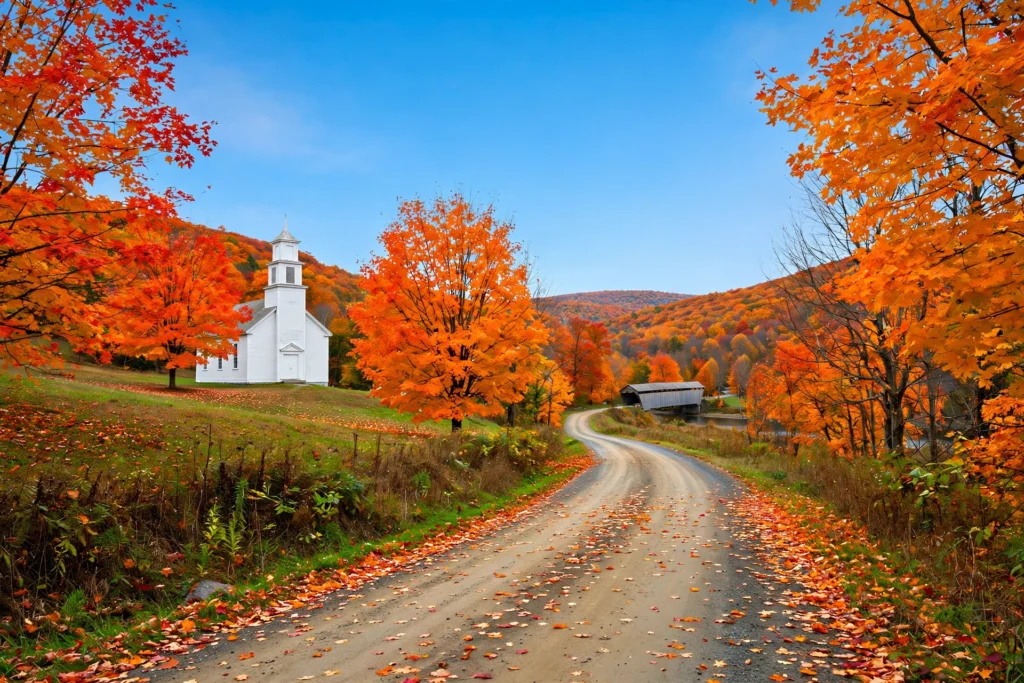
The best time to visit a place is the single most useful fact in this whole guide, because the same destination in the right month and the wrong month can feel like two different trips. Spring and fall are the sweet spots for most US destinations — March to May and September to November bring better weather, thinner crowds and lower hotel rates than peak summer. The exceptions matter: the high mountains need summer, the far north needs summer, and Florida and Hawaii are best in the winter dry season.
Month by month: where to go and when
| Month | Go here | Why now | Avoid |
|---|---|---|---|
| January | Orlando, Cabo, Florida Keys | Warm, dry, fewer crowds | Northern cities, mountain parks (snow, closures) |
| February | New Orleans, Cabo, Costa Rica | Carnival season, dry season | The Midwest and Northeast (cold, short days) |
| March | Washington DC, Austin, Portugal | Cherry blossom, SXSW season, spring in Europe | Utah deserts (wind), the far north (mud season) |
| April | New York, Charleston, Japan | Cherry blossom, mild weather, spring festivals | The desert Southwest (heat building), Florida (spring break crowds) |
| May | San Francisco, Yosemite, Greece | Waterfalls at fullest, warm seas, mild cities | The Deep South (humidity rising) |
| June | Yellowstone, Glacier, Maine coast | Parks fully open, long days, cool coast | The desert Southwest (extreme heat), Orlando (humidity) |
| July | Seattle, Pacific Northwest, Glacier | Driest months, mountain trails open | The desert parks, the Deep South, Florida (storms) |
| August | Maine coast, San Francisco, Iceland | Warm coast, long days, Iceland at its best | The desert, the Gulf Coast (hurricane peak), crowded Europe |
| September | Napa Valley, Bar Harbor, Utah parks | Harvest season, crowds gone, desert cooling | The Gulf Coast and Florida (hurricane peak) |
| October | New England, Blue Ridge Parkway, Santa Fe | Fall colour at its best, clear desert air | The far north (snow arriving), hurricane coast |
| November | Cabo, Florida Keys, Costa Rica | Dry season starting, warm seas, low crowds | The Northeast and Midwest (cold, grey) |
| December | Florida Keys, Hawaii, Christmas cities | Warm escapes, festive cities, dry season | The mountains unless you ski, the desert at night (cold) |
For the January picture in more detail, our guide to the best places to travel in January covers the winter options month by month, and our Christmas travel guide covers the festive cities and markets if December is your window.
When to avoid the crowds
Three rules keep you out of the worst crowds. First, avoid school holidays if you can — spring break in March, the weeks around Easter, and the stretch from mid-June to mid-August are the busiest times at beaches, theme parks and national parks. Second, avoid festival weekends in the city you are visiting unless the festival is the reason you are going: Mardi Gras in New Orleans, the Balloon Fiesta in Albuquerque and cherry blossom in Washington DC all double hotel prices. Third, arrive early in the day at the famous viewpoint: Yellowstone’s South Entrance before 8am in July, the Grand Canyon’s South Rim at sunrise, and the popular trailheads before 9am will save you hours of queuing.
How Long to Stay and What It Costs: Planning Your Trip

Two questions decide whether a trip works: how long do you need, and what will it cost? Get either one wrong and the trip feels rushed or overpriced. The tables below give you both answers for every trip style in this guide, as planning figures you can use to compare options before you book.
Trip length by trip style
| Trip style | Ideal length | Why | Example |
|---|---|---|---|
| City break | 3–5 days | Enough for the main sights plus one slow day | Chicago, Charleston, Boston |
| Big city trip | 4–6 days | A big city needs a full working week to breathe | New York, San Francisco |
| National park trip | 5–7 days | One park properly, or two parks at a push | Yellowstone, Yosemite |
| National parks road trip | 7–14 days | The driving is part of the trip, not the overhead | Utah’s Mighty 5, Route 66 |
| Beach holiday | 4–7 days | Three days to unwind, then the holiday starts | Outer Banks, Florida Keys |
| Island holiday | 7–10 days | Islands punish short trips with transit time | Kauai, Hawaii, Crete |
| Food weekend | 3–4 days | Three dinners and two lunches is the right dose | New Orleans, Nashville |
| Family theme-park trip | 4–7 days | Four park days plus a rest day in the middle | Orlando |
| International trip | 7–14 days | The flight costs too much to waste on a weekend | Japan, Portugal, Costa Rica |
| Couples escape | 3–5 days | Long enough to slow down, short enough to afford | Savannah, Napa, Bar Harbor |
The most common planning mistake is the opposite one: trying to see too much. A week that covers three cities and two parks is not a richer trip than a week in one place — it is a week spent in transit. Pick one base, add one day trip, and leave the rest for next time.
What a trip costs by style
| Trip style | Budget per person per day* | Where the money goes |
|---|---|---|
| Budget road trip / camping | $80–$120 | Rental car, campsites, groceries |
| Affordable city trip | $90–$150 | Hotel, casual food, transit |
| Mid-range city trip | $130–$220 | Hotel, one sit-down meal, entry fees |
| Expensive city trip | $200–$350 | Hotel, restaurants, shows, taxis |
| Beach holiday | $100–$320 | Lodging dominates; food and activities vary |
| National park trip | $80–$220 | Lodging and car; the parks themselves are cheap |
| Family theme-park trip | $150–$250 | Park tickets are the biggest single cost |
| Couples wine / luxury trip | $250–$400 | Tastings, fine dining, boutique hotels |
| International (on the ground) | $90–$280 | Varies most by country; flights excluded |
*Planning figures, excluding international flights. Your real number depends on season, lodging choices and how much you eat out.
The booking order that saves money
Book in this order and you will spend less and worry less. First, the scarce thing: lodging inside a national park, on a small island, or in a small town in peak season. Second, flights, six to eight weeks out for the best domestic fares. Third, the rental car, which is often cheaper booked early and picked up off-airport. Fourth, the timed entries and permits: park reservations on recreation.gov, popular museum tickets, and wine tastings. Last, the restaurants and activities you can change. And check your passport before any of it: many countries require a passport valid for at least six months beyond your travel dates, and the requirement is set by the destination country, not by the USA. Our guide to what a travel document number is explains the passport and document rules in full.
Mistakes to Avoid When Choosing a Travel Destination

Most bad trips are not caused by bad destinations. They are caused by five avoidable mistakes, and this guide exists to help you skip all of them.
Mistake one: choosing the destination before the month. The best travel destinations are only the best in their best months. Venice in August, the Grand Canyon in July, New Orleans in August and Yellowstone in January are all trips that look fine on a list and feel wrong on the ground. Fix the month first, then pick the place that is at its best then.
Mistake two: trusting a flat ranking. A list that ranks New York above the Grand Canyon tells you nothing about which one fits your trip. Rank by trip style instead: the best city, the best nature, the best beach, the best food. That is how this guide is built, and it is the only ranking that survives contact with a real calendar and a real budget.
Mistake three: underestimating transit time. An island trip of four days is really two days once you count the flights. A road trip that covers five parks in five days is really a driving trip with five photo stops. Give each place the days in the trip-length table above, and cut a destination rather than cutting a day.
Mistake four: booking the flight before the scarce thing. National park lodges, Hawaii stays, Maine summer towns and holiday city hotels sell out months ahead, and a cheap flight to a place with no room is not a bargain. Book lodging first, then the flight, then the car, then the timed entries.
Mistake five: forgetting the entry rules and the weather risk. Check the State Department’s travel advisories for international trips, check whether your destination needs a visa, an ESTA or an entry authorisation, and check the hurricane season before booking a beach in late summer. Travel insurance is not exciting, but it is the cheapest part of the trip and the one that saves it.
Avoid those five mistakes, pick your trip style from the table at the top of this guide, and the best travel destinations for your trip will choose themselves.
Frequently Asked Questions About the Best Travel Destinations
What are the best travel destinations in the world for 2026?
The strongest all-round picks for 2026 are New York City for a first big city trip, Yellowstone and the Grand Canyon for nature, Kauai for beaches, New Orleans for food, and Japan and Portugal for international trips. The right answer depends on your trip style, your month and your budget — this guide ranks 40 destinations by all three, so start with the table at the top.
What is the best travel destination for a first trip to the USA?
New York City is the best first trip to the USA: four to six days, best months April to June and September to December, and enough food, museums, theatre and neighbourhoods to fill a week. Washington DC is the best-value alternative, and San Francisco is the best choice if you want a city plus coast in one trip.
What are the most affordable travel destinations in the USA?
The most affordable destinations in the USA are Albuquerque ($80–$140 per person per day as a planning figure), Memphis ($90–$150), a Southwest national parks road trip camping and cooking your own meals ($80–$120), the Great Smoky Mountains ($70–$130) and the Blue Ridge Parkway ($80–$140). All of these are best in spring and fall, when prices drop further.
What is the best time to visit the USA?
There is no single best time to visit the USA because the country spans so many climates. Spring (March to May) and fall (September to November) are the sweet spots for most cities, deserts and the South. The high mountains and the far north need summer (June to September), and Florida and Hawaii are best in the winter dry season (December to April). The month-by-month table in this guide shows where to go in each month.
How many days do I need for a good trip?
Three to five days covers a single city well, five to seven days covers a national park or a beach holiday, seven to ten days covers an island or a national parks road trip, and ten to fourteen days covers an international trip like Japan or Portugal. A coast-to-coast trip needs a minimum of three weeks. Shorter than the ranges in this guide and you spend the trip in transit.
What are the best travel destinations for families?
The best travel destinations for families are Orlando for theme parks, Washington DC for free museums, San Diego for beaches and a zoo, Boston for history with older children, and Yellowstone for nature. Orlando needs four to seven days and is the most expensive family pick; Washington DC is the best value because the Smithsonian museums are free.
What are the best travel destinations for couples?
The best travel destinations for couples are Savannah for walkable romance, Napa Valley for wine and food, Bar Harbor and Acadia for coast and seafood, Charleston for food and history, and New Orleans for food and music. Savannah and Charleston are the best value; Napa is the most expensive and needs the most advance booking.
What are the best underrated travel destinations?
The best underrated travel destinations for 2026–27 are Stowe in Vermont, Paso Robles in California wine country, Melbourne Beach in Florida, the Kohala Coast in Hawaii, Door County in Wisconsin, and Great Sand Dunes National Park in Colorado. Each one delivers a comparable experience to a famous destination at a lower price and with fewer crowds.
What are the best beach travel destinations?
The best beach travel destinations are Kauai in Hawaii for scenery, Cabo San Lucas in Mexico for value and sunshine, the Florida Keys for a drive-to island trip, and the Outer Banks in North Carolina for affordable beaches. The best months are April to June and September to October for Hawaii and the Outer Banks, November to April for Cabo, and December to April for the Florida Keys.
What are the best travel destinations for food?
The best food travel destinations in the USA are New Orleans for Creole and Cajun cooking, Nashville for hot chicken and barbecue, Santa Fe for New Mexican cuisine, and Savannah for low-country cooking. All four are also affordable destinations by American city standards, at roughly $110–$210 per person per day as a planning figure.
Do I need a visa to visit the USA?
Citizens of Visa Waiver Program countries can enter the USA for up to 90 days with an ESTA instead of a visa. The ESTA fee is now about $41 per person — it rose from $21 on 30 September 2025 and was $40.62 from 16 October 2026 — so apply only on the official CBP site at esta.cbp.dhs.gov and check the live figure on the day you apply. All other nationalities need a visa from a US embassy. For Americans travelling abroad, check the destination’s own official immigration site well ahead.
Is it cheaper to travel in spring or fall?
For most US destinations, yes: spring (March to May) and fall (September to November) bring lower hotel rates, thinner crowds and better weather than peak summer. The exceptions are the high mountains and the far north, which need summer, and Florida and Hawaii, which are best in the winter dry season. Shoulder season is the single biggest saving available on most trips in this guide.
Conclusion: Pick the Trip, Then Pick the Place
The best travel destinations are not the most famous ones. They are the ones that fit your trip: the right style, the right month, the right budget and the right length. Start with the table at the top of this guide, pick your trip style, check the best months to visit, and book the scarce thing first. New York in April, Yellowstone in June, Kauai in September, New Orleans in October, Japan in November — the place matters less than the timing, and the timing is the part you control.
If you take one thing from this guide, take this: a famous destination in the wrong month is a worse trip than an underrated destination in the right one. Choose the month, choose the style, and let the destination follow.
People also read:
- Best Places to Travel in January — where to go when winter bites
- Dream Travel Destinations — the bucket-list version of this guide
- Luxury Travel Destinations — the high end of the same idea
- Christmas Travel — festive cities and markets for December
- Places to Travel in Texas — Austin, Hill Country and the Gulf Coast
- Yellowstone Travel Guide — the full park guide
- Seattle Travel Guide — city, coffee and mountain day trips
- Is It Safe to Travel to Chicago Right Now? — the Chicago safety picture
- Kauai Travel — the full island guide
- Cabo Travel — beaches, costs and safety in Baja California Sur
- How Much to Travel to Japan — the full Japan cost breakdown
- Best Places to Travel With a Baby — sixteen destinations matched to age, season and budget

M. Adil is the founder and editor of SoloTravelPro. He writes practical, research-based travel guides that help travellers plan with confidence — from first-time city breaks to national parks and island escapes. Every guide is built on official sources, current prices and honest, usable advice, so readers can plan smarter and travel better.

Other Articles

How to Make a Travel Journal: The Complete Guide to Capturing Your Trips