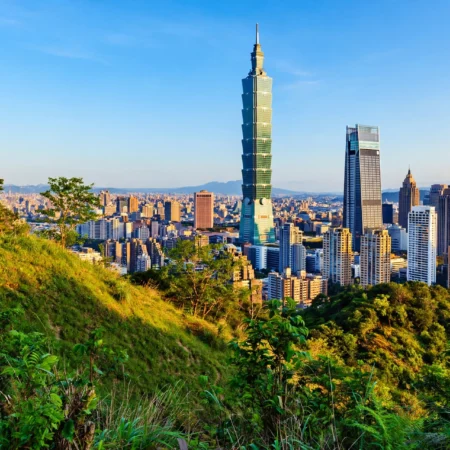
Japan Travel Guide: Tokyo, Kyoto, Osaka, Mount Fuji and the Best of Japan (2026–27)
Japan is the rare country that rewards a first-time visitor and a tenth-time visitor in equal measure: a bullet train that arrives to the second, a 1,300-year-old temple and a robot restaurant on the same street, ramen for the price of a coffee and a dinner that costs more than a hotel room. This japan travel guide covers everything a first-time visitor from the United States needs for 2026–27 — entry rules, the best months to go, realistic costs in yen and dollars, the Japan Rail Pass arithmetic, Tokyo, Kyoto, Osaka, Mount Fuji, Hiroshima and the places beyond the Golden Route, plus ready-made 7, 10 and 14-day itineraries — so you can plan the trip in one place and travel it without surprises.
Quick Answer
The best first trip to Japan is 10 to 14 days on the Golden Route — 4 to 5 days in Tokyo, 3 to 4 days in Kyoto with day trips, 1 to 2 days in Osaka, and a night in Hakone or the Fuji Five Lakes. US citizens enter visa-free for up to 90 days. The best months are late March to early April for cherry blossom and October to November for autumn leaves, though both are the busiest and priciest times to go. Budget roughly ¥15,000–¥30,000 (about $95–$190) per person per day for a comfortable mid-range trip, excluding international flights. The 7-day Japan Rail Pass costs ¥50,000 (about $315) on the official site and usually only pays for itself if you make three or more long shinkansen journeys in seven days — on a simple Tokyo–Kyoto–Osaka loop, single tickets are cheaper. Japan is rated Level 1, “Exercise Normal Precautions,” by the US State Department, its lowest advisory level. All prices in this guide are planning figures in yen, converted at about ¥159 to US$1, the rate on 23 November 2026; check the rate and the price on the day you book.
How to Plan Your Japan Travel Trip: First Steps
Japan rewards planning more than almost any other destination, and not because it is difficult. The trains run on time, the signs are in English in every city that matters, and the country is famously safe. Planning matters because Japan is big, the good stuff is spread across several cities, and the two most popular seasons — cherry blossom and autumn leaves — book out months ahead. The framework below is the one this japan travel guide follows, and it works whether you have seven days or two weeks.
Start with the four decisions that shape everything else. First, how many days you have. Seven days covers Tokyo, Kyoto and Osaka at a brisk pace. Ten days is the sweet spot for a first trip: it adds Hakone or the Fuji Five Lakes and a day trip or two without rushing. Fourteen days lets you add Hiroshima and Miyajima, or Hokkaido, or the Japan Alps, and still have a slow day in there. Second, when you will go, because the difference between April and July in Japan is the difference between a postcard and a sauna. Third, how you will move between cities, because the shinkansen is both the joy of the trip and its biggest single transport cost, and the pass decision has to be made with arithmetic, not instinct. Fourth, where you will sleep, because a ryokan night, a business hotel and a capsule hotel are three different trips, and Kyoto’s lodging tax now makes the price of the room matter in a new way.
The ready-made itineraries below are the practical answer to the first decision. They assume you fly into Tokyo and out of Osaka (or the reverse), which saves a day of backtracking, and they keep the long train journeys to the mornings so your afternoons are free.
The 7-day first trip
Days 1–3 in Tokyo: Asakusa and the Skytree area on day one, Shibuya, Harajuku and Meiji Shrine on day two, and a day trip to Nikko or Kamakura on day three. Day 4 is the shinkansen to Kyoto, with the afternoon in Gion and the evening at Yasaka Shrine. Day 5 covers Fushimi Inari at dawn and the Higashiyama temples, day 6 is a day trip to Nara, and day 7 is the train to Osaka for Dotonbori, Osaka Castle and the flight home. It is fast, and it works, but it leaves Hakone, Hiroshima and everything north of Tokyo for next time.
The 10-day classic
Days 1–4 in Tokyo, adding a day for teamLab, the Yanaka old town and a food crawl, plus a day trip. Day 5 is Hakone: the ropeway, Lake Ashi and an onsen night in a ryokan. Days 6–8 are Kyoto, with a full day for Arashiyama and a day trip to Nara or Uji. Days 9–10 are Osaka, with a half-day trip to Himeji Castle on the way. This is the itinerary this guide recommends for most first-time visitors, and it is the one the cost figures in the budget section are built around.
The 14-day complete trip
The 10-day route, plus a day trip from Tokyo to Nikko, a night in Takayama in the Japan Alps, and two days in Hiroshima and Miyajima. With fourteen days you can also swap Hiroshima for Hokkaido in winter or Okinawa in summer, and you can afford one genuinely slow day — a morning in a Kyoto tea house, an afternoon in a Tokyo park — which is the part of a Japan trip people remember most.
| Japan at a glance | Detail |
|---|---|
| Capital | Tokyo |
| Language | Japanese; English on transport, in hotels and at major sights |
| Currency | Japanese yen (¥); about ¥159 to US$1 on 23 November 2026 |
| US entry | Visa-free for up to 90 days; Visit Japan Web QR codes recommended |
| Best months | Late March to early April (sakura); October to November (koyo) |
| Getting around | Shinkansen between cities; IC cards (Suica, PASMO, ICOCA) in cities |
| Emergency numbers | 110 police, 119 fire and ambulance |
| Power | 100V, US-style Type A two-pin plugs (no adapter needed for most US devices) |
| Time zone | 14 hours ahead of Washington, D.C. during Eastern Standard Time |
| Driving | On the left; an International Driving Permit is required |
A final planning note before the detail begins: Japan sits on an active seismic zone, and earthquakes are a fact of life rather than a reason to stay home. The safety section near the end of this guide explains exactly what to do when your phone sounds the earthquake alarm, what to pack, and what to ignore. Buy travel insurance that covers medical evacuation before you go, because Japanese healthcare is excellent and expensive for visitors without cover, and keep one flexible day in your itinerary. The country runs on reservations — for the best restaurants, the teamLab museums, sumo tournaments and the top sushi counters — so book the experiences that matter most before you fly, and let the rest of the trip breathe.
When Is the Best Time to Visit Japan? Sakura, Koyo and the Seasons
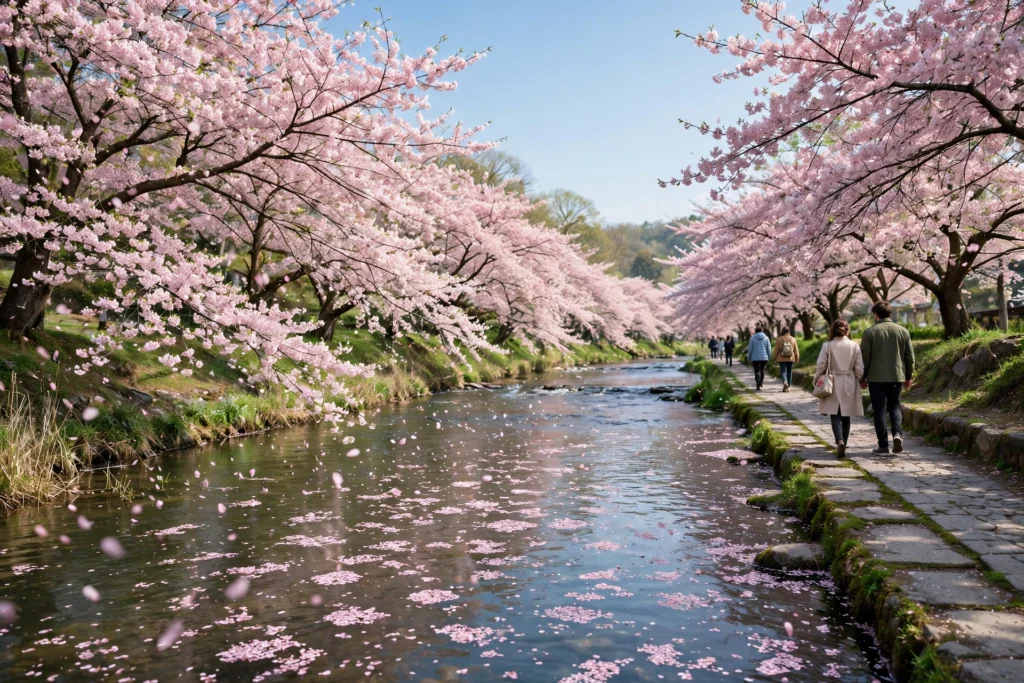
Japan is a year-round destination, but it is not the same destination in every season, and choosing the month is the single biggest decision in this japan travel guide. Spring and autumn are the two standout seasons, summer is a festival season with a heat warning attached, and winter is the quiet season with the best snow in Asia. The honest trade-off is that the most beautiful weeks are also the most crowded and the most expensive, and the cheapest weeks are the ones with the least comfortable weather.
Spring, from March to May, is the season most people dream about. Cherry blossom, or sakura, turns much of the country pink from late March to early April, with the peak in Tokyo usually falling in the last week of March or the first week of April. The classic hanami, or flower-viewing, picnic under the blossoms in Ueno Park or along the Meguro River is a genuine highlight, and the blossoms further north — Kakunodate’s old samurai district in Akita, Hirosaki Castle in Aomori — peak a week or two later, which gives you a second chance if you miss the Tokyo peak. Late April and May bring pleasant weather and thinner crowds, but they also bring Golden Week, the cluster of national holidays in late April and early May when domestic travel surges, trains fill and hotel prices jump. If you travel in spring, book hotels three to six months ahead, and book the shinkansen seats for Golden Week as soon as they open.
Summer, from June to August, is the season the guidebooks undersell and the weather warns you about. Honshu’s rainy season, tsuyu, usually runs from early June to mid-July, and then the heat and humidity arrive in earnest: Tokyo in July and August is hot, sticky and tiring, and typhoons are more likely from August into September. The compensation is the festival season, matsuri, at full strength. The Sumida River Fireworks in Tokyo in late July, the Nebuta Matsuri in Aomori in early August, with its giant paper-covered floats, and the Awa-Odori dance festival in Tokushima in mid-August are all worth planning a trip around. Hokkaido and the Japan Alps stay comfortable in summer, which is why a summer trip that starts in Sapporo and works south is smarter than one that starts in Tokyo and stays there.
Autumn, from September to November, is the best all-round season for most travellers, and it is the one this guide recommends if you have a free choice. The fiery red and golden yellow koyo, or autumn leaves, peak in Kyoto in November, and the weather is crisp, clear and comfortable for walking. The leaves start in Hokkaido in late September and move south through October, so a trip that follows the colour south is one of the great slow journeys in Japan. November in Kyoto is busy — the temples are at their most photographed — but the crowds are thinner than in sakura season, and the light is better for photographs.
Winter, from December to February, is the quiet season, and it has the most to offer for the money. The air is clear, the skies are blue, the crowds are gone except around New Year, and the powder snow in Hokkaido and the Japan Alps is among the best in the world. The Sapporo Snow Festival in early February fills the city with giant ice sculptures, and an outdoor onsen in falling snow is one of the great experiences in Japanese travel. The trade-off is the cold and the short days, and the New Year period itself, Shogatsu, when many shops, restaurants and museums close for several days and domestic travel peaks. If you want a winter trip, aim for mid-January to mid-February, after the New Year rush and before the snow melts. For a December trip, the illuminations in Tokyo and Osaka are spectacular, and our guide to Christmas travel covers what the festive season looks like across the region.
| Month | Tokyo average high | What is happening |
|---|---|---|
| January | 10°C / 50°F | Cold, clear, quiet; New Year crowds early in the month |
| February | 11°C / 52°F | Sapporo Snow Festival; best powder in Hokkaido |
| March | 14°C / 57°F | Sakura begins late in the month; cool and changeable |
| April | 19°C / 66°F | Sakura peak early April; Golden Week late in the month |
| May | 23°C / 73°F | Mild, green, comfortable; good walking weather |
| June | 26°C / 79°F | Rainy season (tsuyu); humid, grey, fewer crowds |
| July | 30°C / 86°F | Hot and humid; fireworks and festivals begin |
| August | 31°C / 88°F | Hottest month; matsuri season; typhoon risk rises |
| September | 27°C / 81°F | Warm, typhoon season; leaves begin in Hokkaido |
| October | 22°C / 72°F | Mild and clear; koyo spreads south |
| November | 17°C / 63°F | Koyo peak in Kyoto; best all-round month |
| December | 12°C / 54°F | Cold, dry, clear; illuminations; New Year from 29 December |
The figures above are typical average highs for Tokyo, not a forecast, and Kyoto runs a degree or two warmer in summer and a degree colder in winter. Sapporo is far colder: January highs hover around freezing, and snow lies on the ground from December to March. Pack for the month you are actually travelling in, not the Japan of your imagination: a light jacket and layers for April and November, serious rain gear for June, and real winter clothing for Hokkaido in February.
Japan Entry Rules for US Citizens: Visa, Visit Japan Web and JESTA
The entry rules for US citizens are straightforward, and they are the easiest part of this japan travel guide. US passport holders enter Japan visa-free for stays of up to 90 days, and a visa is required only for longer stays or for work and study. Your passport must be valid for the duration of your stay, and it should have at least one blank page. The US State Department rates Japan at Level 1, “Exercise Normal Precautions,” its lowest advisory level, and the advisory was issued on 15 May 2025 and reissued after periodic review without changes. You can read the current version on the US State Department Japan travel advisory page before you travel, and it is worth doing so, because advisory dates change even when the level does not.
Before you fly, register on Visit Japan Web, the Japanese government’s official arrival service. It issues QR codes for immigration and customs that speed up the arrival process, and since November 2026 it also supports the new tax-free refund procedure at major airports. The service is free, it takes a few minutes, and you complete it before departure rather than at the airport. Airlines can be slow to explain it, so do it the week you fly. The other system to know about is JESTA, Japan’s planned pre-travel authorisation system for visa-free visitors. It is planned for 2028 and is not in force for travel in 2026 or 2027, so no authorisation is required for this trip — but if you are reading this guide in 2028, check the current rules before you book, because the system will change the arrival process when it launches.
There are two costs at the border that catch first-time visitors by surprise, and both are small. Japan charges an International Tourist Tax, often called the departure tax, of ¥3,000 per person aged two and over on international air or sea departures. It has applied since 1 July 2026 and it is usually bundled into the ticket price, so you will rarely pay it separately. The tax-free shopping rules also changed recently, and they matter if you plan to shop. Until 31 October 2026, participating shops deducted the 10 percent consumption tax at the register on purchases of ¥5,000 or more before tax per store per day. From 1 November 2026 the system changed: you now pay the tax-inclusive price in the shop, then claim the refund at the airport or seaport after customs confirms the goods are leaving Japan, within 90 days of purchase, and you must complete the refund before baggage check-in. Bring your passport when you shop, keep the goods with you for inspection, and allow extra time at the airport on departure day.
A few practical arrival notes round out the section. Most international visitors arrive at Tokyo’s Haneda Airport, which is about 30 minutes from central Tokyo by train, or Narita Airport, which is about an hour away by the Narita Express. Kansai Airport serves Osaka and Kyoto, and it is about 50 minutes from Kyoto by the Haruka express. Buy or set up your IC card and your data plan before you leave the airport: a digital Suica in Apple Wallet, or a physical Welcome Suica card at Narita or Haneda, covers your first train into the city. Customs is strict about medication. Japan prohibits or restricts a list of medicines that are ordinary in the United States, including many stimulant ADHD medications and products containing pseudoephedrine, and it regulates even permitted prescription medicines above set quantities. Check the rules and carry the paperwork for anything you take, because this is one of the few areas where an honest mistake at the Japanese border has real consequences. If your passport is not American, or your plans change, the Japanese Ministry of Foreign Affairs visa pages are the authoritative source for your nationality.
How Much Does a Japan Trip Cost? A Realistic Budget for 2026–27
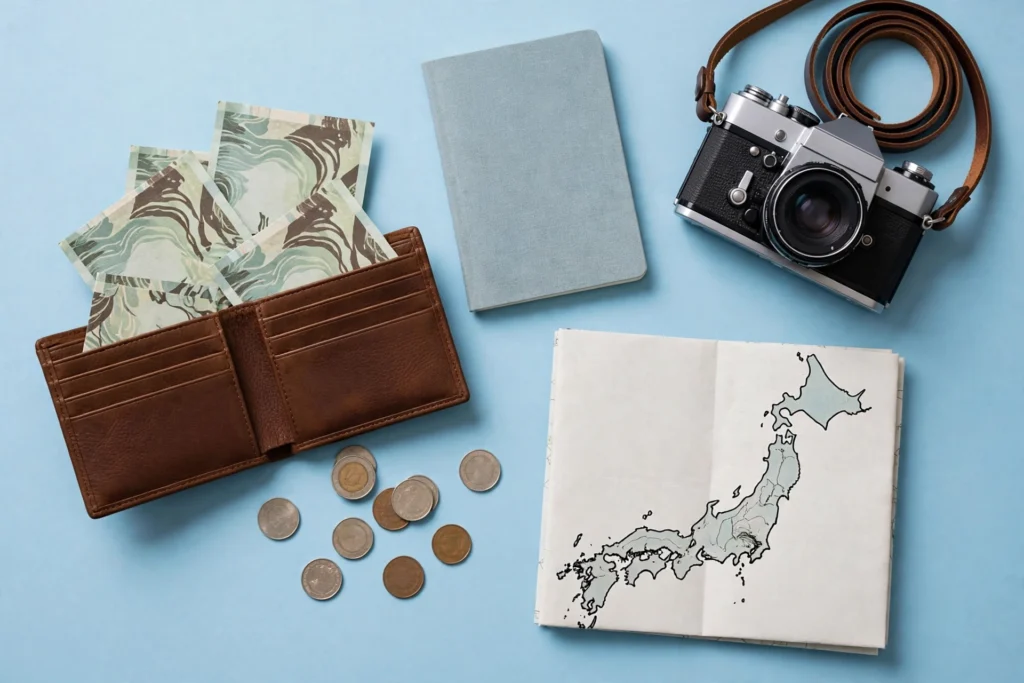
Japan has a reputation for being expensive, and that reputation is out of date. The weak yen has made Japan one of the best-value developed countries in the world for American visitors, and the cost that matters most — food — is genuinely cheap. A superb bowl of ramen costs less than a sandwich in an American city, a set lunch in a department store basement is a bargain, and the convenience stores, konbini, sell meals that are better than most hotel breakfasts. Accommodation and long-distance trains are the main expenses, and both are controllable with the choices in this section. For a detailed line-by-line breakdown of a Japan trip, our guide to how much a trip to Japan costs works through the same figures city by city.
The table below gives realistic daily spending per person, excluding international flights, in yen and in dollars at about ¥159 to the dollar. These are planning ranges, not live prices: hotel rates move with the season, and a sakura-season room in Kyoto can cost double the same room in February. Treat the figures as a budgeting tool, and check the live price when you book.
| Daily budget | Yen per person per day | About US$ per day | What it buys |
|---|---|---|---|
| Budget | ¥8,000–¥15,000 | $50–$95 | Hostel or capsule hotel, konbini and ramen meals, IC-card city travel, free shrines and parks |
| Mid-range | ¥15,000–¥30,000 | $95–$190 | Business hotel, a mix of casual and mid-range restaurants, some shinkansen travel |
| Comfortable | ¥30,000–¥50,000 | $190–$315 | Good hotel or a ryokan night, kaiseki or sushi dinners, taxis and private tours |
| Luxury | ¥50,000+ | $315+ | High-end ryokan with kaiseki, omakase counters, first-class rail, private guides |
A 10-day mid-range trip, excluding flights, therefore lands somewhere around ¥200,000–¥300,000 per person, or roughly $1,250–$1,900, and that includes one ryokan night and the shinkansen journeys of the Golden Route. The single biggest saving is the season: travelling in January or February instead of April can cut the hotel bill by a third, and the same room in the same Kyoto hotel can be half the price in the low season. The second biggest saving is the food: eat where the locals eat, at lunch, when set meals are cheapest, and save the expensive dinners for two or three nights rather than every night. The third is the train arithmetic in the next section, which is worth more than any hotel coupon.
Money itself is simple once you know the rules. Cards are now common in cities, hotels and chain restaurants, and IC cards and QR payment work almost everywhere a tourist goes. But cash still matters more than in the United States: small restaurants, shrines, rural shops, festival stalls and some taxi drivers are cash-only, and you should always carry yen. Seven Bank ATMs in 7-Eleven stores and Japan Post ATMs accept most foreign cards and run late or 24 hours, and they are the most reliable cash source in the country. There is no tipping in Japan, and offering extra cash often causes confusion — service is included, and the price on the menu is the price you pay. You will collect ¥100 and ¥500 coins quickly, and a small coin purse helps, because the coins are genuinely useful for vending machines, temple offerings and bus fares. On top of the room rate, remember Kyoto’s lodging tax, which rose sharply on 1 March 2026 and is covered in full in the accommodation section, and remember that the departure tax of ¥3,000 is usually already in your ticket.
Getting Around Japan: Shinkansen, the Japan Rail Pass and IC Cards
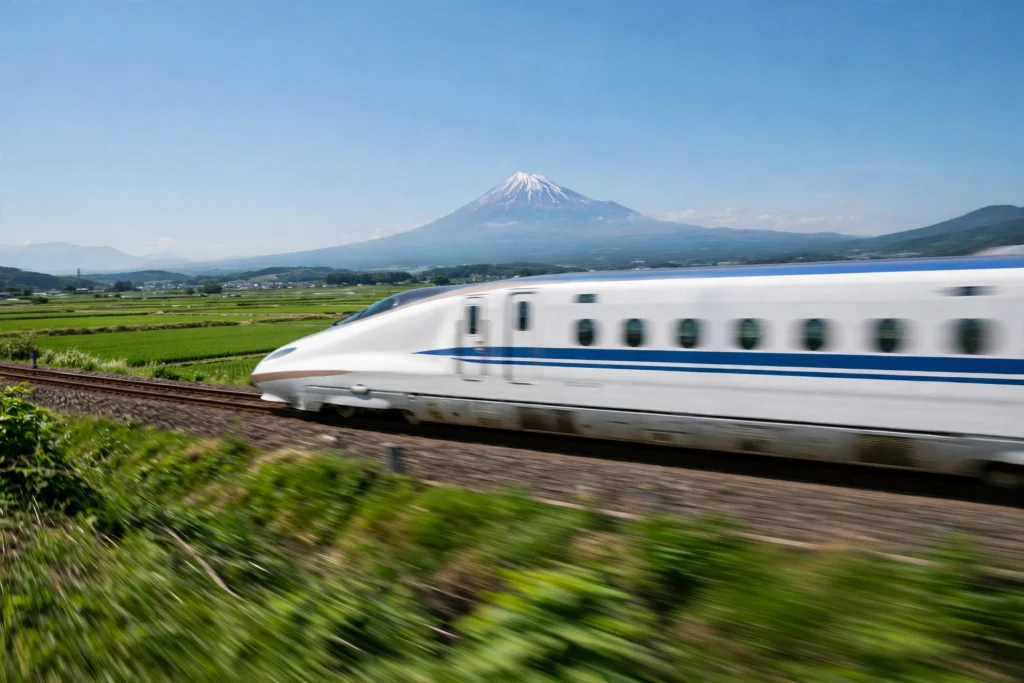
The trains are the joy of a Japan trip, and they are also the place where most first-time visitors waste the most money, so this japan travel guide does the arithmetic properly. The shinkansen, or bullet train, is punctual to the second, impossibly smooth, and the most civilised way to cross the country. The Tokaido line runs from Tokyo through Kyoto and Osaka to Hiroshima, and the journey from Tokyo to Kyoto takes just over two hours, while Tokyo to Hiroshima takes about four hours. Riding it is a highlight in itself, and the view of Mount Fuji from the right-hand side of the train heading west from Tokyo is the free sight that no ticket can buy.
The Japan Rail Pass is the question everyone asks, and the answer changed in October 2026. The pass gives unlimited travel on almost all JR trains for 7, 14 or 21 days, and it is sold only to foreign visitors entering Japan as temporary visitors. The 7-day Ordinary pass costs ¥50,000 for an adult when bought on the official JR site, with 14 days at ¥80,000 and 21 days at ¥100,000, and children aged 6 to 11 pay half price. Since 1 October 2026, the same passes bought through overseas travel agents cost more: ¥53,000, ¥84,000 and ¥105,000 for Ordinary, with Green Car passes at ¥70,000, ¥110,000 and ¥140,000 on the official site. The official site’s price is held, in JR’s own words, for a limited time to encourage online purchase, with no published end date — so check the price on the day you buy, and buy on the official site, japanrailpass.net, rather than through an agent. Only official-site purchases let you reserve seats before you collect the pass.
Whether the pass is worth it is a sum, and the sum is easy to do. A Tokyo to Kyoto, on to Osaka and back to Tokyo loop costs ¥29,470 in single shinkansen tickets on the trains the pass covers, which is far less than the ¥50,000 pass. The pass only pays for itself when you make three or more long shinkansen journeys inside seven consecutive days — for example Tokyo to Kyoto, Kyoto to Hiroshima and Hiroshima back to Tokyo. The table below lays out the arithmetic for the routes most first-timers plan.
| Route or pass | Cost | Verdict |
|---|---|---|
| 7-day Japan Rail Pass, Ordinary, official site | ¥50,000 (about $315) | Only if you make 3+ long shinkansen legs in 7 days |
| 7-day Japan Rail Pass, Ordinary, overseas agent | ¥53,000 (about $333) | Same pass, ¥3,000 more — buy on the official site |
| Tokyo–Kyoto–Osaka–Tokyo loop, single tickets | ¥29,470 (about $185) | Cheaper than the pass for the classic first trip |
| Tokyo–Kyoto one way, shinkansen | About ¥14,000 | Buy the single ticket; no pass needed |
| 14-day Japan Rail Pass, Ordinary, official site | ¥80,000 (about $503) | Worth it on a 14-day trip with 4+ long legs |
| Regional passes (JR West Kansai, JR East) | Varies, often ¥10,000–¥25,000 | Often better value than the national pass |
There are three more things to know about the pass before you buy it. First, it does not cover the Nozomi, the fastest and most frequent train on the Tokaido and Sanyo shinkansen lines, or the Mizuho on the Sanyo line, unless you buy a supplemental ticket — so the pass routes you onto the slightly slower Hikari and Sakura services, which is fine, but it adds time to every journey. Second, the pass stops at JR. Subways, private railways and most buses charge their own fares, so you still need an IC card in the cities. Third, bags over 160 centimetres in total length, width and height need an oversized-baggage seat on the Tokaido, Sanyo and Kyushu shinkansen, and you must reserve that seat in advance.
For city travel, the IC card is the single most useful thing you will buy in Japan. Suica, PASMO and ICOCA are rechargeable cards that pay for trains, subways and buses with a tap, and they work in convenience stores and vending machines too. The chip shortage that stopped sales of unnamed Suica and PASMO cards in 2023–24 is over, and sales resumed in March 2025. The easiest option for most Americans is a digital Suica in Apple Wallet, or Suica and PASMO in Google Wallet on Android, and JR East’s Welcome Suica Mobile app works on iPhone for 180 days from issue. Physical Welcome Suica cards are sold at Narita and Haneda airports and at JR East travel service centres, with no deposit, valid for 28 days from purchase, and the unused balance is not refunded — so do not load more than you will spend. Google Maps is indispensable for train routes and platform numbers, and Japan Travel by NAVITIME is also excellent, specifically for tourists, including rail pass filters. Outside the cities, buses fill the gaps, and renting a car makes sense for rural regions like Hokkaido or the Japan Alps — an International Driving Permit is required, and remember that Japan drives on the left.
| Shinkansen journey | Time | Single ticket, planning figure |
|---|---|---|
| Tokyo to Kyoto | Just over 2 hours | About ¥14,000 |
| Tokyo to Osaka (Shin-Osaka) | About 2 hours 30 minutes | About ¥14,500 |
| Tokyo to Hiroshima | About 4 hours | About ¥19,000 |
| Kyoto to Hiroshima | About 1 hour 40 minutes | About ¥11,000 |
| Osaka to Hiroshima | About 1 hour 30 minutes | About ¥10,000 |
| Tokyo to Kanazawa | About 2 hours 30 minutes | About ¥14,000 |
Fares above are regular-season adult planning figures for reserved seats on the fastest pass-eligible services, and they move with the season and the service. Check the live fare on the day you travel; pass holders who want the fastest Nozomi or Mizuho services need a supplemental ticket on top of the pass. The practical rule is simple: if your trip is Tokyo, Kyoto and Osaka only, buy single tickets and an IC card, and spend the ¥20,000 you save on a ryokan night. If your trip is Tokyo, Kyoto, Hiroshima and back, do the sum on the official site before you buy the pass.
Tokyo: Japan’s Capital and Best First Base
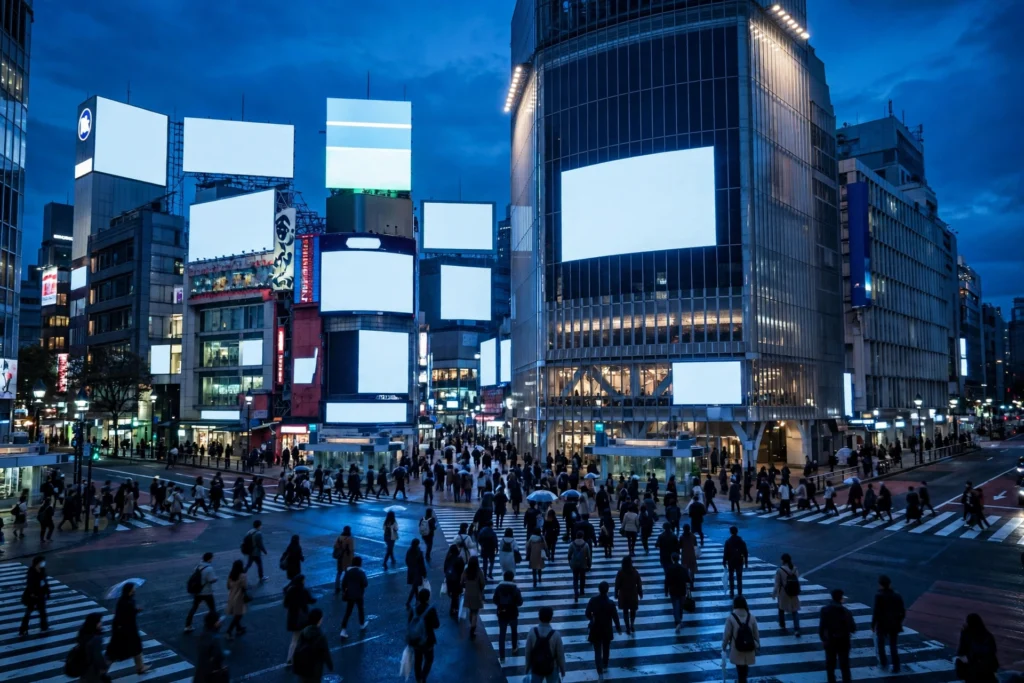
Tokyo is the near-universal first stop in Japan, and it earns that position. It is the main international gateway, it has the best transit network in the country, and it holds the widest range of hotels, food and day trips of anywhere in the country. It is also the hardest Japanese city to understand on a first visit, because it is not one city at all but a collection of neighbourhoods, each with its own character, connected by the Yamanote Line loop. The trick is to take it one neighbourhood at a time, and to give it at least four days: three days barely scratches the surface, and four days is enough to understand why travellers keep coming back.
Start with Asakusa, because it orients the whole city. The Senso-ji Temple, Tokyo’s oldest, dates from the seventh century, and the Nakamise shopping street leading to it is the classic first walk in Japan. Go early, before the crowds, and then cross to the Tokyo Skytree area for the view from the tallest structure in Japan. Shibuya is the other essential stop, and it is the opposite of Asakusa: the famous scramble crossing, the Hachiko statue, and the neon canyon of Center Gai. Go at dusk, when the crossing is at its busiest and the light is at its best, and watch it from the Shibuya Sky observation deck rather than from street level. Harajuku and Meiji Jingu Shrine sit side by side and show the two faces of Tokyo in a single afternoon: the shrine’s forested approach, quiet and vast, and Takeshita Street’s colour and noise a five-minute walk away.
The food is the reason to stay longer. Tokyo has more Michelin stars than any other city in the world, but the cheap eats are just as good, and they are the ones you will remember. Start with ramen, and start with the regional styles: the rich tonkotsu of Hakata, the miso of Sapporo, the soy-based shoyu of Tokyo itself. The department store food halls, depachika, in the basements of Mitsukoshi in Nihonbashi and Isetan in Shinjuku are a paradise of bento boxes, sushi and sweets, and they are the best place to assemble a picnic for a park. The Tsukiji Outer Market, which kept its food stalls after the wholesale market moved to Toyosu, is the place for a sushi breakfast, and it rewards the early riser. For a splurge, a sushi omakase counter is the meal to book months ahead, and it is worth every yen — but it is also worth knowing that a conveyor-belt sushi chain like Sushiro or Kura delivers a fun, excellent meal for a fraction of the price.
Beyond the famous sights, Tokyo rewards the neighbourhood walk. Yanaka, the old downtown, survived the war and the earthquakes, and its narrow streets, small temples and craft shops are the most atmospheric walk in the city. Shimokitazawa is the vintage and cafe district, Kichijoji has Inokashira Park and the Ghibli Museum, and the teamLab digital art museums — Planets and Borderless — are the single most popular ticketed experience in the city, so book weeks ahead. The Imperial Palace East Gardens are free and quiet, Ueno Park is the best hanami spot in the city in sakura season, and the Koenji Awa Odori festival in August, with more than 10,000 dancers, is the neighbourhood festival that best shows the city’s community spirit. Stay near a Yamanote Line station — Shinjuku, Shibuya, Ueno or Ikebukuro for first-timers — and you will never be more than one train from anywhere that matters.
Tokyo in a day: a first-timer’s rhythm
Morning in Asakusa, lunch at the Tsukiji Outer Market, an afternoon in Harajuku and Meiji Shrine, and the evening at Shibuya crossing and a ramen dinner in a side street. Day two: Yanaka in the morning, Ueno Park and its museums in the afternoon, and Shinjuku at night for the view from the Metropolitan Government Building, which is free. Day three is the day trip: Nikko for the shrines and the waterfalls, or Kamakura for the Great Buddha and the bamboo grove, both about an hour from the city. Day four is the free day: teamLab in the morning, Shimokitazawa or Kichijoji in the afternoon, and a last dinner in the neighbourhood you liked best.
Kyoto: Temples, Gion and the Old Capital
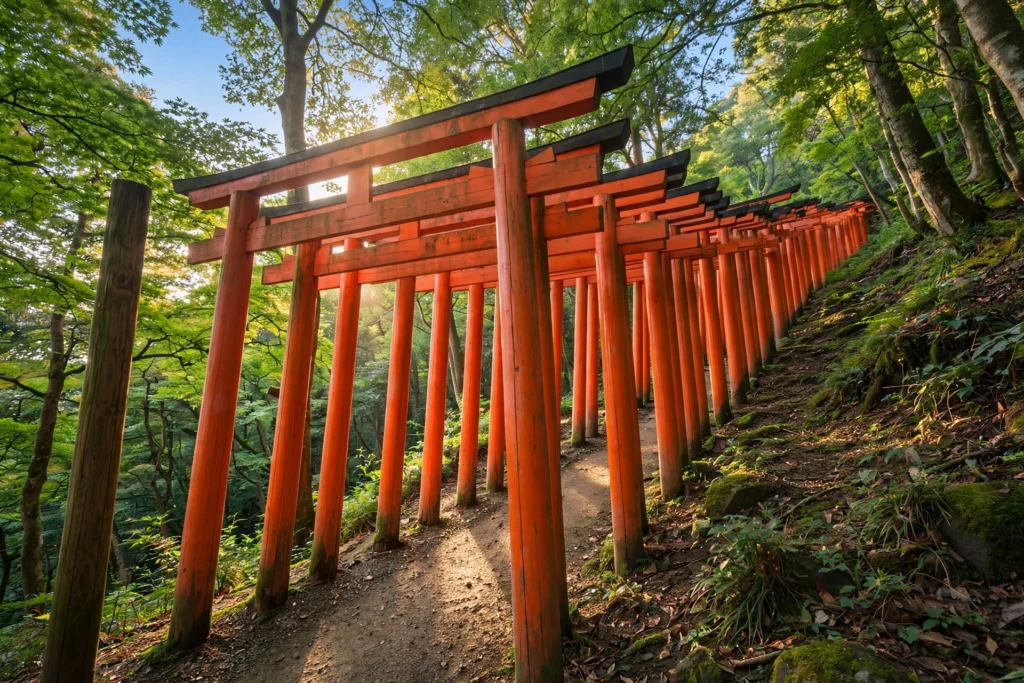
Kyoto is the cultural heart of Japan, and it is the city that makes the trip. It was the imperial capital for more than a thousand years, it holds over a thousand temples, and it is the place where the Japan of the imagination — vermilion gates, bamboo groves, geisha districts, Zen gardens — is real and walkable. It is also the most crowded city in Japan, and the difference between a good Kyoto trip and a frustrating one is almost entirely a matter of timing: go early, stay in the east, and leave the famous sights to the dawn.
Start with Fushimi Inari Shrine, because it is the single most iconic sight in Japan, and because the timing rule matters most here. The shrine’s thousands of vermilion torii gates wind up the mountainside in a tunnel of red, and the lower gates are packed from mid-morning onwards. Arrive at dawn, walk past the first junction where most visitors turn back, and you will have the upper mountain almost to yourself. The full loop to the summit takes two to three hours, and it is the best walk in Kyoto. Kinkaku-ji, the Golden Pavilion, is the other must-see, and it is best visited early for the same reason: the gilded temple reflected in the pond is the most photographed view in Japan, and it is worth seeing before the tour buses arrive.
Arashiyama, on the western edge of the city, is the third essential stop, and it needs a full morning. The bamboo grove is beautiful and famously crowded, so walk it at 7 a.m. and then keep going: the Okochi Sanso garden, the river walk, and the temples of the Saga district are quieter and better. The Higashiyama district, on the eastern side, is where Kyoto’s old streets survive best: the preserved lanes of Sannenzaka and Ninenzaka climb from Kiyomizu-dera Temple down to the Yasaka Pagoda, and the evening walk through Gion, the geisha district, is the most atmospheric hour in the city. Gion has rules that visitors must respect: stay off the posted private alleys, do not chase or photograph geiko or maiko without permission, and treat the district as a living neighbourhood rather than a theme park. The city has asked visitors to do this plainly, and it is a reasonable ask.
Kyoto is also the city for food and for craft, and both reward slowing down. The Nishiki Market, Kyoto’s kitchen, is a covered arcade of pickles, tofu, knives and sweets, and it is the best place to taste the city’s cuisine in small pieces. A kaiseki dinner — the multi-course seasonal meal that is Japan’s highest culinary art — is the splurge to plan for Kyoto rather than Tokyo, and a tea ceremony in a machiya townhouse is the cultural experience that best explains the city. The Philosopher’s Path, a canal-side walk lined with cherry trees, is the best walk in sakura season, and the temples of the northern hills — Nanzen-ji, Eikando, Ginkaku-ji — are quieter than the famous names and often more beautiful. Stay near the eastern temple district, in Higashiyama or Gion, to wake up among the city’s most atmospheric streets and beat the day-trip crowds to the major sights.
Kyoto’s overtourism rules, honestly
Kyoto’s popularity has a cost, and the city has responded with rules that affect your trip directly. The lodging tax rose on 1 March 2026, with the top band reaching ¥10,000 per person per night for the most expensive rooms — the full table is in the accommodation section. Some streets in Gion are closed to visitors, photography is restricted in parts of the district, and the city asks visitors to use public transport rather than taxis on the narrowest streets. None of this should put you off. It means you book early, you walk early, you stay in the city rather than day-tripping from Osaka, and you treat the rules as the price of keeping the place worth visiting.
Osaka: Japan’s Kitchen and Best Nightlife
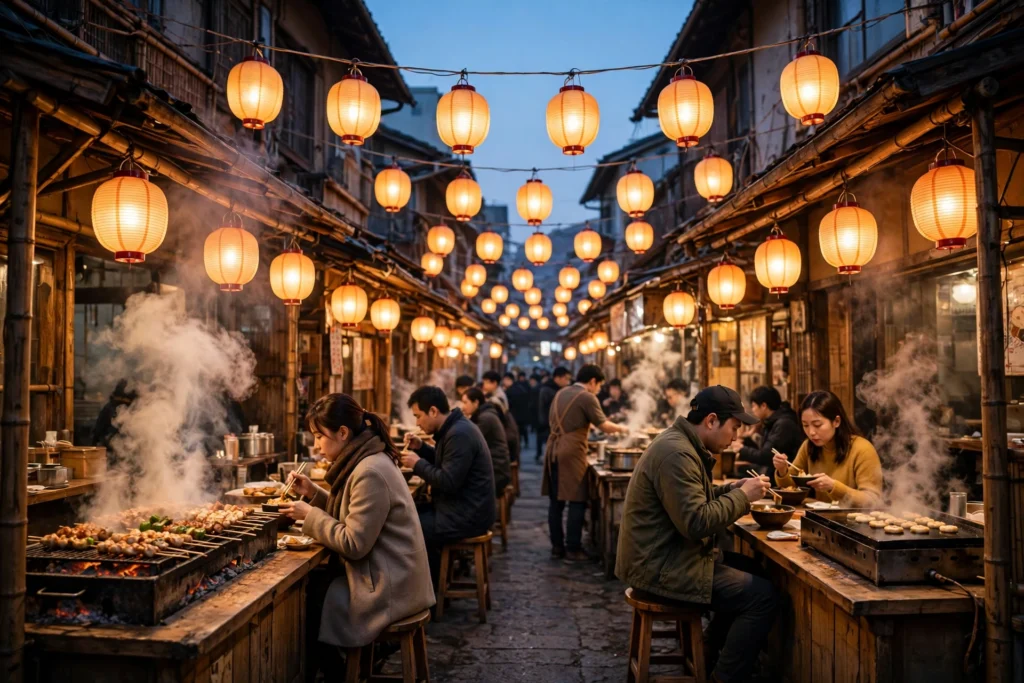
Osaka is Japan’s kitchen, and it is the most fun city in the country. Where Tokyo is polished and Kyoto is reverent, Osaka is loud, funny and hungry, and it wears its food culture on its sleeve. The city calls itself kuidaore, “eat until you drop,” and the Dotonbori district, with its neon canyon, its giant crab sign and its riverside food stalls, is the place to test the slogan. Takoyaki, the octopus balls cooked in front of you, okonomiyaki, the savoury pancake you eat off the hot plate, and kushikatsu, the deep-fried skewers with a strict no-double-dipping rule, are the three dishes to try first, and Dotonbori serves all three within a few hundred metres of each other.
The city is more than its food. Osaka Castle, rebuilt in concrete in the 1930s but standing on the original stone walls, is the great landmark, and the park around it is the best hanami spot in the city. The Umeda Sky Building’s floating garden observatory gives the best view in Osaka, and the Shinsekai district, with its retro Tsutenkaku Tower and its kushikatsu alleys, is the most atmospheric walk in the city after dark. The Kaiyukan aquarium is one of the best in the world, and Universal Studios Japan, with its Super Nintendo World, is the theme park that draws families from across Asia — book tickets weeks ahead, and arrive at opening. The covered shopping arcades, shotengai, are the longest in Japan, and they are the best place to see ordinary Osaka life: the Kuromon Market for food, the Den Den Town electronics district, and the Amerikamura youth quarter.
Osaka is also the best-value base on the Golden Route. Hotels are cheaper than equivalent rooms in Tokyo or Kyoto, the food is cheaper, and the city sits in the middle of the Kansai region, which makes it the best base for day trips: Nara, with its free-roaming deer and the Great Buddha, is 45 minutes away; Himeji Castle, the finest surviving castle in Japan, is an hour away; Koyasan, the mountain temple town, is a day trip for the adventurous; and Kobe, with its harbour and its beef, is half an hour away. Stay near Namba for food and nightlife, or near Umeda for transport, and plan on one to two nights: Osaka is a city that rewards an evening more than a week, and two nights is enough to eat well, see the castle, and take one day trip.
Mount Fuji, Hakone and the Fuji Five Lakes
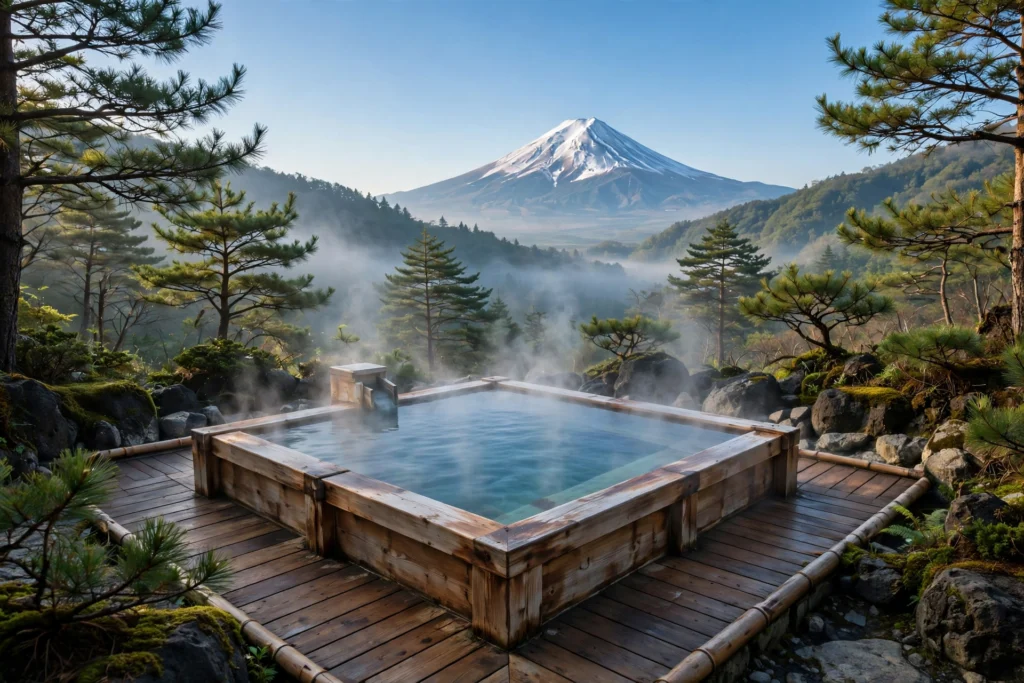
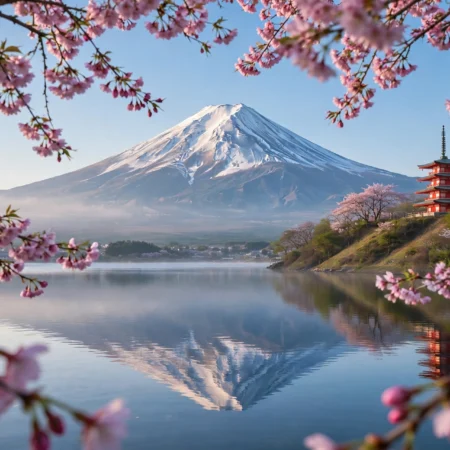
Mount Fuji is the symbol of Japan, and no japan travel guide is complete without it — yet it is also the sight that most often disappoints first-time visitors, because the mountain is famously shy: it hides behind cloud for much of the year, and the classic postcard view is a matter of luck and timing. The honest advice is to give it two chances — a morning and an evening, or two days — and to go in winter, when the air is clearest and the snow-capped cone is at its sharpest. The mountain stands 3,776 metres high, it is a sacred peak and a UNESCO World Heritage site, and it is best admired from a distance rather than climbed on a first trip.
Hakone, the hot-spring resort town on the edge of the Fuji-Hakone-Izu National Park, is the best base for seeing the mountain, and it is an easy escape from Tokyo at about 90 minutes by train. The classic Hakone loop runs in a circle: the ropeway over the volcanic Owakudani valley, where the sulphur steam rises and the black eggs are sold, the pirate ship across Lake Ashi, with Fuji on the horizon on a clear day, and the open-air museum in the hills. The real reason to stay in Hakone is the onsen, the hot-spring bath, and the ryokan night that goes with it: a tatami room, a kaiseki dinner, and a steaming outdoor bath with the mountain in the distance is the most Japanese night there is, and it is worth the price. Book the ryokan months ahead for sakura and koyo season, and check whether the bath is private or shared before you book, because the etiquette is different.
The Fuji Five Lakes — Kawaguchi, Yamanaka, Sai, Shoji and Motosu — are the alternative base, and they are better for the mountain view itself. Lake Kawaguchi is the most developed, with the best views from the northern shore and the Chureito Pagoda viewpoint above it, the image that opens this guide. The lakes are at their best in April, when the cherry blossom lines the shore, and in November, when the maple leaves turn red against the snow. The climbing season for Mount Fuji itself runs from early July to early September, and the climb is a long, dusty, crowded overnight walk rather than a technical ascent: most climbers start in the evening, reach the summit for sunrise, and descend the next morning. It is a genuine achievement, but it is not a casual day trip, and it should not be attempted outside the official season, when the mountain huts are closed and the weather turns dangerous.
Hakone in a day
Arrive by the Romancecar from Shinjuku in the morning, take the ropeway to Owakudani, cross Lake Ashi by boat, and spend the afternoon in the open-air museum before checking into a ryokan for the night. The next morning, take the early bus to the lakeside for the Fuji view, then the train back to Tokyo or on to Kyoto. One night is enough for the loop, and two nights is better if you want the onsen without rushing.
Hiroshima and Miyajima: History and the Floating Torii
Hiroshima is the most important city in Japan for a first-time visitor to understand, and it is also one of the most welcoming. The city was destroyed by the atomic bomb on 6 August 1945, and it rebuilt itself as a city of peace, and the Peace Memorial Park, with the skeletal A-Bomb Dome and the museum, is a visit that changes how you think about the country. It is not a light morning, and it should not be rushed: give the museum two hours, walk the park slowly, and then cross to Miyajima for the afternoon, because the contrast between the two places — the memorial and the floating shrine — is the point of the trip.
The Peace Memorial Museum is the essential stop, and it is honest and unsparing. The A-Bomb Dome, the ruined building left standing as a memorial, is a UNESCO World Heritage site, and the Children’s Peace Monument, with its paper cranes, is the most moving corner of the park. The museum is busy, and it is worth arriving at opening time. Afterwards, the city itself is worth an hour: the okonomiyaki, Hiroshima-style, layered with noodles on the hot plate, is the local dish and the best lunch in the city, and the riverside walk back to the station is a good place to let the morning settle.
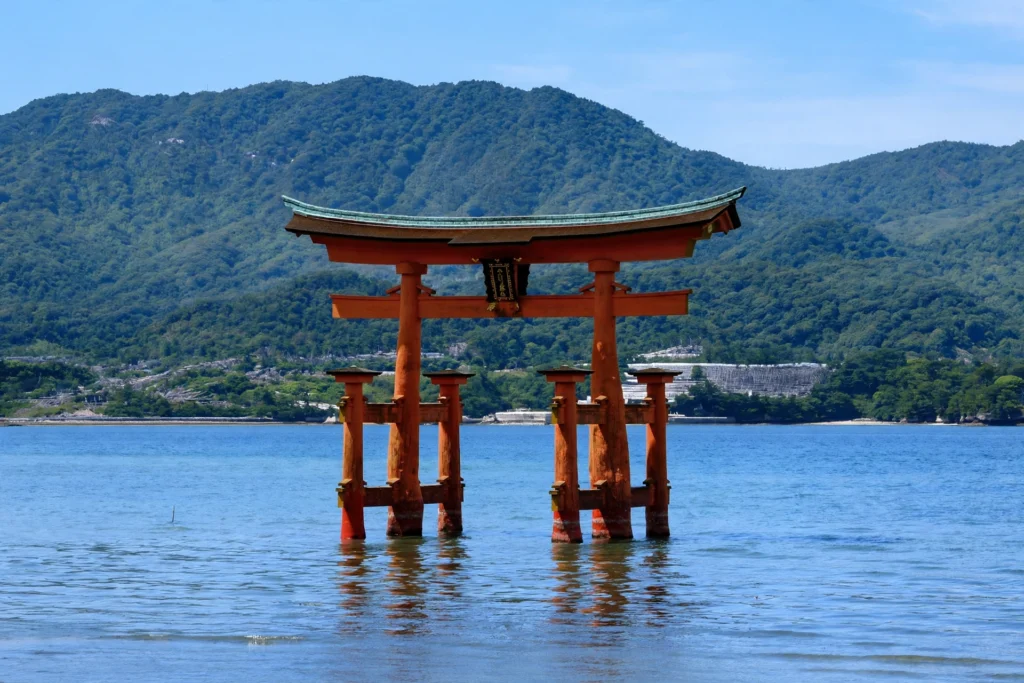
Miyajima Island, a 45-minute train and ferry ride from Hiroshima, is the other half of the day, and it is the most beautiful island in Japan. The Itsukushima Shrine’s great torii gate stands in the sea, and at high tide it appears to float on the water — the tide matters, so check the tide times before you go, because at low tide the gate stands on the sand and you can walk out to it, which is a different and equally good experience. The island’s deer roam freely, the climb up Mount Misen gives the best view in the region, and the evening, after the day-trippers leave, is the best time to be there: stay a night on the island if you can, because the shrine lit up at night, with the tide coming in, is one of the great sights in Japan. Hiroshima and Miyajima together need a full day at minimum and two days done properly, and they are the reason the 14-day itinerary in this guide exists.
Hokkaido, Okinawa and Beyond the Golden Route
The Golden Route is the right first trip, but Japan is a long country, and the places beyond the bullet-train corridor are where the second trip begins. This japan travel guide covers the four that matter most, and each one is a different Japan from the one you have seen so far.
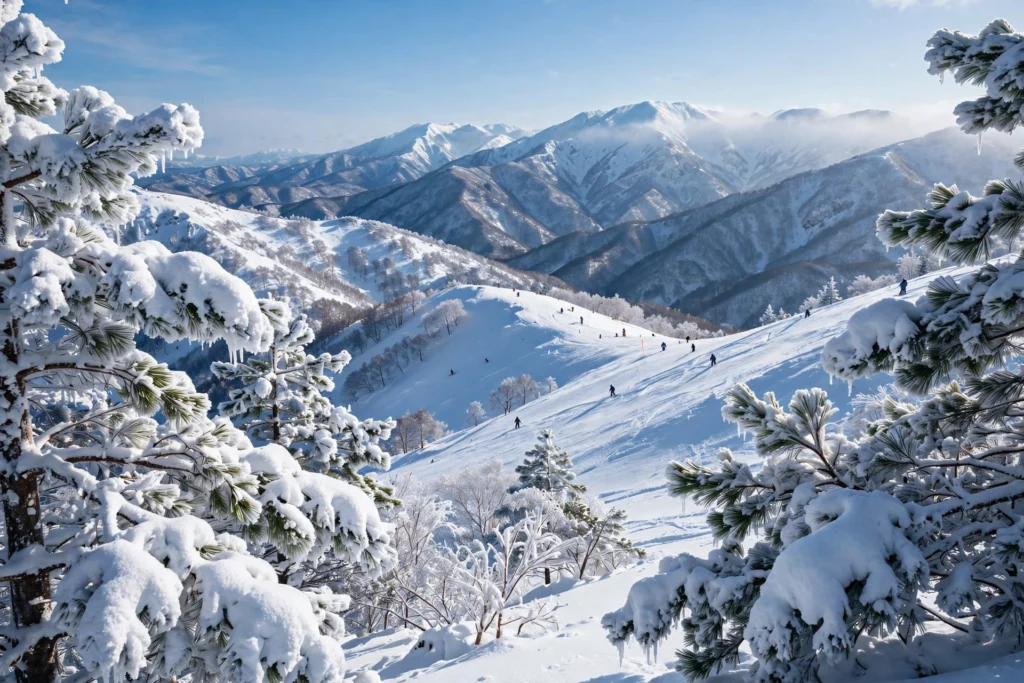
Hokkaido, the northern island, is the winter capital and the summer escape. In winter it holds the best powder snow in the world: Niseko, Furano and Rusutsu draw skiers from Australia and Europe, and the Sapporo Snow Festival in early February fills the city with giant ice sculptures. In summer it is the cool, green antidote to the heat of Honshu, with lavender fields in Furano, the flower fields of Biei, and the drift-ice coast in the far north. The food is different too: miso ramen in Sapporo, soup curry, fresh crab and dairy from the island’s farms. Fly from Haneda to New Chitose Airport in Sapporo, and give Hokkaido at least four days — it is too big to rush, and the driving distances are long.
Okinawa, the tropical island chain in the far south, is another country in all but name. It was the independent Ryukyu Kingdom for 450 years, and its culture, food, music and architecture are distinct from mainland Japan. The white-sand beaches, the coral reefs and the mangroves are the draw, and the diving is the best in Japan. Naha, the capital, has the Shuri Castle, the old royal palace, and the Kokusai-dori market street, and the smaller islands — Ishigaki, Miyako, Taketomi — are the slow, quiet Japan that the main islands have mostly lost. Okinawa is best from April to June and from October to November, avoiding the typhoon season and the summer humidity.
The Japan Alps and the old towns of the centre are the third region, and they are the easiest to add to a first trip. Takayama, in the Hida mountains, is the best-preserved old town in Japan, with its morning markets, its sake breweries and its Edo-era streets, and it is at its best in spring and autumn. Kanazawa, on the west coast, has one of the three great gardens of Japan, Kenroku-en, a beautifully preserved samurai district and a geisha quarter, and it is the city that Kyoto was before the crowds arrived. The Shirakawa-go village, with its steep thatched gassho-zukuri farmhouses, is a UNESCO site and a winter wonderland in the snow.
The fourth region is the one the guidebooks are only just discovering: Shikoku and the Seto Inland Sea. The art islands of Naoshima, Teshima and Inujima, with their museums and installations set into the landscape, are the most original cultural destination in Japan. The Michinoku Coastal Trail in Tohoku, a 621-mile route along jagged clifftops, sandy beaches and fishing ports in the less-crowded north-east, is the great long walk in the country. The Kii Peninsula, with the Kumano Kodo pilgrimage trails through the cedar forests, is the spiritual heart of Japan, and it is the walk to choose if you want the Japan of temples and mountains without the crowds of Kyoto. If you are weighing a second Asian stop after Japan, our Taiwan travel guide covers the island that pairs best with a Japan trip: the same standard of trains, food and safety, for noticeably less money.
What to Eat in Japan: Ramen, Sushi, Kaiseki and Konbini
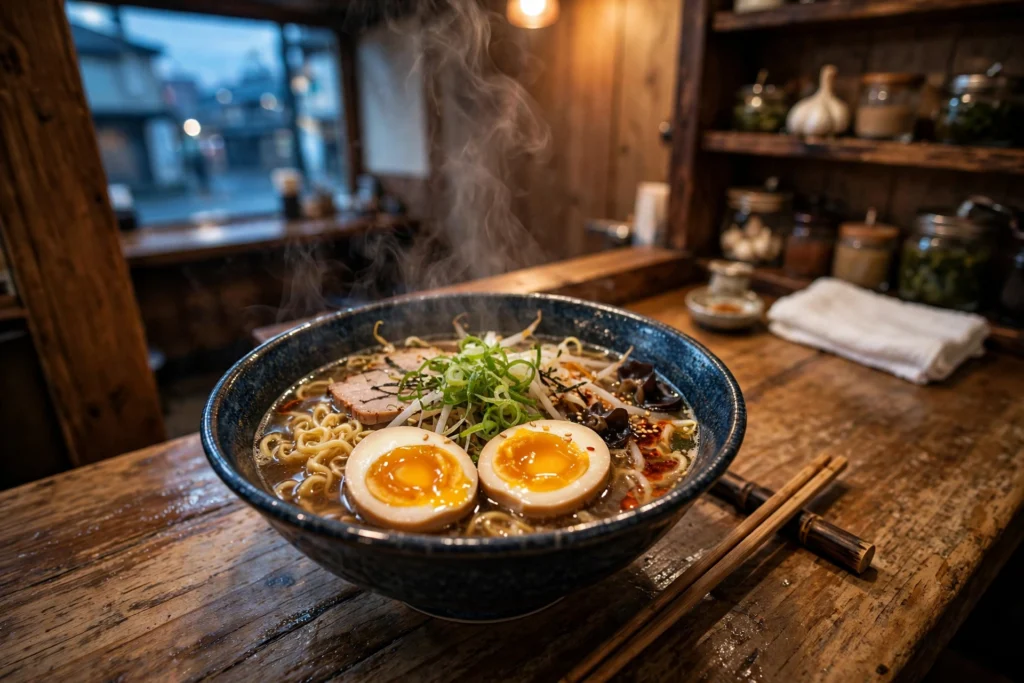
Food is the reason many people go to Japan, and it is the part of the trip that most often exceeds expectations, because the standard is high at every price. Tokyo has more Michelin stars than any other city, but the cheap eats are just as good, and the meal you will remember most is as likely to be a ¥900 bowl of ramen as a ¥30,000 dinner. The rule is simple: eat where the locals eat, eat at lunch when set meals are cheapest, and save the expensive dinners for two or three nights.
Ramen is the place to start, because it is Japan’s favourite comfort food and it comes in regional styles that are worth seeking out. Hakata ramen from Fukuoka is a rich pork-bone broth with thin, firm noodles. Sapporo ramen is miso-based and hearty, made for the cold. Tokyo’s shoyu ramen is a clear, soy-based broth, and Wakayama, Tokushima, Hakodate and Kitakata each have their own local take. Order from the ticket machine at the door, hand the ticket to the cook, and eat at the counter: the whole meal takes twenty minutes and costs less than a sandwich back home. Slurping is normal, and it is not required for every dish, but it is expected with noodles.
Sushi is the second essential, and it is a varied affair. At the top end, an omakase counter — where the chef chooses the fish and serves it piece by piece — is the meal to book months ahead, and the best counters in Tokyo are among the best meals in the world. On a budget, the conveyor-belt chains like Sushiro and Kura deliver a fun, excellent meal for a fraction of the price, and the department store food halls sell sushi sets that are better than most restaurants abroad. The fish is seasonal, and the menu changes with the catch: ask what is in season, and order it.
Kaiseki is the third meal to know about, and it is the one that explains Japanese food culture. It is a multi-course seasonal dinner, served in a ryokan or a specialist restaurant, and each course is a small work of art: soup, sashimi, a grilled dish, a simmered dish, rice, pickles and dessert, in that order. It is the dinner to book for your ryokan night in Hakone or Kyoto, and it is the meal that makes the ryokan price make sense. Beyond the big three, the everyday food is just as good: the konbini, or convenience stores — 7-Eleven, Lawson and FamilyMart — sell egg sandwiches, onigiri rice balls and fried chicken that are genuinely excellent meals, and they are open 24 hours. The department store basement food halls, depachika, are a paradise of bento boxes and sweets. Okonomiyaki in Osaka, takoyaki on the street, soba noodles in a mountain town, wagyu beef in Kobe, and the matcha sweets of Uji are the regional dishes to seek out as you travel.
Dietary restrictions need planning. Vegetarian and vegan options are growing, especially in Tokyo and Kyoto, but they can still be tricky, because dashi, the fish stock that underpins Japanese cooking, is in almost everything. Apps like HappyCow list the genuinely vegetarian restaurants, and the words to learn are “saishoku” for vegetarian and “began” for vegan, though a written card in Japanese explaining your restrictions works better than either. Allergies should be written down in Japanese and shown to the server, because spoken English is not always enough in a small restaurant. Table manners matter: never stand chopsticks upright in rice, which is a funeral offering; do not pass food from chopstick to chopstick; and do not pour soy sauce over the rice. Bowing, a small nod, is enough for greetings and thanks, and the bill is paid at the register rather than at the table in most restaurants.
Where to Stay in Japan: Ryokan, Business Hotels and Capsule Hotels
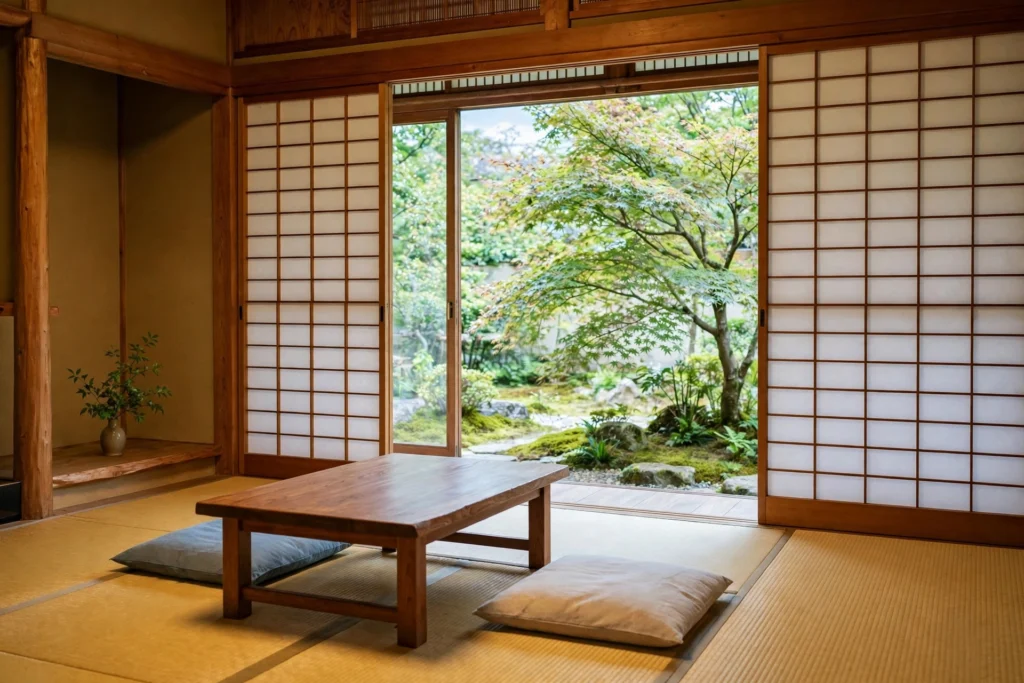
Where you stay in Japan is part of the trip in a way it is not in most countries, because the accommodation types are so different from each other, and each one gives you a different Japan. The three to know are the ryokan, the business hotel and the capsule hotel, and the right trip uses all three: the ryokan for the experience, the business hotel for the cities, and the capsule for the budget night or the late arrival.
The ryokan is the traditional inn, and one night in one is the essential Japanese stay. The room has tatami floors, futon bedding laid out while you eat, and a sliding door onto a garden. Dinner is kaiseki, breakfast is a Japanese set meal, and the onsen bath is the point of the evening. The classic ryokan night is in Hakone or Kyoto, and it is the most expensive night of the trip — but it is also the night you will remember. Book months ahead for sakura and koyo season, check whether the bath is private or shared, and note the check-in time, which is usually 3 p.m., with dinner served at a fixed hour. The onsen rules matter: wash thoroughly before entering the bath, enter naked, do not put a towel in the water, and do not enter if you have a visible tattoo unless the ryokan explicitly allows it — some do, some do not, and the private family baths are the workaround.
The business hotel is the workhorse of a Japan trip: compact, efficient, clean and reliable, with a small room, a small bathroom and a location near a station. The big chains — APA, Dormy Inn, Toyoko Inn, Super Hotel — are consistent, and Dormy Inn’s free late-night ramen and its onsen baths make it the best value of the group. The rooms are smaller than most American hotels, and the beds are narrower, so a couple should book a double rather than a twin, and a family should check the room size before booking. The capsule hotel is the budget option: a sleeping pod, usually gender-segregated, with shared showers and a lounge, for the price of a hostel bed. It is clean, safe and surprisingly comfortable, and it is the right choice for a single night in a city where you arrive late and leave early. Temple lodging, shukubo, is the fourth option, and it is the most unusual: stay at a Buddhist temple, join the morning service if it is offered, and eat shojin ryori, the vegetarian temple cuisine. Koyasan, the mountain temple town south of Osaka, is the best-known cluster.
The cost of the room now depends on the city as well as the hotel, because of the lodging taxes. Kyoto’s changed on 1 March 2026, and it is the one that affects your budget directly: the tax is charged per person per night, on the room-only charge excluding meals and consumption tax, and the top band reaches ¥10,000 a night for the most expensive rooms. The full table is below, from Kyoto City’s own lodging tax page.
| Kyoto room charge per person per night (room only, before tax) | Lodging tax per person per night |
|---|---|
| Under ¥6,000 | ¥200 |
| ¥6,000 to under ¥20,000 | ¥400 |
| ¥20,000 to under ¥50,000 | ¥1,000 |
| ¥50,000 to under ¥100,000 | ¥4,000 |
| ¥100,000 or more | ¥10,000 |
For most travellers the tax is ¥400 or ¥1,000 a night, which is a small addition to the bill — but it is charged per person, so a couple in Kyoto pays it twice, and a luxury ryokan night at ¥100,000 per person attracts the full ¥10,000. Other cities charge their own lodging taxes, usually ¥100 to ¥200 a night, and the tax is collected by the hotel, sometimes included in the booking price and sometimes added at check-in. You can read the official rates on Kyoto City’s lodging tax page. The practical advice is to stay in the east of Kyoto, near Higashiyama or Gion, to wake up among the temples; in Tokyo, near a Yamanote Line station; and in Osaka, near Namba for food or Umeda for transport. Book sakura and koyo season three to six months ahead, and book everything else at least a month ahead, because the good rooms in the good locations sell first.
Staying Safe in Japan: Earthquakes, Etiquette and Practical Rules
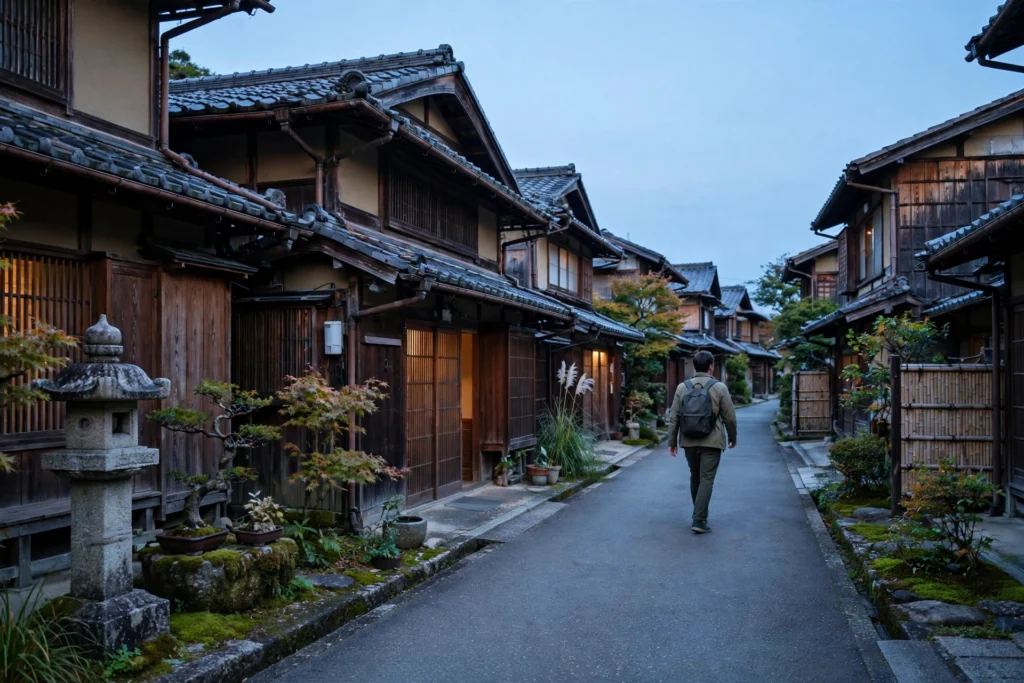
Japan is one of the safest countries in the world for visitors, and the US State Department’s Level 1 rating — “Exercise Normal Precautions,” issued 15 May 2025 — is the lowest on its scale. Violent crime is rare, the streets are safe at hours when other capitals empty out, and a wallet left on a train has a realistic chance of coming back with the cash still in it. The risks that do exist are specific, and they are the ones this section covers: the earth, the nightlife districts, and the rules of public behaviour that visitors break without knowing.
Earthquakes are the first thing to understand, because they are the risk that is genuinely different from home. Tremors are common, most are minor, and the country is built for them. A loud alarm on your phone is the Japan Meteorological Agency’s Earthquake Early Warning, and when it sounds, the drill is simple: drop, cover and hold on, protect your head, stay away from glass, and follow the instructions of station and hotel staff. Expect aftershocks, and do not use the lift. On the coast, a tsunami warning sign or siren means one thing: move to high ground immediately, on foot, without waiting to confirm. Typhoons are the other natural risk, from August into September, and the rule is the same as anywhere: check the forecast, do not travel into the storm, and let the trains stop — they will, and they will restart when it is safe.
The crime that does affect tourists has a geography, and it is the nightlife districts of Tokyo: Roppongi, Kabukicho in Shinjuku, and to a lesser extent Shibuya and Ikebukuro. The pattern the US State Department describes is consistent: touts invite visitors into bars or clubs, and the victims report drink spiking, assault, and huge bar bills charged to a card. The defence is simple and it works: do not follow a tout into a bar, do not leave a drink unattended, and do not hand over a card in a place you did not choose. Pickpocketing happens in crowded areas, on trains and at airports, as it does everywhere, and groping on crowded trains is a real problem that the women-only carriages in the morning rush exist to address. The emergency numbers are 110 for the police and 119 for fire and ambulance, and the Japan Visitor Hotline, run by the Japan National Tourism Organization, helps in English, Chinese and Korean, 24 hours a day, on 050-3816-2787. Enrol in the State Department’s Smart Traveler Enrollment Program before you go, so the embassy can reach you in an emergency.
Etiquette is the third part of staying safe, because in Japan the social rules are the safety net. Japanese public life runs on not causing meiwaku, or inconvenience to others. Keep your voice down on trains, and do not make phone calls on local trains and subways. Take your shoes off at a raised floor, a genkan entrance or tatami, and wear clean socks. Stand on the left of the escalator in Tokyo and on the right in Osaka, and follow the person in front of you. Do not eat while walking. Carry a small plastic bag for your rubbish, because public bins are rare, and the bin is usually at a convenience store or a station. Queue for everything, from trains to restaurants, and respect the line. None of this is difficult, and the effort is noticed and appreciated far more than perfect Japanese. For official planning information, the Japan National Tourism Organization’s site, japan.travel, is the authoritative starting point, and for the practical side of planning — budgets, packing and itineraries — our guides to how to prepare a travel budget and the best travel destinations will help you turn this guide into a trip.
Frequently Asked Questions About Japan Travel
What is the best time to visit Japan?
The two best times are spring, from late March to early April, for the cherry blossom, and autumn, from October to November, for the autumn leaves. Both offer mild weather and stunning scenery. Sakura season is the most popular but also the most crowded and expensive, and November in Kyoto is arguably the best all-round month for a first trip.
How many days do you need in Japan?
Ten to fourteen days is ideal for a first trip covering the Golden Route: 4 to 5 days in Tokyo, 3 to 4 days in Kyoto with day trips, 1 to 2 days in Osaka, plus a night in Hakone or the Fuji Five Lakes. Seven days covers the same route at a brisk pace. Two weeks allows a relaxed pace and a fourth region, such as Hiroshima or Hokkaido.
Is Japan expensive?
Less than many expect. Food offers excellent value, and city transport is efficient. The main costs are accommodation and long-distance shinkansen travel. Budget travellers manage on around ¥8,000–¥15,000 per person per day, a comfortable mid-range trip runs ¥15,000–¥30,000 a day, and the weak yen — about ¥159 to the dollar in November 2026 — makes Japan one of the best-value developed countries for American visitors.
Do I need a visa to visit Japan from the US?
No, for trips of up to 90 days. US passport holders enter Japan visa-free, and a visa is required only for longer stays or for work and study. Register on Visit Japan Web before you fly for the immigration and customs QR codes. JESTA, the planned pre-travel authorisation system, is planned for 2028 and is not in force for travel in 2026 or 2027.
Is the Japan Rail Pass worth it?
It depends on your route. The 7-day Ordinary pass costs ¥50,000 on the official site, or ¥53,000 through an overseas agent since 1 October 2026, and it only pays for itself if you make three or more long shinkansen journeys in seven days. On a simple Tokyo–Kyoto–Osaka loop, single tickets cost ¥29,470 and are cheaper. Do the arithmetic for your route before you buy.
Do I need to speak Japanese?
You can manage without it in major cities and tourist areas, where signage and many menus include English. Outside the cities, English is limited, so a translation app and a few polite phrases go a long way and are warmly received. Learn “arigato gozaimasu” for thank you and “sumimasen” for excuse me, and you will be fine.
Is Japan safe?
Yes. The US State Department rates Japan Level 1, “Exercise Normal Precautions,” its lowest advisory level, issued 15 May 2025. Violent crime is rare. The real risks are earthquakes, typhoons in late summer, and bar scams in a few Tokyo nightlife districts. Enrol in the Smart Traveler Enrollment Program and save the emergency numbers, 110 for police and 119 for fire and ambulance.
What is the best first trip to Japan?
The Golden Route: Tokyo, Kyoto and Osaka, with a night in Hakone. It covers the modern capital, the cultural heart and the food city, with Mount Fuji in between, and it works in 10 days. Add Hiroshima and Miyajima if you have 14 days, or Hokkaido in winter for the snow.
When is cherry blossom season in Japan?
Sakura peaks from late March to early April in Tokyo and Kyoto, and a week or two later further north. The exact peak moves by a few days each year with the weather, so check the forecast in the week you travel, and have a backup plan — the blossoms further north peak later, which gives you a second chance.
Can I use credit cards in Japan?
Yes, in cities, hotels and chain restaurants, and IC cards work almost everywhere a tourist goes. But cash still matters: small restaurants, shrines, rural shops and festival stalls are often cash-only. Carry yen, and use Seven Bank ATMs in 7-Eleven stores or Japan Post ATMs, which accept most foreign cards.
What should I pack for Japan?
Layers for spring and autumn, a light waterproof jacket, comfortable walking shoes — you will walk further than you expect — and a small bag for your rubbish, because public bins are rare. In winter, pack real cold-weather clothing for Hokkaido. In summer, pack for heat and humidity, and carry water. A portable charger is essential, because your phone is your map, your train timetable and your translator.
How do I get from the airport to Tokyo?
From Haneda Airport, the train takes about 30 minutes to central Tokyo. From Narita Airport, the Narita Express takes about an hour. Buy or set up your IC card and your data plan before you leave the airport, and check the last train time if you arrive late, because Tokyo’s trains stop around midnight.
Conclusion: Japan Is a Trip You Plan Once and Remember for Years
Japan is the rare destination that is both easier and better than its reputation. Easier, because the trains run on time, the signs are in English, the country is safe, and the food is good at every price. Better, because the Japan you actually meet — the dawn walk through a thousand red gates, the steam rising off an outdoor bath with Fuji on the horizon, the bowl of ramen eaten standing at a counter in a station — is more vivid than the Japan of the postcards. Plan it properly, with the seasons, the train arithmetic and the reservations done before you fly, and then let the trip breathe: leave one day unplanned, walk one neighbourhood without a destination, and eat one meal you did not research. That is the day you will remember, and it is the reason this japan travel guide exists. Book the flights, set the dates, and go — Japan in 2026–27, with the yen in your favour and the country fully open, is the best time in years to make the trip.
People also read:
- How Much to Travel to Japan — the line-by-line cost breakdown behind the budget in this guide
- Christmas Travel — what December travel looks like, including Japan’s winter illuminations
- Taiwan Travel Guide — the island that pairs best with a Japan trip
- Best Travel Destinations — the places worth building a trip around
- Travel Experience — what makes a trip memorable, beyond the checklist
- Travel for Work — how to keep travelling when the office comes too
- Mauritius Travel — a tropical island escape for the next trip
- Hanoi Travel — another Asian capital, at a very different price
- Belize Travel — beaches, reefs and ruins in Central America
- Kauai Travel — the greenest Hawaiian island, done properly
- Cabo Travel — desert, sea and sunshine at the tip of Baja California

M. Adil is the founder and editor of SoloTravelPro. He writes practical, research-based travel guides that help travellers plan with confidence — from first-time city breaks to national parks and island escapes. Every guide is built on official sources, current prices and honest, usable advice, so readers can plan smarter and travel better.