Quick Answer: Is It Safe to Travel to Belize Right Now?
Yes — with increased caution, and with your eyes open. Is it safe to travel to Belize right now is a question with a qualified yes for most visitors in November 2026. The US State Department rates Belize Level 2: Exercise Increased Caution because of crime, the same level it gives to France, Italy and the United Kingdom. The cayes, the beach towns and the inland jungle towns where tourists actually spend their time — San Pedro, Caye Caulker, Placencia, Hopkins and San Ignacio — remain open and welcoming, and thousands of visitors are travelling there right now without incident.
But this is not a “nothing to worry about” answer, and any guide that gives you one is not being honest with you. Three things make Belize different from a routine beach holiday right now. First, violent crime is a real and serious problem in Belize, concentrated in Southside Belize City, which the US rates separately at Level 3: Reconsider Travel. Second, a 30-day state of emergency is in force from 1 to 30 November 2026 in parts of Belize City, Ladyville and two villages in the Cayo District, which means checkpoints, more police and soldiers on the streets, and a legal duty to carry ID in those areas. Third, the practical safety net is thin: local police lack the resources to respond effectively to serious crime, most crimes go unsolved, and emergency medical services are usually unavailable or significantly delayed — so a serious injury normally means medical evacuation to another country.
None of that means you should cancel a trip to the reef. It means you should plan the trip Belize actually requires: stay out of Southside Belize City entirely, avoid driving between towns after dark, keep your valuables out of sight, drink bottled water, buy travel insurance that covers medical evacuation, and check the official advisories again in the week before you fly. Do those things, and the Belize most travellers experience — turquoise water over the barrier reef, slow days on Caye Caulker, jungle rivers and Maya temples around San Ignacio — is there waiting for you.
This guide gives you the full picture in plain language: what the official advisories actually say, what the state of emergency means for a tourist in practice, safety area by area, the scams and what they cost, road safety, health, hurricane season, the laws visitors most often break by accident, and the emergency numbers to save before you go. Everything about the advisories and the state of emergency was checked against the official government pages on 16 November 2026, and the dates are given so you can check them again yourself.
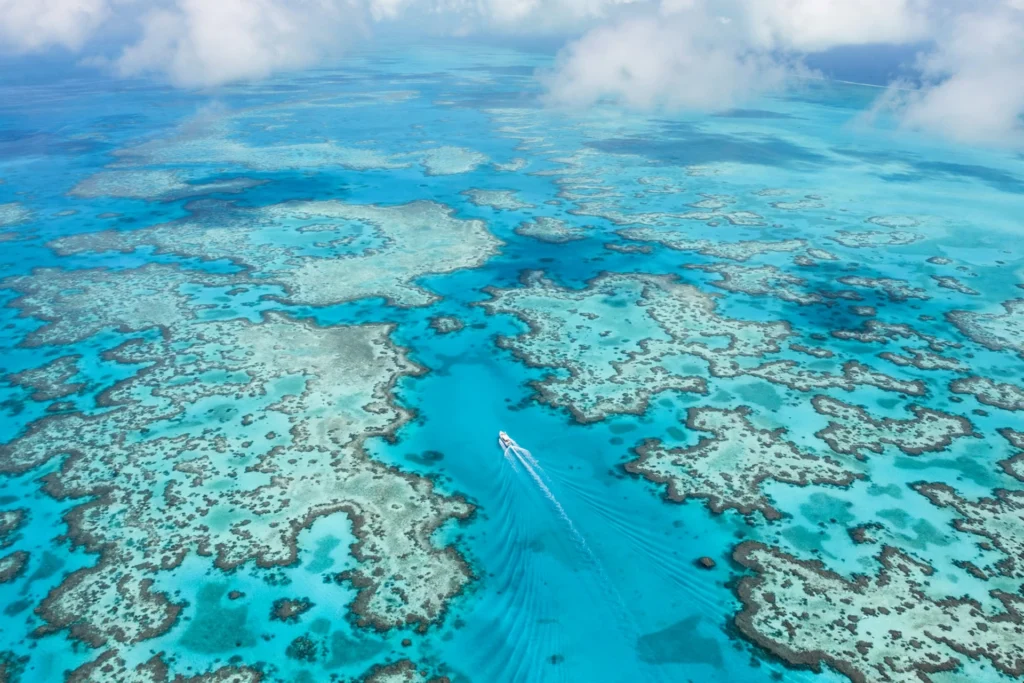
Is Belize Safe to Travel to in 2026? The Short Answer
For most travellers, on a normal tourist itinerary, yes. Belize is safe to visit in the sense that matters most: the places tourists go are not the places where the violence happens, and the violence that does happen is overwhelmingly gang-related and concentrated in one part of one city. San Pedro on Ambergris Caye, Caye Caulker, Placencia, Hopkins and San Ignacio are resort and small-town destinations where visitors walk to dinner, hire snorkel boats and take jungle tours every day. Our Belize travel guide covers all of them in detail, and the safety advice in this article is built to sit alongside it: this is the “is it safe” companion to the “what to do” guide.
The honest version of the short answer has three parts, and you need all three before you decide.
First, the crime picture is genuinely serious — but it is also genuinely localised. The US State Department’s advisory summary puts it bluntly: isolated incidents of violent crime can happen even during the day and in tourist areas, though the south side of Belize City has historically had the highest concentration of violent crime, and much of that violence is linked to gangs. The crimes it names are sexual assault, home invasions, armed robberies and murder. Canada’s advice is blunter still: Belize has one of the highest per-capita murder rates in the world, and violent crime is a major concern elsewhere in the country too, including in the capital, Belmopan. That is not language governments use lightly, and it is the reason this article does not present Belize as risk-free. At the same time, the same Canadian advice notes that tourists are not usually the target of gang violence — the danger for a visitor is being in the wrong place at the wrong time, and the places where that happens are specific and avoidable.
Second, the state of emergency changes the feel of a trip in the affected areas, not the trip itself. If your itinerary is San Pedro, Caye Caulker, Placencia or San Ignacio, the emergency will mostly reach you as news, not as an experience: you may pass a checkpoint on the road between the airport and the city, and you should carry ID. If your itinerary includes Belize City, Ladyville or the Cayo villages of Cotton Tree and Unitedville, you will see more police and soldiers, and you should expect delays. The emergency is a domestic policing order, not a travel ban and not a curfew notice. It does not close the airport, the water taxis or the reef. The full detail — exactly which areas, exactly what powers, and what to do at a checkpoint — is in the state of emergency section below.
Third, Belize punishes carelessness more than most beach destinations. The risks that actually catch visitors are not dramatic: a phone snatched on a busy street in San Pedro, a bag taken from an unlocked golf cart, an ATM that skims a card, a drink left unattended, a drive after dark on a road with no markings and no lighting, a swim alone in a strong current. The official advice is consistent on this point across all three governments that publish it. Stay aware of your surroundings, do not walk or drive at night, do not display signs of wealth, do not physically resist a robbery, be extra vigilant at banks and ATMs, and keep your doors and windows locked. Those are not generic travel platitudes in Belize; they are the specific behaviours the advisories name, because they are the ones that prevent the crimes that actually happen.
So who should go, and who should wait? If your trip is the classic Belize itinerary — fly into Belize City, transfer straight to the cayes or to San Ignacio, spend your days on the reef or in the jungle, and fly home — go, with the precautions in this guide. If your trip depends on spending nights in Belize City, exploring the south side of the city, or driving the country at night, rethink it: stay north of Haulover Creek if you must overnight in the city, or skip the city altogether and transfer directly to the cayes. If you cannot get travel insurance that covers medical evacuation, do not go without it — in Belize, that cover is not a nice extra, it is the safety net. And if the state of emergency is extended beyond 30 November, or the advisory level changes, reassess: check the US State Department Belize advisory again before you travel, and again if your plans change mid-trip.
What the Official Travel Advisories Say About Belize Right Now

Before you trust any blog — including this one — check what governments say. Three major governments publish Belize travel advice, and as of 16 November 2026 they agree on the substance even though they use different scales: exercise increased caution across the country, and stay out of Southside Belize City.
| Government | Level for Belize | Date | What it flags |
|---|---|---|---|
| United States (State Department) | Level 2: Exercise Increased Caution (second of 4 levels) | Issued 12 March 2026; summary updated 18 June 2026 | Crime; isolated violent crime can happen even during the day and in tourist areas; Southside Belize City Level 3 |
| United Kingdom (FCDO) | No advice against travel to any part of Belize | Updated 5 November 2026 | State of emergency; theft in San Pedro, Caye Caulker, Placencia and San Ignacio; road accidents; hurricane season |
| Canada | Exercise a high degree of caution (second of 4 levels); Southside Belize City — avoid non-essential travel | Updated 3 November 2026 | High levels of violent crime throughout the country; state of emergency; one of the highest per-capita murder rates in the world |
A note on dates, because you will see different ones online. Some secondary sources quote the US advisory as issued on 11 March 2026. The advisory itself was reissued on 12 March 2026, and the State Department’s own country-information page carries a date of 18 June 2026 — that is the date the summary was updated, not a new advisory. The level has not changed since March: Level 2 nationally, Level 3 for Southside Belize City. The UK and Canada dates are the dates their pages were last updated, and both updates were made specifically to add the state of emergency — the UK on 5 November 2026 and Canada on 3 November 2026. When you check these pages yourself, look for those dates; if they have moved, read the new text before you rely on anything in this article.
What Level 2 actually means
The US uses four levels. Level 1 is “exercise normal precautions” — the lowest. Level 2, “exercise increased caution,” is the second. Level 3 is “reconsider travel” and Level 4 is “do not travel.” Level 2 is the level the US gives to many of the world’s most visited countries, including France, Italy and the United Kingdom, and it does not mean “do not go.” It means the risk is higher than at home in a specific, named way — here, crime — and that you should take specific, named precautions. The advisory’s own summary names them: stay aware of your surroundings, avoid walking or driving at night, do not physically resist any robbery attempt, be extra vigilant when visiting banks or ATMs, and do not display signs of wealth such as expensive watches or jewellery.
The Level 3 rating for Southside Belize City is a different thing, and it is worth understanding the distinction. Level 3 means the State Department thinks you should reconsider travel to that specific area because of crime — gang-related violent crime, in this case. The area is defined precisely: the south side of Belize City from the Haulover Creek Canal continuing south to Fabers Road. US government employees are strongly discouraged from travelling there at all, and from driving between cities in Belize after dark. For a tourist, the practical translation is simple: do not go to Southside Belize City. There is no tourist reason to be there — the hotels, the water-taxi terminals, the airport transfer routes and the historic sites visitors use are north of Haulover Creek or outside the city altogether.
The US advisory also contains a warning that matters more than it first appears: local police lack the resources and training to respond effectively to serious crimes, most crimes remain unresolved and unprosecuted, and emergency medical services are usually unavailable or significantly delayed. That is why the same page strongly recommends travel insurance with medical evacuation cover, and why the emergency-numbers section of this guide tells you to save the US Embassy’s number as well as 911. If something serious happens, the embassy is the institution most likely to be able to help you quickly.
Canada’s advice adds detail the US page does not emphasise. It names the tourist areas where violent incidents against foreign residents have occurred — Caye Caulker, Hopkins, Placencia, San Pedro, San Ignacio, Corozal and Seine Bight — which is a useful corrective to the idea that crime stops at the city limits. It does not stop there; it is less concentrated there, and the crimes in tourist areas are more often robbery, burglary and assault than gang shootings. Canada also warns about credit and debit card and ATM fraud, which it says occurs frequently, especially at tourist destinations, and about spiked food and drinks. Its advice for women travelling alone is direct: women travelling alone may be subject to harassment and verbal abuse, and cases of sexual assault, including against foreigners, occur.
The UK advice, updated on 5 November 2026, is the shortest of the three but adds two points the others do not. First, it warns that tourists are vulnerable to theft in San Pedro, Caye Caulker, Placencia and San Ignacio — the same four places every Belize itinerary visits — and advises keeping expensive jewellery and other valuables out of sight, using cash machines in well-lit public places or inside banks, and avoiding dark alleys. Second, it records that after a small passenger aircraft was hijacked on an internal flight on 17 April 2025, the Belize Airports Authority announced security enhancements at municipal airstrips — worth knowing if you are taking a domestic flight to San Pedro or Placencia, and a reminder to arrive early for those flights.
One more practical step the US advisory asks of its citizens, and which is good advice for everyone: enrol in the Smart Traveler Enrollment Program (STEP) before you travel, so the US Embassy can contact you with updates and alerts. British and Canadian travellers have their own equivalents, and all three governments publish email-alert sign-ups on their Belize pages. Whatever your nationality, check your own government’s page in the week before you fly — the US State Department Belize advisory, the UK Foreign Office Belize travel advice and the Government of Canada Belize travel advice — and check again if the state of emergency is extended or the advisory level changes. This article was checked against those pages on 16 November 2026, and the levels above are the ones they showed then.
The State of Emergency in Belize: What It Actually Means for Tourists
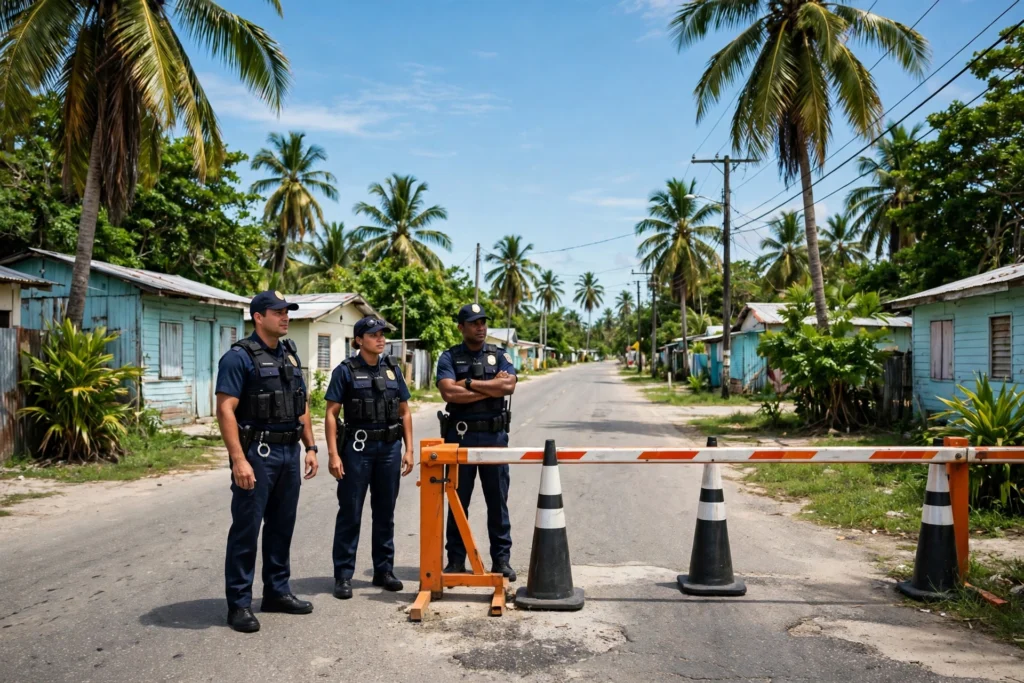
The single biggest change to Belize travel since the spring is the state of emergency, and it is also the single most misunderstood one. Here is what it is, where it applies, and what it actually means for a tourist.
What happened, and when
On 31 October 2026 the Government of Belize declared a 30-day state of emergency — formally a State of Public Emergency — following a sharp rise in violent crime. The proclamation, Statutory Instrument No. 130 of 2026, was signed by Governor-General Dame Froyla Tzalam, gazetted on 31 October, and took effect on 1 November 2026. The UK Foreign Office dates the announcement to 1 November; Canada dates the declaration to 31 October. Both are describing the same order. It remains in force for up to one month — which means it ends on 30 November 2026 — unless it is revoked earlier. Any extension requires a resolution of the National Assembly, so an extension is a public, political decision, not something that happens quietly. If you are travelling after 30 November, check whether it was extended before you rely on anything in this section.
Where it applies
The emergency does not cover the whole country. It applies to specific, named areas:
- Belize City: parts of Northside and Southside Belize City, including the Southside and Westside and the northern parts of the city including the Philip Goldson Highway to Ladyville
- Belize District: areas of Ladyville, plus Lord’s Bank, Los Lagos, Lake Gardens and Vista del Mar
- Cayo District: the villages of Cotton Tree and Unitedville, including all streets and residential areas running parallel to the George Price Highway
- The Coastal Highway between La Democracia and Hope Creek
Read that list carefully, because it is the most useful paragraph in this article. The cayes — Ambergris Caye and Caye Caulker — are not on it. Placencia, Hopkins, San Ignacio town and Belmopan are not on it. The reef, the Blue Hole, the ATM Cave, Xunantunich and Caracol are not on it. The emergency covers parts of the city most tourists pass through quickly, a stretch of the Coastal Highway, and two villages in Cayo. If your itinerary is the classic one — airport, water taxi, caye, jungle lodge — the emergency zones are places you drive through or past, not places you stay.
What powers it gives, and what you will actually experience
While the state of emergency is in effect, security forces have the power to restrict freedom of movement, conduct search and seizures, and detain persons of interest. In practice, for a tourist, that translates into four things:
- More police and soldiers, and more checkpoints. Expect an increased police and military presence in the affected areas, and expect to be stopped at checkpoints — including on the Coastal Highway and on the roads around Belize City. Canada’s advice is explicit: stop at all checkpoints. Slow down, follow instructions, and do not argue.
- Carry valid ID at all times. All three governments say this, and it is the single most important practical instruction in this section. Carry your passport or a copy of it plus another photo ID when you are in or passing through an affected area, and keep the original in your hotel safe when you are on the cayes. If you are stopped and cannot show ID, you can be detained while your identity is checked.
- Transport delays. Canada warns travellers in the affected areas to anticipate transportation delays and disruptions. Build extra time into airport transfers, especially if your route runs through Belize City or along the Coastal Highway, and do not book a tight connection on arrival day.
- Follow local instructions and monitor local media. The UK advice says to carry valid ID, remain vigilant, follow the instructions of local authorities and monitor local media for updates. If police tell you a road is closed or an area is off limits, do not test it.
What it is not
The state of emergency is a domestic policing order, not a travel ban. It does not close Belize to visitors, it does not close the international airport, it does not stop the water taxis, and it does not cancel reef trips. It is also not a change to any foreign government’s advisory level: the US still rates Belize Level 2, and the UK still advises against travel to no part of the country. What it is, is a sign that the government considers gang violence in and around Belize City serious enough to need extraordinary policing powers for a month — and a reason to take the rest of this guide seriously rather than treating it as boilerplate.
If you are travelling during the emergency
A short checklist for a trip inside the 1–30 November 2026 window: carry ID whenever you leave your hotel; keep your passport in the hotel safe and carry a copy plus a driving licence or other photo ID day to day; allow an extra hour for any transfer that passes through Belize City; do not plan to drive the Coastal Highway after dark; avoid Southside Belize City entirely; keep your phone charged and the embassy number saved; and check the UK Foreign Office Belize travel advice and the Government of Canada Belize travel advice for updates while you are there, since both pages were updated specifically to carry the emergency information and will be updated again if it is extended or revoked. If you are travelling after 30 November, check first whether the emergency was extended — and if it was, the same checklist still applies.
Is Belize Safe for Tourists? Crime, Violence and Petty Theft
This is the section most guides get wrong, usually by giving you one of two false answers: either “Belize is perfectly safe, don’t worry” or “Belize is dangerous, don’t go.” The truth, as the official advisories describe it, is narrower and more useful than either.
Violent crime: who it happens to, and where
Violent crime in Belize is real, and the governments that track it do not soften their language. The US advisory names sexual assault, home invasions, armed robberies and murder, and says much of the violence is linked to gangs. Canada says Belize has one of the highest per-capita murder rates in the world, that drug and human trafficking, organised crime and street gang activity are prevalent, and that violent crime occurs frequently. The UK notes that serious gang-related violence takes place primarily in Belize City south of Haulover Creek.
The crucial qualifier, which all three governments also state, is about who the violence is aimed at. Tourists are not usually the targets of gang violence. Gang members use weapons to resolve disputes with each other and to control territory for illegal activity, and clashes happen frequently between gangs in Southside Belize City. A tourist’s risk from gang violence is the risk of being in the wrong place at the wrong time — near an incident, on a street where a dispute erupts, or in a neighbourhood where gangs operate. That is a real risk, and it is the reason for the Level 3 rating on Southside. It is also a risk you can reduce to almost nothing by not going to Southside Belize City, by not walking in Belize City at night, and by not being out in the city after dark at all.
Outside Southside, violent crime against visitors is less common but not absent. Canada names the tourist areas where violent incidents against foreign national residents have occurred — Caye Caulker, Hopkins, Placencia, San Pedro, San Ignacio, Corozal and Seine Bight — and lists murders, armed robberies, burglaries and assaults, including sexual assaults, among the incidents. The US advisory agrees that isolated incidents of violent crime can happen even during the day and in tourist areas. The pattern is important: in the tourist areas the crimes are more often robbery, burglary and assault than gang shootings, and they are more often opportunistic than targeted. A tourist who is visibly wealthy, drunk, alone late at night or careless with their belongings is a much easier target than one who is not.
Petty theft: the crime most visitors actually meet
Petty crime is the crime you are most likely to experience in Belize, and it is the one the advisories spend the most practical words on. Pickpocketing and bag snatching occur, and criminals often operate in groups and sometimes target individuals travelling alone. The UK warns that tourists are vulnerable to theft in San Pedro, Caye Caulker, Placencia and San Ignacio, and the US notes that tourists are sometimes targeted, especially at resorts and along roads and rivers.
The classic Belize petty crimes are simple and preventable. A phone left on a beach towel while you swim. A bag hanging on the back of a chair in a restaurant. A wallet in a back pocket on a crowded street. A golf cart left unlocked with a bag in it — golf carts are the main transport on Ambergris Caye and Caye Caulker, and an unlocked cart is an open invitation. A hotel room left with the door or window open. None of these needs a gang; they need a moment of inattention and an easy target.
The precautions are the ones the advisories repeat because they work: keep your personal belongings, including your passport and other travel documents, in a secure place; do not show signs of affluence or wear expensive jewellery; do not carry large sums of cash or valuables unnecessarily; avoid walking alone, especially at night; stay in accommodation with adequate security measures; and keep doors and windows closed and locked at all times. On the beach, take only what you need and keep it where you can see it. In a restaurant, keep your bag on your lap or between your feet, not on the chair behind you. On a golf cart, take your bag with you when you get off, every time.
What to do if you are robbed
The advice is the same from every government, and it is worth memorising: do not resist. Do not physically resist any robbery attempt. Hand over what is asked for, stay calm, and get away safely. Your phone and wallet are replaceable; you are not. Afterward, report the incident to the local police by visiting the nearest police station or dialling 911, and do it before you leave the country — Belize police do not accept virtual or email statements, and they can only investigate if you have filed an official statement requesting charges. The US Embassy can help you get a copy of the police report, replace a stolen or lost passport, help you find medical care and contact relatives or friends with your written consent. Save the embassy number before you need it; it is in the emergency-numbers section at the end of this guide.
One more point, because it surprises people: the US advisory warns that tourists under the influence of alcohol can be targeted or taken advantage of, including sexual assault or rape, and that criminals drug drinks to rob or sexually assault victims. Canada says the same about spiked food and drinks. Never leave your food or drinks unattended or in the care of strangers, and do not accept snacks, beverages, gum or cigarettes from new acquaintances. If you feel ill after a drink, seek medical help immediately and tell someone you trust what happened.
Safety in Belize by Area: San Pedro, Caye Caulker, Placencia, San Ignacio, Belmopan and Belize City
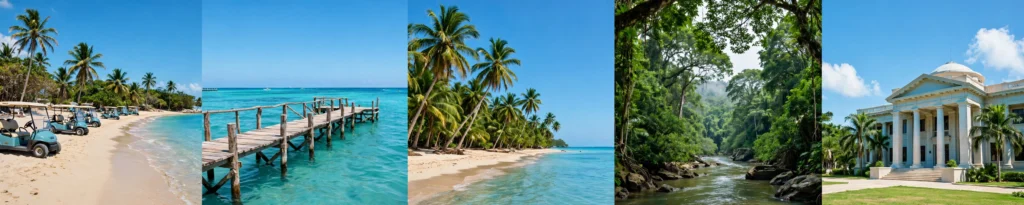
Belize is a small country, but safety varies sharply from one place to another. The table below is the summary; the sections after it give the detail. Use it to choose where to stay, and to decide what “be careful” means in each place.
| Area | Overall verdict | Main risks | At night |
|---|---|---|---|
| San Pedro, Ambergris Caye | Safest large tourist hub; exercise increased caution | Theft, bag snatching, golf-cart theft, ATM fraud | Walk on lit main streets in a group; take a taxi or cart, do not walk alone on quiet streets |
| Caye Caulker | Very relaxed; exercise increased caution | Petty theft, bag snatching, drink spiking | Quiet and safe-feeling, but the same rules apply: lock up, do not walk alone late |
| Placencia | Relaxed beach town; exercise increased caution | Theft, burglary, card fraud | Stay on lit streets; lock accommodation; avoid empty beaches after dark |
| Hopkins and the southern coast | Relaxed; exercise increased caution | Theft, burglary | Small-village feel; lock up and avoid isolated stretches after dark |
| San Ignacio and Cayo District | Busy inland town; exercise increased caution | Theft in town, card fraud; border-area crime near Caracol | Stay in town centre at night; do not drive remote roads after dark |
| Belmopan | Capital; exercise increased caution | Violent crime is a concern here too, per Canada | Avoid quiet streets after dark; use registered transport |
| Belize City, Northside | Transit city; be careful | Theft, robbery; emergency zones in the north of the city | Do not walk at night; transfer directly to the cayes or your hotel |
| Belize City, Southside | Avoid — Level 3, reconsider travel | Gang violence, shootings, armed robbery, murder | Do not go, day or night |
San Pedro, Ambergris Caye
San Pedro is where most Belize trips begin, and it is the most developed tourist town in the country: the most hotels, the most restaurants, the most tour boats, and the most visitors. That also makes it the place where petty crime is most reported. The UK names San Pedro first among the places where tourists are vulnerable to theft, and Canada lists it among the tourist areas where violent incidents against foreign residents have occurred. The practical picture is a busy, walkable beach town where the risks are theft and opportunism, not gang violence. Lock your golf cart every time you leave it. Do not leave a bag in it. Keep your phone out of your hand on the street. Use ATMs inside banks or in well-lit public places, cover the keypad, and check your statements for unauthorised transactions — card and ATM fraud occur frequently at tourist destinations, according to Canada. At night, stick to the lit main streets, go in a group, and take a cart or a taxi rather than walking a quiet street alone. Our Belize travel guide covers San Pedro’s neighbourhoods, where to stay and how the golf-cart system works, so you can plan your base before you arrive.
Caye Caulker
Caye Caulker is smaller, slower and quieter than San Pedro — the island with the motto “go slow” — and it feels safer, because it mostly is. There are no cars, the streets are sand, and the whole island is walkable in twenty minutes. But “relaxed” is not the same as “risk-free.” Canada lists Caye Caulker among the tourist areas where violent incidents against foreign residents have occurred, and petty crime — pickpocketing, bag snatching, theft from rooms — happens here too. The Split, the island’s famous swimming spot, is busy and social during the day and quieter at night; do not leave belongings unattended there. The same rules apply as everywhere else: lock your room, keep valuables out of sight, do not walk alone late at night, and watch your drink.
Placencia and Hopkins
Placencia is a long, narrow peninsula with a village at its tip, a beach on one side and a lagoon on the other, and it is the most relaxed base on the mainland coast. Hopkins, a Garifuna village further north on the southern coast, is smaller and quieter still. Both are the kind of places where visitors let their guard down completely — and that is exactly when petty theft happens. Canada lists Placencia, Hopkins and nearby Seine Bight among the areas where violent incidents against foreign residents have occurred, and burglary is the crime most often reported from beach houses and guesthouses here. Lock your doors and windows, even during the day. Do not leave valuables visible through a window. Avoid empty stretches of beach after dark, and do not swim alone. If you are in the south in mid-November, Garifuna Settlement Day on 19 November is a joyful festival centred on Dangriga and Hopkins — go, enjoy it, and go with the same precautions you would use at any crowded festival.
San Ignacio and the Cayo District
San Ignacio is the inland hub: a busy market town on the river, the base for the ATM Cave, Xunantunich, Caracol and the jungle lodges. It feels like a working Belizean town rather than a resort, and that is part of its charm. The UK names San Ignacio among the places where tourists are vulnerable to theft, and Canada lists it among the areas where violent incidents have occurred. In town, the risks are the usual ones — pickpocketing, bag snatching, card fraud — and the usual precautions apply. Outside town, two specific things matter. First, do not drive the remote roads after dark, and do not drive to Caracol or other remote sites without a guide and a suitable vehicle; the roads are rough, the jungle is real, and help is far away. Second, the Cayo villages of Cotton Tree and Unitedville are inside the state of emergency area, so if your route passes through them, carry ID and expect a checkpoint. The border areas near Guatemala, including the area around Caracol, see higher criminal activity, and the US and Canadian advice both warn that armed criminals have been active in remote forested areas near the Guatemala border, including close to tourist sites — go with a licensed guide, stay on the marked routes, and do not cross at unofficial points.
Belmopan
Belmopan is the capital, a small, quiet, planned city inland, and the home of the US Embassy. Visitors pass through it on the way to San Ignacio or stay overnight on the way to the coast. Canada specifically notes that violent crime is a major concern elsewhere in the country, including in the capital, Belmopan — so do not treat it as a safe bubble. The same rules apply: avoid quiet streets after dark, use registered transport, lock up, and keep valuables out of sight. On the practical side, Belmopan is where you will find the embassy if you need it, and where the better hospitals are.
Belize City: Northside and Southside
Belize City is the place most visitors misunderstand. It is the country’s largest city and the gateway — the international airport is here, and the water taxis to the cayes leave from here — but it is not a tourist destination in itself, and it is the one place in Belize where the safety picture is genuinely serious. The city is divided by Haulover Creek. North of the creek is the Northside: the water-taxi terminals, the hotels most visitors use, the historic Swing Bridge and the museum. South of the creek is Southside: Level 3, reconsider travel, gang-related violent crime, and the area the US government tells its own employees not to enter.
For a tourist, the rule is simple and non-negotiable: do not go south of Haulover Creek. Plan your arrival so you transfer directly from the airport to the water taxi or to your hotel on the Northside, and do not wander the city at night. During the state of emergency, parts of both Northside and Southside are inside the emergency area, so expect a police presence and possible checkpoints even on the Northside, and carry ID. If you have a choice, overnight on the cayes or in San Ignacio rather than in Belize City, and treat the city as a transit point, not a base. If you do stay the night, choose a hotel with good security, stay on lit streets, take a registered taxi with green plates, and do not walk after dark.
Is Belize Safe for Solo Female Travellers?
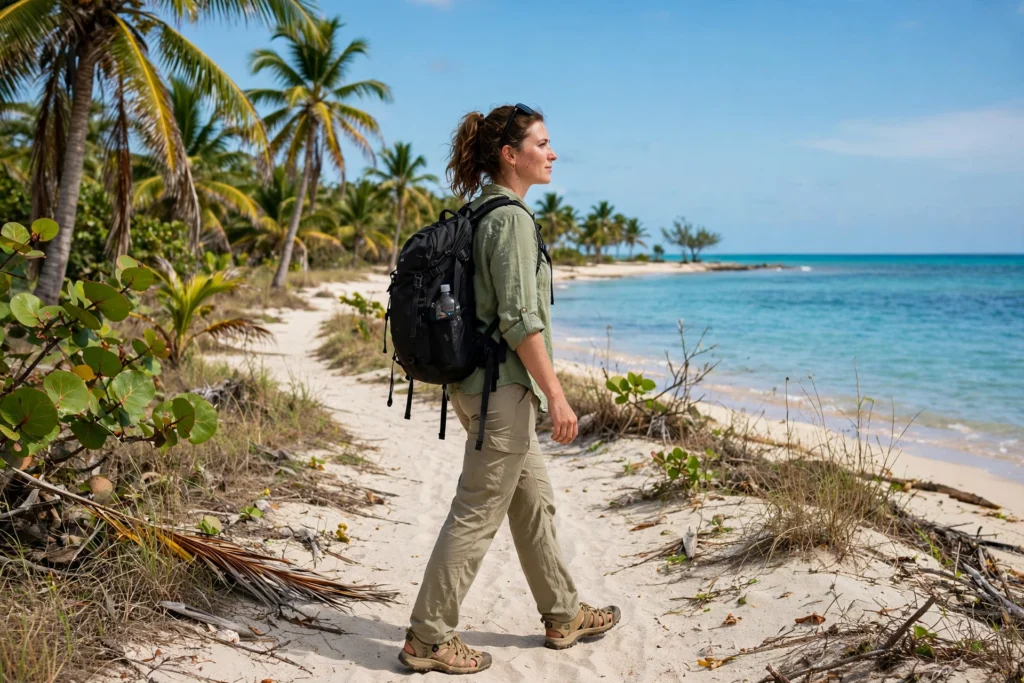
Yes, with the same increased caution that applies to everyone in Belize, plus a few precautions that are specific to travelling alone as a woman. Belize is a popular destination for women travelling on their own — the cayes and San Ignacio see plenty of them — and the day-to-day experience for most is relaxed and friendly. But the official advice is direct, and this guide repeats it directly rather than softening it: the US advisory states that women travelling alone or in small groups are targets for sexual assault, even in tourist areas. Canada says women travelling alone may be subject to harassment and verbal abuse, and that cases of sexual assault, including against foreigners, occur.
That does not mean you should not go. It means you should plan like a traveller who has read the advice, not like one who has not. The practical rules are straightforward and they work:
- Choose your base carefully. Stay on the cayes, in Placencia or in San Ignacio town, in accommodation with good security — a lockable room, a safe, a reception that is staffed at night. Read recent reviews from other women travelling alone before you book.
- Do not walk alone after dark. This is the single most repeated instruction in the official advice, and it applies doubly to a woman alone. In San Pedro and Placencia, take a golf cart or a registered taxi at night rather than walking, even a short distance. In Belize City, do not walk at night at all.
- Do not accept offers of transport from strangers, and do not hitchhike. Canada lists this explicitly. Use registered taxis with green plates, confirm the fare before you get in, and never share a taxi with strangers.
- Watch your drink, always. Never leave food or drinks unattended or in the care of strangers, and do not accept snacks, beverages, gum or cigarettes from new acquaintances. Drink spiking is a named risk in both the US and Canadian advice.
- Avoid unattended beaches and dark alleys. Canada names both. Swim where other people are, and do not go to an empty stretch of beach alone, especially after dark.
- Tell someone your plans. Leave your itinerary with a friend or family member at home, check in regularly, and use a travel app to share your live location with someone you trust. Our travel apps guide covers the safety and offline-map apps that are most useful for a trip like this.
- Trust your instincts and leave. If a situation, a street, a person or a tour feels wrong, leave. You do not owe anyone an explanation, and you do not owe a guide or a driver your continued company.
If you are a woman planning a trip on your own and want a destination comparison, our guide to the best places to travel solo female in the US covers the same kind of planning — choosing a base, transport at night, and what to do when something feels off — for domestic trips. The Belize version of the same logic is simpler: pick the cayes or San Ignacio, stay in well-reviewed accommodation, do not walk alone at night, and keep your evenings social and lit.
One more point worth making plainly: harassment and assault are not your fault, and if something happens, report it. Report the incident to the local police by visiting the nearest police station or dialling 911, and contact the US Embassy, which can help you get a copy of the police report, find medical care and contact relatives or friends with your written consent. The embassy’s number is in the emergency section at the end of this guide.
Is Belize Safe at Night?
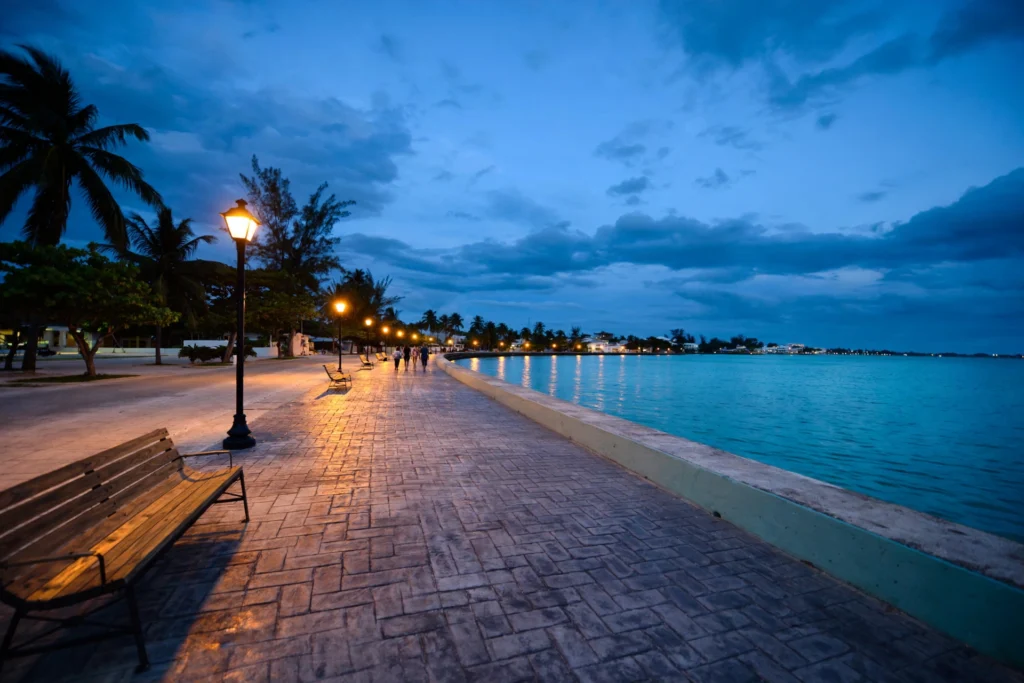
Belize changes after dark, and the change is the most important thing to understand about safety in the country. During the day, the tourist areas are busy, social and open. After dark, the streets empty, the lighting is poor, and the risks the advisories describe — robbery, assault, road accidents — all rise sharply. Every government that publishes Belize advice says the same thing in different words: avoid walking or driving at night.
The night rules are not complicated, but they are not optional either:
- Do not drive between cities after dark. The US advisory is explicit, and US government employees are strongly discouraged from doing it. Belizean roads are poorly lit, often lack markings, reflectors and shoulders, and are shared with cyclists and pedestrians who often have no reflectors or bright clothing. Bridges on major highways can narrow to a single lane without warning, and roadside assistance is frequently unavailable. If your flight lands late, overnight near the airport or in Belize City on the Northside and travel onward in the morning.
- Do not walk alone at night, anywhere. In San Pedro and Placencia, walk on the lit main streets and go in a group. In Belize City, do not walk at night at all — take a registered taxi. In smaller places like Caye Caulker and Hopkins, the streets are quieter and feel safer, but the same rule applies: the quieter the street, the more careful you should be.
- Use registered transport. Taxis in Belize have green licence plates. Use only those, confirm the fare before you get in, and never board at a taxi stand or flag a taxi on the street late at night if you can call one instead. Uber and Lyft are not available in Belize. Canada’s advice is blunter — it says taxis are not safe and you should avoid using them — but if you must use one, the green-plate, pre-confirmed-fare rules are the minimum. The safest option at night is a taxi booked through your hotel.
- Stay where there are people and lights. Eat in busy restaurants, drink in bars with other people around, and walk back by the main road. Avoid dark alleys, unattended beaches and isolated areas after dark. If your accommodation is down an unlit track, arrange transport rather than walking it.
- Keep your evening simple. Drink in moderation — the US advisory notes that tourists under the influence of alcohol can be targeted — and keep your drink in your hand. Charge your phone before you go out, and keep the hotel’s number and a taxi number saved.
None of this means you cannot enjoy Belize in the evening. San Pedro’s beach bars, Placencia’s restaurants and San Ignacio’s market square are all lively after dark, and eating out in the evening is one of the best parts of a Belize trip. The point is to enjoy them the way locals who know the city do: go out with other people, stay on the lit streets, and take a taxi home. The travellers who get into trouble at night in Belize are almost always the ones who walked alone down a dark street, or drove a dark road, because it felt fine during the day.
Scams in Belize: What They Cost and How to Avoid Them
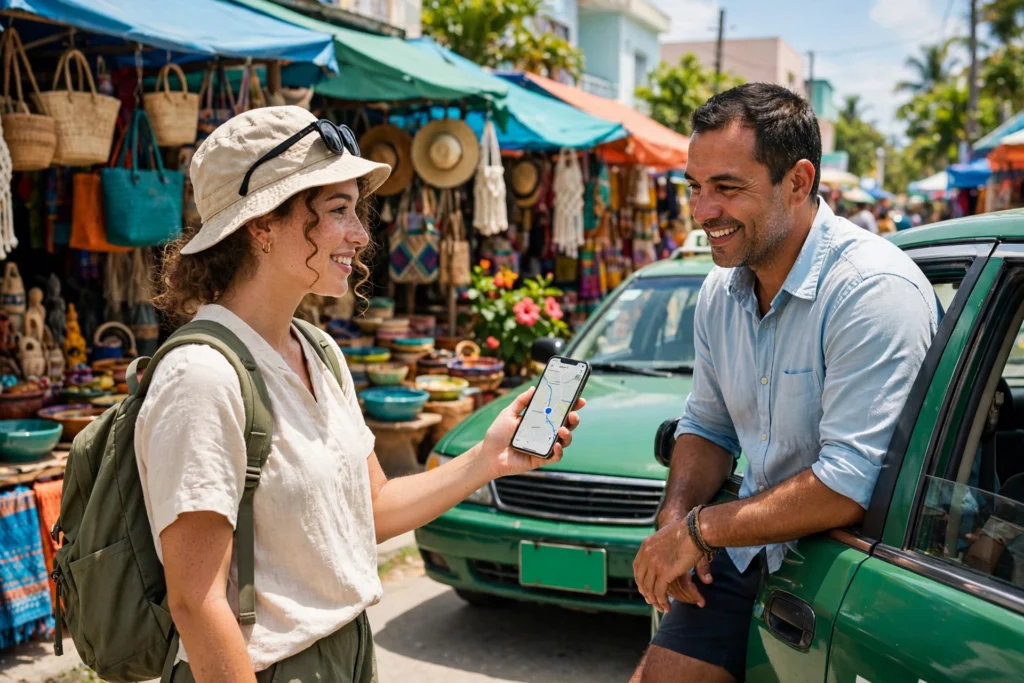
Scams are common in Belize, especially in resort areas — that is the US State Department’s own wording, not this guide’s. Most Belize scams are not elaborate. They are small, everyday overcharges and deceptions that rely on a tourist not knowing the local price, the local rule or the local routine. The table below covers the ones visitors actually report, what each one costs you, and how to avoid it.
| Scam | How it works | What it costs you | How to avoid it |
|---|---|---|---|
| Taxi overcharge | No meter; the driver quotes an inflated fare, or “forgets” the price you agreed | The difference between the real fare and the inflated one, paid in cash | Use only registered taxis with green plates; confirm the fare before you get in; ask your hotel what the fare should be |
| Fake tour or guide | An unlicensed “guide” offers a cheap reef, cave or ruin trip, then delivers a cut-down version or disappears | The full price of the trip, with no trip or a poor one | Book through your hotel or a licensed operator; check reviews; never pay the full price in cash up front to a stranger |
| ATM skimming and card fraud | A rigged ATM or card reader copies your card; fraudulent withdrawals follow | Whatever is in the account before you notice — Canada says this occurs frequently at tourist destinations | Use ATMs inside banks or in well-lit public places; cover the keypad; check statements daily; carry a second card kept separate |
| Golf-cart damage claim | A rental operator claims you damaged a cart and demands a large cash payment | An invented repair bill, often demanded in cash on the spot | Photograph and video the cart’s condition before you drive it, as the State Department advises; agree the price and deposit in writing |
| Rental and “extra fee” tricks | A price is quoted, then extra fees appear — for fuel, cleaning, insurance or a “tourist tax” | The extras, which can double the quoted price | Get the total price in writing before you pay; ask what is included; walk away from a deal that changes at the till |
| Real-estate and investment scam | A friendly local offers a land or property deal with false promises about amenities and returns | In the worst cases, a large sum paid for land that is not as described | Do not buy property on holiday; the State Department advises seeking legal and financial advice from a reputable source first |
| Romance and online scam | Someone you met online claims to be a US citizen in need of help, or starts a romantic relationship and asks for money | Whatever you send, and it is rarely recoverable | Never send money to someone you met online; be careful of anyone asking for money, especially through online posts, emails or letters |
| Drink spiking | A drink is drugged so the victim can be robbed or sexually assaulted | Your belongings, and far worse | Never leave a drink unattended; do not accept drinks from strangers; if you feel ill, seek medical help immediately |
| Counterfeit goods | Fake branded goods are sold as genuine, sometimes at near-genuine prices | The price of a worthless item, plus possible fines on return to the US | Buy from reputable shops; if the price is far below the real one, it is not real |
A few general rules cover most of these. Agree every price before the service starts — taxi fares, tour prices, rental charges — and get it in writing where you can. Pay by card where you can, and keep a second card and some emergency cash separate from your wallet. Photograph and video the condition of anything you rent, whether it is a golf cart, a car or an ATV, before you drive it; the State Department specifically advises this, because it is the evidence that stops a damage claim. And if a deal feels rushed, secretive or too good to be true, walk away: the reef, the caves and the restaurants will still be there tomorrow, and the person pressuring you will not.
One scam deserves a special note because it is the one visitors least expect: the State Department warns that scammers pretend to be US citizens in need of help, and that scams often begin through online posts, emails or letters. If someone contacts you out of the blue claiming to be a stranded American, a local official who wants money, or a new romantic interest who needs help, do not send money and do not share personal details. The FBI has a page on what to do if you are a victim of a scam, linked from the State Department’s Belize page, and the US Embassy can advise you if you are unsure.
Road Safety in Belize: Driving, Taxis, Buses and Water Taxis
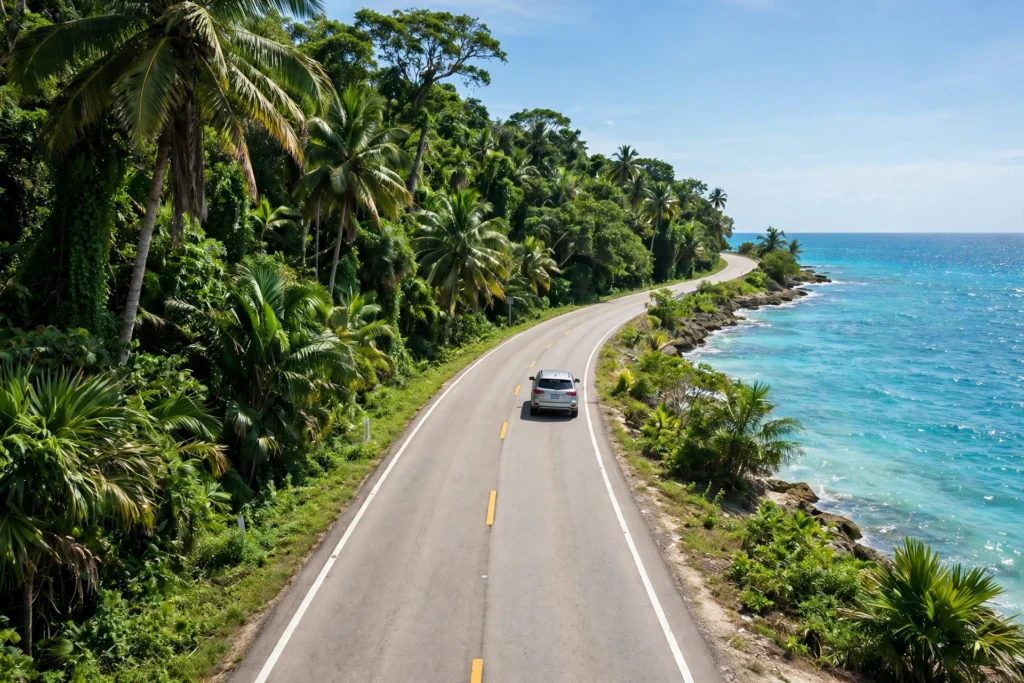
If crime is the risk visitors worry about most, roads are the risk that actually hurts the most people. Canada’s advice is blunt: road safety is poor throughout the country, accidents are frequent, and there is no emergency roadside assistance. The UK says road traffic accidents are common. The US advisory warns that many roads lack markings, reflectors and shoulders, that bridges can narrow to a single lane without warning, and that roadside assistance is frequently unavailable. Treat Belizean roads with the same seriousness you treat the crime advice, and you will be fine. Treat them like roads at home, and you will not.
Driving yourself
Most visitors do not need a car in Belize. On the cayes, the transport is golf carts and bicycles. In San Ignacio, the tours provide the transport. But if you do drive — to reach Placencia, to explore the Cayo District, or to get to a jungle lodge — know the rules before you get behind the wheel.
Valid US or international driving permits are accepted in Belize, but only for three months after your initial entry. Belize drives on the right, as in the US, but the left-turn rule is different from the US and most other countries, and it has caused accidents involving American drivers: to turn left on a two-lane highway, you must signal well in advance, move as far to the right as safely possible, and yield both to oncoming traffic and to vehicles approaching from behind before completing the turn. Drivers in Belize frequently pass on the left, and US citizens have been involved in accidents when other drivers attempted to pass them on the left as they were turning left. If you are in an accident while turning left, police may find you liable and charge you with driving without due care and attention.
The road conditions are the bigger problem. Outside the two main highways — the George Price Highway and the Philip Goldson Highway — most roads are unpaved. Potholes, narrow carriageways, unpaved shoulders, limited road markings, unmarked speed bumps, roaming livestock, poor lighting and a lack of guardrails are all named in the official advice. Bridges often face severe flooding after a storm, and driving can be hazardous during the rainy season. There are many motorcycles and bicycles on the road, cyclists commonly fail to obey red lights or stop signs and often ride against traffic, and cyclists and pedestrians often have no reflectors or bright clothing, so they can be difficult to spot.
The rules that follow from all of that are simple: do not drive at night between cities; fill your tank before you travel, especially to a remote area; familiarise yourself with your itinerary before you leave; keep doors and windows closed and locked; never leave belongings unattended in a vehicle, even in the trunk; do not stop to change a flat tyre in an isolated area, and be wary of strangers offering help; inform a friend or family member of your itinerary; and stop at all checkpoints. If you are in an accident, contact the local police, do not move the vehicles or leave the scene if there are no injuries, and go to the nearest hospital if you or someone with you is critically injured. Failure to stop and ask for help after hitting someone on the road is a criminal offence in Belize, as is failure to provide a urine or blood specimen.
Taxis, buses and water taxis
Taxis are common in cities but not as common in rural areas, and you will usually need to call one rather than flagging it down. Registered taxis have green licence plates: use only those, confirm the fare in advance since there may not be a meter, confirm the driver’s identity and licence plate before getting in, and never share a taxi with strangers. Uber and Lyft are not available in Belize. Canada’s advice goes further and says taxis are not safe and you should avoid using them — if you do use one, the green-plate and pre-confirmed-fare rules are the minimum, and a taxi booked through your hotel is the safest option.
Public buses are used to travel between cities, but Canada advises against travelling by bus: bus services are available between cities but are not reliable due to poor maintenance and lack of safety equipment, and the US notes that secondhand and salvage vehicles and buses are often used for public transport and may not have security features such as seatbelts and airbags. If you do take a bus, travel during the day, keep your bag with you, and do not expect the standards you are used to at home.
Water taxis are the main way to travel between the cayes, the Belize Barrier Reef and the mainland, and they are the transport most visitors will use most. Use only a reliable company, allow extra time, especially during the rainy season, make sure appropriate safety equipment is available, and do not board a boat that is too crowded or in poor condition. Boats used for excursions may not be covered by accident insurance, and boats may lack life jackets, radios and tools to make repairs — so check before you board, and choose a reputable, certified operator for scuba and snorkelling, as the State Department advises.
Domestic flights
Domestic flights are the fast way to reach San Pedro and Placencia, and they are generally the safest way to cover distance in Belize. Two things are worth knowing. First, after a small passenger aircraft was hijacked on an internal flight on 17 April 2025, the Belize Airports Authority announced security enhancements at municipal airstrips — arrive early and expect extra checks. Second, the US Federal Aviation Administration has not assessed Belize’s Civil Aviation Authority for compliance with international aviation safety oversight standards. That is a statement about the regulator, not about any individual airline, but it is worth knowing before you book.
Health in Belize: Mosquitoes, Water, Food and Hospitals
Belize’s health risks are manageable, but they are different from the risks at home, and the most important fact is about the safety net, not the illness: medical care is expensive, hospitals often require cash payment up front, and serious injuries or illnesses normally require medical evacuation to another country. Everything in this section follows from that.
Mosquitoes
Mosquito-borne illness is the main health risk for visitors. Dengue, chikungunya and Zika are all present in Belize, and they are carried by daytime mosquitoes, so the risk is not limited to the evening. Use insect repellent, wear long sleeves and trousers in the jungle and at dawn and dusk, and sleep under a net or in an air-conditioned room where one is provided. The good news is worth recording too: the World Health Organization certified Belize malaria-free in 2023, so malaria is not the concern it once was. Check the CDC’s travel health page for Belize before you go, and talk to your doctor about routine vaccinations and about what to pack — no vaccinations are required for entry, according to the State Department, but that is not the same as saying no health preparation is needed.
Water and food
In many areas of Belize, tap water is not safe to drink, and in some locations tap water is not available every day. Bottled water and beverages are generally safe — use major brands and check that the seal is intact. Many restaurants and hotels serve tap water unless bottled water is specifically requested, so ask for bottled water by name, and request no ice in your drinks, since the ice may be made using tap water. Eating uncooked vegetables and fruits can make you sick, and impure water can cause diseases like typhoid, cholera, hepatitis and dysentery, according to the State Department. Eat where food is cooked fresh and served hot, eat fruit you can peel yourself, and be careful with salads and raw food from street stalls. None of this should stop you enjoying Belizean food — rice and beans, fry jacks, grilled snapper and lobster in season are among the best eating in the Caribbean, and our Belize travel guide covers what to eat and where — but eat it cooked, eat it fresh, and drink bottled water with it.
Hospitals, payment and insurance
Health facilities are available in Belize City and Belmopan, and medical care for minor ailments is generally available in urban areas. Advanced medical treatment is scarce even in Belize City and Belmopan, and in rural and remote areas even basic medical care is hard to find or is not available at all. Public medical clinics lack basic resources and supplies, hospitals and doctors often require payment up front prior to service or admission, and generally only minimal staff are available overnight. Ambulance services are usually unavailable or significantly delayed, ambulances are not equipped with advanced medical equipment, and training and response times may be poor.
The financial side is the part visitors most often get wrong. Make sure you know whether your health insurance covers medical expenses abroad — most US plans do not, and US Medicare and Medicaid do not cover expenses abroad. Most hospitals and doctors abroad do not accept US health insurance, medical care is not free in Belize for travellers, and lack of payment may bar future travel to Belize. Credit card payment is not always available, and most hospitals and medical professionals require cash payment. The State Department strongly recommends supplemental insurance to cover medical evacuation, and this guide agrees: buy travel insurance before you travel, check that it covers evacuation assistance, medical insurance and trip cancellation, and carry the policy details with you. If you are planning the trip budget, our guide on how to prepare a travel budget shows how to build insurance into the total rather than treating it as an afterthought.
Three smaller health rules that matter
First, carbon monoxide. US citizens have died from carbon monoxide poisoning in Belize, and many hotels and vacation rental properties do not have carbon monoxide detectors. If you are not sure your accommodation provides one, bring a portable carbon monoxide detector — the State Department advises this explicitly, and it is a small item that fits in a day pack.
Second, prescriptions. Always carry your prescription medication in its original packaging, along with your doctor’s prescription. Pharmacy services are generally available in larger cities, but specialised prescription medications may be completely unavailable, so bring enough for the whole trip plus a few days’ extra.
Third, sun and heat. Belize is hot and the sun is strong, especially on the water. Drink more water than you think you need, wear sunscreen and a hat, and take breaks in the shade. Heat exhaustion creeps up on people who spend a full day snorkelling without drinking enough, and it is easily prevented.
Hurricanes, Rain and the Best Time to Visit Belize Safely
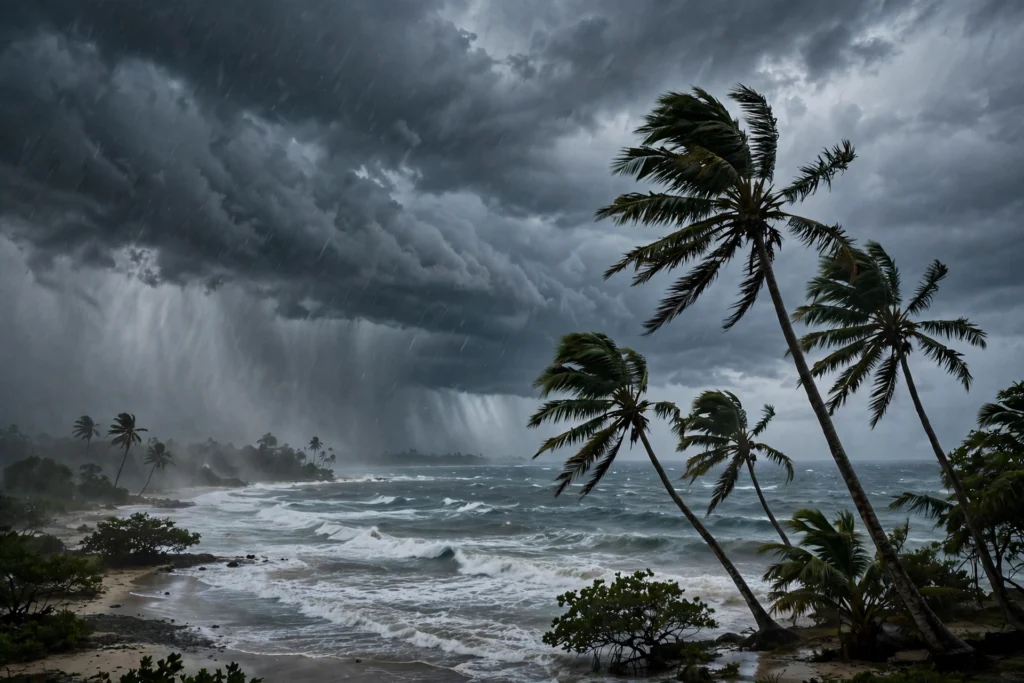
Belize has two seasons rather than four, and the difference between them decides what your trip feels like — and, in the second half of the year, how safe it is. The dry season, roughly December to late April, brings the calmest seas, the clearest water for snorkelling and diving, the least rain and the most visitors. The wet season, roughly May to November, brings afternoon rain, rougher seas, fewer visitors and lower prices — and the Atlantic hurricane season, which runs from 1 June to 30 November.
The hurricane season matters more than most visitors expect. Belize experiences heavy rains and floods during the rainy season, and tropical storms and hurricanes commonly make landfall in Belize, causing coastal and low-lying inland flooding, damage to homes, downed trees and destruction to infrastructure. The UK advice adds that heavy rainfall can produce flooding, affect roads and disrupt access to certain locations. If you travel between June and November, buy travel insurance that covers trip cancellation and interruption, watch the forecasts from a few days before departure, choose accommodation with a clear hurricane policy, and build in a spare day and flexible flights. A direct hit on Belize is not an annual event, but it is a real risk that you should plan for rather than ignore.
Drought is the other seasonal extreme, and it surprises people: droughts affect Belize during the dry season between February and May, which affects water supply in some communities and agriculture. It rarely affects a tourist directly, but it is a reminder that the dry season is genuinely dry — carry water on jungle walks, and do not assume a tap will run in a remote lodge.
The month-by-month table below combines the weather with the safety notes, so you can pick a month with both in view. The seasonal detail is drawn from our Belize travel guide, which covers the best time to visit in full.
| Month | Weather | Seas and visibility | Crowds and prices | Safety note |
|---|---|---|---|---|
| January | Dry, warm days, cool nights | Calm, very clear | High season, high prices | Best all-round month; normal precautions |
| February | Dry, settled | Calm, very clear | High season, high prices | Driest weather; best underwater visibility |
| March | Dry, warm | Calm, clear | High season; whale sharks begin off Placencia | Best month for reef trips |
| April | Dry, hot | Calm, clear | High season until Easter, then quieter | Last of the dry season; book Easter early |
| May | Rain begins, usually afternoons | Rougher at times | Shoulder season, lower prices | Wet season starts; watch the forecasts |
| June | Wet, humid | Rougher; trips cancelled more often | Low season, low prices | Hurricane season begins 1 June; insurance essential |
| July | Wet, with sunny mornings | Rougher | Low season; lobster season opens 1 July | Hurricane season; check forecasts daily |
| August | Wet, hot | Rougher | Low season | Hurricane season; jungle at its greenest |
| September | Wettest month, quietest | Roughest; some guesthouses close | Lowest prices, fewest visitors | Peak hurricane risk; some small places shut |
| October | Wet, easing late in the month | Improving | Low season | Hurricane season; ATM Cave can close after heavy rain |
| November | Dry season begins, breezy | Calm and clearing | High season from Christmas | Hurricane season ends 30 November; state of emergency in force until 30 November 2026 |
| December | Dry, breezy | Calm, clearing | High season from Christmas | Best festive month; book early |
Two events are worth planning around. Garifuna Settlement Day on 19 November is Belize’s most joyful festival, centred on Dangriga and Hopkins on the southern coast, with drumming, dancing and the re-enactment of the Garifuna arrival by canoe. In 2026 it falls inside the state of emergency window, so check the current advice for the coastal towns before you go — but do not miss it if you are in the south. Whale shark season runs from March to June off Placencia, and the lobster season runs from 1 July to 14 February, with lobster festivals in San Pedro, Caye Caulker and Placencia in July. If your main goal is the reef, pick February to April. If your main goal is value and you can live with rain, pick May or June. And if you are travelling in the hurricane season, the spare day and the insurance matter more than the month you pick. Travellers planning a winter escape will find the same seasonal logic in our best places to travel in January, where the dry season is also the prize.
Laws in Belize Visitors Must Know: Drugs, Drones, Alcohol and More
Belizean law is not US law, and the differences are the ones that catch visitors. The State Department’s warning is blunt: if you break local laws, even by mistake, you could be deported, arrested or imprisoned, and travellers who accidentally break local laws have been detained, sometimes for a long time. Detention facilities in Belize lack basic hygiene essentials, including a bathroom, and detainees often cannot get their prescribed or over-the-counter medications. You may also be prosecuted in the United States for crimes committed abroad. These are the rules that matter most.
Drugs
Drug possession and use is illegal in Belize, and it can lead to long jail sentences or fines. That includes marijuana, even if its use is allowed where you live in the United States, and it includes medical marijuana lawfully purchased in the United States. Do not bring it, do not buy it, and do not assume a relaxed beach atmosphere means relaxed drug laws — it does not. The same applies to any other drug: possession is a serious matter, and the penalties are long.
Firearms and weapons
Do not bring a firearm to Belize. US permits to carry weapons are not valid in Belize, and bringing firearms, ammunition, cartridges, empty shell casings, explosives or other weapons into Belize is a serious crime that can lead to large fines or a long time in prison. Before travelling, check your bags and your vehicle and remove any prohibited items — including a single empty shell casing forgotten in a bag, which has caused problems for travellers before.
Alcohol
The legal drinking age in Belize is 18. Drink alcohol in moderation and seek medical help if you feel ill. There have been reports of people getting sick or becoming unconscious from contaminated alcohol, and criminals drug drinks to rob or sexually assault victims. It is illegal to be drunk and disorderly, to drive under the influence of alcohol, or to have open alcohol containers in public or in vehicles. The practical rules are the same as the scam section: keep your drink in your hand, do not accept drinks from strangers, and if you feel ill after a drink, get help immediately.
Drones
Belize currently prohibits the temporary importation of drones for recreational or personal use. The only applications accepted are from people who live in another country and have been hired to do a job for a local Belize business or organisation that has been approved. If you were planning to bring a drone for reef or jungle photography, leave it at home — it can be confiscated, and you can face penalties. The detailed requirements are on the Belize Civil Aviation website, linked from the State Department’s Belize page.
Demonstrations and public behaviour
Demonstrations can happen, sometimes due to political or economic issues, political holidays or international events. Do not join demonstrations, avoid areas with protests, and remember that protests can become unpredictable and could turn violent. Check local media for updates and traffic news.
Laws that affect some travellers more than others
There are no legal restrictions on consensual same-sex relations in Belize, and there are no restrictions on the provision of information or services on the basis of real or perceived sexual orientation. But the State Department also notes that many people in Belize are hostile towards individuals based on their real or perceived sexual orientation, that there have been reports of violence targeting people on that basis, and that tourist-friendly areas, including San Pedro Town on Ambergris Caye, remain relatively open and welcoming while outside those areas same-sex couples, especially men, are reluctant to display affection in public because of reports of verbal or physical assault. If you are an LGBTQ+ traveller, San Pedro and the resort areas are the most comfortable bases, and discretion outside them is the safer choice.
Travellers with accessibility needs should know that accessibility and infrastructure for travellers with disabilities are not up to US standards. The law does not prohibit discrimination against people with disabilities and does not provide accessibility, so expect limited accessibility in public transport, lodging, communication and general infrastructure. If you have accessibility needs, confirm the details of your hotel, transport and tours in writing before you book, rather than assuming they will be step-free.
If you are arrested or detained
If you are arrested or detained, ask officials to notify the US Embassy immediately. You have the right to ask for that notification, and you should use it. Do not sign anything you do not understand, and ask for the embassy’s list of local attorneys — the embassy provides the list but does not endorse or recommend any specific attorney.
Emergency Numbers and Embassy Help in Belize
Save these numbers in your phone before you fly. Belize’s emergency services are thin, and the numbers are only useful if you have them when you need them — not if you are searching for them in a crisis.
| Service | Number | Notes |
|---|---|---|
| Police | 911 | Dial 911 for police; report crimes in person at the nearest station as well |
| Ambulance / emergency medical | 911 | Dial 911; ambulances are usually unavailable or significantly delayed — serious injuries normally require evacuation |
| Maritime emergencies | 966 | National Maritime Communications Center; also VHF Channel 16 |
| US Embassy Belmopan (main) | +501-822-4011 | 4 Floral Park Road, Belmopan; weekdays |
| US Embassy Belmopan (after-hours emergency) | +501-610-5030 | For emergencies outside office hours |
| US Embassy Belmopan (website) | bz.usembassy.gov | Check the site for current hours and the US Citizen Services contact form |
| Belize Customs (medication questions) | +501-223-7092 | For questions about bringing prescription medication into Belize |
A few things to know about getting help in Belize. First, emergency phone numbers do not always work, and cell phone service, while mostly reliable, can be unreliable in remote locations. There are rarely public phones available. Keep your phone charged, and carry a portable charger on jungle and reef trips. Second, if you are involved in a traffic accident, contact the local police and do not move the vehicles or leave the scene if there are no injuries. Third, the US Embassy can replace a stolen or lost passport, help you find medical care, assist you in how to report a crime, contact relatives or friends with your written consent, provide general information about the criminal justice system, provide a list of local attorneys, share a list of local resources, provide information about victim’s compensation programmes in the United States, and provide an emergency loan for repatriation or limited medical support in cases of need. It cannot pay your medical bills, get you out of jail, or act as your lawyer. Fourth, enrol in STEP before you travel so the embassy can reach you with updates and alerts — the enrolment is free and takes a few minutes.
If you are a British, Canadian or other non-US traveller, save your own embassy or consulate’s number as well. The US Embassy in Belmopan is the main English-language source of on-the-ground help for Americans, and its website carries the current contact details and the US Citizen Services form. Check it before you travel, and save the numbers in your phone and on a card in your wallet.
Practical Safety Tips for Belize: A Checklist Before You Go
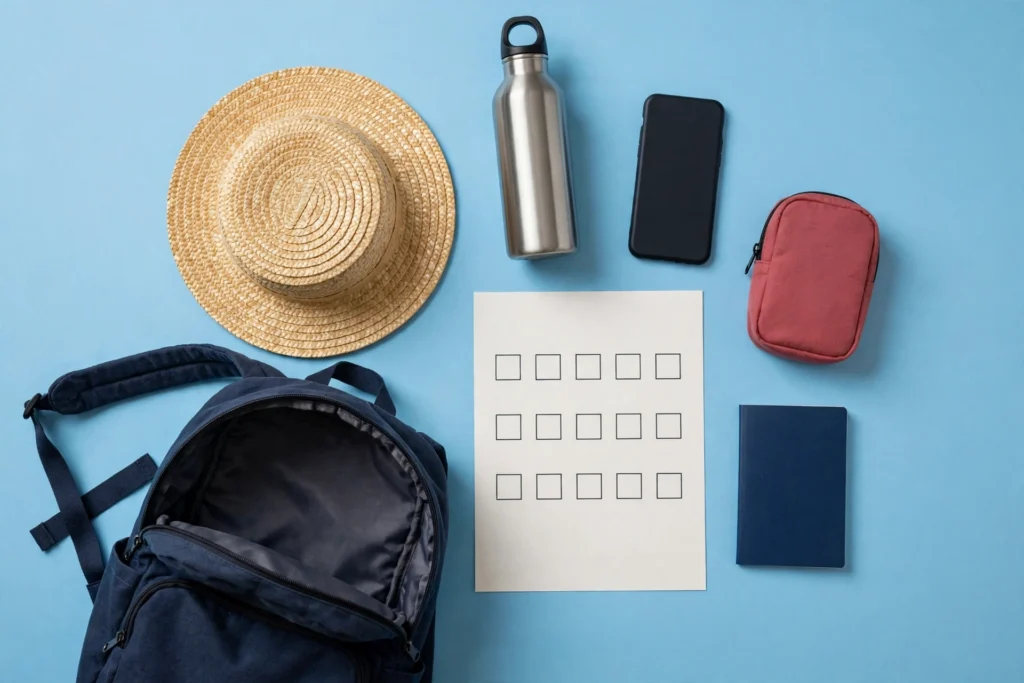
Everything in this guide, boiled down to the list you can actually use. Work through it before you fly, and again on arrival.
Before you fly
- Check the US State Department Belize advisory, the UK Foreign Office Belize travel advice and the Government of Canada Belize travel advice — and check them again in the week before departure. If the state of emergency has been extended past 30 November 2026, or the advisory level has changed, adjust your plans.
- Buy travel insurance that covers medical evacuation, medical expenses and trip cancellation, and check that it covers the activities you plan — snorkelling, diving, caving and jungle tours are not always covered by a basic policy. Carry the policy number and the insurer’s emergency number with you.
- Enrol in STEP, or your own government’s equivalent, and leave your itinerary with someone at home.
- Check your passport: US citizens need a passport book valid for the length of their stay, with at least one blank page, and proof of an onward or return ticket plus sufficient funds. No visa is required for stays of 30 days or less. If you plan to stay longer, budget $100 a month for extensions, payable at a Belize immigration office, for up to six months.
- Pack a portable carbon monoxide detector, insect repellent, sunscreen, a first-aid pouch, your prescription medication in its original packaging with the prescription, and a portable phone charger.
- Photograph your passport, insurance policy and bookings, and keep the copies somewhere separate from the originals — in your email, or in a travel app on your phone. Our travel apps guide covers the offline maps and document apps that work best when the signal does not.
- Plan your money: Belize uses the Belize dollar, pegged at two to one to the US dollar, and US dollars are widely accepted. Bring small notes, keep a second card separate from your wallet, and plan to use ATMs inside banks or in well-lit public places.
On arrival
- Transfer directly from the airport to the water taxi or your hotel. Do not wander Belize City on arrival day, and do not drive between cities after dark.
- Save the emergency numbers in your phone: 911 for police and ambulance, 966 for maritime emergencies, and +501-822-4011 for the US Embassy in Belmopan, with +501-610-5030 for after-hours emergencies.
- Carry valid ID whenever you leave your hotel, especially if your route passes through the state of emergency areas. Keep your passport in the hotel safe and carry a copy plus another photo ID day to day.
- Agree every price before the service starts — taxi fares, tours, rentals — and photograph the condition of any golf cart, car or ATV before you drive it.
- Buy bottled water, check the seal, and ask for bottled water by name in restaurants.
Every day you are there
- Do not walk or drive at night. Take a registered taxi with green plates, or a golf cart, and stay on lit streets.
- Keep valuables out of sight, lock your room and your golf cart, and do not leave bags unattended on the beach, in a restaurant or in a vehicle.
- Drink bottled water, eat food cooked fresh and served hot, and keep your drink in your hand.
- Wear insect repellent and sunscreen, drink more water than you think you need, and take breaks in the shade.
- Stay out of Southside Belize City, entirely, day and night. Stay out of the state of emergency villages unless your route takes you through them, and if it does, carry ID and stop at checkpoints.
- Check the weather and the local news each morning in the hurricane season, and keep your plans flexible.
- If something feels wrong — a street, a person, a tour, a deal — leave. You do not owe anyone an explanation.
What to budget for safety
Safety is not free, and it is worth building it into the trip budget rather than discovering it on arrival. As a planning range, budget travellers should plan on $60–100 per person per day, mid-range travellers $200–350, and high-end trips $600 or more, before international flights — the ranges our Belize travel guide uses for daily costs. On top of that, budget for travel insurance with medical evacuation cover, for a portable carbon monoxide detector if your accommodation does not provide one, and for registered transport at night rather than walking. Our guide on how to prepare a travel budget shows how to build those lines into a trip total, so the safety spending is planned rather than improvised. If the numbers do not add up, cut a day or a tour — do not cut the insurance.
Frequently Asked Questions About Travelling to Belize Right Now
Is it safe to travel to Belize right now?
Yes, with increased caution. The US rates Belize Level 2: Exercise Increased Caution because of crime, and a 30-day state of emergency is in force from 1 to 30 November 2026 in parts of Belize City, Ladyville and two Cayo villages. The tourist areas — San Pedro, Caye Caulker, Placencia, Hopkins and San Ignacio — remain open and are where visitors spend their time. Stay out of Southside Belize City, do not drive between towns after dark, carry ID, and buy travel insurance with medical evacuation cover.
Is Belize safe for tourists?
Mostly, yes — with the qualifications in this guide. Tourists are not usually the targets of gang violence, which is concentrated in Southside Belize City. The crimes tourists do face are theft, bag snatching, burglary, card fraud and drink spiking, mostly in San Pedro, Caye Caulker, Placencia and San Ignacio. Those are preventable with the precautions in this guide: lock up, keep valuables out of sight, use ATMs inside banks, watch your drink, and do not walk alone at night.
Which areas of Belize should I avoid?
Southside Belize City, south of Haulover Creek to Fabers Road — the US rates it Level 3: Reconsider Travel, and Canada advises against non-essential travel there. Avoid it entirely, day and night. Be careful in Belize City generally, especially at night. Take extra care on remote roads near the Guatemala border, including around Caracol, and go there only with a licensed guide.
Is San Pedro safe? Is Caye Caulker safe?
Both are among the safest places to stay in Belize, and both are where most visitors base themselves. The risks there are theft, bag snatching, golf-cart theft and card fraud — not gang violence. Lock your golf cart every time, do not leave bags in it, use ATMs inside banks, and walk on lit streets in a group at night. Neither island is risk-free, but neither is a place to be afraid of during the day.
Is Belize safe for solo female travellers?
Yes, with the precautions in the solo female section of this guide. Stay in well-reviewed accommodation with good security, do not walk alone after dark, use registered taxis with green plates, watch your drink, and tell someone your plans. The official advice is direct that women travelling alone or in small groups are targets for sexual assault even in tourist areas, so plan like you have read that advice — because you have.
Is it safe to travel to Belize at night?
Not in the way it is safe during the day. Do not drive between cities after dark, and do not walk alone at night. In San Pedro and Placencia, use a golf cart or a registered taxi and stay on lit streets. In Belize City, do not walk at night at all. The evenings are enjoyable — beach bars and restaurants are lively — but get there and back with other people and by lit roads.
What does the state of emergency mean for tourists?
It means more police and soldiers and more checkpoints in the named areas — parts of Belize City, Ladyville, Cotton Tree and Unitedville, and the Coastal Highway between La Democracia and Hope Creek — from 1 to 30 November 2026. Carry valid ID, stop at checkpoints, expect delays, and follow instructions from local authorities. It is not a travel ban, it does not close the airport or the water taxis, and it does not cover the cayes, Placencia, Hopkins, San Ignacio town or Belmopan.
Do I need travel insurance for Belize?
Yes — and it should cover medical evacuation. Medical care is expensive, hospitals often require cash payment up front, ambulance services are usually delayed or unavailable, and serious injuries normally require evacuation to another country. Most US health plans, including Medicare and Medicaid, do not cover care abroad. Buy the insurance before you fly, check that it covers your activities, and carry the policy number with you.
Is the tap water safe in Belize?
In many areas, no. Drink bottled water from a major brand and check the seal is intact, ask for bottled water by name in restaurants, and request no ice, since it may be made from tap water. Eat food cooked fresh and served hot, and eat fruit you can peel yourself.
Is it safe to drive in Belize?
During the day, on the main highways, yes — with care. Do not drive between cities after dark. Learn the left-turn rule before you drive: signal well in advance, move as far to the right as safely possible, and yield to oncoming traffic and to vehicles approaching from behind. Expect potholes, unpaved roads off the highways, unmarked speed bumps, livestock and cyclists without lights. Fill your tank before remote stretches, and stop at all checkpoints.
Is Belize safe for families with kids?
Belize is a popular family destination, and the reef and jungle trips are excellent for children — but the same precautions apply, and children need more of them, not fewer. Keep children with you at all times, do not let them walk alone, watch their drinks and food, use life jackets on boats, and choose tour operators with proper safety equipment. If you are travelling with a child without both parents, bring a copy of the child’s birth certificate and proof of consent from the non-travelling parent — immigration officials are required to ask for it. Check the entry rules on the State Department’s Belize page before you travel.
Is Belize safe for LGBTQ+ travellers?
There are no legal restrictions on consensual same-sex relations in Belize, and San Pedro Town on Ambergris Caye is relatively open and welcoming. Outside the tourist-friendly areas, however, many people are hostile towards individuals based on real or perceived sexual orientation, and there have been reports of verbal or physical assault. Same-sex couples, especially men, are advised to be discreet about public displays of affection outside the resort areas.
Conclusion: Should You Travel to Belize Right Now?
Belize in November 2026 is a country worth visiting and a country worth taking seriously, and those two things are not in conflict. The reef is still the second-largest barrier reef system in the world. The water over it is still turquoise, the snorkelling is still among the best in the Caribbean, and the jungle around San Ignacio still holds caves and Maya cities that reward the trip inland. None of that has changed. What has changed is the security picture around Belize City, and the state of emergency is the government’s own signal that it is taking that picture seriously for a month.
So the answer to “is it safe to travel to Belize right now” is the one this guide has given throughout: yes, with increased caution, on a tourist itinerary, with insurance, with ID in your pocket, and with Southside Belize City and night driving left out of your plans. Go to the cayes. Go to Placencia. Go to San Ignacio. Eat the rice and beans, swim the reef, climb El Castillo at Xunantunich, and take the boat to the Blue Hole. Do it in daylight, do it with a licensed operator, lock your door, watch your drink, and check the advisories again before you fly.
If that sounds like a lot of rules for a beach holiday, it is — but they are small rules, and they are the difference between a trip you remember for the reef and a trip you remember for the wrong reasons. Belize rewards the traveller who plans. Be that traveller, and Belize will give you one of the best trips in the Caribbean.
People also read:
- Belize Travel
- Is It Safe to Travel to Vietnam? An Honest 2026 Guide
- Best Places to Travel Solo Female in the US
- Places to Travel Without a Passport
- Travel Apps
- How to Prepare a Travel Budget
- Best Places to Travel in January

M. Adil is the founder and editor of SoloTravelPro. He writes practical, research-based travel guides that help travellers plan with confidence — from first-time city breaks to national parks and island escapes. Every guide is built on official sources, current prices and honest, usable advice, so readers can plan smarter and travel better.

Other Articles
Best Places to Travel With a Baby: 16 Easy First Trips for 2026
Is It Safe to Travel to Vietnam? An Honest 2026 Guide