
Quick Answer

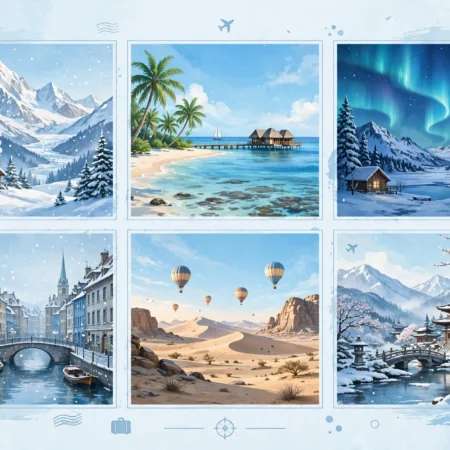
The best places to travel in January depend less on which destination is “best” in general and more on what you want January to feel like. The same trip can mean a beach in the sun, a ski slope, a quiet city break, or a chance to see the northern lights — and choosing the wrong version of January is the most common reason a trip disappoints.
If you want warmth, start with the Canary Islands, Thailand, Egypt, the Caribbean, or Sri Lanka. If you want the lowest costs, look at Hanoi, Siem Reap, Budapest, Sofia, and Cairo. If you want snow, the Alps and Colorado and Utah are in full season. If you want the northern lights, Lapland, Tromsø and the Lofoten Islands, and Iceland give you the longest dark nights of the year — with the warning that clear skies are never guaranteed.
The trick is to pick by trade-off, not by postcard. Warm does not always mean cheap, cheap does not always mean warm, and snowy does not always mean crowded. A warm beach can still be busy around New Year, a cheap city can still be cold, and a ski resort can be quiet on a weekday and packed on a Saturday. This guide sorts January by weather, budget, and crowds, and flags the January-specific catches most lists leave out.
One note before you book: prices, flight costs, and hotel rates change by departure city, date, and how early you book. Nothing here is a guaranteed fare or price. Always check current prices for your own dates.
How to Pick (Weather vs Budget vs Crowds)
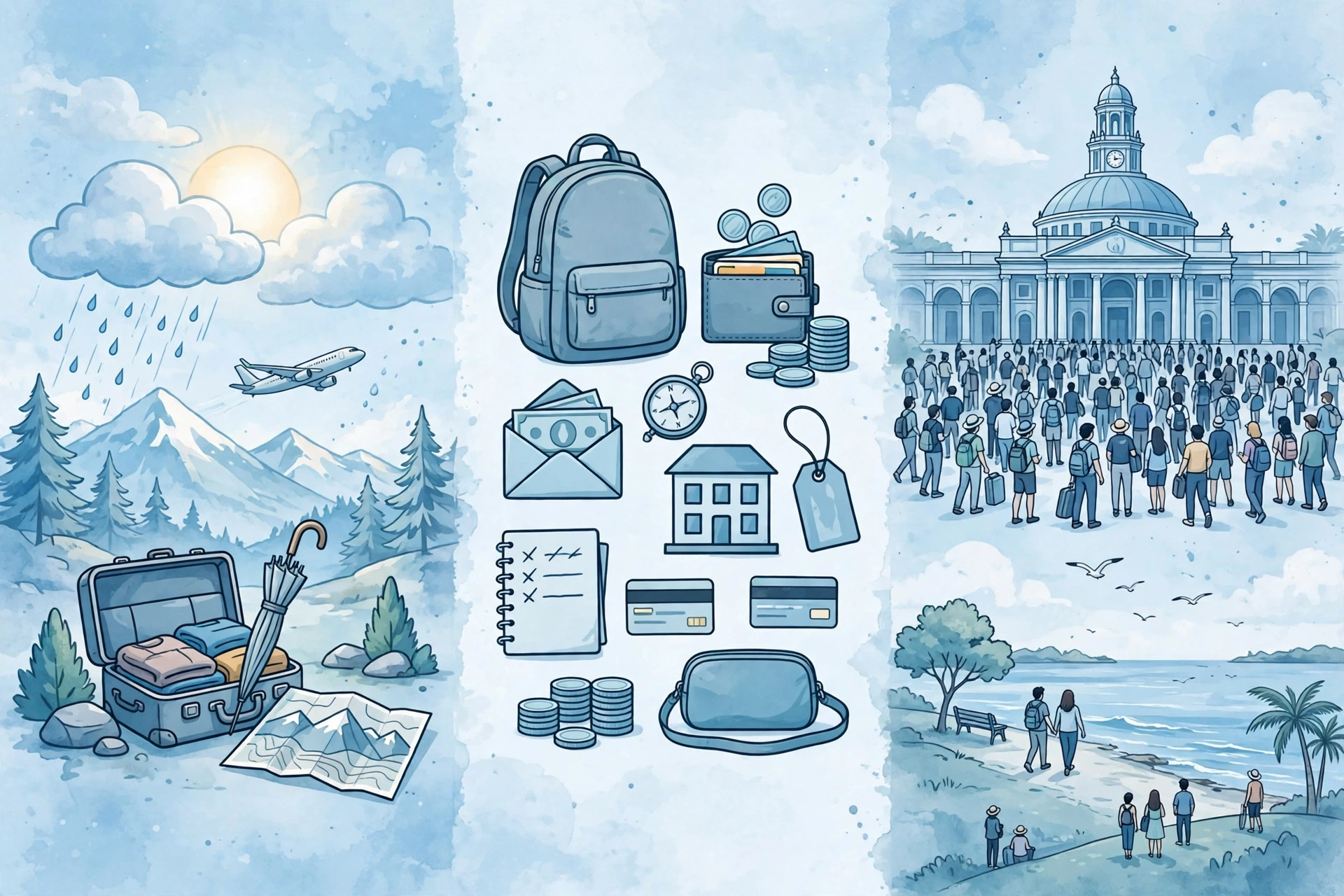
Most January lists just give you twenty places and leave you to guess. Use this decision table first, then read only the section that matches your answer.
| If you want… | Best January fit | What you give up |
|---|---|---|
| Warm sun, no jacket | Canary Islands, Thailand, Egypt, Caribbean, Sri Lanka | Lower prices — warm January is popular, especially in the first week |
| Lowest total cost | Hanoi, Siem Reap, Budapest, Sofia, Cairo | Guaranteed warmth — several cheap picks are cool, not beach-hot |
| Snow and skiing | The Alps, Colorado, Utah | Budget — lift passes, gear, and resort stays add up fast |
| Northern lights | Lapland, Tromsø and Lofoten, Iceland | Certainty — lights depend on clear skies and solar activity |
| Quiet streets and museums | Budapest, Sofia, winter cities in the Alps region | Long daylight — days are short, and some attractions close early |
| Festivals and atmosphere | January festivals and events (see below) | Flexibility — festival dates and hotel prices are fixed by the calendar |
Ask yourself three questions in this order. First, what weather will make you happy every day, not just on the best day? A place warm at midday but cold at night is a different trip from one warm all day. Second, what is your real total budget — flights, stays, food, transport, and activities — not just the hotel price? A cheap flight to an expensive resort town is not a cheap trip. Third, how much do you mind crowds? Early January, around New Year, is still peak season in many warm and ski destinations. Mid-to-late January is usually quieter and often cheaper, but some seasonal attractions start to wind down then.
January also has a trap that catches first-time planners: the rainy side of a destination. A country can be dry in one region and wet in another at exactly the same time. Thailand’s Gulf coast can still see rain in early January while the Andaman side is dry, and Sri Lanka’s coasts have opposite wet seasons. Always check the weather for the specific coast, island, or region you are visiting, not just the country as a whole.
Another January trap is opening hours. In northern Europe and smaller resort towns, some restaurants, museums, and boat tours run on winter hours, close for a short winter break, or open only on certain days. Check the opening days of the two or three things you most want to do before you book a short trip around them.
Warm Sun Picks

Canary Islands — $$, warm and easy
The Canary Islands are the closest reliable warm option for travellers from Europe. Expect daytime temperatures in the high teens to low twenties Celsius, with the southern coasts of Tenerife and Gran Canaria usually warmer and drier than the north. The sea is cool for many swimmers, but walking, hiking, and sitting outside are comfortable.
January warning: the north can be cloudier and wetter than the south. If warmth is the whole point, stay in the south. Prices vary by departure city and date, so check current prices — the first week of January is usually most expensive, and mid-to-late January is often better value.
Thailand — $$, warm with a regional catch
Thailand is one of the most reliable warm January picks, with hot, mostly dry weather in much of the country. Bangkok, Chiang Mai, and the Andaman coast — Phuket, Krabi, and nearby islands — are usually at their best. That is also why January is high season: popular islands and hotels book early, and prices reflect that.
January warning: the Gulf coast, including Koh Samui, Koh Phangan, and Koh Tao, can still be wetter in early January, and sea conditions there can be rougher than on the Andaman side. If you are choosing an island, choose by coast, not just by name. Prices vary by departure city and date, so check current prices before booking, especially for island flights and ferries, which can sell out around weekends.
Egypt — $, warm days and cool nights
Egypt offers warm days, ancient sites without summer heat, and Red Sea resorts where you can swim, snorkel, and dive in January. Cairo and Luxor are far more comfortable to explore on foot in January than in summer.
January warning: desert nights and early mornings can be cold, so pack a warm layer even for a beach resort trip. The Red Sea is warmer than the Mediterranean coast, so if swimming matters, pick the Red Sea side. Prices vary by departure city and date, so check current prices — package prices can rise sharply over New Year and school-holiday dates.
Caribbean — $$$, warm but peak-priced
The Caribbean in January is warm, sunny, and in its dry season in most islands, which is why it is also one of the most expensive January choices. If you want beach weather and are happy to pay for it, this is the simplest pick. Island-hopping takes planning, though: inter-island flights and ferries are not as frequent as they look on a map.
January warning: this is peak season, so the best hotels and the cheapest flights go first, and the difference between early January and late January pricing can be large. Prices vary by departure city and date, so check current prices — and check what is included, since resort fees, transfers, and activities can add a lot to a headline room rate.
Sri Lanka — $$, warm if you pick the right coast
Sri Lanka in January is warm, green, and rewarding, but only if you pick the right coast. The south and west coasts — Galle, Mirissa, and the beaches around Colombo — are usually dry and sunny, while the east coast is wet. The hill country is cooler, pleasant for walking and tea-country trips.
January warning: do not book the east coast in January expecting beach weather, and do not assume the whole island shares one forecast. Allow extra travel time for hill-country road journeys. Prices vary by departure city and date, so check current prices, and book popular south-coast stays early, since January is high season there.
Cheap January Escapes

Cheap in January usually means a place where daily costs are low, a place where January itself is off-peak, or — best of all — both. Judge a cheap pick by adding flights, stays, food, local transport, and one or two paid activities together, not by a single cheap meal or hotel night. For a worked method, see How to Prepare a Travel Budget, which breaks a trip into a total budget first and then into daily spending.
Hanoi — $, low costs and cool, lively streets
Hanoi in January is cool rather than hot, usually in the high teens Celsius, with lively street life, excellent cheap food, and low prices for stays and transport. It suits travellers who would rather walk, eat well, and explore a city than sit on a beach.
January warning: January can be grey and damp, and Ha Long Bay can be misty, which changes the view rather than cancelling the trip. Prices vary by departure city and date, so check current prices — Hanoi itself is cheap, but the flight is usually the biggest part of the total cost.
Siem Reap — $, temples without the worst heat
Siem Reap in January is dry, cooler than the hot season, and ideal for Angkor Wat and surrounding temples. Mornings are best: cooler, quieter, and better for photographs. Daily costs for food, transport, and stays are low by international standards.
January warning: January is high season for Angkor, so sunrise at the main temple is crowded. Start early, and save quieter temples for the afternoon. Prices vary by departure city and date, so check current prices, especially for flights into Siem Reap, which can be limited compared with larger hubs.
Budapest — $, a winter city that stays open
Budapest in January is cold, but also one of the best-value European city breaks in winter. Thermal baths are at their most enjoyable in cold weather, museums and cafes are open, and hotel prices are usually well below summer levels. The main sights are walkable.
January warning: days are short, and some outdoor attractions and river cruises run reduced winter schedules or close in bad weather. Pack for real cold. Prices vary by departure city and date, so check current prices — January flights can be cheap, but weekend prices are often higher than weekday prices.
Sofia — $, the cheapest capital feel in this list
Sofia in January is cold and quiet, with low prices, good food, and easy access to mountains and ski areas nearby. It is a strong pick if you want a European break without paying capital-city prices, and if you do not mind snow on the streets.
January warning: snow and ice can slow walking and day trips, and some smaller attractions keep short winter hours. Check opening days before a short trip built around one museum or site. Prices vary by departure city and date, so check current prices, and remember that a cheap stay does not make a ski day cheap — lift passes and rental gear are separate costs.
Cairo — $, history without summer crowds or heat
Cairo in January is mild and far easier for sightseeing than in summer, and daily costs are low. The pyramids, museums, and old city are all more comfortable to explore on foot, and January is a good time to combine Cairo with a Nile or Red Sea extension.
January warning: mornings can be hazy, and traffic is heavy at all times, so plan fewer sights per day than you would in a smaller city. Prices vary by departure city and date, so check current prices — and check what a guided day actually includes, since entrance fees and transport are often separate.
Snow, Ski and Winter Cities
The Alps — $$$, full ski season
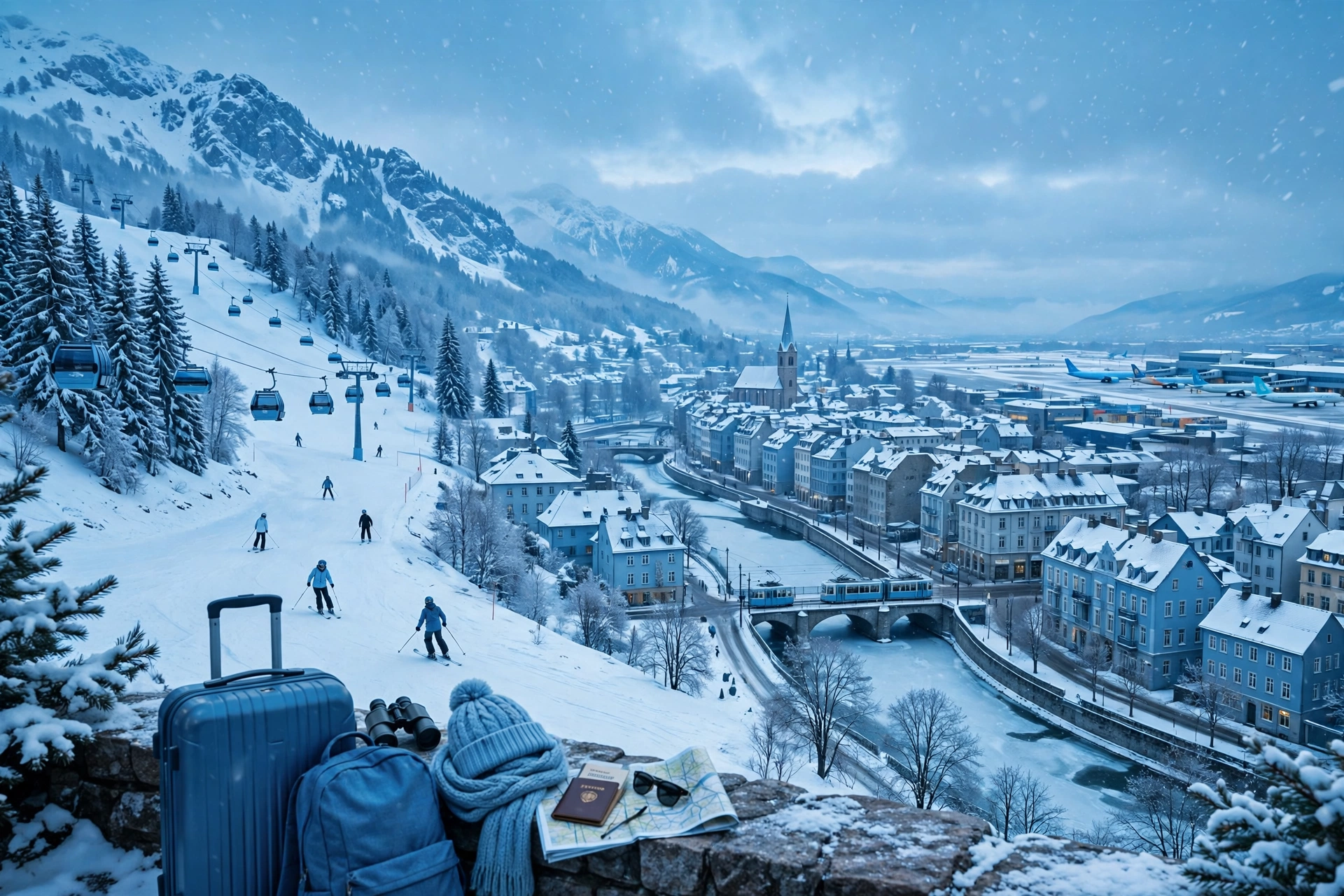
January is full ski season in the Alps, with reliable snow at higher resorts, long evenings in mountain villages, and a full calendar of ski schools, lifts, and winter activities. France, Austria, Switzerland, and Italy all offer very different resort characters — from large, purpose-built ski areas to small, traditional villages — so the resort matters as much as the country.
January warning: early January is still holiday season in many resorts, with higher prices and busier slopes, while mid-to-late January is usually quieter. Low resorts can have thin snow early in the month, so if snow cover is your priority, choose a higher resort rather than the cheapest one. Prices vary by departure city and date, so check current prices — lift passes, lessons, gear rental, and mountain restaurants are all part of the real cost, not extras.
Colorado and Utah — $$$, deep snow and big mountains
Colorado and Utah in January offer deep snow, large resorts, and long runs. Resorts like Aspen, Vail, Park City, and the Utah resorts near Salt Lake City are in full season, and non-ski activities — snowshoeing, hot springs, and winter hiking — are easy to add.
January warning: mountain weather can close roads and lifts for a day, and altitude affects some visitors on the first day or two, so do not plan your hardest ski day for arrival day. Prices vary by departure city and date, so check current prices — flights to mountain airports, resort transfers, and lodging near the slopes can cost more than the lift pass itself.
Northern Lights
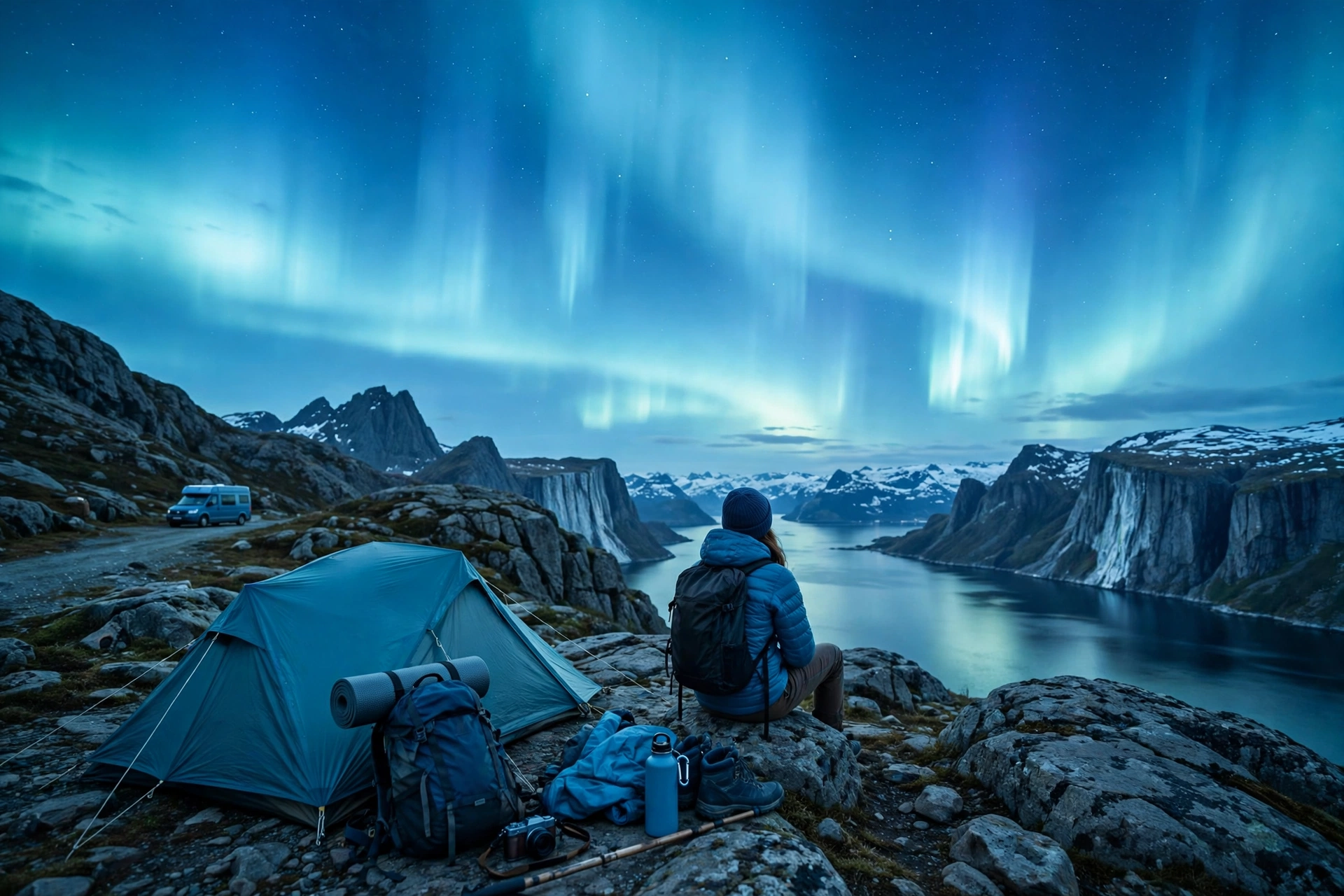
Lapland — $$$, the classic lights trip
Lapland, across northern Finland, Sweden, and Norway, is the classic northern lights destination in January. Nights are long and dark, snow cover is reliable, and there are organised lights tours, husky and reindeer experiences, and glass-roof stays designed for watching the sky.
January warning: the lights are a natural event, not a show that runs on schedule. Cloud cover is the most common reason a lights trip fails, not a lack of solar activity. Stay at least three nights, choose a base away from town lights, and treat a lights sighting as a bonus on top of a good winter trip, not as a guarantee. Prices vary by departure city and date, so check current prices — glass-roof stays and small-group tours are often the most expensive part.
Tromsø and the Lofoten Islands — $$$, lights plus dramatic coast
Tromsø is one of the best bases for northern lights tours, with a town, restaurants, and tours running through winter. The Lofoten Islands add dramatic mountains, fishing villages, and coastal scenery under snow, suiting travellers who want landscape photography as well as lights.
January warning: Lofoten in January has very short daylight, strong winds, and roads that can close in storms, so driving there needs care and flexible plans. Tromsø is easier to manage without a car. Prices vary by departure city and date, so check current prices, and book lights tours with a cancellation or rebooking policy you understand before you pay.
Iceland — $$, lights with a road-trip catch
Iceland in January offers northern lights, black-sand beaches, waterfalls, and geothermal pools, within a relatively short trip from Europe and North America. The south coast is the most accessible winter route, and many famous sights are open year-round.
January warning: Iceland’s January weather is the catch. Wind, rain, snow, and ice can close roads with little notice, and daylight lasts only a few hours. Do not plan a full Ring Road trip in January unless you have winter driving experience and flexible days. A shorter south-coast trip with a base in Reykjavik is safer and often more enjoyable. Prices vary by departure city and date, so check current prices — car rental with winter insurance and fuel costs add up quickly.
January Festivals and Events

January is not just a quiet month between holidays — it has festivals worth planning a trip around, as long as you book around their actual dates. New Year celebrations spill into the first days of January, and some places keep festive lights and markets running into the first week. In Harbin, China, the Ice and Snow Festival usually runs through January, with enormous ice sculptures — but extreme cold is part of the experience. Epiphany on 6 January is still a real holiday in many Catholic countries, with parades and holiday hours, and India brings harvest festivals such as Pongal and Makar Sankranti, which vary by region and date.
If a festival is the reason for your trip, confirm its exact dates for this year before booking, because dates shift and hotel prices around them do not behave like normal January prices. Prices vary by departure city and date, so check current prices for festival weeks separately from the rest of January.
Places to Skip or Be Careful About in January
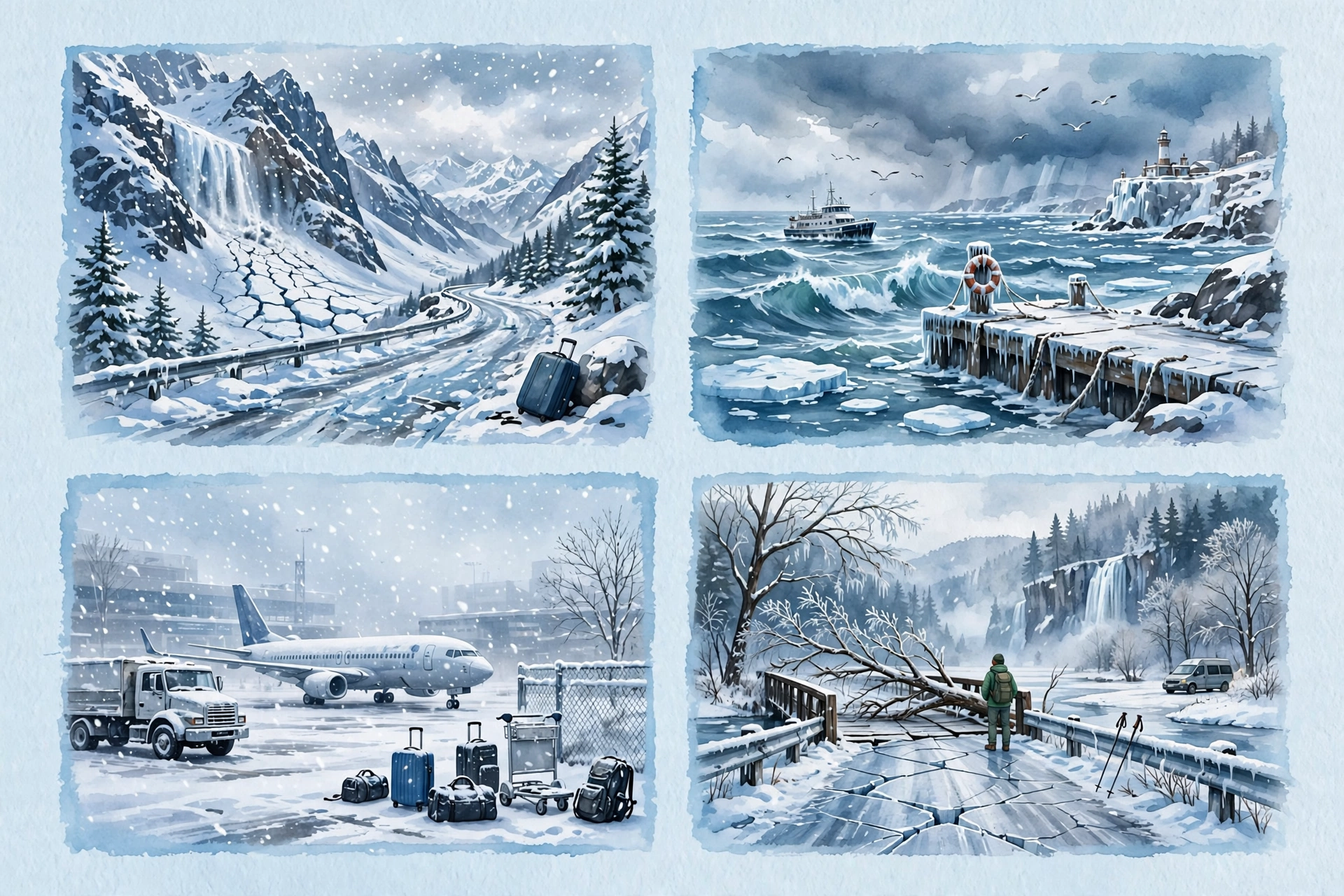
Not every popular destination is a good January pick, and the honest list includes places that are better in another month.
Be careful with beach destinations in their wet season in January. The east coast of Sri Lanka, parts of Indonesia outside the main dry-season areas, and the Gulf coast of Thailand in early January can all be wetter and rougher than their postcards suggest. Choose the dry coast or region, or a different month if the beach is the whole trip.
Be careful with high-altitude trekking in January. Mountain passes in the Himalayas and other high ranges can be closed, cold, or dangerous in deep winter, and many teahouses and lodges run reduced services. A high pass in January needs specialist advice, not a general guidebook plan.
Be careful with destinations that depend on one seasonal attraction. A small island whose boat service stops in winter, a mountain town whose only road closes in snow, or a resort whose restaurants all close for a winter break can turn a short trip into a frustrating one. Check transport and opening days, not just weather, before booking.
Finally, be careful with entry documents — and be careful with lists that get this wrong. Some articles loosely describe Canada and Mexico as places you can visit without a passport. That is not accurate for air travel: by air, Canada and Mexico need a passport book, and a passport card covers land and sea crossings only, not flights. Similarly, Palau, the Marshall Islands, and Micronesia are visa-free for many travellers, but they still need a passport — visa-free does not mean passport-free. Entry rules can change, so always check the current entry rule before booking, using an official government source for your nationality and your exact route.
January Packing and Booking Tips

Packing for January is really packing for two trips at once: the daytime version and the evening version. Warm destinations still need a layer for air-conditioned transport and cool evenings. Cold destinations need a proper warm coat, waterproof shoes, gloves, and a hat. For northern lights and ski trips, pack for wind as well as cold, because wind is what makes a cold day feel much colder.
Booking tips that save money in January: travel midweek rather than over a weekend where you can; compare the first week of January with the last week, since prices often drop sharply after New Year; and book the things that sell out — popular island ferries, ski lessons, lights tours, and small hotels — before you book the flight, if those things are the reason for the trip. Check cancellation policies carefully for winter trips, because weather is the most common reason a January plan changes.
Once you have picked a place, turn the pick into a plan. A short day-by-day outline — where you sleep each night, how you move between places, and which sights matter most — prevents the classic January mistake of fitting a summer itinerary into short winter days. For a ready-to-use structure, see Travel Itinerary Template, which you can adapt to any destination in this guide.
One last note for every destination above: prices vary by departure city and date, and a price you see in an article or a friend’s trip report is not guaranteed. Check current prices for your dates, airport, and party size before you commit.
FAQ
Is January a good month to travel?
Yes, if you pick for January rather than in spite of it. January is excellent for warm escapes, ski trips, northern lights, and quiet cities, and often cheaper than December or February. It is a bad month for wet-season destinations, high-altitude trekking, and trips that depend on long daylight.
Where is warm in January?
The most reliable warm picks here are the Canary Islands, Thailand, Egypt, the Caribbean, and the south and west coasts of Sri Lanka. “Warm” varies — the Canaries are mild rather than hot, while Thailand, Egypt’s Red Sea coast, and the Caribbean are properly hot. Choose by how warm you need it to be.
Where is the cheapest place to travel in January?
On daily costs, Hanoi, Siem Reap, Budapest, Sofia, and Cairo are the cheapest picks here. Total cost still depends heavily on your flight, so a cheap destination with an expensive flight can cost more overall than a pricier destination with a cheap flight. Add flights, stays, food, and transport together before calling a trip cheap.
Is January a good time to see the northern lights?
Yes — January has long, dark nights, exactly what lights viewing needs. Lapland, Tromsø and the Lofoten Islands, and Iceland are all strong choices. The lights are never guaranteed, because cloud cover can hide them even on active nights. Stay at least three nights.
Do I need a passport for Canada, Mexico, or Pacific islands?
For air travel to Canada and Mexico, yes — you need a passport book. A passport card covers land and sea crossings only, not flights. Palau, the Marshall Islands, and Micronesia are visa-free for many travellers, but still need a passport. Entry rules can change, so check the current rule before booking, using an official government source.
How far in advance should I book a January trip?
For ski resorts, northern lights tours, and popular warm islands, book as early as you can — the best stays and tours sell out first, and prices usually rise closer to departure. For cheap city breaks in mid-to-late January, you can often book later, but check opening hours and winter schedules before a short trip.
Conclusion
The best place to travel in January is not one destination — it is the destination that matches the January you want. Pick warm sun, low cost, snow, lights, or quiet streets first, then choose a place from that section, and check the January warnings for that specific coast, resort, or region before you book.


Other Articles
Travel Apps: The Only Apps You Actually Need for a Trip