

Typing “tropical places to travel” into Google gets you a thousand photos of turquoise water and not much help actually picking one. The hard part isn’t finding a beautiful island — nearly every tropical destination on earth has one. The hard part is matching a destination to your budget, your travel dates, and the kind of trip you actually want, since “tropical” covers everything from a $40-a-night guesthouse in Southeast Asia to a $1,500-a-night overwater bungalow in the Maldives.
This guide skips the endless scroll of lookalike beach photos and gets straight to the trade-offs: what things cost by region, when to go (and when not to), and which destinations suit which kind of traveler.
Quick Answer
The best tropical destination depends mainly on your budget and how far you’re willing to fly. For value and short flights from the US, the Caribbean and Central America (Dominican Republic, Costa Rica, Panama) are hard to beat. For the lowest daily costs anywhere in the tropics, Southeast Asia (Philippines, Thailand, Indonesia, Vietnam) wins by a wide margin. For once-in-a-lifetime scenery and overwater bungalows, the South Pacific (Fiji, Cook Islands, French Polynesia) and the Maldives deliver, at a premium price and a long flight. Timing matters as much as location — visiting during hurricane season (Caribbean, June–November) or monsoon season (much of Southeast Asia, roughly May–October) can mean storms, closures, and a wetter trip regardless of destination.
Key Takeaways
- Flight time and cost move together. Caribbean and Central American destinations are typically 3–6 hours from major US airports; South Pacific and Indian Ocean destinations often require 15–24+ hours with connections.
- Southeast Asia is consistently the cheapest region to be on the ground, even though it’s the farthest and most expensive to reach from the US.
- “Tropical” doesn’t mean “risk-free.” Hurricane season, monsoon season, and entry-requirement changes are all planning variables, not afterthoughts.
- Shoulder season is usually the smartest trade-off — meaningfully cheaper than peak season with only a modest increase in rain risk, in most regions.
- A cheaper flight can still produce a more expensive trip. Compare total trip cost (flights + lodging + food + activities), not just the airfare line.
How to Choose Where to Go (Decision Framework by Traveler Type)

- If your priority is minimizing total cost → look at Southeast Asia or Central America first. Daily costs on the ground are lower than almost anywhere else with genuinely tropical scenery, even after factoring in a longer flight for Southeast Asia.
- If your priority is a short flight and limited vacation days → the Caribbean, Mexico, or Central America let you maximize beach time relative to travel time from most of the US.
- If your priority is a honeymoon or milestone trip and budget is flexible → the Maldives, French Polynesia, Fiji, or the Seychelles offer the overwater-bungalow, ultra-private experience most associated with “tropical paradise” — at a proportionally higher price.
- If your priority is family travel → look for destinations with short or direct flights, reliable infrastructure, and calm, shallow water: Hawaii, the Dominican Republic, and Costa Rica generally outperform remote atolls on convenience.
- If your priority is culture alongside the beach → Zanzibar, the Philippines, Bali, and Sri Lanka combine strong beaches with distinct history, food, and local life, rather than an isolated resort bubble.
- If your priority is diving or snorkeling → the Philippines (Palawan), the Maldives, Fiji, and Indonesia’s smaller islands have some of the most consistently cited reef systems for underwater visibility.
Best Tropical Regions to Travel, Compared

| Region | Typical Daily Cost (excl. flights) | Flight Time from US | Best Season | Watch Out For |
|---|---|---|---|---|
| Caribbean & Atlantic | $80–$250 | 3–6 hrs | Dec–Apr | Hurricane season (Jun–Nov) |
| Central America | $50–$150 | 4–7 hrs | Dec–Apr (dry season) | Rainy season (May–Nov) |
| Southeast Asia | $25–$90 | 18–24 hrs | Nov–Mar (varies by country) | Monsoon season (varies by country) |
| South Pacific | $150–$400+ | 12–20 hrs | May–Oct (dry season) | Long, expensive flights; limited flight frequency |
| Indian Ocean / East Africa | $60–$400+ (wide resort-vs-local spread) | 14–20 hrs | Jun–Oct (drier) | Wide price swing between resort and local-island stays |
| Hawaii | $150–$350 | 5–11 hrs | Apr–Jun, Sep–Nov (shoulder) | Higher baseline cost of living |
Figures are illustrative daily-spend ranges covering budget-to-mid-range travel, based on typical published traveler cost reports; they will shift with exchange rates, season, and travel style. Verify current pricing on booking platforms before committing to a budget.
The Caribbean & Atlantic

Dominican Republic
The DR pairs some of the most accessible tropical beaches in the hemisphere with genuinely low costs relative to its Caribbean neighbors. All-inclusive resorts around Punta Cana keep logistics simple for first-timers, while areas like Samaná and the Zona Colonial in Santo Domingo reward travelers who venture past the resort strip. Beaches are free to visit, and many natural attractions charge only a small entrance fee.
Best for: first tropical trip, all-inclusive convenience, families, short flights from the US East Coast.
St. Lucia
Dramatic rather than just pretty — the twin Piton peaks give St. Lucia a jungle-meets-ocean backdrop unlike the flatter Caribbean islands. It’s a well-established honeymoon destination, but also has hiking, volcanic mud baths, and snorkeling for travelers who want more than a resort loungers.
Best for: honeymoons, active travelers who still want beach downtime.
Puerto Rico & the US Virgin Islands
For US citizens, these are the only “tropical” options on this list requiring no passport and no currency exchange. St. John, largely protected as a national park, has some of the most swimmable, uncrowded beaches in the US Virgin Islands, while Puerto Rico adds walkable Old San Juan and a strong food scene.
Best for: shorter planning timelines, no-passport trips, solo travelers who want fewer logistics.
Central & South America
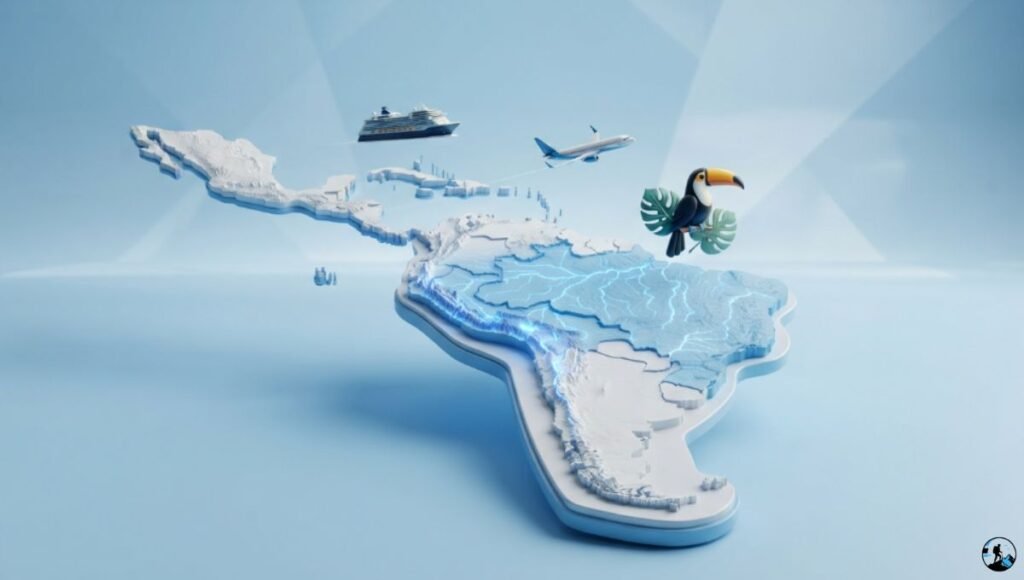
Costa Rica
Costa Rica sits at a genuine crossroads — famous for eco-tourism and volcanoes as much as beaches — and it rewards travelers willing to seek out free or low-cost activities like public beaches and national park trails rather than paying for every excursion. Manuel Antonio National Park is a standout for combining beach access with dense wildlife viewing.
Best for: nature and adventure travelers, families, travelers who want beach and rainforest in one trip.
Panama & the San Blas Islands
Panama City offers city infrastructure and the Panama Canal; a few hours away, the San Blas Islands (governed by the indigenous Guna people) deliver a genuinely remote, minimal-infrastructure island experience — including overwater-style accommodation at a fraction of what similar settings cost in the Maldives or French Polynesia.
Best for: budget-conscious travelers who still want a remote, “postcard” island experience.
Southeast Asia
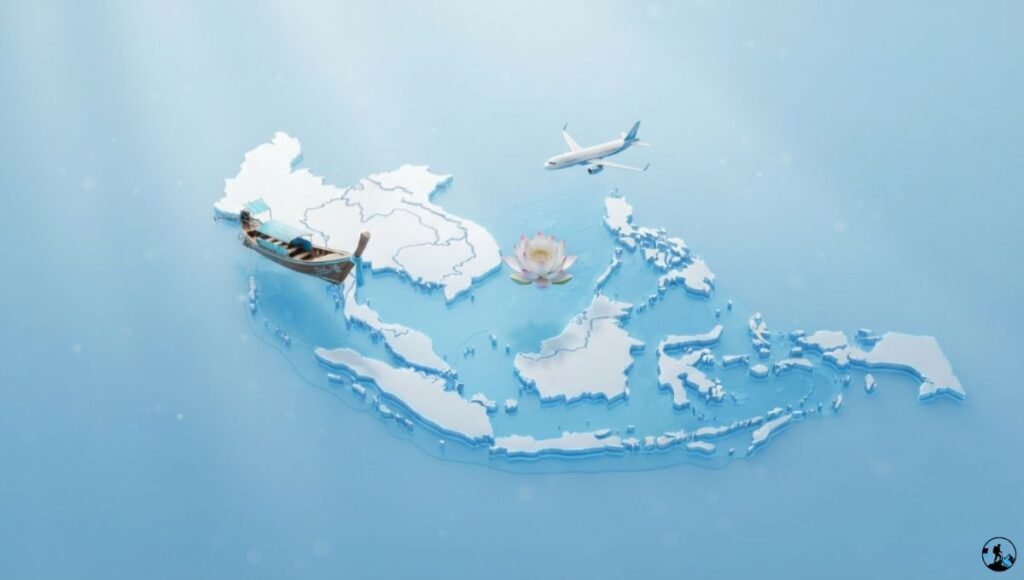
Philippines (Palawan & Bohol)
Palawan, especially the area around El Nido, is consistently ranked among the most scenic island landscapes anywhere, with limestone cliffs, hidden lagoons, and clear water. Bohol, reachable by ferry from Cebu, adds the unusual Chocolate Hills and easy budget-friendly logistics. Note that El Nido runs largely on cash, with limited ATM access, so plan accordingly.
Best for: value-conscious travelers who still want dramatic scenery; snorkeling and diving.
Thailand (Koh Lipe & Koh Samui)
Thailand remains one of the most cost-efficient places in the world to travel, with accommodation, food, and transport all priced well below Caribbean or Pacific equivalents. Koh Lipe delivers Maldives-like water clarity at a fraction of the cost; Koh Samui trades a bit of that remoteness for better infrastructure and easier access.
Best for: backpackers, budget travelers, first-time long-haul travelers who want island-hopping flexibility.
Bali & the Gili Islands, Indonesia
Bali blends temples, rice terraces, and beach towns, but transportation between towns is limited outside of ride-hailing apps, so budget time (and a little patience) for getting around. The nearby Gili Islands and Nusa Lembongan offer a quieter, less-developed contrast to Bali’s busier south coast.
Best for: solo travelers, digital nomads, travelers who want culture and nightlife alongside the beach.
The South Pacific
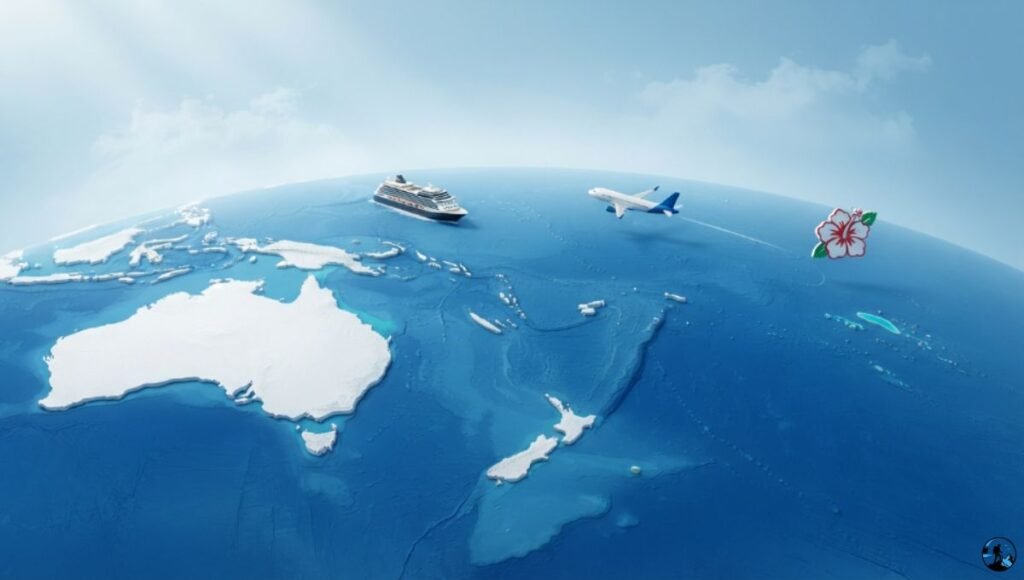
Fiji
Fiji’s outer island groups — the Yasawas and Mamanucas — are where the classic white-sand, clear-lagoon Fiji actually lives, rather than the more developed main island. It’s a strong choice for snorkeling and diving with a wide range of resort price points.
Best for: honeymoons, diving, travelers who want South Pacific scenery without French Polynesia’s price tag.
Cook Islands (Aitutaki)
Aitutaki’s lagoon is frequently cited by experienced travelers as one of the most vivid stretches of water anywhere on earth. It requires a short domestic flight from Rarotonga, keeping it slightly more effort — and slightly less crowded — than more famous South Pacific names.
Best for: travelers chasing the single most striking lagoon view; honeymoons.
French Polynesia (Moorea)
Moorea offers the overwater-bungalow, lagoon-diving French Polynesian experience at a somewhat lower price point and with easier access than Bora Bora, via a short ferry from Tahiti.
Best for: honeymoons and milestone trips with slightly more budget flexibility than Bora Bora requires.
Indian Ocean & East Africa

Maldives
The Maldives has a reputation as the most expensive tropical destination on earth, largely earned by its resort islands, but staying on local islands instead of resort islands can bring daily costs down dramatically — while keeping access to the same turquoise water. Note that the Maldives is a Muslim-majority country with local restrictions on alcohol outside resort islands.
Best for: honeymoons and luxury travel (resort islands) or budget travelers willing to trade some amenities for local-island stays.
Zanzibar, Tanzania
Zanzibar combines beach time with real cultural depth — Stone Town’s UNESCO-listed old city, spice tours reflecting the island’s trading history, and nearby wildlife-spotting in Jozani Forest. It’s also one of the more affordable Indian Ocean beach destinations.
Best for: travelers combining an East African safari with beach time; culture-forward travelers.
Seychelles
Distinctive granite-boulder beaches set the Seychelles apart visually from almost anywhere else in the tropics. It’s a smaller, higher-cost destination that leans heavily toward luxury resorts, with fewer budget options than Zanzibar or the Maldives’ local islands.
Best for: honeymoons, travelers prioritizing a genuinely unique landscape over budget.
Hawaii — Tropical, and Closer Than You Think

For US-based travelers, Hawaii is the only tropical destination on this list that requires no passport, no currency exchange, and no long-haul international flight from much of the mainland. Oahu, Maui, Kauai, and the Big Island each have a distinct character, from Oahu’s mix of city and surf culture to the Big Island’s active volcanoes. Costs run higher than the Caribbean on average, largely reflecting Hawaii’s overall cost of living, but the logistics are the simplest of any destination in this guide.
Best for: shorter planning windows, no-passport trips, travelers wanting reliable infrastructure and English-language ease.
What a Tropical Trip Actually Costs

Rather than one number, tropical trip costs stack from a few core categories:
Total Trip Budget = Flights + Accommodation + Food + Local Transportation + Activities + Travel Insurance + Visa/Entry Costs + Miscellaneous/Emergency Buffer
Daily Budget = Total Variable Expenses ÷ Number of Travel Days
Savings Needed Per Month = Total Trip Cost ÷ Number of Months Until Departure
Worked example (illustrative only): A traveler planning a 7-day trip to the Philippines estimates $700 in flights, $350 in accommodation ($50/night), $210 in food ($30/day), $150 in local transport and ferries, $200 in activities, and $60 in travel insurance — a total of roughly $1,670. If the trip is 5 months away, that’s about $334/month to set aside. The same calculation for a 7-day Maldives resort trip, with $1,100 flights and $500+/night accommodation, could easily land at $5,000–$8,000+ total — the formula doesn’t change, but the inputs do.
| Expense Category | Budget | Mid-Range | Premium |
|---|---|---|---|
| Accommodation (per night) | $15–$40 | $50–$150 | $200–$800+ |
| Food (per day) | $10–$20 | $25–$50 | $60–$120+ |
| Local transport (per day) | $3–$10 | $15–$30 | $40–$80 (private transfers) |
| Activities (per day) | $0–$20 | $25–$60 | $80–$200+ |
When to Go: Season-by-Season Planning

- Caribbean & Atlantic hurricane season runs roughly June through November, peaking August–October. Traveling during this window means lower prices but real storm risk — check current tropical outlooks close to departure and buy travel insurance that covers weather cancellations.
- Southeast Asia’s monsoon timing varies by country and even by coast — for example, Thailand’s Gulf coast and Andaman coast have different wet seasons from each other. Check the specific destination rather than assuming one “Southeast Asia rainy season.”
- The South Pacific’s cyclone season mirrors the Southern Hemisphere summer, roughly November through April, making the region’s dry season (May–October) the more reliable window.
- Shoulder season — the weeks just before or after each region’s peak — is usually the best value trade. A cheaper flight can still produce a more expensive trip overall if accommodation and activity prices spike during true peak weeks, so compare total trip cost across peak, shoulder, and low season rather than airfare alone. This works well when your dates are flexible and you don’t need guaranteed dry weather every day; it works less well for trips built around a single weather-dependent event, like a dive certification course or a specific festival.
Money-Saving Strategies That Actually Work

Book accommodation on local islands instead of resort islands (Maldives, Fiji, Philippines). What to do: choose a guesthouse on a populated local island rather than a private resort island. Why it works: resort islands charge for the exclusivity and transfer logistics as much as the setting itself. How much it may save: often 50–80% on accommodation. When it works best: for travelers comfortable with simpler amenities and, in Muslim-majority destinations like the Maldives, local customs such as no alcohol outside resorts. Downside: fewer amenities, sometimes a longer boat transfer. Who should use it: budget and mid-range travelers, solo travelers, and anyone prioritizing value over seclusion.
Travel shoulder season instead of peak season. What to do: shift dates by 3–6 weeks outside the region’s peak window. Why it works: demand drops sharply just outside school-holiday and dry-season peaks, while weather is often still good. How much it may save: 20–40% on accommodation and flights combined. When it works best: flexible-date trips. Downside: slightly higher chance of rain or a shorter dry-season streak. Who should use it: most travelers without fixed weather requirements.
Use domestic ferries and buses instead of private transfers. What to do: research public ferry and bus routes between islands instead of defaulting to hotel-arranged private transfers. Why it works: private transfers are priced for convenience, not necessity. How much it may save: often 60–90% on a given route. When it works best: Southeast Asia and the Caribbean, where public routes are frequent. Downside: less predictable schedules, more planning time. Who should use it: budget travelers and those with flexible itineraries — less ideal for tight connections or late-night arrivals.
Common Mistakes to Avoid

- Comparing airfare only, not total trip cost — a cheap flight into a high-cost destination can outspend a pricier flight into a cheaper one.
- Booking a resort island in the Maldives (or similar) without knowing local-island alternatives exist — many travelers assume resort pricing is the only option.
- Ignoring inter-island transport costs in places like the Philippines or French Polynesia, where island-hopping fees add up fast.
- Not bringing enough cash to islands with limited ATM access (El Nido, San Blas, many small Pacific islands).
- Booking peak-season, non-refundable travel too early, before checking whether shoulder-season dates would work just as well at a lower price.
- Skipping travel insurance during hurricane or cyclone season, then being surprised that standard trip-cancellation policies don’t cover “named storm” cancellations after a storm is already forecast.
- Underestimating food costs at resort destinations, where on-site dining is often priced well above nearby local restaurants.
Hidden Costs to Budget For

- Resort fees and “island fees” charged separately from the nightly rate
- Speedboat or seaplane transfers to remote resorts (can rival the cost of the flight to the country itself)
- Marine park or national park entrance fees (common in the Philippines, Thailand, and the Caribbean)
- ATM withdrawal fees and currency conversion fees on small islands
- Tourist taxes, added at some Caribbean and Southeast Asian destinations
- Travel insurance, especially storm-season “cancel for any reason” add-ons
- eSIM or local SIM cards for data access
- Tipping norms, which vary significantly by region and are sometimes already built into resort service charges
Safety & Entry Requirements

Tropical trip safety is mostly about preparation, not risk avoidance:
- Check current entry requirements before booking. Visa rules, passport validity requirements, and any required vaccinations vary by country and can change; verify directly with the destination’s official immigration or embassy website rather than relying on older blog posts.
- Buy travel insurance that covers medical evacuation, particularly for remote island destinations where the nearest hospital may be a boat or plane ride away.
- Check government travel advisories for your destination shortly before departure — for the US, the State Department publishes current advisories by country.
- Keep digital and physical copies of key documents (passport photo page, insurance policy, hotel confirmations).
- Use official or hotel-arranged transportation after dark in unfamiliar areas, rather than unlicensed transport.
- Confirm cash access before arrival on smaller islands — many have no ATMs, and card acceptance can be limited.
None of this should discourage tropical travel; it’s simply the preparation layer that turns “cheaper but riskier” choices into informed ones rather than accidental ones.
Sample Trip Budgets (Three Traveler Profiles)

The following are illustrative examples to show how the budgeting formula plays out — not fixed prices. Verify current costs for your specific dates and destination.
Budget solo traveler, 10 days, Philippines: ~$550 flights + ~$300 accommodation + ~$200 food + ~$150 inter-island transport + ~$150 activities + ~$50 insurance ≈ $1,400 total
Mid-range couple, 7 days, Dominican Republic (all-inclusive): ~$900 flights (2 people) + ~$1,050 all-inclusive accommodation (7 nights) + ~$150 excursions + ~$100 insurance ≈ $2,200 total
Honeymoon couple, 7 days, Maldives resort: ~$2,200 flights (2 people) + ~$4,200 accommodation (7 nights) + ~$800 excursions/dining + ~$150 insurance ≈ $7,350 total
Planning Checklist
- Compare total trip cost (not just airfare) across 2–3 destination options
- Check the destination’s peak, shoulder, and hurricane/monsoon season dates
- Verify current passport, visa, and vaccination requirements
- Buy travel insurance, including medical evacuation coverage
- Confirm ATM/cash access at your specific destination
- Book inter-island transport (ferries, domestic flights) separately if cheaper than transfers
- Set up an eSIM or confirm local SIM availability
- Save digital copies of all documents and confirmations
Frequently Asked Questions
What is the cheapest tropical place to travel?
On a cost-per-day basis, Southeast Asia (Philippines, Thailand, Vietnam, parts of Indonesia) is consistently the least expensive tropical region to be on the ground, even though flights there from the US are longer and pricier than to the Caribbean.
What tropical destination is closest to the US?
The Caribbean, the Bahamas, Mexico’s Caribbean coast, and Hawaii offer the shortest flight times from most of the US, typically 3–6 hours for the Caribbean/Mexico and 5–11 hours for Hawaii depending on your departure city.
When is hurricane season in the Caribbean?
Roughly June 1 through November 30, with the highest activity typically August through October. Traveling in this window doesn’t guarantee a storm, but it does raise the chance of disruption and makes travel insurance more important.
Is the Maldives always extremely expensive?
Resort-island stays in the Maldives are genuinely expensive, but staying on local, inhabited islands instead can bring costs down substantially while still delivering the same turquoise water and beaches.
What’s the best tropical destination for a first-time international traveler?
The Dominican Republic and Costa Rica are commonly recommended starting points — relatively short flights, well-developed tourist infrastructure, and (for the DR) all-inclusive resort options that simplify logistics.
Do I need a visa for tropical destinations?
It depends entirely on the country and your passport. Many popular tropical destinations offer visa-free or visa-on-arrival entry for US citizens for short stays, but requirements change, so verify with the destination’s official government or embassy site before booking.
What’s the best tropical destination for solo female travelers?
Solo travelers frequently cite Bali, Thailand, and Costa Rica as easy starting points due to established tourist infrastructure and well-worn solo-travel routes, though normal destination-specific safety research still applies everywhere.
Is travel insurance necessary for a tropical vacation?
It’s strongly recommended, particularly for trips during hurricane or cyclone season, to destinations requiring medical evacuation coverage (remote islands), or for any non-refundable resort or flight booking.
What’s the difference between the Caribbean and the South Pacific for a tropical trip?
The Caribbean is closer, cheaper to reach, and generally less expensive overall; the South Pacific (Fiji, French Polynesia, Cook Islands) is farther, more expensive, and known for more remote, less-crowded scenery.
How far in advance should I book a tropical trip?
For peak-season travel (winter holidays, spring break) to popular destinations, 4–6 months ahead is common for the best flight and resort pricing. Shoulder-season trips can often be booked with more flexibility, 2–3 months out.
Is it cheaper to book an all-inclusive resort or arrange accommodation and food separately?
It depends on your destination and travel style. All-inclusive resorts can offer predictable, bundled pricing that’s competitive in resort-heavy destinations like Punta Cana; in destinations with strong budget food and lodging markets (much of Southeast Asia), arranging things separately is usually cheaper.
What should I pack for a tropical destination that I might forget?
Reef-safe sunscreen (required at some marine parks), a portable phone charger, a physical copy of key documents, and a lightweight rain layer — even in “dry season,” tropical destinations get sudden showers.
Final Takeaway
There’s no single “best” tropical place to travel — there’s a best match for your budget, your available time off, and the kind of trip you want. Start with the traveler-type framework above, narrow to a region using the comparison table, then check that region’s season timing before locking in dates. The destinations that disappoint travelers are rarely the wrong islands — they’re the right islands visited during the wrong season, or booked without checking total trip cost instead of just the flight price.
People also read : Chicago Area Travel Baseball: A Parent’s Guide to Age Groups, Costs, and Finding a Team